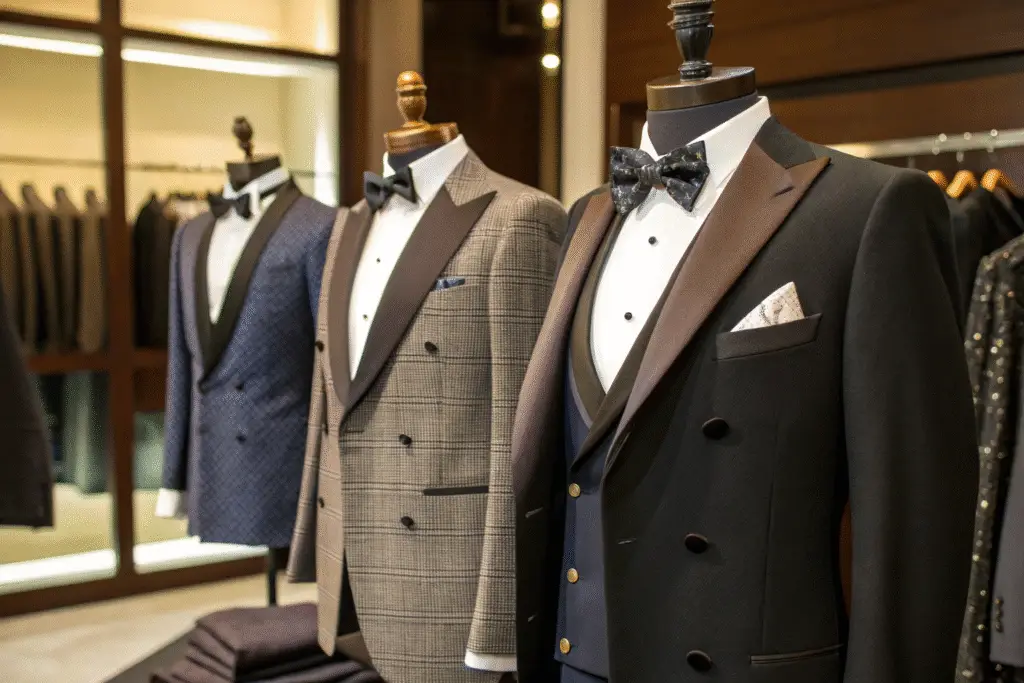
Men’s formal wear isn’t just about cut and fabric—it’s about precision, craftsmanship, and detail. Whether you’re sourcing suits, tuxedos, or structured coats, choosing the right factory determines your product’s reputation in the market.
To find factories specializing in men’s formal wear, focus on technical expertise, certification, fabric sourcing capacity, and ability to execute structured garments at scale.
As a Chinese factory owner working with global formalwear brands, I’ve helped dozens of clients locate high-performing suppliers in this niche. Here’s how to do it efficiently and accurately.
What Certifications and Capabilities Define a Formalwear Factory?
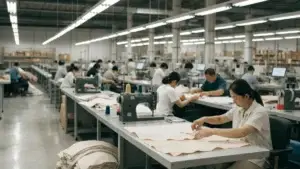
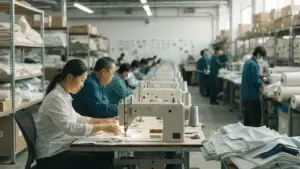
Men’s suits and coats require construction beyond typical apparel. From interlining to pad stitching, only skilled factories with tailored expertise can deliver this at a high level.
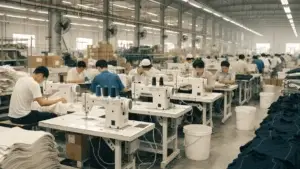
The top formalwear factories are certified, structurally capable, and equipped with specialty machinery for fusing, pressing, and structured assembly.
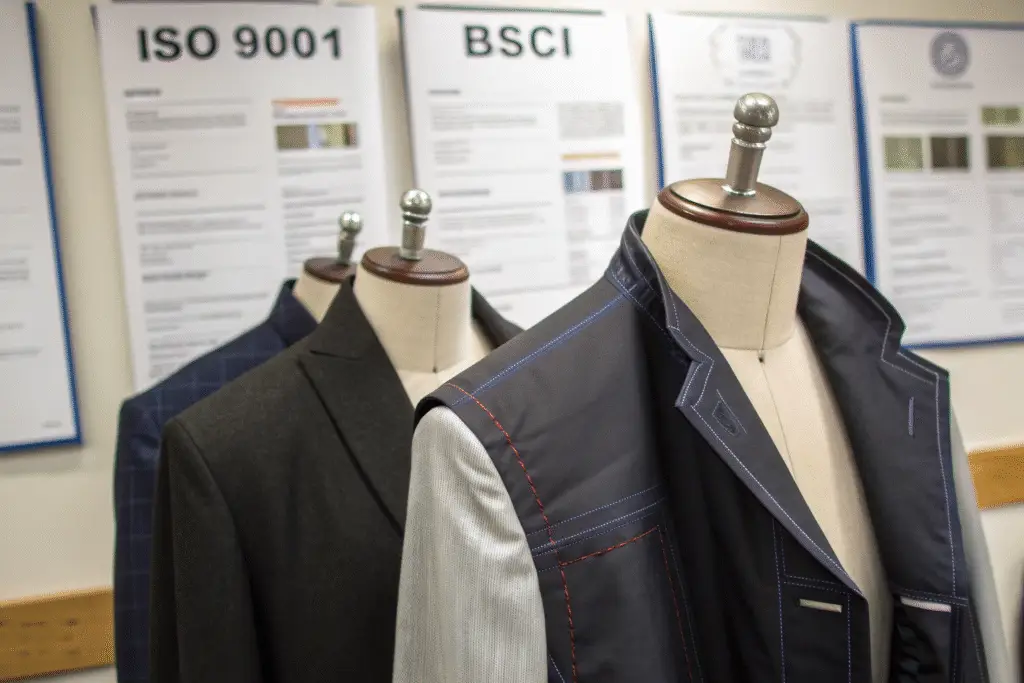
How Do Certifications Reflect Technical Capability?
Look for suppliers with:
- ISO 9001: ensures consistent product standards
- BSCI: confirms ethical working conditions
- OEKO-TEX: proves fabric safety, especially for suiting linings and trims
Top factories also undergo audits from firms like SGS or Intertek. At Fumao, we make all reports available upon request.
What Equipment Must a Suit Factory Have?
Specialized equipment includes:
- Shoulder pad fusing machines
- Steam press stations
- Blind stitch hemmers
- Canvas pad stitch machines
We use machinery from Veit Group and Juki to maintain jacket precision.
Always request a video walkthrough or tech pack sample test before confirming bulk.
Where to Search for Specialized Men’s Formalwear Factories?
Finding suit factories is different from searching for T-shirt vendors. These factories are often mid-sized, operate semi-quietly, and prioritize long-term clients. But there are still smart channels to find them.
B2B platforms, garment exhibitions, LinkedIn, and buyer groups offer rich sourcing leads if used with precision.

Which Online Platforms Are Most Effective?
Best sources include:
- Alibaba — Filter by product category + “men’s suits” + supplier years
- Foursource — B2B textile sourcing network with verified garment vendors
- Global Sources — Best for large-scale formalwear sourcing
On each, narrow your search by selecting factories that list blazers, suits, coats—not just generic “men’s clothing.”
How Do Trade Fairs and LinkedIn Reveal Reliable Factories?
Offline, attend Canton Fair or CHIC Shanghai where tailored factories exhibit new suiting lines.
Online, search LinkedIn for companies like “suit manufacturer in Dongguan” or “formalwear factory Zhejiang.” Review company pages, ask mutuals, and view their factory update posts.
We also post video content from our suiting lines to attract serious buyers through Instagram and LinkedIn.
How to Evaluate Fabric and Trim Capabilities for Suits?
The beauty of a formal jacket lies in its fabric and trim quality. A factory is only as good as the supply chain it manages—from Super 100s wool to horn buttons.
Good suit factories source responsibly, offer swatch books, and maintain relationships with mills specializing in premium woven suiting.
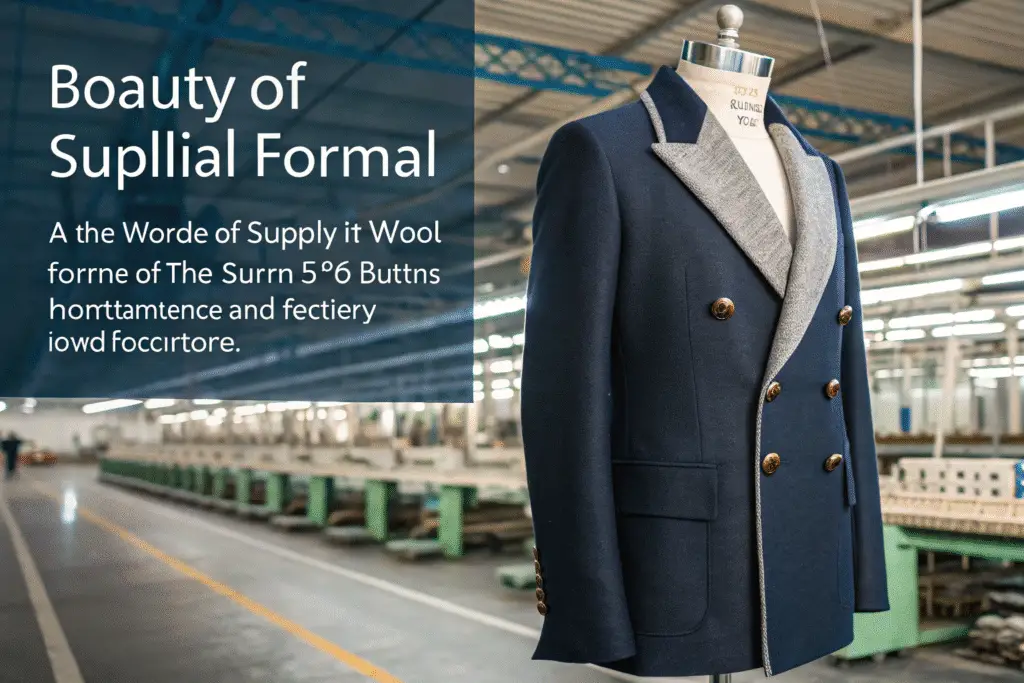
What Types of Fabric Should They Offer?
Core formalwear options include:
- Super 100s–150s wool from Raymond or Reda
- Wool-blend flannel
- Tropical poly-viscose suiting for warm climates
- Stretch suiting (2–4% elastane blends)
Factories should also understand lining options like Bemberg or polyester jacquard, and offer pre-labeled swatch cards for buyer review.
We keep a core library of 80+ fabrics for clients to sample remotely.
What Trim & Construction Details Signal Quality?
Check if the factory handles:
- Sleeve head rolls
- Milanese buttonholes
- Real horn or metal buttons
- Saddle-stitched lapels
For branding, ask about woven label sourcing and custom button engraving. We use Hangzhou Yongsheng Trims for woven internal branding on high-end jackets.
Trim handling defines whether your suiting is “mass” or “premium.”
How to Sample and Negotiate with Formalwear Factories?
Sampling suiting is different from sampling casualwear. Measurements, drape, lapel rolls, button spacing—all must be reviewed physically. Clear communication and trial rounds are essential.
Start with a tech pack, follow with fabric approval, and expect 2–3 iterations before confirming production.
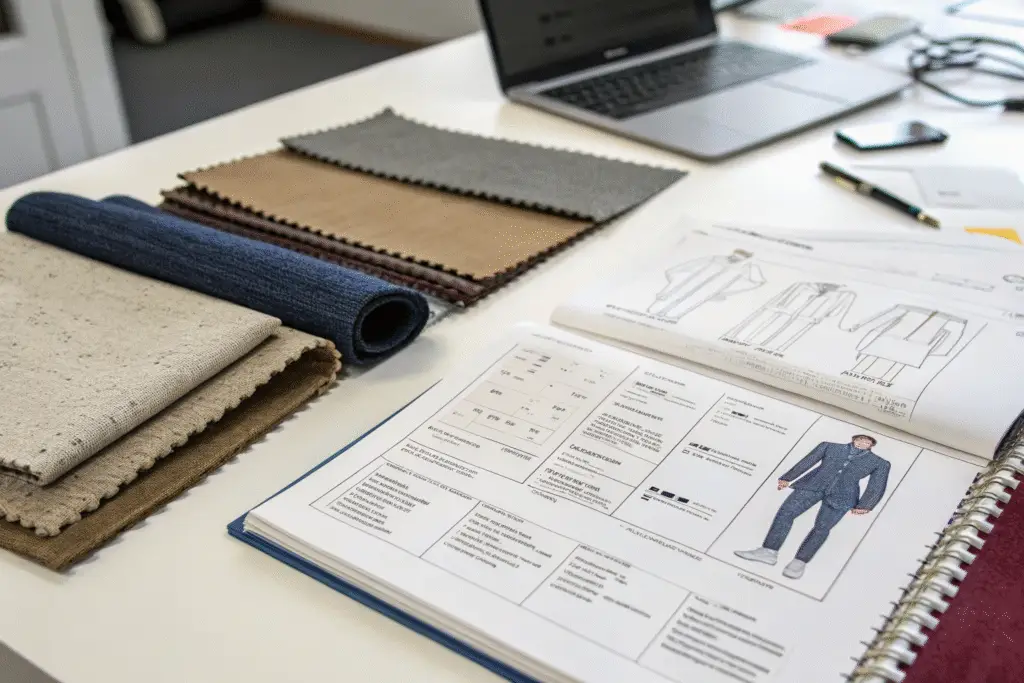
What’s the Right Sampling Process for Suits?
We advise:
- Share spec sheet with clear construction details
- Approve fabric & trims first
- Receive sample (7–10 days) with video inspection
- Fit review, correction notes
- Final pre-production sample (PPS) sign-off
For best results, ship the buyer a fitted base size and a grading table. We’ve helped Made-to-Measure startups develop entire size systems this way.
How Should You Negotiate MOQs and Lead Time?
For structured jackets:
- MOQ: 200–300 pieces per style
- Sample cost: $80–$120 (reimbursed at bulk)
- Lead time: 30–45 days after fabric in-house
If you want DDP pricing, confirm incoterms, HS codes, and trim duties with a logistics partner like Flexport.
We provide full DDP for formalwear to U.S. and Europe, including packaging, relabeling, and customs clearance.
Conclusion
Men’s formalwear is one of the most complex and rewarding apparel categories to source. You need factories that go beyond basic sewing—who understand tailoring, structure, and elegance.
At Fumao Clothing, we specialize in men’s structured garments for brands looking to scale with confidence. From Super 120s suits to fully lined wool coats, we match your vision with craftsmanship.
The key to finding a formalwear factory? Know your fabric, check their stitch, and always sample before scaling.