Choosing where to source outerwear can define your profit margins, product quality, and market speed. China, long seen as a global manufacturing powerhouse, continues to dominate outerwear production for brands across the U.S., Europe, and beyond. But is it always the best choice?
Sourcing outerwear from China offers benefits like scalability, technical expertise, and cost efficiency—but comes with potential risks like rising labor costs and IP leakage.
As a Chinese apparel manufacturer specializing in export, I’ll guide you through the real-world advantages and disadvantages based on my experience helping clients like Ron build successful outerwear lines.
Why Is China a Top Choice for Outerwear Manufacturing?
For decades, China has been synonymous with mass manufacturing. But in outerwear, its lead is not just about cost—it’s about craftsmanship, machinery, and speed. Brands worldwide look to China for reliable, scalable jacket production.
China remains the global leader in outerwear production due to its complete supply chain, skilled labor force, and investment in advanced manufacturing.
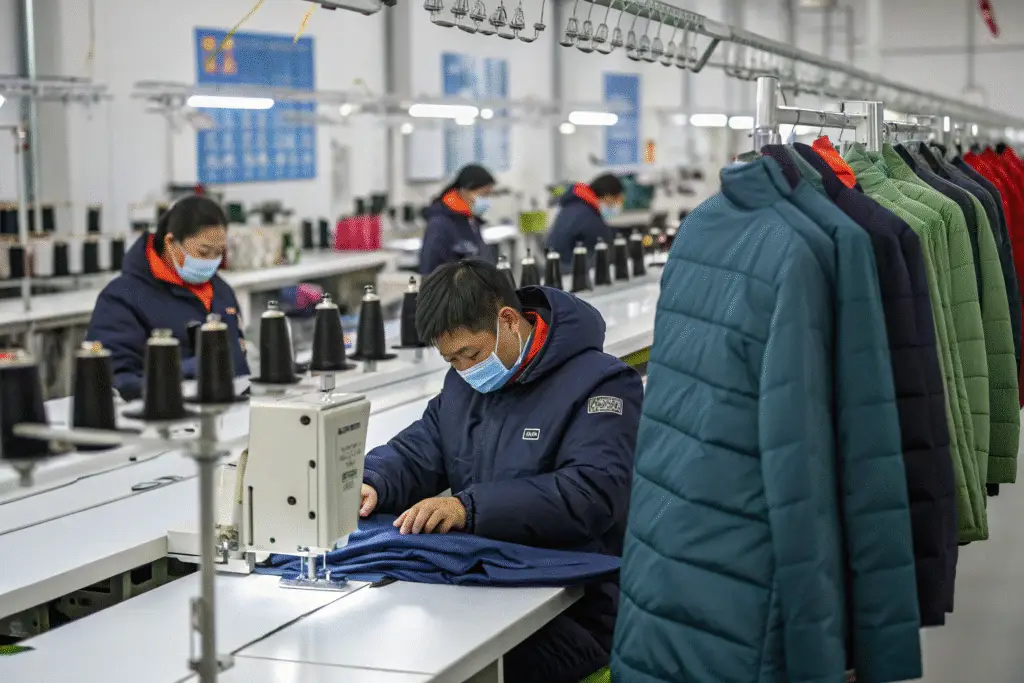
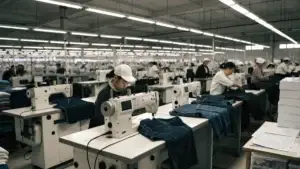
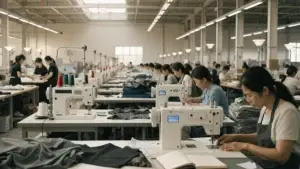
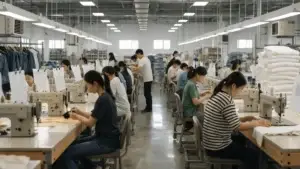
How Advanced Are Outerwear Production Facilities in China?
China's factories are equipped with highly specialized machines such as:
- Ultrasonic quilting machines
- Seam-taping equipment
- Laser cutters
- Digital patterning systems
These technologies help create waterproof and windproof garments with precision. At Fumao, we’ve helped brands develop lightweight down jackets, PU-coated raincoats, and complex multi-layer parkas.
Factories in regions like Jiangsu and Zhejiang focus solely on outerwear and have partnerships with functional textile suppliers for performance fabrics. This ecosystem streamlines production.
What Outerwear Product Types Can Be Made in China?
Chinese suppliers cover the entire outerwear spectrum:
- Puffers & down jackets
- Trench coats & wool blends
- Softshells & windbreakers
- Parkas with taped seams
- Rainwear & outer shells
Whether you're launching a D2C fashion brand or supplying big-box retailers, China offers vast SKU options. With 5 production lines, we switch quickly between winter and transitional season collections.
What Are the Cost Advantages and Risks?
While China can still offer low-cost outerwear production, buyers must navigate the changing landscape. As wages increase and regulations tighten, cost efficiency is no longer guaranteed across all tiers.
China offers competitive prices on complex garments, but buyers must account for fluctuating input costs and rising factory wages.
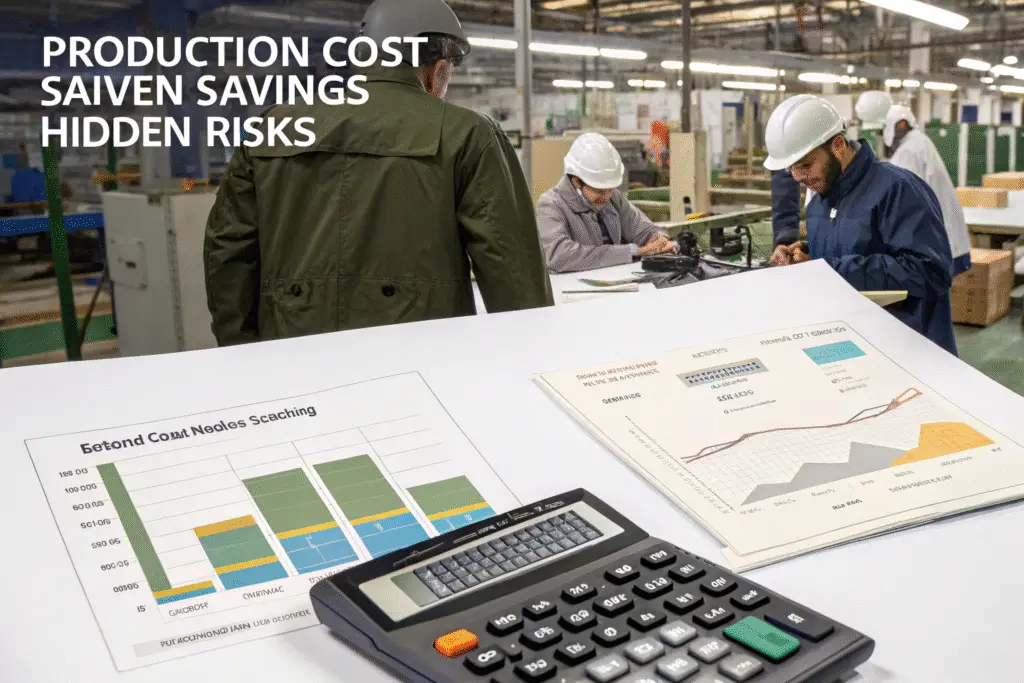
How Much Cheaper Is Outerwear Production in China?
China’s large-scale factories benefit from:
- Lower per-unit costs due to economies of scale
- Established fabric and trim markets (e.g. Shaoxing for woven fabric)
- Streamlined logistics and port access (e.g. Ningbo, Shanghai)
Compared to Vietnam or Bangladesh, China still delivers lower landed cost for technical garments due to lower error rates and higher automation. For example, waterproof zipper installation is 30% cheaper in Chinese factories using YKK China.
What Hidden Costs or Financial Risks Exist?
Buyers should also consider:
- Rising labor rates in manufacturing hubs
- Tariffs on Chinese outerwear (e.g. Section 301)
- MOQ inflation and surcharge for special trims or finishes
At Fumao, we’re transparent about hidden costs such as seam sealing tape surcharges, duty structures, or delay penalties due to holiday congestion. We advise our clients to plan outerwear 90 days ahead to lock in material prices.
What Are the Quality Standards and Inspection Practices?
Quality is everything in outerwear. A failed seam or leaky zipper not only ruins a product—it damages your brand. China has invested heavily in lab testing, automated QC systems, and global standard compliance.
Top Chinese outerwear factories maintain strict QC systems with AQL protocols, in-house labs, and buyer-led audits.
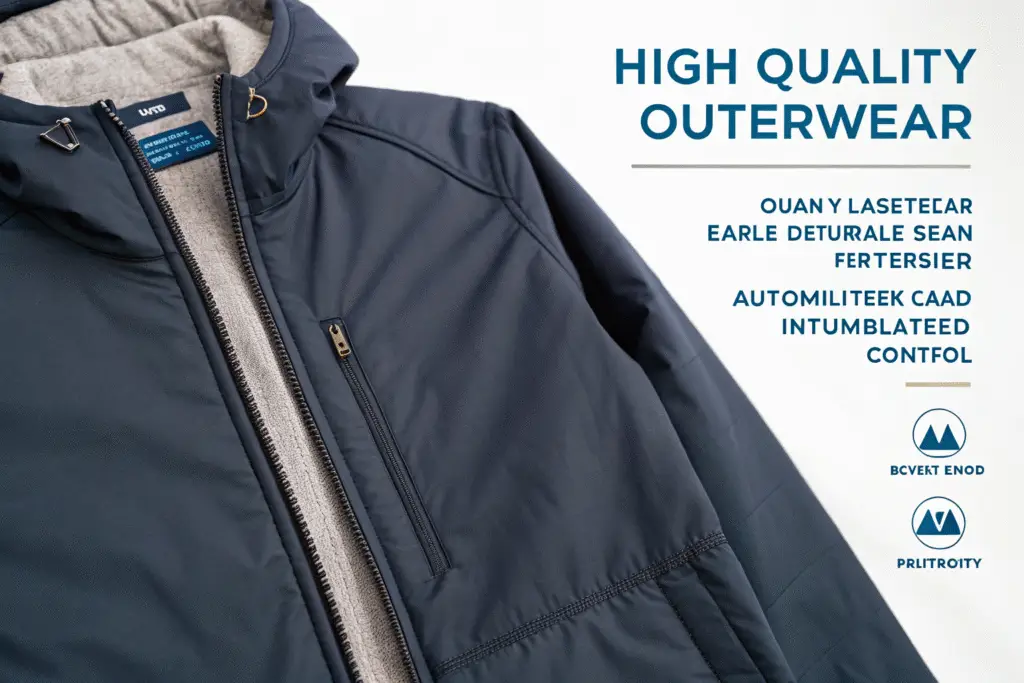
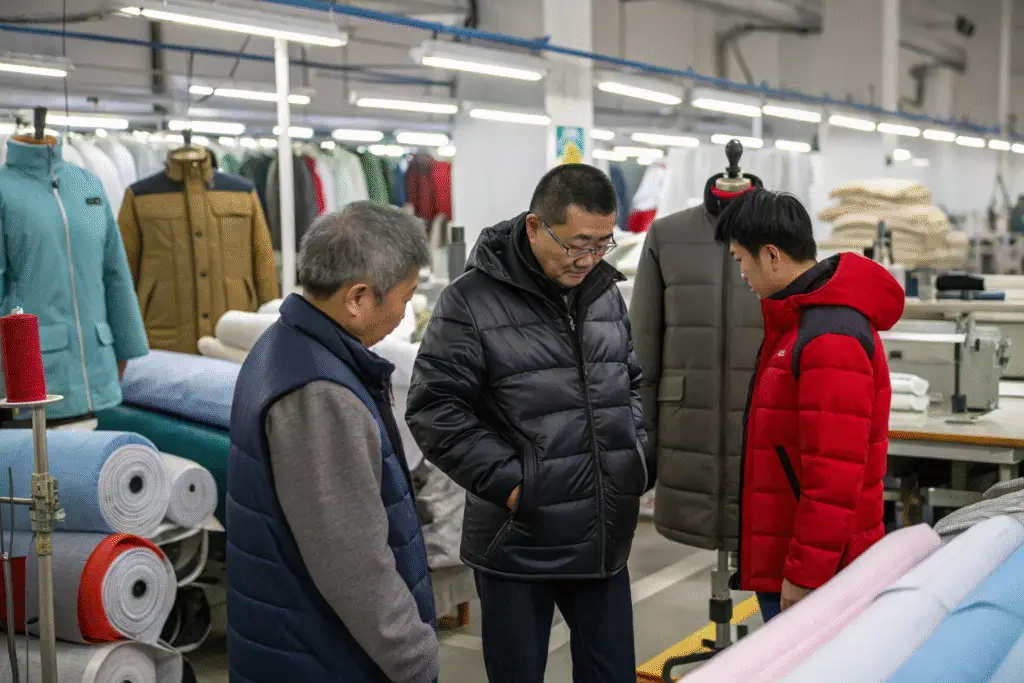
How Do Chinese Factories Manage Outerwear QC?
Our QC protocol includes:
- Incoming fabric inspection (GSM, tear strength)
- Inline sewing and seam monitoring
- Final garment testing: water resistance, breathability
We follow AQL Level II for final inspections and work with external labs like SGS and Intertek for special tests (e.g. EN343, ASTM F2732).
Buyers can also request thermal insulation reports or colorfastness results for outerwear intended for harsh climates.
What Certifications and Audits Are Common?
We hold certifications like:
- BSCI
- ISO 9001
- WRAP
- OEKO-TEX for materials
For buyers targeting REI or Patagonia, we also assist with bluesign® or GRS audits. These prove our capability in recycled polyester outerwear or PFC-free treatments.
Certifications also reduce risk when importing into markets with strict consumer safety laws like California Prop 65 or EU REACH.
What Are the Ethical and IP Concerns When Sourcing?
China’s manufacturing capacity is unmatched—but reputation issues around labor ethics and IP protection still concern Western buyers. Can you trust your designs will be safe?
Sourcing outerwear from China requires vetting your supplier’s transparency on labor compliance and their commitment to confidentiality.

Is Labor Compliance Reliable?
Not all Chinese factories are equal. At Fumao, we comply with BSCI and ensure no forced or underage labor. Our workshops follow regulated work hours, provide social insurance, and are monitored by third-party auditors.
Buyers should always request full audit reports and visit production sites when possible. Transparency beats claims.
You can also verify suppliers via Sedex or Higg Index, both of which evaluate ethical benchmarks across operations.
Can You Protect Your Designs in China?
IP protection is a valid concern. Before sharing tech packs, always sign a bilingual NDA and outline what constitutes confidential material.
We secure client designs via internal version control and watermark all shared CADs. For higher-end brands, we suggest using Alibaba’s IP Protection Platform or applying for trademark protection with China’s CNIPA.
With the right controls, your brand IP is as safe in China as in Europe—if not safer.
Conclusion
Sourcing outerwear from China has undeniable upsides: modern machinery, cost-effective production, reliable logistics, and scalable quality control. But it’s not without challenges. Rising costs, IP risk, and supplier transparency need to be proactively managed.
At Fumao Clothing, we work closely with clients to tailor outerwear sourcing that balances quality, ethics, and budget. For U.S. brands like Ron’s, China remains a strategic choice—if you partner with the right factory.