When it comes to branding your garments, custom labels and tags might seem like a small detail—but they can carry big implications for budget, aesthetics, and legal compliance. Many first-time buyers underestimate the cost and complexity of this step in the production process.
The true cost of custom clothing labels and tags depends on label type, material, order volume, design complexity, and how early in production you plan.
At Fumao Clothing, we guide U.S. clients through every step of label sourcing—from woven neck labels to heat-transfer care tags—so they get professional results without surprise charges. Here’s a breakdown of what it really costs to customize your clothing labels.
How Much Do Woven, Printed & Heat Transfer Labels Really Cost?
There’s no one-size-fits-all pricing when it comes to labels. Each type serves a different function, and their costs reflect differences in production and appearance.
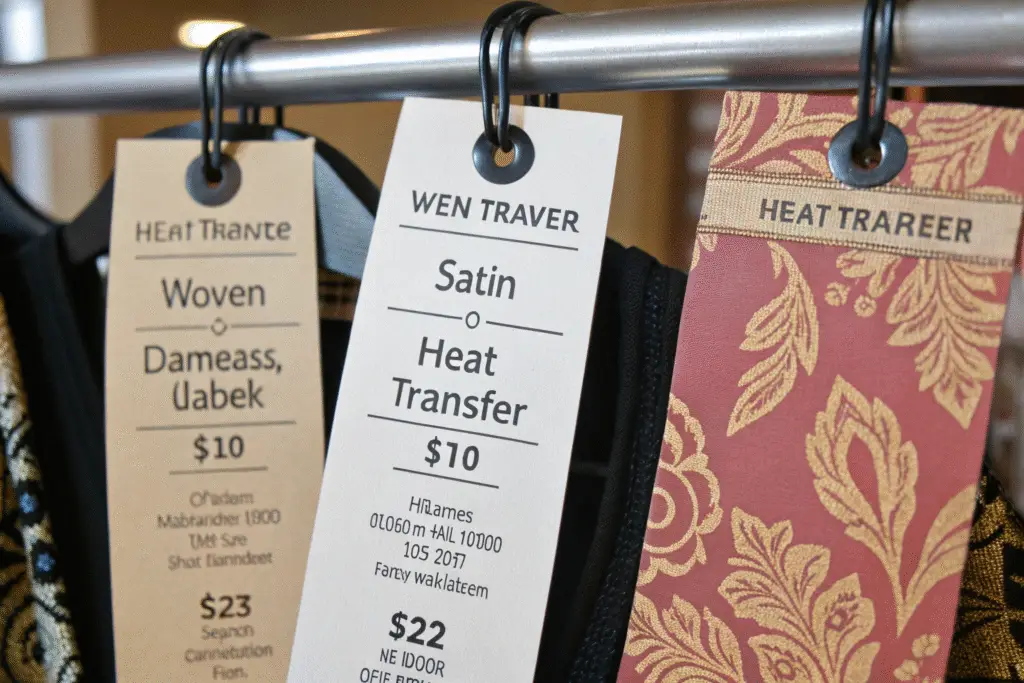
On average, expect $0.03–$0.20 per label depending on technique, order quantity, and finishes.
What Are the Average Prices for Common Label Types?
| Label Type | Average Cost per Piece | MOQ |
|---|---|---|
| Woven (damask) | $0.06–$0.12 | 1,000 pcs |
| Printed satin | $0.03–$0.08 | 500–1,000 pcs |
| Heat transfer | $0.08–$0.15 | 300–500 pcs |
| Embossed leather | $0.12–$0.20+ | 200–300 pcs |
The most cost-effective option for small batches is printed satin, while woven damask is the top choice for high-end branding due to its texture and durability. For activewear or kidswear, heat transfer labels are often used for tagless comfort.
Are There Setup Fees or Mold Charges?
Yes—many suppliers charge one-time fees for woven or embossed labels, ranging from $30–$70, depending on the complexity and dimensions. These costs are typically waived for repeat orders. You can refer to platforms like Dutch Label Shop or Clothing Labels 4U for sample pricing.
How Does Label Design Affect Your Total Cost?
The more complicated your design, the higher the price. Not because of the artwork itself—but because of how it translates into production.
Label costs increase with more threads, colors, folds, backing materials, and packaging requirements.

What Features Raise the Cost?
- Color Count: Each additional color in a woven label adds thread cost. Some factories cap base pricing at 6 colors.
- Folds: Center fold and end fold require extra finishing work.
- Iron-on or Adhesive Backing: Adds $0.01–$0.03 each.
- Pantone Matching: May incur an extra fee ($10–$20 setup).
A simple black logo on white satin is the cheapest to produce. But a gold thread damask label with a center fold and adhesive backing will cost at least double. GB Labels provides custom quote tools based on design complexity.
Does Label Placement Change Cost?
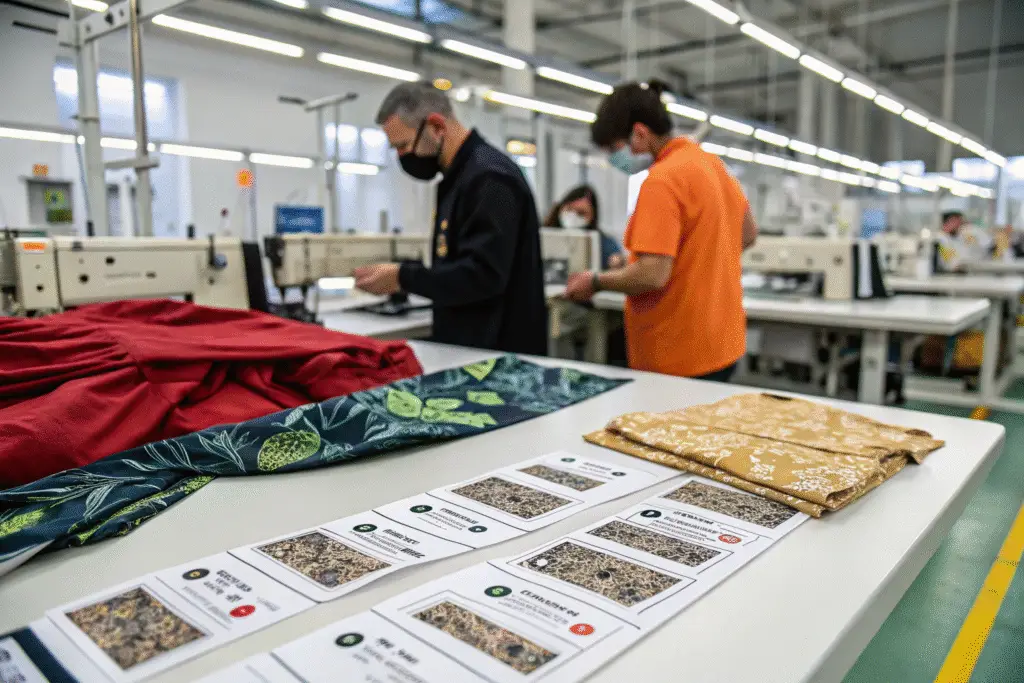
Definitely. If labels are sewn into seams during main stitching, there’s no extra labor cost. But if they must be attached post-assembly—like swing tags or hem labels—it adds stitching labor. Discuss label placement early in tech pack creation, as advised in Techpacker guides.
What Are the Logistics and Lead Time Costs for Labels?
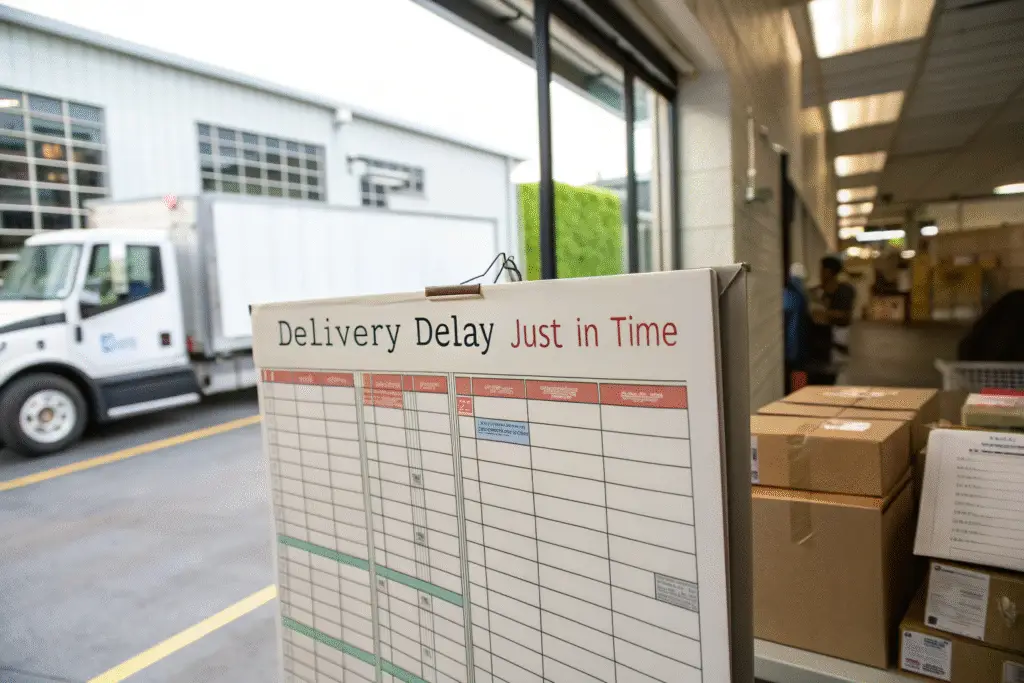
One of the hidden costs of custom labels is delay. If your label supplier fails to deliver on time, your whole production line can stall.
To avoid downtime, synchronize label delivery with bulk fabric readiness, and always preapprove label samples.
How Long Do Labels Take to Produce?
| Label Type | Lead Time (Days) |
|---|---|
| Woven | 10–14 |
| Printed satin | 5–7 |
| Heat transfer | 6–8 |
| Leather/PU badge | 12–15 |
Rush options may cut timelines by 2–3 days, but add 20% in cost. We suggest starting label development in parallel with fabric sourcing to stay on schedule.
Can Labels Be Sourced Locally to Save Time?
Yes, for brands in the U.S. or Europe, domestic suppliers can deliver labels faster. But you’ll pay a premium: $0.25–$0.60 per piece. That’s why many use label makers in China with FedEx IP shipping. We offer coordinated sourcing so your labels arrive just before stitching begins.
What Legal or Branding Requirements Add to Labeling Costs?
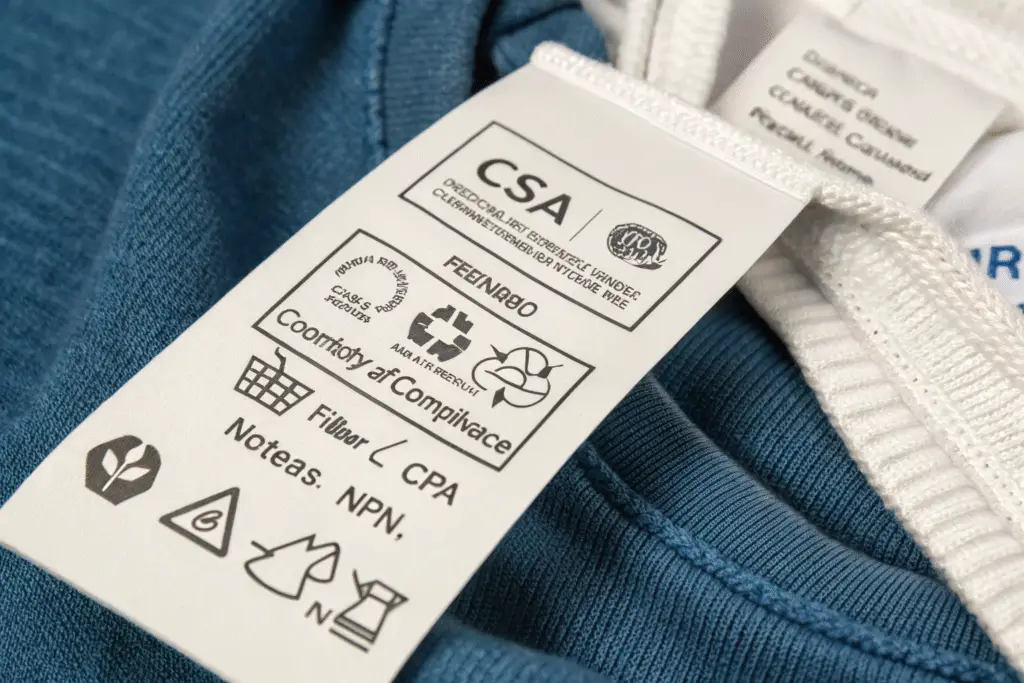
Labels are not just decorative—they’re also legal documents. In the U.S., every garment must meet FTC labeling rules regarding fiber content, origin, and care.
Failing to meet compliance means repackaging costs, shipment rejections, or lawsuits.
What Must a Legally Compliant Label Contain?
According to U.S. FTC, labels must show:
- Fiber content (e.g., 95% cotton / 5% spandex)
- Country of origin (e.g., Made in China)
- Manufacturer or importer (via RN number)
- Care instructions (symbols or words)
CPSIA law also requires date-of-manufacture tags for kidswear. These must be trackable to the batch level. That’s why we help brands preprint these labels with QR or barcodes for factory scanning.
Are There Extra Costs for Compliance?
Yes—especially for multilingual labels or layered care tags. Expect $0.01–$0.03 extra per piece for dual-language, multi-section labels, or permanent wash-resistant printing. Avery Dennison is a global player in compliance labels and care systems.
Conclusion
Custom clothing labels and tags are more than just an accessory—they’re a brand signature and a legal requirement. By understanding the real cost components—from material to placement to compliance—you can plan better and avoid last-minute surprises. At Fumao Clothing, we offer end-to-end label support so our clients can launch with precision, not panic. Your label tells your brand story—make sure it’s printed clearly and priced fairly.