Efficient communication is the lifeline of any successful apparel supply chain. But for buyers working with overseas garment factories—especially across continents like America and Asia—misunderstandings, delays, and cultural misalignment often erode trust, inflate costs, and risk seasonal losses.
To manage seamless production and ensure product quality, mastering communication with your overseas garment factory is not optional—it’s essential.
From our experience at Fumao Clothing, managing dozens of U.S. clients simultaneously, we’ve learned that successful partnerships come down to clear expectations, the right communication tools, and well-structured processes.
Let me show you how to avoid the most common communication pitfalls and take control of your sourcing timeline—without ever needing to fly to China or Vietnam.
What Tools Streamline Communication With Overseas Factories?
Modern global sourcing depends not just on people—but also platforms. Many U.S. buyers still rely on email alone, and that’s where timelines start to break down.
We use a mix of communication tools designed specifically to close gaps in time zones, language, and visibility.
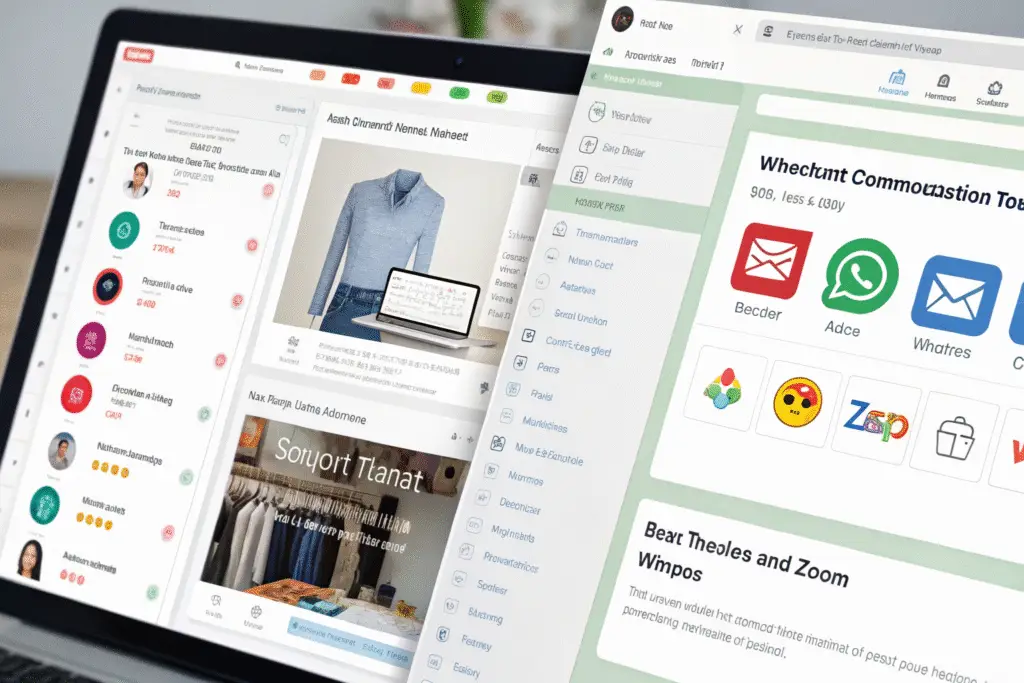
Why Is Email Alone Not Enough?
While email is a formal and reliable tool, it’s not ideal for fast-moving production queries. We’ve seen critical sample approvals delayed simply because an email got buried in someone’s inbox.
Tools like WeChat and DingTalk offer instant messaging, translation, and even task tracking—making them ideal for real-time collaboration across time zones. For detailed reviews and status updates, Zoom or Google Meet enable face-to-face discussions that bridge cultural gaps.
Which Digital Platforms Work Best for Daily Coordination?
To keep your orders moving, we recommend platforms that allow file sharing, approval tracking, and centralized visibility. For example, project management tools like Trello or Monday.com can organize production stages, responsibilities, and delivery timelines. Integration with supply chain ERPs or your internal product management systems can further streamline communication.
How Can You Ensure Instructions Are Understood Clearly?
Communication fails when assumptions are made. Especially when conveying apparel specifications, vague instructions or low-resolution images will cost you.
Our approach is to document, verify, and repeat—until there is zero ambiguity.
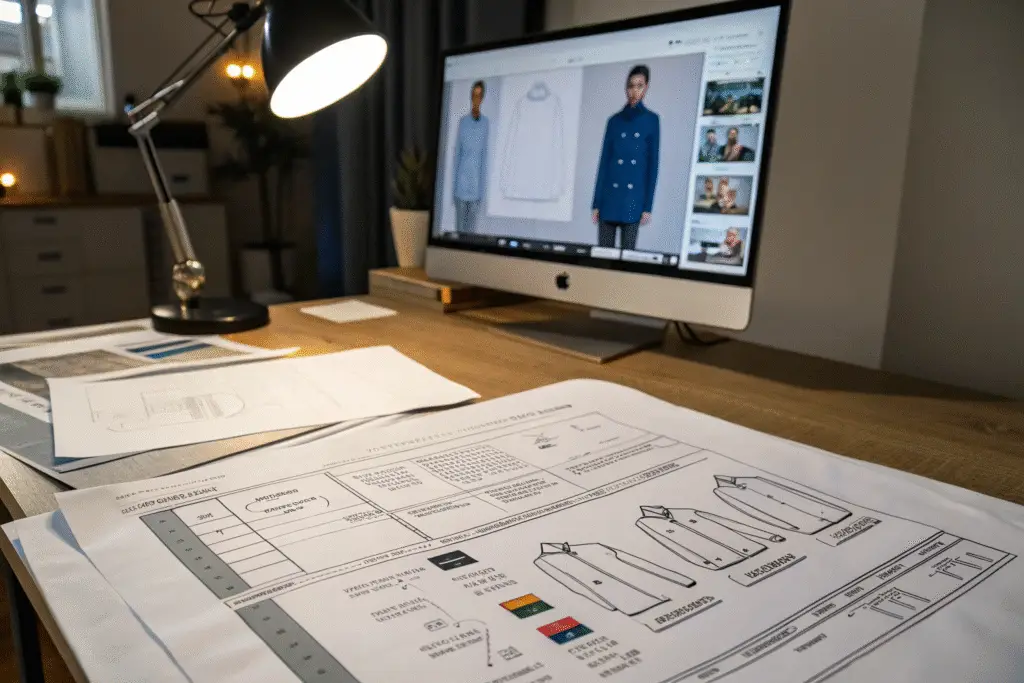
What Are the Best Ways to Explain Technical Requirements?
Always use a complete tech pack. This includes sketches, measurement tables, fabric and trims info, and tolerances. Avoid verbal-only or email-only explanations for product details.
We also support using CLO 3D or similar platforms for virtual sample previews. They help factories visualize exactly what you expect before physical sampling starts. You can also refer to Techpacker to manage and share digital tech packs securely.
How Often Should You Reconfirm Critical Details?
For every milestone—fabric approval, sample confirmation, bulk production start—we reconfirm key data via screenshots, call summaries, or written memos. This reduces the chances of “I thought you meant…” mishaps. Building a confirmation checklist culture within your team makes this process second nature.
What Are the Common Communication Pitfalls and How to Avoid Them?
Even with all the right tools, things can still go wrong. Late replies, language confusion, and vague feedback often derail entire shipments.
By proactively identifying these risks, we help our clients avoid seasonal losses and ensure consistent fulfillment.

Why Do Misunderstandings Keep Happening?
One major reason is indirect language—especially in East Asian cultures where saying “no” is often avoided. A factory might say “we will try our best,” but it could mean they aren’t confident meeting the timeline.
To handle this, we train our sales reps to ask for explicit commitments using structured follow-up questions and visual confirmations. Reference sources like Harvard Business Review’s guide to cross-cultural communication to understand deeper cultural layers.
What Causes Shipment Delays Due to Poor Communication?
The top three causes are:
| Cause | Solution |
|---|---|
| Unclear PO specifications | Use standardized order forms with diagrams |
| Lack of real-time updates | Set fixed reporting intervals |
| Missed QC checkpoints | Implement milestone-based inspection |
We use WorldFirst and IncoDocs to manage documentation and expectations transparently, keeping buyers in the loop at every stage.
How Do Time Zones & Language Impact Daily Production?
Time zone gaps often result in 24-hour delays for simple decisions. Add to that language barriers, and the efficiency loss can be severe.
We combat this by building bilingual teams, setting fixed check-in windows, and using visual aids to minimize language reliance.
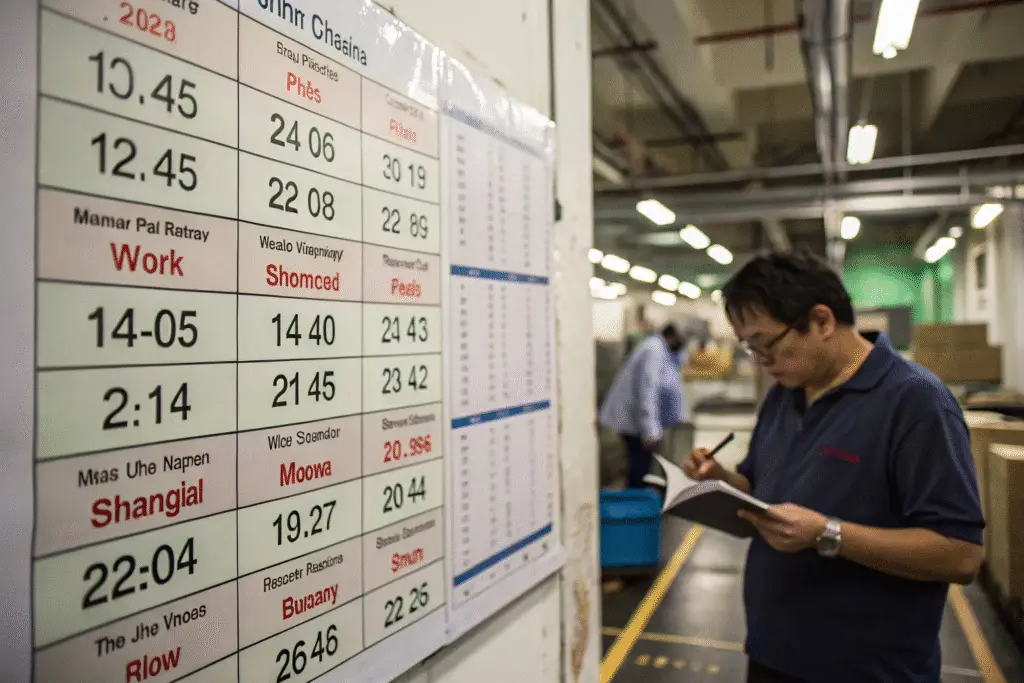
What Is the Best Way to Handle Time Zone Challenges?
Set structured overlap times. For instance, between 8–10am EST overlaps with 8–10pm China time. Schedule all video calls and decisions during this slot. Tools like WorldTimeBuddy help align calendars easily.
To speed up progress, we assign dedicated account managers who work split shifts to provide real-time responses, bridging the timezone divide.
How Can Language Differences Be Managed Effectively?
We use bilingual documentation, including spec sheets and production SOPs. Factory teams receive English-Chinese bilingual versions of each file. Tools like DeepL are more reliable than Google Translate when precision matters.
Also, having bilingual QC inspectors at the factory ensures real-time corrections without escalation.
Conclusion
Managing efficient communication with overseas garment factories is the backbone of successful apparel sourcing. From choosing the right tools and tech packs to understanding cultural cues and bridging time zones, every detail matters. We’ve built our process at Fumao Clothing around clarity, consistency, and care—so our buyers like Ron can focus on selling, not troubleshooting. When both sides speak the same visual and structural language, global distance becomes irrelevant. Let’s transform your supply chain into a well-oiled machine—one conversation at a time.