As the cost of raw materials, labor, and logistics keeps climbing, profit margins are tightening for fashion brands. Whether you’re a startup or an established label, finding sustainable ways to reduce garment production costs is critical for long-term success.
Lowering garment production costs doesn't mean sacrificing quality—it means optimizing design, sourcing, and manufacturing workflow.
At Fumao Clothing, we help American and European clients implement these strategies daily. Here's how you can reduce costs in garment manufacturing without cutting corners.
How Can Fabric Optimization Cut Your Costs by 10–20%?
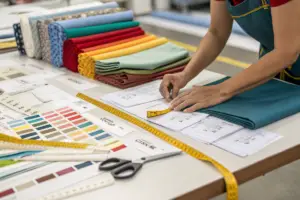
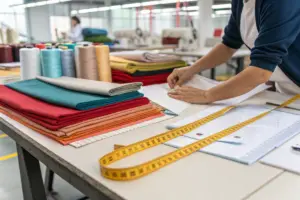
Fabric is often 60–70% of a garment's total cost. That makes it your biggest opportunity for savings.
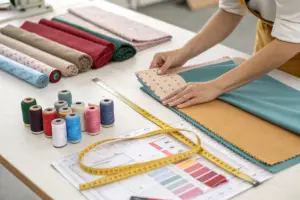
By optimizing fabric selection and cutting efficiency, you can significantly reduce unit costs in both sampling and bulk production.

What Fabric Choices Offer High Yield and Low Waste?
Choose:
- Wider fabric widths (e.g., 58” vs 44”) to cut more pieces per roll
- Knits over wovens for stretch garments with fewer seam allowances
- Dye-to-order rolls to avoid overstock
Avoid one-off textures or irregular weaves unless absolutely necessary. Platforms like Fibre2Fashion let you compare mills by GSM, price, and width.
How Does Digital Pattern Nesting Help?
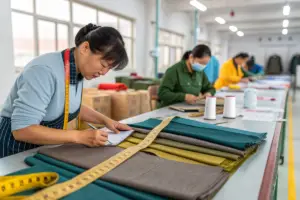
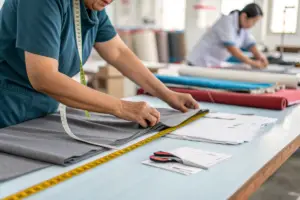
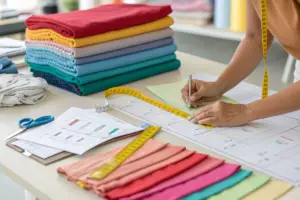
Advanced CAD systems like Lectra or Gerber AccuMark allow perfect pattern placement with <5% waste. We regularly run pre-production simulations to show brands how much fabric each style consumes. This alone has saved some clients over $2,000 per style.
Why Is Simplified Construction a Smart Move?
Complicated garments may look luxurious—but every panel, pocket, or stitch adds labor time.
By simplifying your design, you reduce cutting, sewing, and quality control time—without losing visual appeal.

What Design Adjustments Can Lower Labor Costs?
- Replace welt pockets with patch pockets
- Use fewer panel cuts for dresses and jackets
- Swap out metal zippers for plastic coil zippers
- Use standardized seam types (e.g., overlock instead of French seams)
Tools like CLO 3D allow you to simulate these changes before sampling.
What’s the Impact on Factory Efficiency?
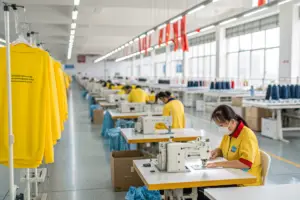
Factories schedule garments based on complexity. A garment that takes 25 minutes to sew costs much more than one that takes 15. By reducing stitch operations and simplifying trims, we help clients increase their sewing efficiency by up to 30%—translating into major savings on large runs.
How Can Bulk Sourcing and MOQ Planning Reduce Unit Cost?
You pay more per unit when ordering small runs, but scaling smartly can drastically lower your cost per piece.
Bulk ordering and smart MOQ planning with your manufacturer can reduce material and labor costs across styles.

How Can Tiered Pricing Lower Per-Unit Cost?
Most factories and mills offer:
- 100 pcs: $5.60/unit
- 500 pcs: $4.80/unit
- 1,000 pcs: $4.20/unit
We advise clients to combine multiple colorways or styles with shared components (like fabric or trims) to reach the next pricing tier. This reduces waste and simplifies sourcing.
Try sites like Alibaba or Texindex to compare supplier MOQs and pricing ladders.
What Should You Consolidate for Cost Efficiency?
- Use shared trims across styles (same label, same buttons)
- Opt for unified packaging for mixed orders
- Request combined shipping to reduce per-style freight
At Fumao, we help brands map production calendars that batch styles into efficient manufacturing blocks to lower the blended cost per unit.
How Does DDP Shipping Help Cut Hidden Logistics Costs?
Shipping can eat up 15–20% of your total garment cost—especially if delays or miscommunication cause fees.
DDP (Delivered Duty Paid) shipping gives brands predictable, all-in pricing that avoids surprise customs bills.

What Are the Hidden Costs in FOB or EXW Shipping?
FOB (Freight on Board) and EXW (Ex Works) leave freight, customs, and last-mile charges on the buyer. Many small brands underestimate:
- Customs duty
- Port fees
- Clearance delays
- Domestic trucking
A $4 garment becomes $6 after hidden charges. We had one client overpay $8,000 in duties due to wrong HS codes from their logistics agent.
Why Is DDP Smarter for Cost Control?
Under DDP, the factory handles all logistics to your door. It includes:
- Ocean/air freight
- Customs clearance
- Duty/taxes
- Final delivery
We offer DDP to USA, EU, and Canada to keep your landed cost clear and fixed—so your cost-per-unit is predictable at every scale.
Conclusion
Reducing garment production costs isn’t about cutting quality—it’s about smarter decisions at every stage: fabric, design, sourcing, and shipping. With a clear cost strategy and a responsive manufacturing partner, you can protect your margins and scale with confidence.
At Fumao Clothing, we help U.S. brands cut costs the strategic way. Whether it’s optimizing fabric usage, unifying trims, or simplifying designs for higher efficiency, we’re here to make your clothing line profitable from sketch to shipment.