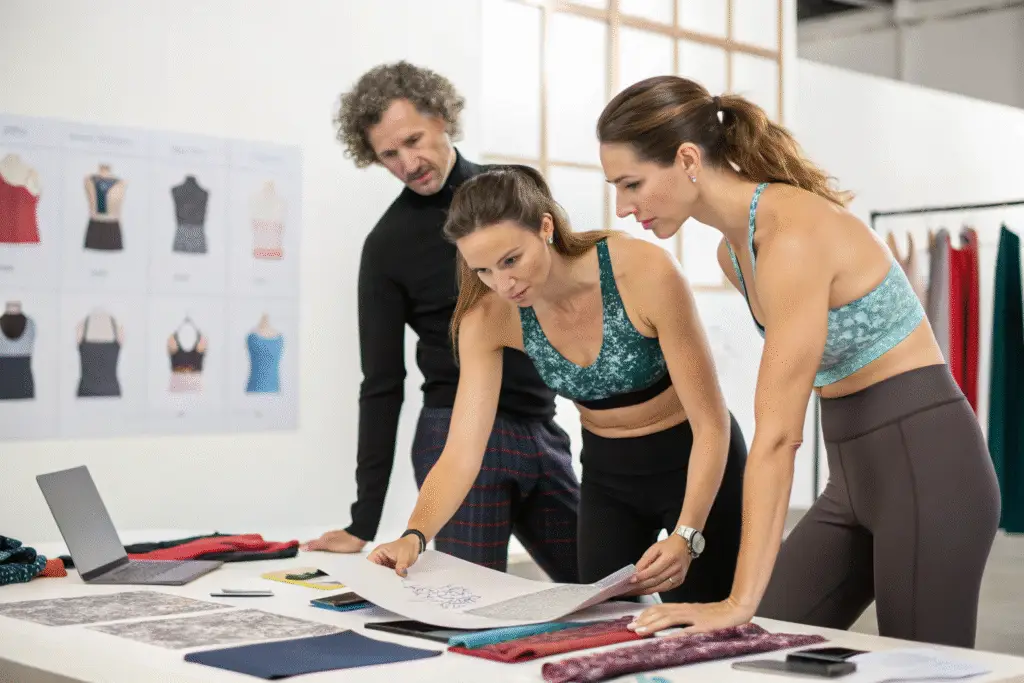
The global fitness boom is reshaping wardrobes—and supply chains. From yoga studios to TikTok influencers, the demand for high-performance activewear is exploding. But while consumers are focused on aesthetics and comfort, brand owners must stay ahead of manufacturing trends to stay competitive.
Wholesale activewear isn’t just about making leggings anymore—it’s about innovation, sustainability, and speed-to-market.
As an OEM clothing manufacturer for U.S. brands, I’ve seen firsthand how the factory floor evolves with shifting fitness lifestyles. Here’s what’s shaping the future of bulk activewear production.
Why Is Sustainable Fabric Demand Rising in Activewear?
Activewear used to be synonymous with polyester and synthetics—but eco-conscious customers are changing that.
Sustainable, recycled, and biodegradable fabrics are quickly becoming the gold standard in bulk activewear manufacturing.
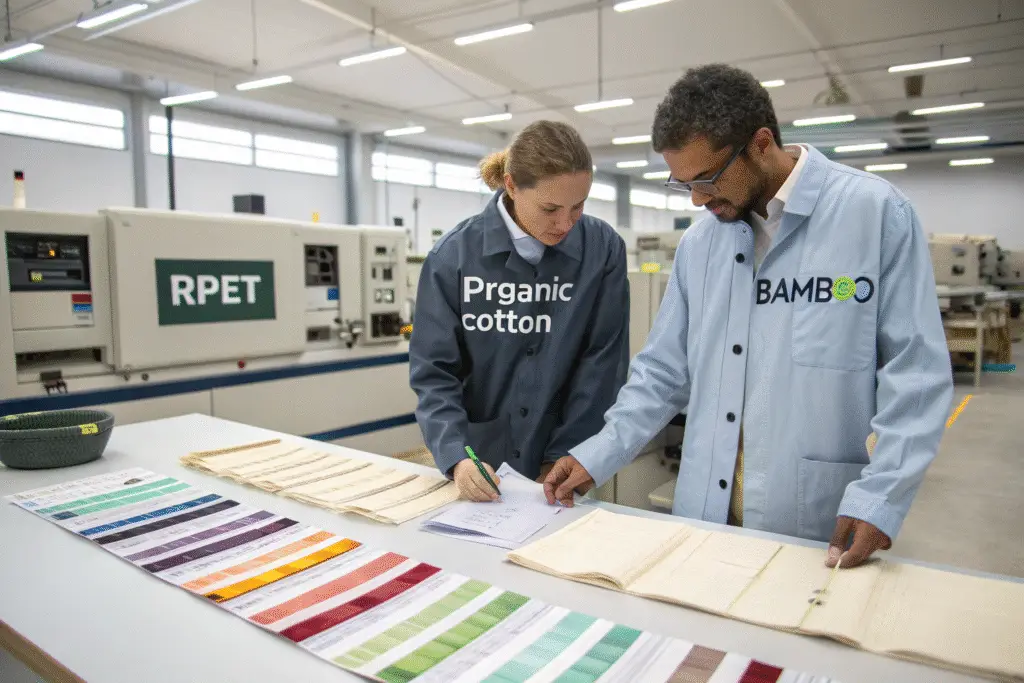
What Eco-Fabrics Are Most Popular Right Now?
Top wholesale fabric choices include:
- rPET (recycled polyester from plastic bottles)
- Bamboo viscose for odor resistance
- Organic cotton/elastane blends for comfort
- Tencel™ Lyocell for silky hand feel
- Nylon 6.6 from ECONYL® for luxury swim-active crossover
Certifications matter too. Factories showcasing GRS or OEKO-TEX labels are seeing rising demand from North American brands.
How Are Manufacturers Supporting Green Initiatives?
Leading factories now integrate waterless dyeing, closed-loop fabric washing, and solar energy operations. We recently upgraded one of our lines with Dope Dye technology, which eliminates water discharge. It helps U.S. buyers meet ESG goals and appeal to Gen Z consumers.
How Is Performance Tech Redefining Design?
In today’s performancewear, function is as important as form. Athleisure and gym wear now demand scientific precision—down to the thread.
Brands now seek fabric innovations that boost performance: moisture-wicking, anti-odor, thermal regulation, and compression.
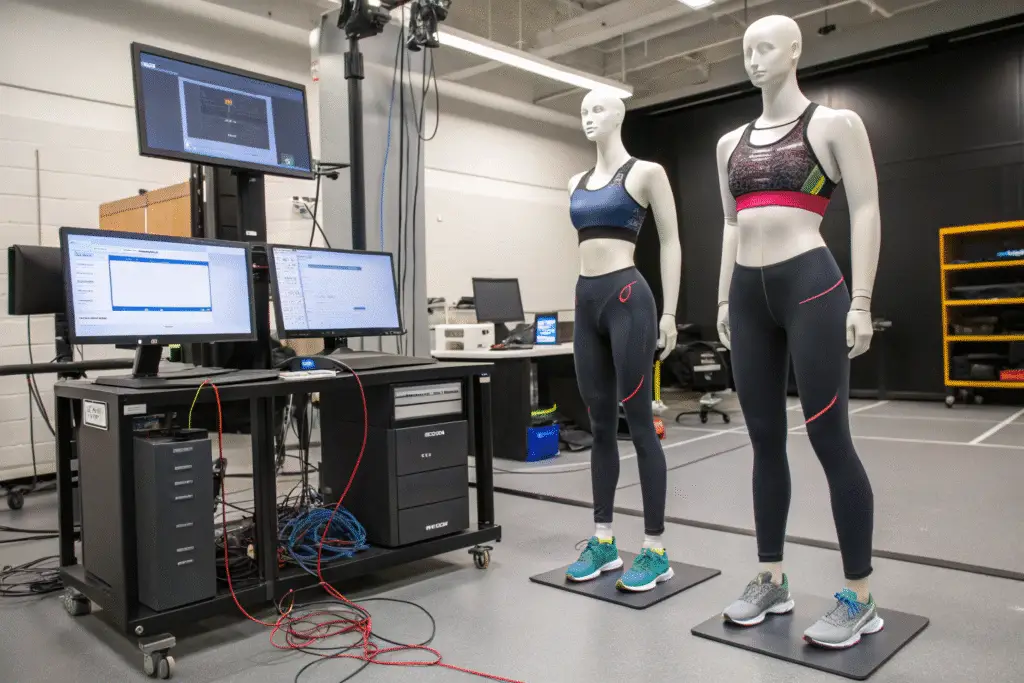
What Fabric Technologies Are in High Demand?
Here’s what bulk buyers are requesting more of:
- Seamless technology: For stretch, comfort, and reduced chafing
- 4-way stretch blends: Better recovery for yoga and HIIT wear
- Moisture management layers: Like COOLMAX®
- Antibacterial finishes: Silver ion treatments
- Thermo-adaptive fibers: For temperature regulation
Some of our U.S. clients use HeiQ or Polygiene branded treatments on their custom ranges.
Why Are Seamless Garments Growing So Fast?
Seamless activewear, made with circular knitting machines, reduces waste and improves fit. Factories offering Santoni or Lonati equipment are gaining orders. Brands appreciate shorter lead times and less need for trim stock. We've helped several startup brands build their entire line around this process.
What Role Does Customization Play in Brand Identity?
Today’s activewear customers want identity—brands that speak to their lifestyle, their values, their fitness tribe.
Custom branding is no longer optional in wholesale activewear—it’s the hook that makes repeat customers.
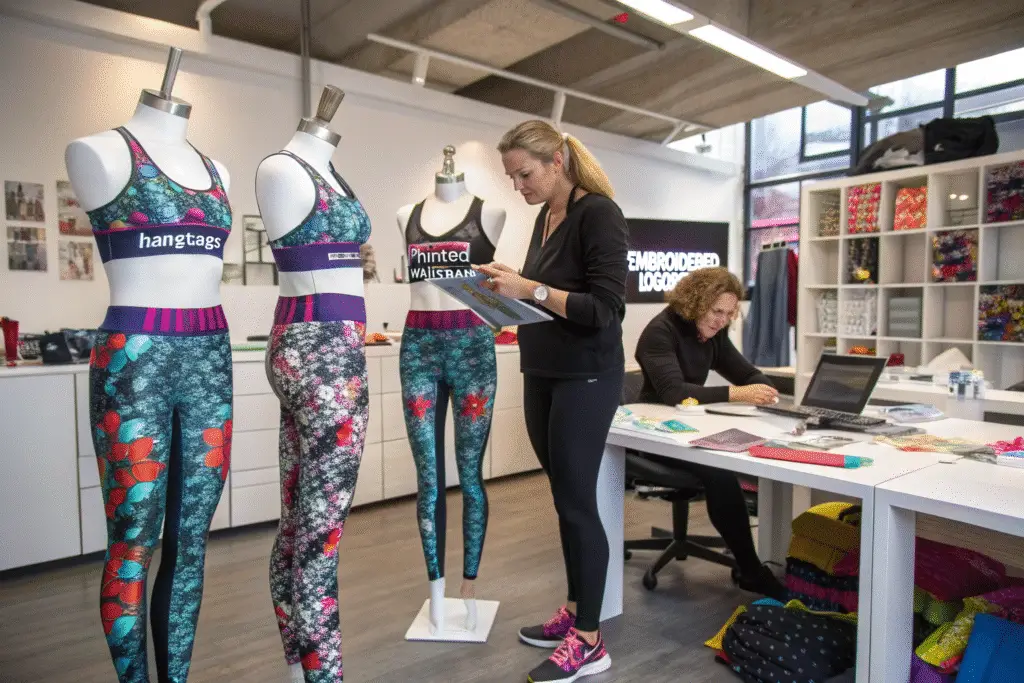
What Customization Options Are Most Popular?
U.S. and EU brands are asking for:
- Sublimation printing for vibrant leggings
- Heat-transfer logos for stretchability
- Reflective logos for night running lines
- Jacquard elastic waistbands with brand text
- Matching label & packaging bundles
Platforms like Printful offer small-batch custom options, but for wholesale, a reliable factory partner is key. We provide full branding kits even for MOQ of 300 pcs.
How Does Factory Support Speed This Up?
Factories that offer in-house digital printing, embroidery, and trim sourcing reduce your turnaround time by weeks. At Fumao, we’ve built a sampling floor that allows clients to test multiple branding options on just 1–2 pieces before committing to bulk. That’s a game changer for fast-paced markets.
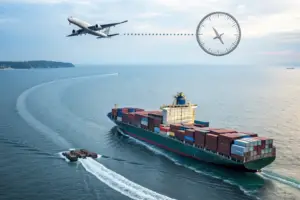
Why Is Speed-to-Market a Competitive Advantage?
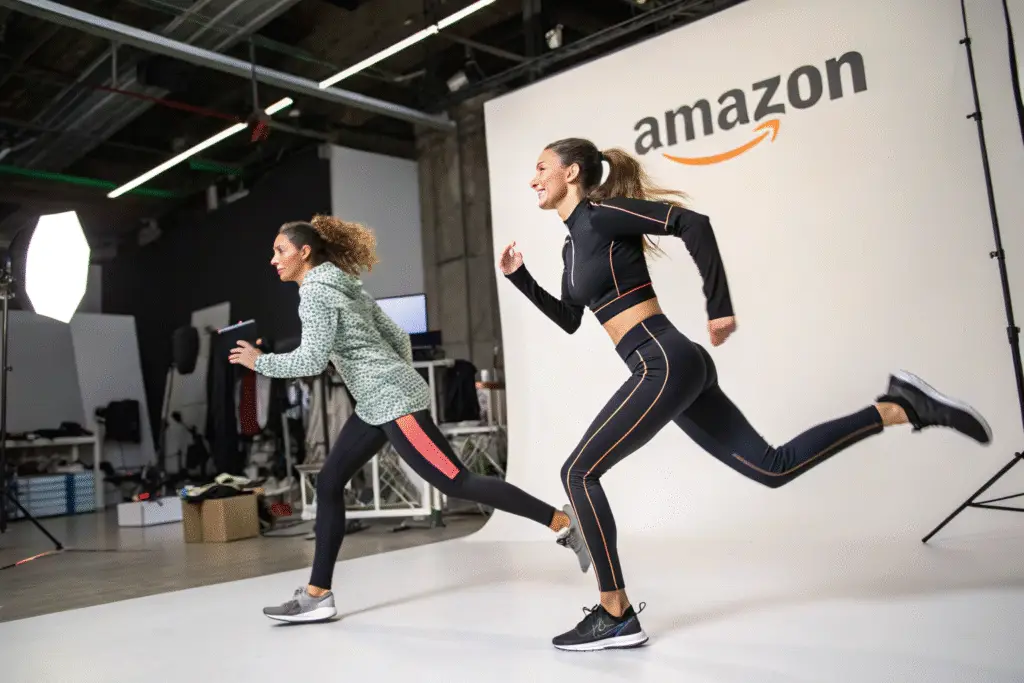
Amazon brands. TikTok trends. Capsule launches. If you can’t move fast, your design is outdated before it drops.
Speed is the new currency in wholesale activewear. Brands want 3-week production, not 3-month delays.
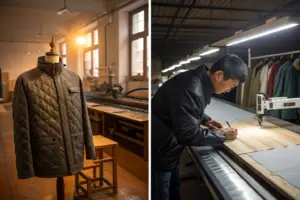
How Do Leading Factories Offer Faster Turnarounds?
Factories with:
- Digital pattern making and auto-cutting (like Gerber or Lectra)
- On-site fabric warehouses
- Dedicated sampling teams
- In-house printing/labeling operations
can reduce production time from 45 days to as few as 20. Some even offer 5–7 day sample production. Our express line can handle repeat styles under 15 business days from PO.
How Do You Balance Speed with Quality?
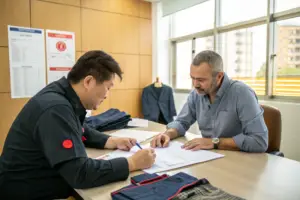
Short lead times shouldn't mean cutting corners. Set realistic MOQs, confirm pre-approved fabrics, and streamline approvals. We use daily production logs, in-line QC, and weekly client updates to ensure speed doesn't compromise quality.
Conclusion
Wholesale activewear manufacturing is evolving—fast. Sustainability, performance tech, customization, and speed are no longer bonus points—they’re baseline requirements.
At Fumao Clothing, we help U.S. brands launch and scale activewear collections that meet modern customer needs while staying lean, fast, and future-ready. Whether you’re building an eco-conscious yoga line or performance gym wear with tech finishes, we’re ready to help you manufacture smarter.