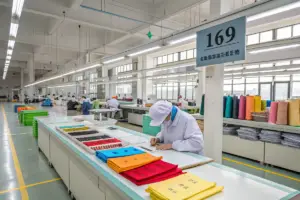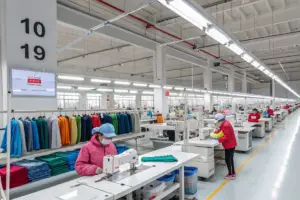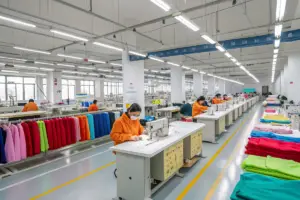
You’re ready to scale. Your product is selling well, and now it’s time to place a large bulk order. But then the nightmare begins—your second shipment’s fabric feels different, stretches less, or even fades after one wash. This is one of the most common disasters in garment sourcing.
Consistent fabric quality is non-negotiable in bulk production, yet many brands overlook how to lock it in before they scale up.
As a clothing manufacturer for U.S. brands, I’ve seen the root causes of fabric inconsistency firsthand. Fortunately, with the right process and partner, you can maintain quality across all your bulk garment orders.
What Pre-Production Tests Help Ensure Fabric Reliability?
Not all fabrics that look alike perform the same. That’s why fabric consistency begins with rigorous pre-production testing—not assumptions or supplier promises.
Testing fiber properties, colorfastness, GSM, and shrinkage before mass cutting is crucial to ensure fabric meets your brand’s performance standards.
How Can GSM and Shrinkage Variance Be Avoided?
Different rolls of fabric, even from the same mill, may have slight variations. A difference of ±10 GSM can alter how a shirt feels or fits. We use tools like GSM cutters and shrinkage markers to test at least 1 meter per roll before approval. Factories that don’t offer this step may cause problems later.
Labs like Intertek or SGS offer third-party verification to ensure consistency across batches.
What Fabric Test Reports Should You Ask For?
Before approving bulk orders, always request:
- Colorfastness reports (washing, rubbing, light)
- Dimensional stability data
- GSM tolerance sheets
- Yarn/fiber composition results
If your supplier resists, that’s a red flag. At Fumao, we include these tests as part of every large order contract.
How Do Fabric Lot Approvals Prevent Color Variation?
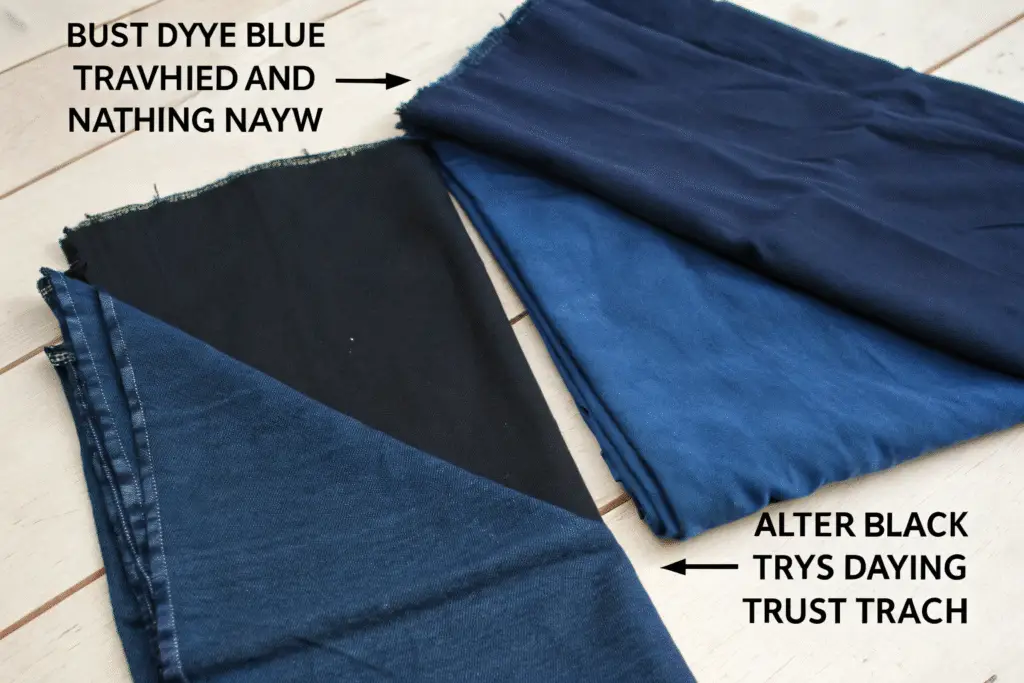
Color inconsistency is one of the fastest ways to lose brand trust. A different dye lot can turn navy into near-black—ruining your batch.
Lot approvals help ensure color uniformity before full production begins. Skipping this can create major headaches and costly reworks.
Why Is Lightbox Testing Essential for Color Matching?
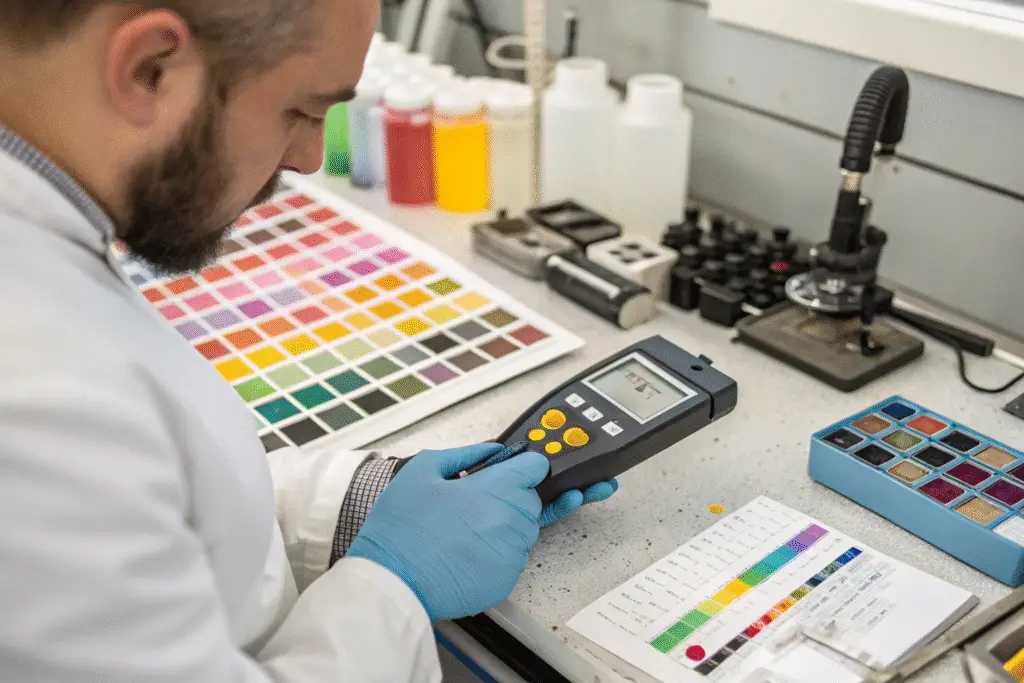
Fabric color changes under different lighting—called metamerism—is a real issue. In our factory, we use standardized lightboxes (D65, TL84, UV) to view lab dips and bulk rolls before approving them. Without this, your product might look blue in daylight and purple indoors.
Tools like VeriVide color assessment cabinets allow for consistent approvals across global teams.
How Can You Standardize Color Across Orders?
We ask our clients to approve a lab dip swatch first. That becomes the master standard. Then, before bulk cutting, we compare every lot against this swatch using both visual and spectrophotometer checks. This eliminates surprises in final production. Lot approval procedures are especially critical for dark tones and custom Pantone shades.
What Role Do Fabric Mills Play in Consistency?
The factory cutting your garments is not always the one weaving your fabric. That’s why the mill’s process matters more than you think.
Mills with poor inventory management, dyeing procedures, or tension controls often produce rolls that vary in texture, stretch, or finish—even in the same shipment.
Why Should You Know the Fabric Mill’s Background?
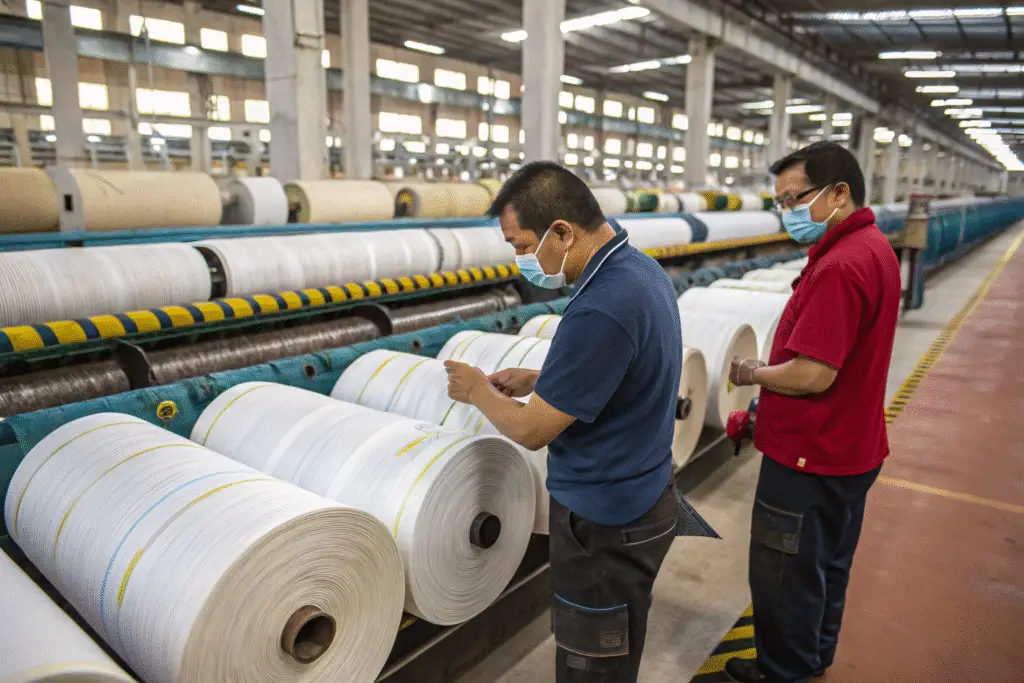
If your supplier outsources fabric blindly, there’s no accountability. We always disclose our upstream fabric partners and encourage mill audits. Some mills specialize in consistent outputs through modern machines and ERP-controlled inventory systems. Others rely on manual settings that vary with each worker.
You can check the mill’s reputation on platforms like Fibre2Fashion or Textile Exchange.
How Can You Get the Same Fabric Every Time?
We use mill codes and internal barcodes that tie each order to a specific blend, finish, and dye setting. Repeat orders are always matched back to the original lot specs. Clients can even store reference rolls in our warehouse to use as baselines.
How Can On-Site Fabric Inspections Reduce Risks?
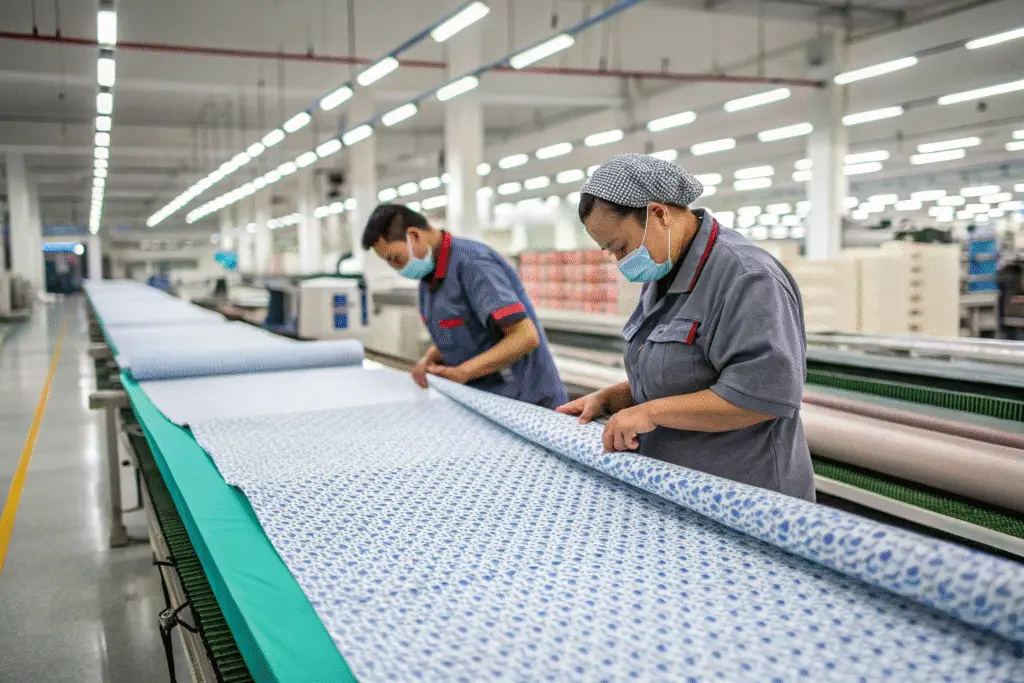
The last chance to catch defects before production is when fabric arrives at the factory. Missing this step invites inconsistency.
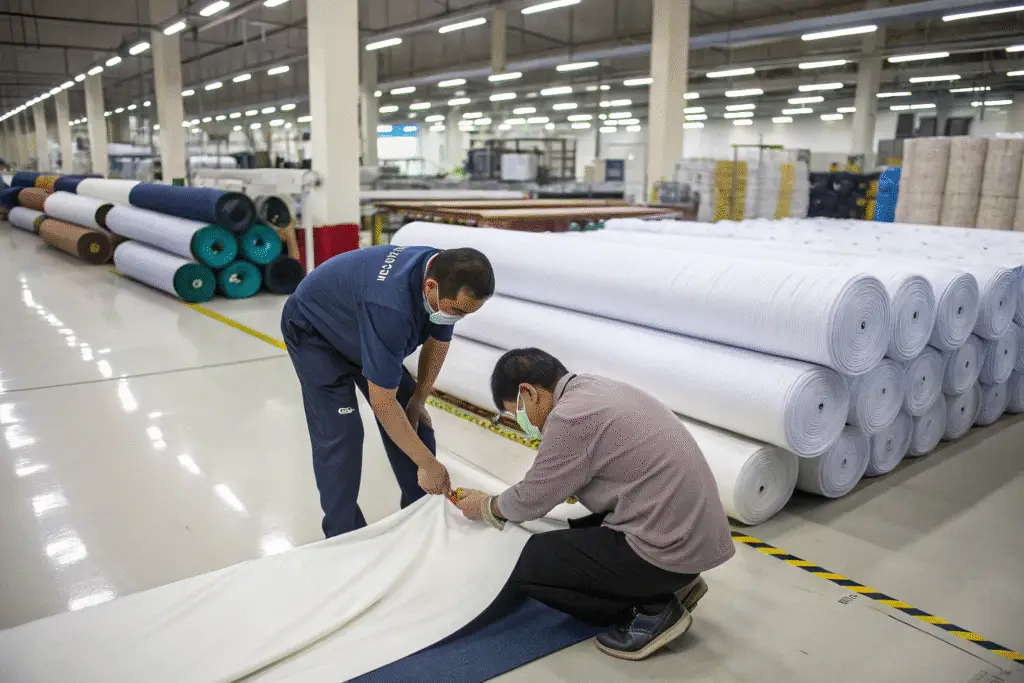
On-site fabric inspections identify flaws before garments are cut. This reduces rework, waste, and chargebacks.
What Is the 4-Point System for Fabric Inspection?
This is the most widely used global standard for checking defects. It assigns penalty points per yard based on issues like holes, stains, or warp lines. We inspect 10% of each lot, log every fault, and classify fabric as pass/fail based on total points.
You can learn more at ASTM International or download guides from SGS Fabric Inspection.
Should Clients Be Involved in Fabric Checks?
Yes. We offer real-time video calls during inspection or photo documentation of each defect type. Buyers can request specific tolerances (e.g., no stains larger than 3mm). When your QC team can’t be on-site, our bilingual QA staff acts on your behalf—with traceable checklists and approval signoffs.
Conclusion
Fabric consistency is the backbone of your garment quality. It impacts how customers feel, how retailers review your brand, and whether you get repeat orders. By investing in fabric testing, lot approvals, transparent mill sourcing, and on-site inspections, you ensure your garments feel the same from sample to bulk.
At Fumao Clothing, we treat fabric like the foundation it is. Our clients trust us to protect their brand reputation—not just their PO. Let’s build that trust together, one bolt of perfect fabric at a time.