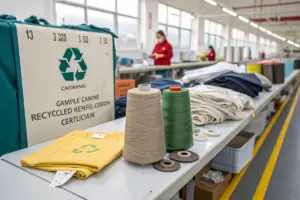
Importing clothing from China has always been cost-effective—but in 2025, tariffs have become a critical factor in your sourcing decision. Whether you’re importing T-shirts into California or coats into Berlin, understanding the current tariff structure helps you accurately price your goods and protect your margins.
As of 2025, the USA imposes tariffs between 10%–32% on clothing imports from China, with some categories affected by additional Section 301 duties. The EU applies an average of 12% for apparel products, but HS code-specific rules and trade safeguards apply.
As a garment factory owner in China, I work with U.S. and European buyers every day. In this article, I’ll break down the most common clothing categories and their current tariff rates so you can stay informed, compliant, and competitive.
What Are the Tariff Rates for Common Apparel Categories to the USA?
Clothing entering the United States from China is subject to several layers of import tax. First, there’s the base duty based on the Harmonized Tariff Schedule (HTS). Then, Section 301 tariffs may apply due to the ongoing U.S.-China trade tensions.
U.S. importers face total tariffs between 16.5% and 32% for many apparel items from China, with potential extra duties under special enforcement categories.

What Are the 2025 Tariff Rates by Category?
Here are examples based on HTS codes and our recent shipments:
| Product Type | HTS Code (U.S.) | Base Duty | Section 301 Tariff | Total Tariff |
|---|---|---|---|---|
| Cotton T-shirt | 6109.10 | 16.5% | 7.5% | 24.0% |
| Polyester Hoodie | 6110.30 | 32.0% | 0% | 32.0% |
| Woven Blouses | 6206.30 | 15.4% | 7.5% | 22.9% |
| Men’s Trousers (Cotton) | 6203.42 | 16.6% | 0% | 16.6% |
We use professional classification tools and customs brokers to confirm rates during each order cycle.
Are There Any Tariff Exemptions?
Yes. Certain categories are temporarily excluded or eligible under specific conditions (e.g., unisex PPE apparel during pandemic times). However, these exclusions change rapidly and must be checked via the USTR exclusion list.
In 2025, many exclusions from previous years have expired, so most apparel is again fully taxable.
How Do Tariffs on Clothing Differ in the European Union?
Europe uses the TARIC (Integrated Tariff of the European Communities) system, which is centralized across all member states. The EU doesn’t apply Section 301-style penalties, but base duties are still significant.
Most Chinese clothing imported into the EU in 2025 is subject to 12% duty plus 20% VAT (varies by country). For knitwear, woven goods, and accessories, exact codes determine rate.

What Are EU Duty Rates by Category?
Below are current rates from the TARIC system:
| Product Type | TARIC Code | EU Duty | Notes |
|---|---|---|---|
| Cotton T-shirts | 6109 10 00 | 12.0% | +20% VAT applies in most member states |
| Women’s Blouses | 6206 40 00 | 12.0% | Can vary slightly by fabric content |
| Synthetic Jackets | 6202 93 00 | 12.0% | No safeguards currently |
| Children’s Garments | 6209 20 00 | 12.0% | Toys with textile fabric have separate codes |
Each EU country charges its own VAT upon arrival, ranging from 17% (Luxembourg) to 27% (Hungary), so final landed cost must include this.
Are There Anti-Dumping or Safeguard Duties in the EU?
Currently, no broad safeguard duties are applied to Chinese clothing imports. However, in the past, the EU has enacted temporary measures on textile categories like socks or bed linen.
For example, in 2005–2007, EU imposed temporary anti-surge safeguards on Chinese garments. Watch for seasonal spikes triggering similar measures.
What Documents Are Needed to Declare Tariffs Correctly?
Accurate classification and documentation are vital for clearing customs and determining proper tariff application. Incorrect HS codes or missing forms can result in costly delays or penalties.
To declare tariffs properly, you need precise paperwork and harmonized HS or TARIC codes, issued by trained staff or verified agents.

What Documents Are Typically Required?
For both U.S. and EU imports, you must prepare:
- Commercial invoice with breakdown of goods
- Packing list detailing quantities and sizes
- Bill of lading (sea) or airway bill (air)
- Certificate of origin (especially important for Free Trade Agreements or textile quotas)
- HS or TARIC codes per item
- Import license (EU only for quota categories)
We support clients with all these forms and include pre-printed HS codes per garment style on invoices to speed up clearance.
How to Ensure Compliance?
- Work with a licensed U.S. customs broker or EU authorized economic operator (AEO)
- Use digital systems to pre-fill declarations (e.g., Flexport, Freightos)
- Verify origin through traceable supply chains to avoid false declaration penalties
Mistakes in paperwork often lead to “customs holds” which delay delivery by days or weeks, so double-checking codes and values is essential.
How Can You Reduce Tariff Burdens?
Tariffs are rarely avoidable—but smart buyers know how to reduce their impact. This requires planning ahead with your supplier, choosing the right materials, and structuring delivery terms strategically.
To reduce tariff exposure, consider shifting to DDP terms, sourcing blended fabrics, using bonded warehouses, or diversifying country of origin.

What Strategies Work for Tariff Reduction?
- Use blended fabrics: E.g., garments with <50% synthetic may qualify for lower HS code
- Switch to suppliers in Vietnam or Bangladesh: These countries have lower or zero duty under GSP or FTA
- Negotiate DDP terms: Let supplier include customs and tariff costs upfront
- Utilize bonded warehouses: Delay duty payment until goods are released for sale
One of our clients transitioned part of their knitwear line to Vietnam origin to save 18% in landed cost compared to Chinese origin—while still using our factory for prototyping and design.
Are Tariffs Likely to Change in 2025?
Yes. The U.S. is reviewing a new round of Section 301 tariffs, potentially increasing apparel duties by 5–10%. Meanwhile, the EU is considering stricter carbon border taxes (CBAM) that may affect textile imports.
Follow government updates at USTR and EU Taxation and Customs Union to stay ahead.
Conclusion
Understanding the current tariffs on clothing imports from China is no longer optional—it’s a must-have for sustainable sourcing. Whether you’re shipping to the U.S. or Europe, each percentage point matters.
We help our clients navigate tariff classification, documentation, and strategic planning so they can focus on design and growth—not customs headaches.
Need help understanding your landed cost or tariff exposure? Let’s analyze your styles together and protect your margins.