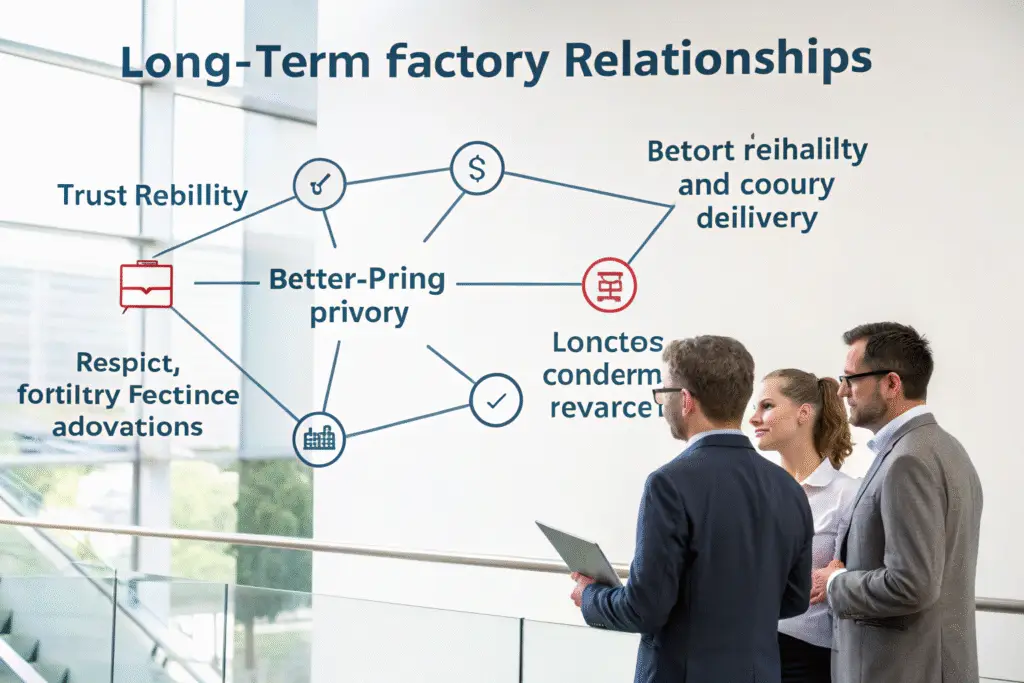
Working with Chinese clothing manufacturers can unlock incredible value: lower production costs, scalable capacity, and technical garment expertise. But if you treat it as a one-time transaction, you’re leaving money—and opportunity—on the table. Long-term relationships reduce risk, improve consistency, and build trust that pays off over years.
To build long-term relationships with Chinese clothing manufacturers, focus on consistent communication, mutual growth, payment reliability, cultural respect, and production transparency. Relationships—not just contracts—are what keep supply chains resilient.
As a clothing manufacturer in China, I’ve worked with U.S. brands who’ve grown from their first 500-piece run into full-season, multi-line partnerships. This article breaks down exactly how those buyers became our VIP clients—and how you can do the same with your supplier.
Why Is Relationship-Building So Critical in Chinese Manufacturing?
In China, business is personal. While Western buyers may prioritize transactional efficiency, Chinese factories value trust and loyalty. The difference shows when timelines are tight or errors occur.
Long-term partnerships result in better pricing, faster production slotting, stronger quality control, and proactive service from manufacturers.
What Are the Real Benefits of Staying Loyal to a Factory?
Here’s what we offer long-term partners:
| Benefit | Description |
|---|---|
| Faster lead times | Priority in production scheduling |
| Custom pricing tiers | Volume-based and commitment-based discounts |
| Prototype flexibility | Faster and cheaper sample development |
| Early access to fabrics | Reserved stock or pre-booked dyeing slots |
| Transparent troubleshooting | Issues resolved without blame or re-negotiation |
Buyers who’ve built long-term relationships with us receive private previews of new fabric trends and early factory capacity updates. These things are never promised in the first order—but earned through trust.
What Happens When Relationships Are Transactional?
When buyers switch suppliers every season, factories deprioritize them. You may face longer wait times, higher prices, and minimal service. Worse, you’ll have to repeat onboarding and sampling processes again and again.
One of our newer clients told us that switching factories to save 5% per unit cost him a full month in lost sales due to re-sampling and communication errors.
How Can You Communicate More Effectively with Chinese Factories?
Communication is the foundation of every successful relationship—but it's especially important when bridging language and cultural gaps. Misunderstandings cause costly delays or quality issues.
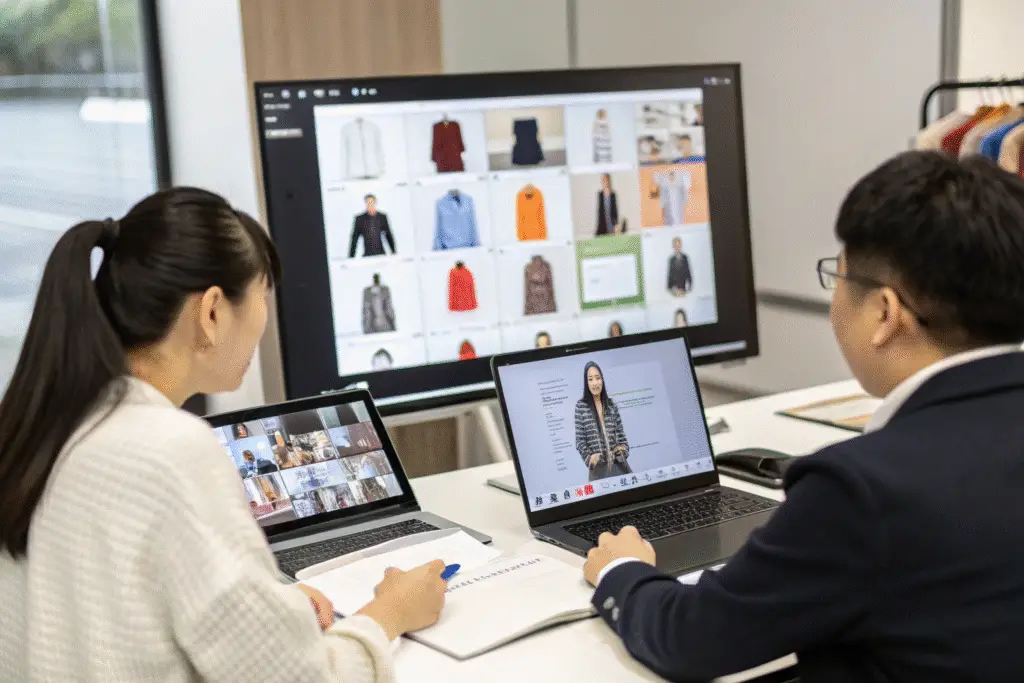
Clear, consistent communication builds trust and eliminates ambiguity. That means using visuals, standard formats, and bilingual tools.
What Are Best Practices for Daily Communication?
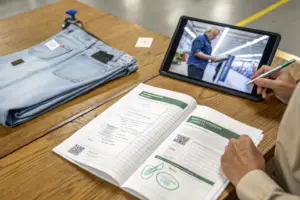
- Use tech packs with clear measurements, materials, Pantone codes, and trims
- Set up a shared Notion or Google Drive folder for POs, samples, and QC reports
- Hold biweekly Zoom calls to review production updates or sample corrections
- Confirm key info in both English and Chinese using a translation app like DeepL
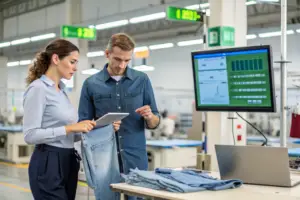
We also assign each of our clients a bilingual account manager—someone who knows the production floor and can act as a real bridge between brand and factory.
What Should You Avoid in Communication?
- Avoid last-minute changes with no buffer time
- Don’t assume that “yes” means agreement—ask for visual confirmations
- Avoid informal messages for major PO or tech pack revisions
Structured, respectful communication is one of the fastest ways to become a preferred buyer in any factory.
How Can Payment Behavior Build or Break a Relationship?
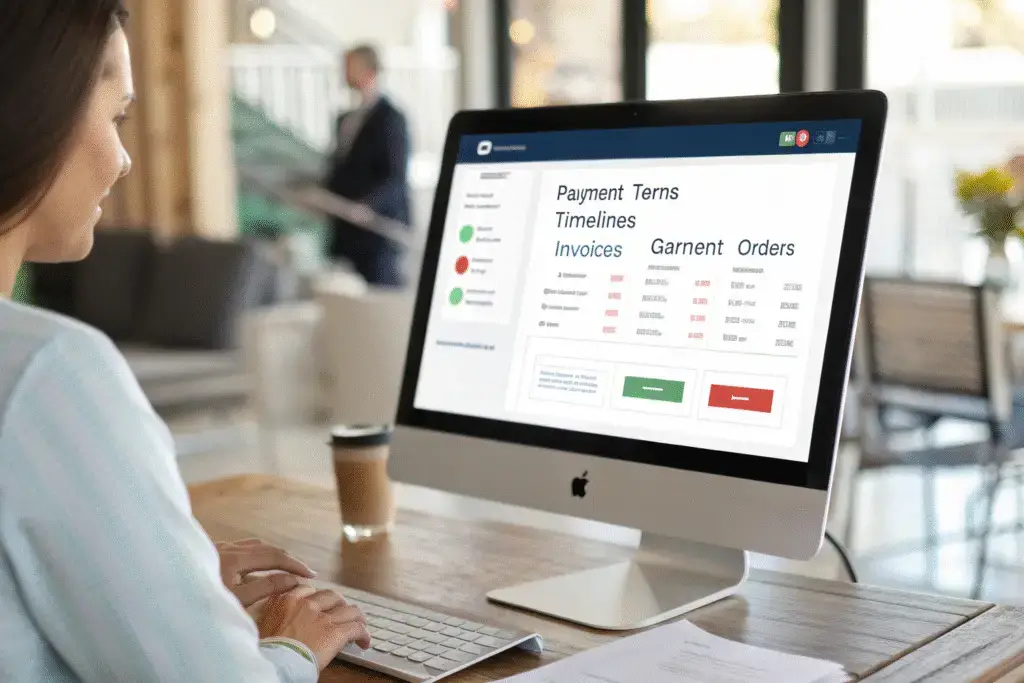
In the clothing industry, payment habits speak louder than words. Factories prioritize clients who pay on time, honor agreed terms, and don’t renegotiate after production has begun.
Reliable payment terms lead to faster lead times, better pricing tiers, and pre-booked production slots. Late payers face lower priority.
What Payment Models Do Factories Prefer?
Most Chinese factories offer:
| Payment Term | Structure |
|---|---|
| 30/70 T/T | 30% upfront, 70% after inspection |
| 50/50 for new clients | Used for first-time trust build |
| L/C for large orders | Bank-backed Letter of Credit |
Once we build trust, we may extend credit to repeat clients. Some long-term buyers even move to 20/80 terms with rolling POs.
How to Use Payment as a Trust-Building Tool?
- Never delay final payments beyond agreed timelines
- Include invoice reference numbers and shipment info in transfers
- Build a long-term contract that includes bonus incentives for on-time payments
One client added a 3% early-payment bonus to their seasonal PO. In return, we prioritized their urgent reorders and added sampling free of charge.
How Do You Show Respect for Culture and Partnership?
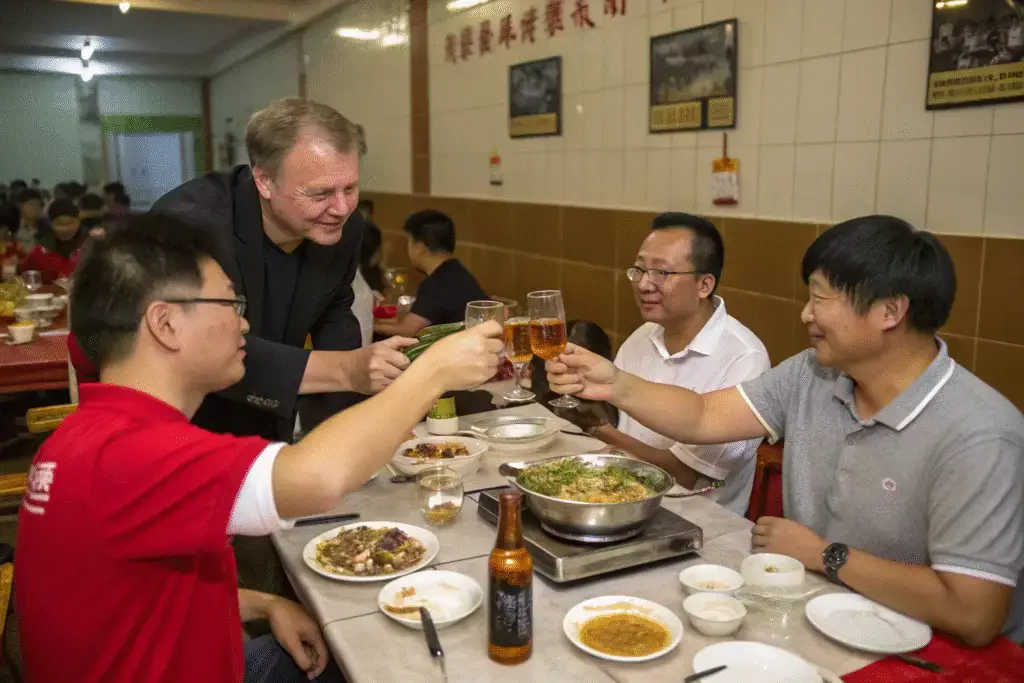
In China, relationships are built not just in offices but around dinner tables. Respect for people, culture, and collaboration creates mutual loyalty that no written contract can fully enforce.
Understanding Chinese business culture—like the importance of face (mianzi), gifts, and harmony—strengthens partnerships beyond pricing.
What Are Simple Ways to Build Cultural Respect?
- Acknowledge key holidays like Chinese New Year or Mid-Autumn Festival with gifts or messages
- Visit the factory if possible—factories value face-to-face more than email chains
- Be patient during periods of internal review or production scaling
- Avoid aggressive negotiation tactics that cause embarrassment
One buyer sent a personal holiday gift box with a handwritten card to our production team after a tough year. That gesture secured them 48-hour sample turnarounds for their new season.
What Cultural Missteps Should You Avoid?
- Public criticism in group chats (causes loss of face)
- Skipping greetings and pleasantries in email or WeChat
- Unrealistic demands during peak seasons
- Comparing factories harshly to competitors
Respect isn’t about flattery—it’s about treating people as long-term partners, not transactional vendors.
Conclusion
The best clothing brands don’t just “order” from China—they build alliances. A long-term relationship with your factory means faster launches, better quality, real transparency, and sustainable growth.
If you’re ready to move past trial orders and into true partnership, we’re here to help. At Fumao Clothing, we don’t just make garments—we invest in your vision, one season at a time.