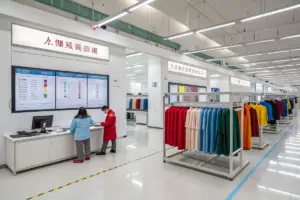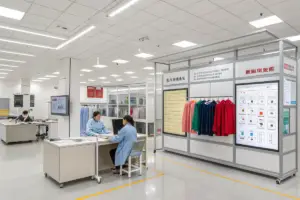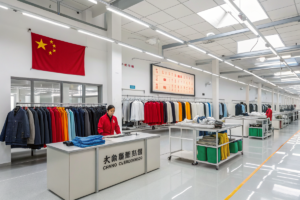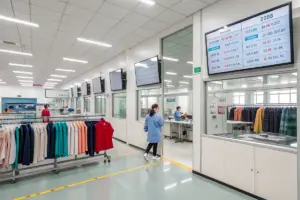
If you’re running a boutique brand, launching a startup label, or testing a new design concept, finding factories that support small batch production is a game-changer. But most traditional garment factories in China and elsewhere prioritize high-MOQ (Minimum Order Quantity) clients—often ignoring or rejecting smaller players.
To find factories that offer small batch custom clothing production, explore niche B2B platforms, visit regional trade shows, work with sourcing agents, and evaluate flexible manufacturers focused on emerging brands.
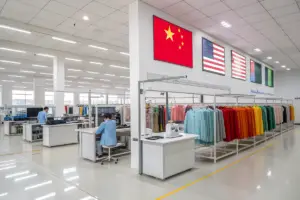
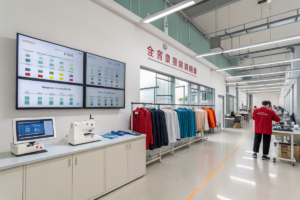
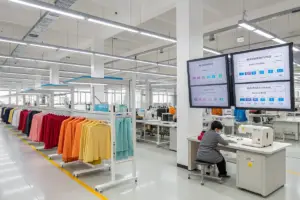
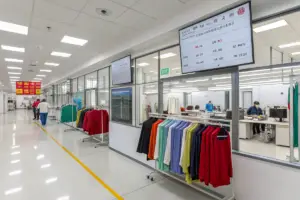
As the owner of a factory with five production lines in China, I’ve worked with large retailers and ambitious startup brands alike. In this article, I’ll show you where to find the right partners for small-scale manufacturing, what to ask for, and how to structure your production to get the best quality at realistic volumes.
Where Can You Search for Small Batch Clothing Manufacturers?
The first step is knowing where to look. Standard sourcing directories are flooded with high-MOQ suppliers, but several platforms now cater specifically to small brands and small batch production.
Look beyond Alibaba. Niche directories, startup-friendly platforms, and fashion-specific trade sites offer better leads for small batch factories.
What Are the Best Online Platforms for Small MOQ Factories?
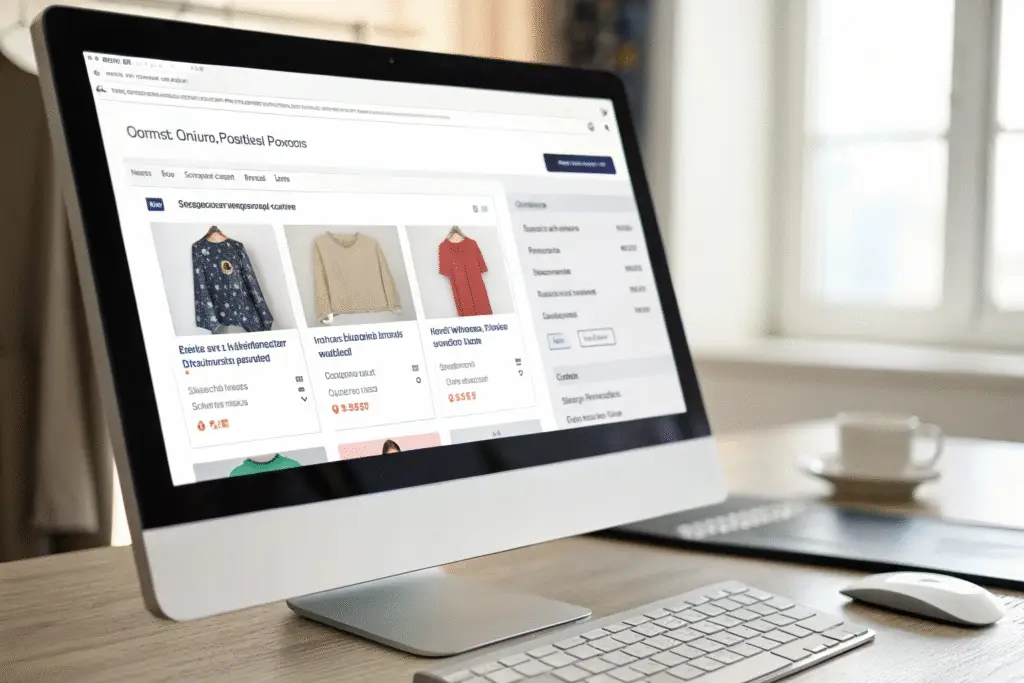
Here are top websites tailored to your needs:
| Platform | MOQ Flexibility | Focus |
|---|---|---|
| Maker’s Row | 50–100 pcs | U.S.-based small batch factories |
| Sqetch | 100 pcs | European factories for fashion brands |
| Foursource | Varies | Global verified clothing suppliers |
| Alibaba with filters | Customizable | Use “Low MOQ” & “Trade Assurance” filters |
We’ve had clients discover us via Foursource and then transition into long-term partnerships. These platforms often allow you to browse factories by category (activewear, dresses, kidswear), then filter based on MOQ or country.
Should You Consider Domestic vs Overseas?
Domestic production offers faster turnaround and easier communication, but at higher prices. If your goal is to scale profitably, starting with a low-MOQ Chinese or Vietnamese partner allows you to test the market affordably.
Use both routes if you can: domestic for prototyping and urgent reorders; overseas for scalable cost-effective batches.
What Questions Should You Ask a Factory Before Starting Small?
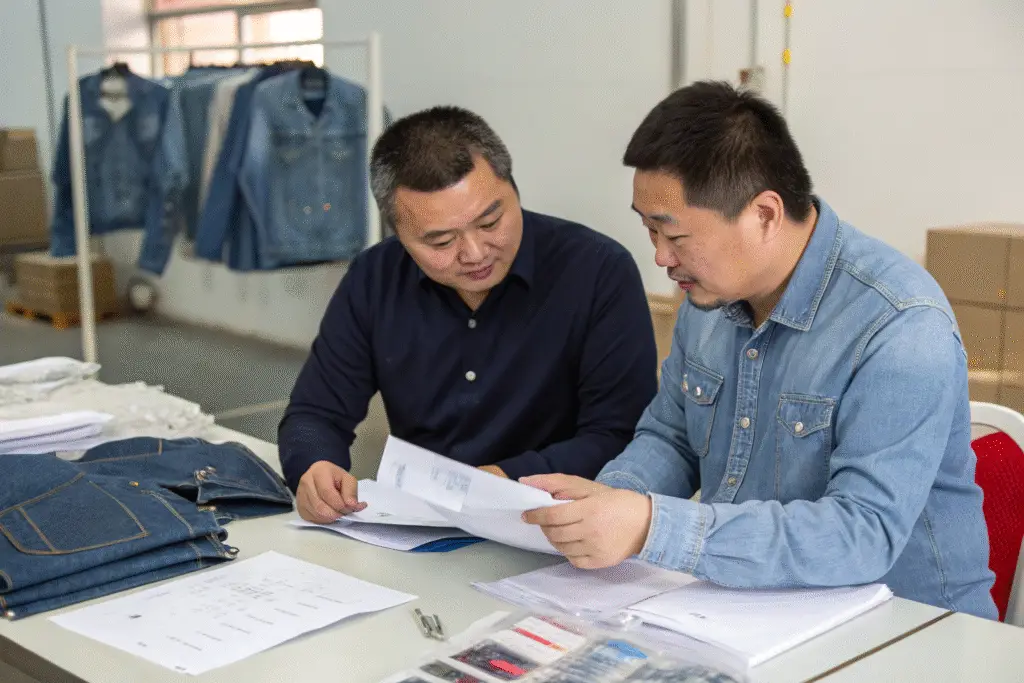
Not all factories that claim to accept small orders actually support customization or quality. Vetting is essential. Asking the right questions early prevents disappointment later.
Always clarify MOQ per style, customization limits, sample charges, and lead times before committing to production.
What Key Details Should You Confirm?
Ask these questions:
- What’s your MOQ per style and per size/color variation?
- Can I modify fabrics, trims, and labels at this MOQ?
- Do you support private labeling or branded packaging?
- How much is your sampling fee, and is it refundable upon bulk order?
- How many styles can I combine into one production run?
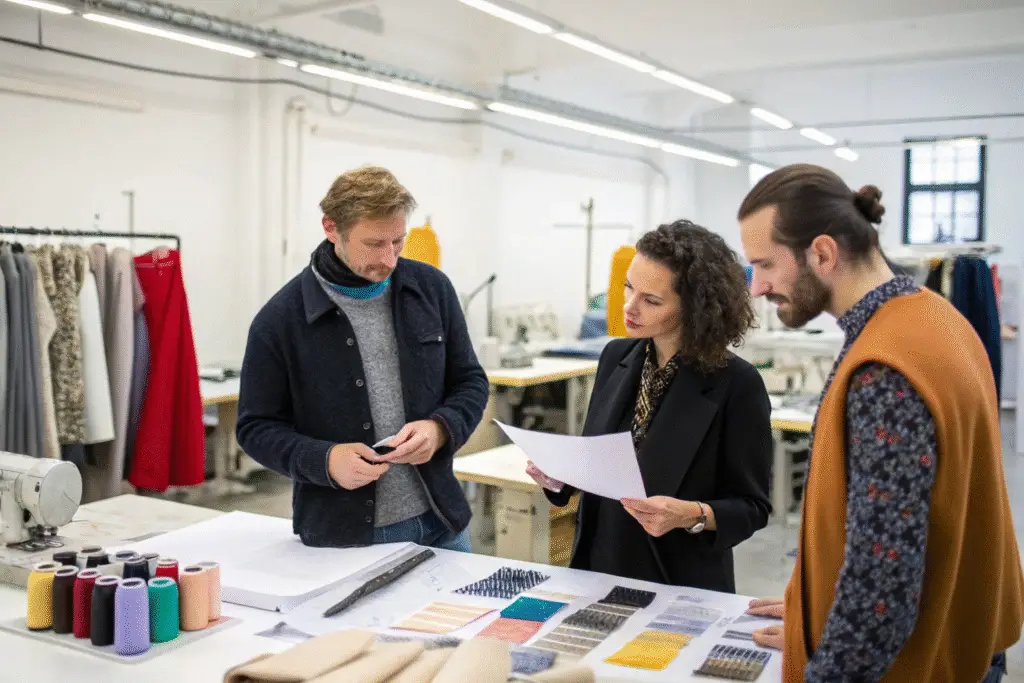
A real example: one of our startup clients wanted 5 SKUs with 100 pcs each. We structured production by grouping fabric sourcing and using shared machinery blocks, reducing their per-piece cost by 28%.
How to Read Between the Lines?
Beware of vague answers. If a factory avoids giving timelines, insists on full advance payment, or doesn’t offer revision options, it’s a red flag. Use video calls to confirm production setups and past sample work.
Also, check if they support OEM or ODM services—not all factories with small MOQ can design from scratch.
How Do You Balance Cost and Customization in Small Runs?
Low-MOQ production often comes with a price premium. Understanding where those costs come from helps you negotiate smarter—and plan margins more realistically.
Focus on smart design structuring, shared trims, and batch consolidation to reduce per-unit costs in small runs.
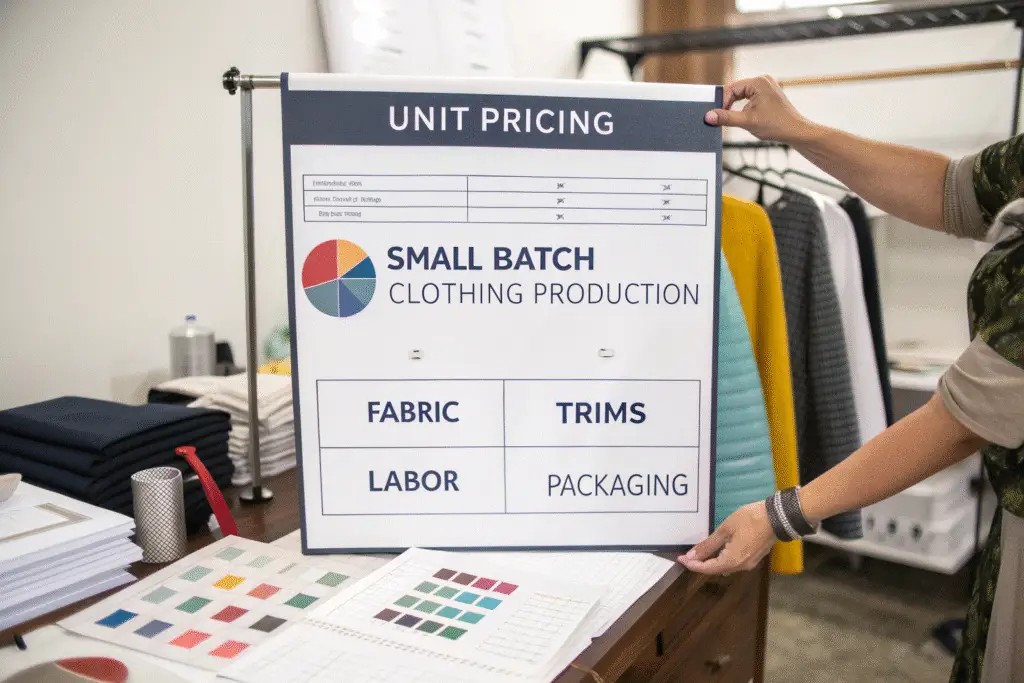
What Are the Main Cost Drivers for Small Batch Clothing?
- Fabric MOQ: mills require 100m–300m minimums per color
- Sampling labor: higher due to setup and individual handling
- Machinery setup time: same whether you’re making 100 or 10,000 pcs
- Logistics: shipping small quantities via air can double cost per unit
For example, a startup ordering 200 cotton t-shirts with custom dye will pay up to $1.50/unit more than a bulk order. However, using in-stock fabric and limiting size variations can drop that difference to $0.60/unit.
How to Optimize Cost Structure?
- Use stock fabrics from supplier inventory instead of custom-dyed batches
- Limit size/color variations per SKU
- Use shared trims (buttons, labels) across SKUs
- Bundle SKUs into one PO to meet machinery usage thresholds
Tools like Costing Sheets and our factory quoting templates help new buyers see where to adjust designs for pricing efficiency.
What Red Flags Should You Watch Out For?
Not every small-MOQ factory is reliable. Some overpromise and underdeliver, using sub-factories or outsourcing to third parties without your knowledge.
Trustworthy small batch suppliers will be upfront about limitations, provide consistent sample quality, and offer transparency on production flow.
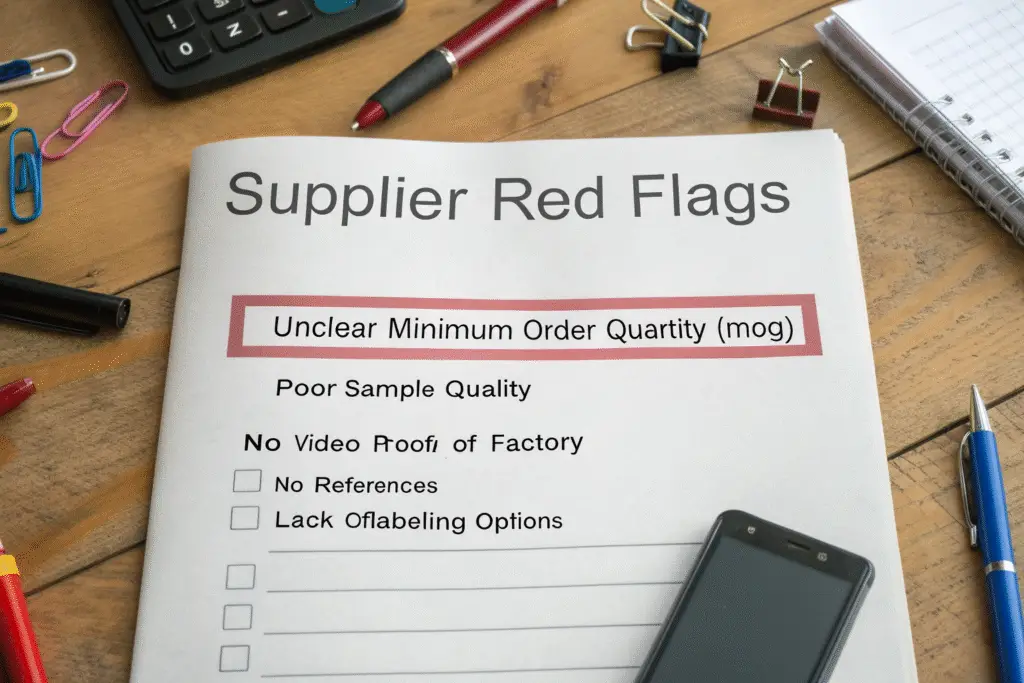
What Are the Warning Signs of a Risky Factory?
- They refuse video calls or factory photos
- Sampling quality differs drastically from final production
- Their MOQ suddenly changes after initial talks
- They cannot provide references or past client case studies
- No clear quality control process or inspection reports
We’ve taken over production from unreliable suppliers who shipped wrong sizing, used substitute fabrics, or missed delivery windows by weeks.
How Can You Vet Suppliers Effectively?
- Ask for a live video tour of the production line
- Request photos of previous orders in your category
- Use third-party inspection firms like QIMA
- Read reviews on sourcing forums or Trustpilot
- Start with a small sample order and test response times and quality
At Fumao Clothing, we offer new clients sample runs with full documentation, live video calls, and even reference contacts from past boutique clients.
Conclusion
Finding the right factory for small batch custom clothing production doesn’t have to feel impossible. The key is knowing where to look, what questions to ask, and how to balance cost with creativity.
With the right partner, even a 100-piece run can look and feel like luxury. Our team has helped dozens of startup brands launch their first collections—many of whom now scale confidently with us into larger volumes.
If you’re looking for a reliable factory that believes in growing together—one sample at a time—we’re ready to help.