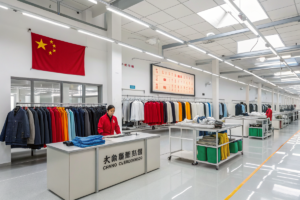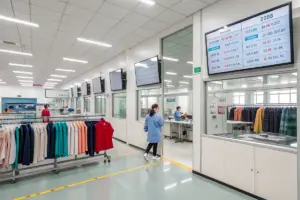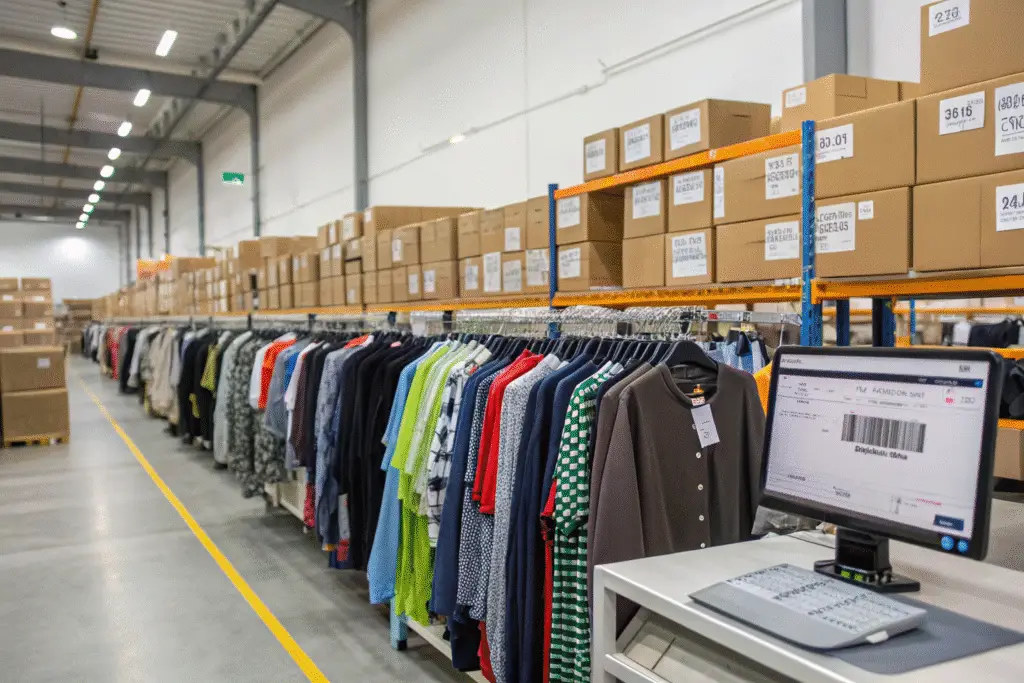
Managing inventory for imported wholesale clothing is more than just counting boxes—it’s about timing, accuracy, forecasting, and keeping your operations smooth across time zones and shipping cycles. Whether you’re an apparel distributor, a boutique retailer, or a sourcing agent, poor inventory management leads to overstock, missed sales, or even product obsolescence.
To effectively manage inventory for imported wholesale clothing, implement digital tracking systems, forecast demand using past data, establish reorder points, and synchronize your stock movements with supplier lead times and seasonal demand.
As a factory owner exporting garments to North America and Europe, I’ve seen what works—and what fails—for clients managing cross-border inventory. In this guide, I’ll break down practical, proven inventory strategies you can adopt to stay profitable and organized.
What Inventory Management Systems Should You Use?
Manual spreadsheets won’t cut it when you’re importing thousands of SKUs across categories like knitwear, woven garments, and outerwear. The complexity of sizes, colors, and styles makes digital systems necessary.
Modern inventory management systems (IMS) provide real-time stock visibility, automate reorder triggers, and reduce the risk of human error across your wholesale pipeline.
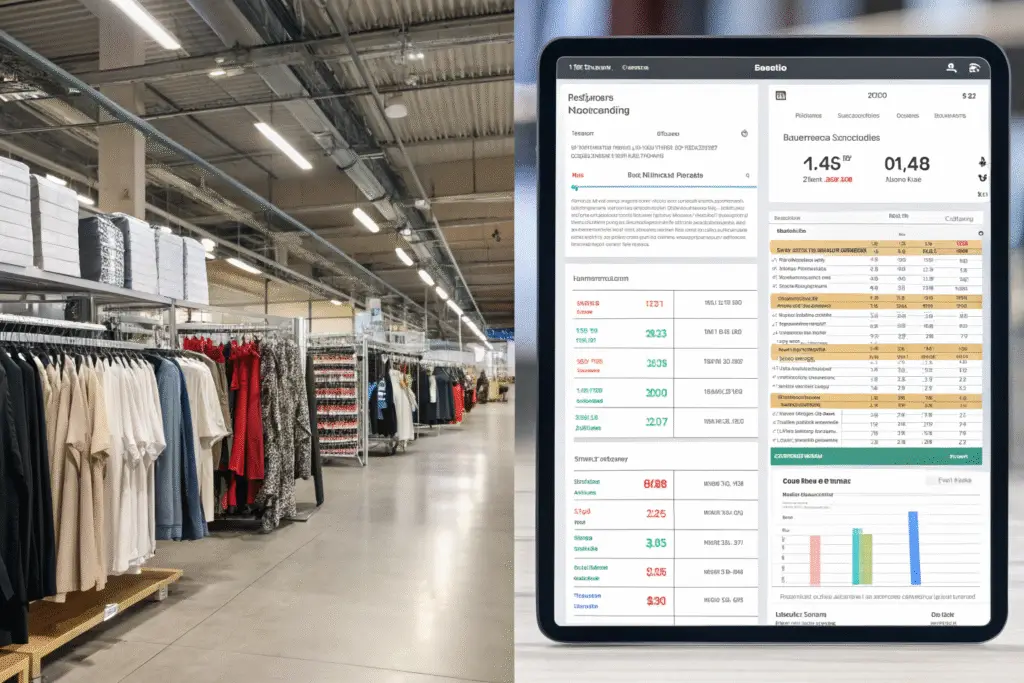
Which Inventory Software Is Best for Apparel Imports?
Here are some popular IMS tools used by our wholesale clients:
| Software | Best For | Key Feature |
|---|---|---|
| NetSuite | Mid-to-large importers | ERP integration with logistics |
| Cin7 | Apparel wholesalers with multiple SKUs | Warehouse sync and 3PL support |
| inFlow Inventory | Small-medium apparel brands | Barcode support and multi-location stock |
| Zoho Inventory | Budget-conscious startups | Seamless with ecommerce and CRM |
We often work with clients who integrate their ERP with our shipping APIs to sync real-time stock movement, reducing delays in restocking decisions.
Can Google Sheets Still Work for Small Businesses?
Yes—but with limits. Use Google Sheets for orders under 50 SKUs and no warehouse expansion. However, it should be supported with clear naming conventions, color coding, and formulas for tracking reorder points. For growing businesses, we always recommend migrating to an IMS before expanding SKUs.
How Do You Forecast Demand Accurately?
One of the biggest mistakes in apparel import is guessing demand. Overstock ties up cash and warehouse space, while understock costs you customers. A good forecast balances data, trend insights, and vendor capacity.
Forecasting demand based on data history, trend tracking, and event calendars helps you stock the right quantity of garments at the right time.

What Data Should You Use to Predict Demand?
Use this 3-layered approach:
- Historical sales – Look at last year’s Q3 vs. this year. Include style-level performance.
- Market trends – Tools like Google Trends and WGSN provide fashion search volumes.
- Promotional schedules – Account for Black Friday, back-to-school, or Chinese New Year delays.
In our case, we help U.S. clients align restock plans with factory production windows to match their Amazon or retail store needs.
Should You Use AI Forecasting Tools?
Yes, especially if you handle thousands of SKUs. Tools like Inventory Planner and Brightpearl use predictive analytics to reduce overstock risk by up to 30%. These integrate directly into Shopify, Magento, or NetSuite for real-time tracking.
For example, one of our clients halved their overstock rate by analyzing style seasonality and regional demand patterns.
What Are the Best Practices for Stock Replenishment?
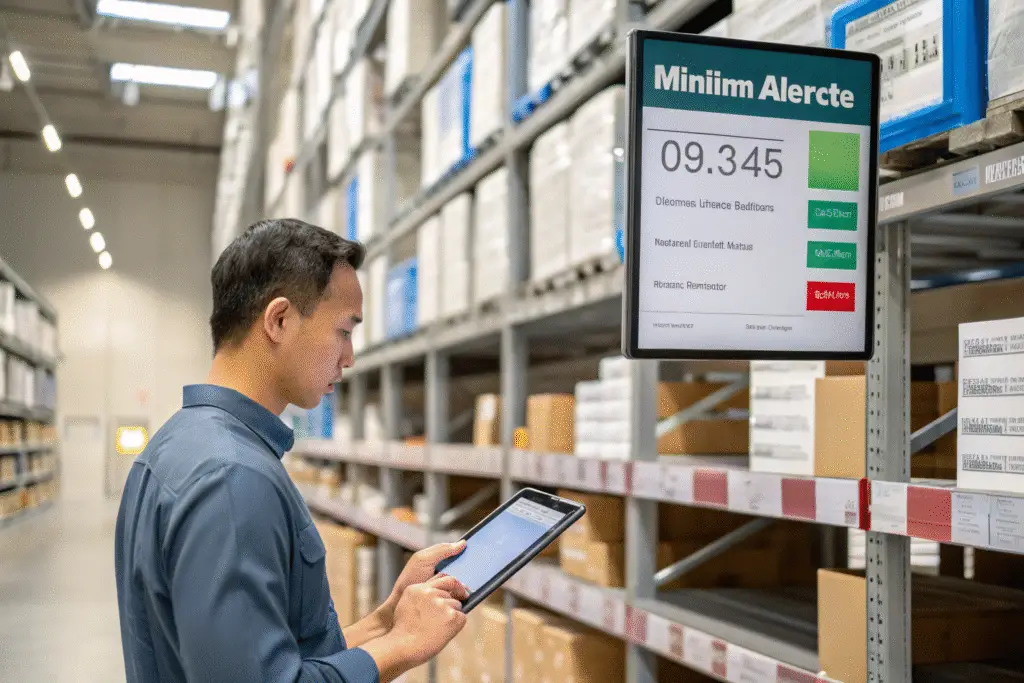
Reordering too late means lost revenue. Too early means frozen cash. That’s why a proper replenishment system based on lead time and safety stock buffers is essential.
Set reorder points (ROP) based on consumption rates, supplier lead times, and logistics delays. Monitor stock movement weekly, not monthly.
How to Calculate Reorder Points for Apparel?
Use this simple formula:
ROP = (Average Daily Usage × Lead Time in Days) + Safety Stock
Example:
- Daily sales: 50 units
- Lead time from China: 30 days
- Safety stock: 1,000 units
Then, ROP = (50 × 30) + 1,000 = 2,500 units
Once your system hits that threshold, it triggers a restock PO. We often help clients build automated Excel tools or ERP triggers based on these formulas.
How to Handle Seasonal SKU Replenishment?
Seasonal items (e.g., jackets or shorts) require prebooking. You should place initial orders 3–4 months in advance and track in-season sales to order fast-moving sizes.
Using a Just-in-Time method for seasonal goods may lead to stockouts, so apply hybrid forecasting and reserve factory slots in advance.
How Do You Prevent Overstock and Dead Inventory?
Holding too much inventory is a silent killer in fashion wholesale. Styles change, seasons flip, and you’re left with deadstock tying up valuable capital.
Prevent overstock by using SKU performance analysis, clearance triggers, and liquidation channels for slow movers.
What Tools Help You Identify Dead Stock?
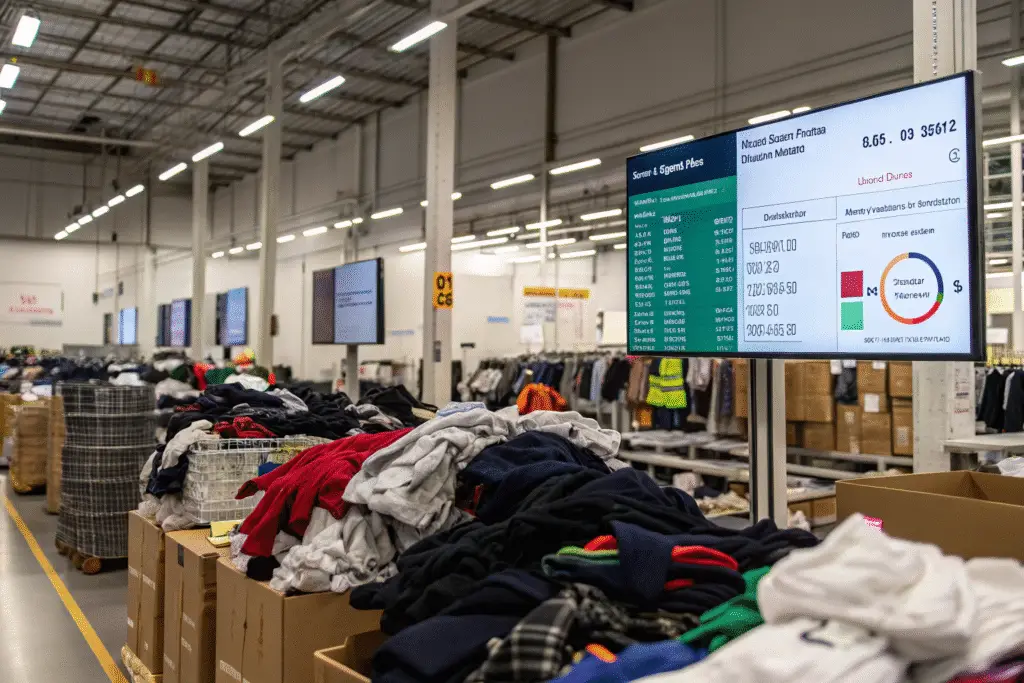
Use inventory turnover ratios and aging reports. Most IMS platforms provide these insights. Aim for a turnover rate of 4–8 per year for fast-moving apparel.
Set alerts for SKUs not sold within 90 days or below 10% sell-through. Apps like Skubana and DEAR Inventory can automate these alerts.
We also help clients classify stock into A/B/C segments—’A’ moves fast, ‘C’ is a liability—then plan promotions accordingly.
How to Liquidate Unsold Inventory?
Options include:
- B2B resale via B-Stock
- Sample sales or pop-up clearances
- Bundle low-demand items with bestsellers
- Donate for tax credits (check IRS guidelines)
Remember to document and tag slow SKUs in your system so you avoid reordering them next season.
Conclusion
Inventory management for imported wholesale clothing requires structure, insight, and agility. From choosing the right IMS and forecasting demand, to replenishment logic and avoiding deadstock—you need to keep every part of your supply chain in sync.
We’ve helped clients all over North America implement these inventory systems, from spreadsheet transitions to full ERP integrations. When you treat inventory like a dynamic asset—not just a static warehouse problem—you unlock better cash flow, faster market response, and lower risk.
Ready to upgrade your inventory game? Let’s talk and customize a workflow that fits your brand’s volume, style count, and market seasonality.