The corporate uniform has long been a symbol of professionalism and brand identity. But in 2025, it’s taking on a new role—as a vehicle for environmental responsibility. With corporate sustainability targets becoming more ambitious, biodegradable uniforms have emerged as a viable solution.
From banks to tech companies, there’s a growing interest in uniforms that not only perform well but also return to the earth without polluting it.
So, are biodegradable uniforms truly the future of corporate apparel—or just a passing greenwashing trend?
Let’s explore how innovations in fiber, brand messaging, and production are redefining the uniform space.
Why Are Companies Switching to Biodegradable Uniforms?
Modern corporations are under pressure to align their operations with Environmental, Social, and Governance (ESG) goals. Uniforms, once overlooked, are now front and center in that conversation.
What Are the Business Incentives for Biodegradable Apparel?
Switching to biodegradable uniforms helps companies:
- Meet internal carbon-neutral or circular fashion targets
- Appeal to eco-conscious clients and employees
- Reduce waste management and landfill costs
Accenture’s Sustainable Fashion Study found that 62% of employees are more loyal to brands that align with sustainability goals, including uniform sourcing.
Are Government Regulations Accelerating the Trend?
Yes. New textile policies in the EU and upcoming Extended Producer Responsibility (EPR) laws are forcing companies to rethink how uniforms are made and discarded.
Platforms like Ellen MacArthur Foundation predict that corporate wear will lead textile circularity efforts within five years.
What Fabrics Are Being Used in Biodegradable Corporate Uniforms?
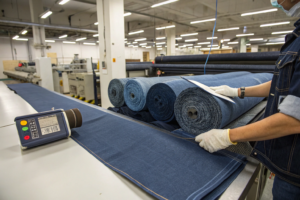
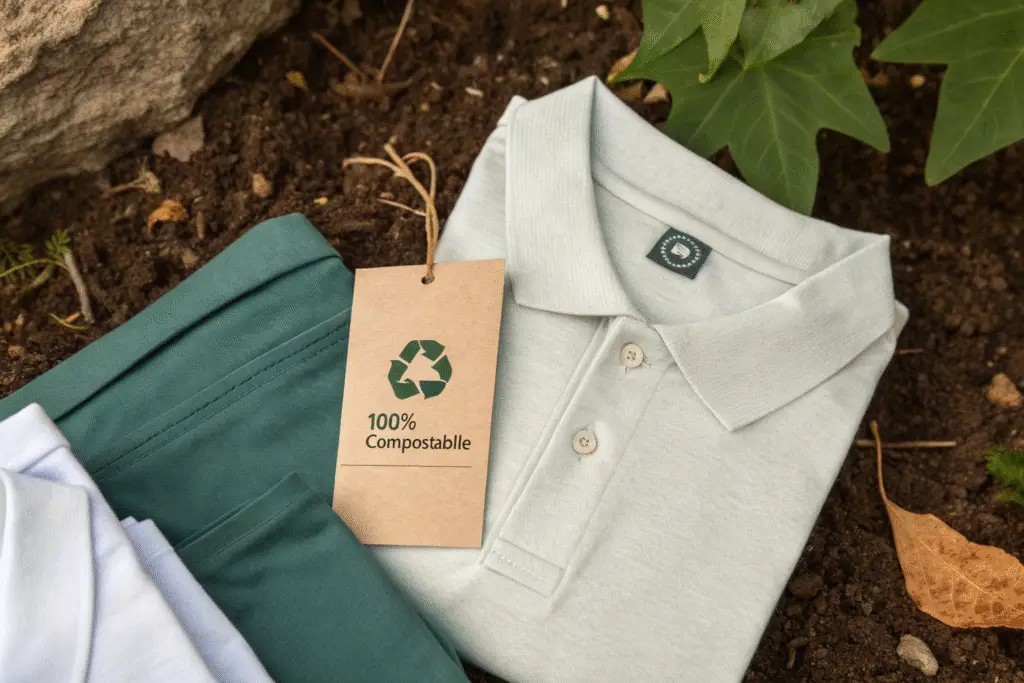
The core of any biodegradable uniform lies in its material. To be compostable, the entire garment (including stitching and labeling) must avoid synthetic content.
Which Natural Fibers Are Most Common in Uniform Development?
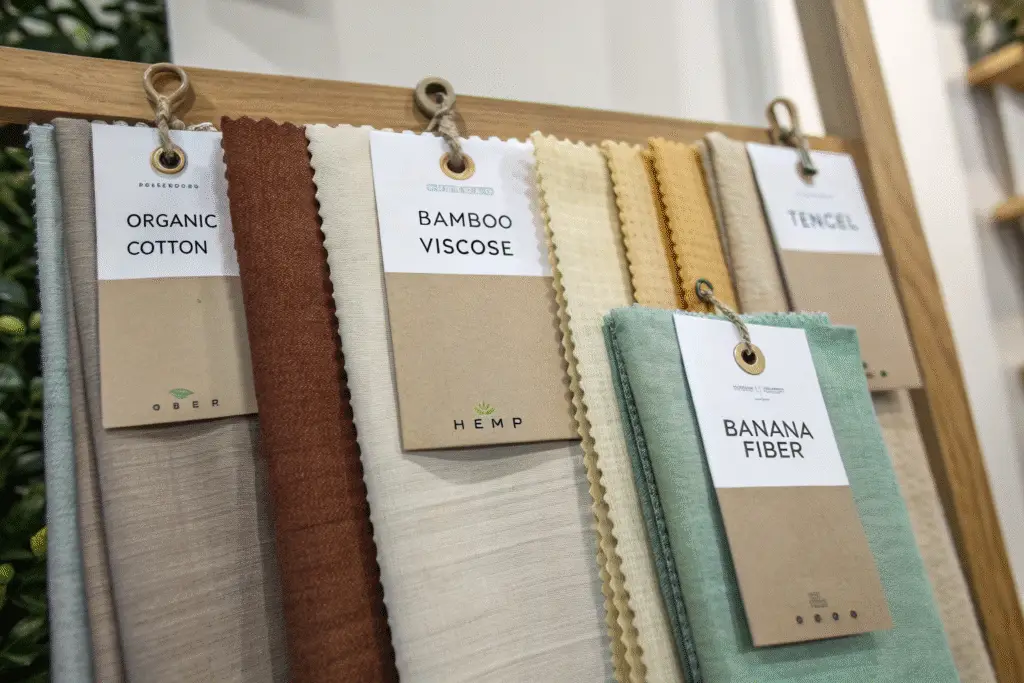
Here are top biodegradable fibers:
| Fabric | Features | Biodegradable? |
|---|---|---|
| Organic Cotton | Breathable, cost-effective | ✅ |
| Bamboo Viscose | Soft, odor-resistant | ✅ |
| Hemp | Durable, UV-protective | ✅ |
| Tencel (Lyocell) | Moisture-wicking, silky feel | ✅ |
| Banana Fiber | Strong, exotic texture | ✅ |
Explore real-time sourcing data from Texfads and Fiber2Fashion to spot which of these are scaling fastest in B2B orders.
How Are Buttons, Thread, and Zippers Being Replaced?
Details matter. Biodegradable uniforms are now incorporating:
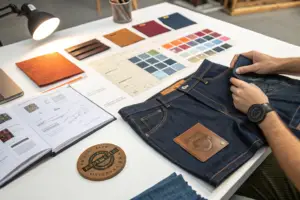
- Corozo (tagua nut) buttons instead of plastic
- Tencel or organic cotton threads
- Coconut shell trims and recyclable snaps
You can review case studies from Bolt Threads or Spinnova to see how materials are evolving holistically.
Which Corporate Sectors Are Leading the Shift?
The transition to biodegradable uniforms isn’t limited to eco-startups. Mainstream sectors are now embedding it into procurement.

Who Is Already Using These Uniforms?
Notable adopters include:
- IKEA (retail uniforms made from sustainable cotton)
- Delta Airlines (testing new eco-material blends)
- Accor Hotels (introducing hemp and bamboo concierge wear)
Their motive isn’t only green PR—it’s also employee satisfaction and long-term cost-saving.
Reports by Business of Fashion suggest uniforms contribute to 15-20% of hospitality waste, making circular alternatives highly attractive.
Are SMEs Getting Involved Too?
Yes, especially via DTC and flexible MOQ suppliers in China and India. With platforms like Alibaba and Made-in-China now featuring “biodegradable workwear” categories, minimum order barriers are dropping.
This levels the playing field for small businesses who want brand-consistent, eco-friendly uniforms without overspending.
How Can You Integrate Biodegradable Uniforms Into Your Supply Chain?
If you're sourcing uniforms and want to go biodegradable, start with clarity.
What Steps Should Apparel Buyers Take First?
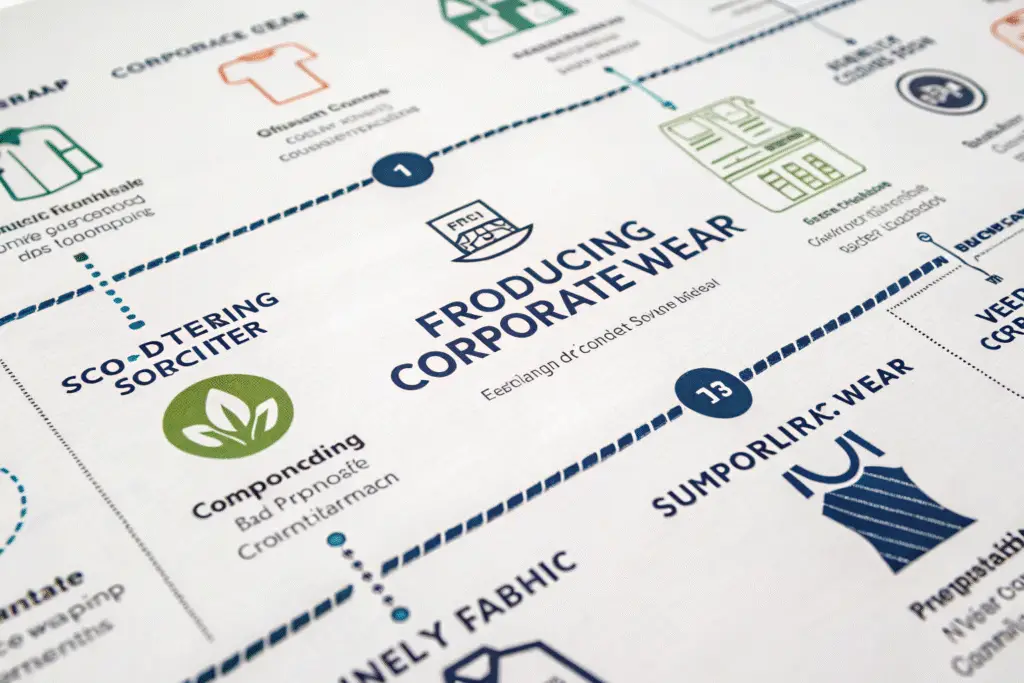
- Audit your current uniform program—how much synthetic fiber are you using?
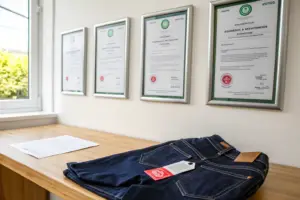
- Work with certified suppliers offering biodegradable textiles (BSCI, GOTS, OEKO-TEX)
- Choose neutral tones and minimalist styles to extend product lifecycle
- Ensure all parts (threads, labels, trims) meet compostable criteria
- Use digital product passports (QR codes) to track life cycle and disposal
Partners like Green Story offer carbon and impact calculators, helping quantify your uniform program’s environmental gain.
What Role Do Chinese Factories Play in Scaling This?
At Fumao Clothing, we’re already integrating:
- Low-impact dyeing methods
- Stitching threads made from Tencel
- Natural finishing and biodegradable packaging
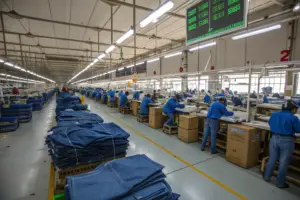
We offer small-batch sampling and DDP shipping for eco-uniform programs targeting the U.S. market. With dedicated patternmakers and ESG compliance managers, we make ethical production frictionless for corporate buyers.
Conclusion
Biodegradable uniforms are not a fleeting trend—they are a scalable, sustainable reality.
As corporate apparel repositions itself in the sustainability conversation, biodegradable options offer a credible, circular, and brand-aligned solution. From retail to hospitality, adopting compostable workwear not only helps the planet—it strengthens loyalty among eco-aware employees and customers.
In a world where appearance and impact go hand-in-hand, biodegradable uniforms are the next smart investment.