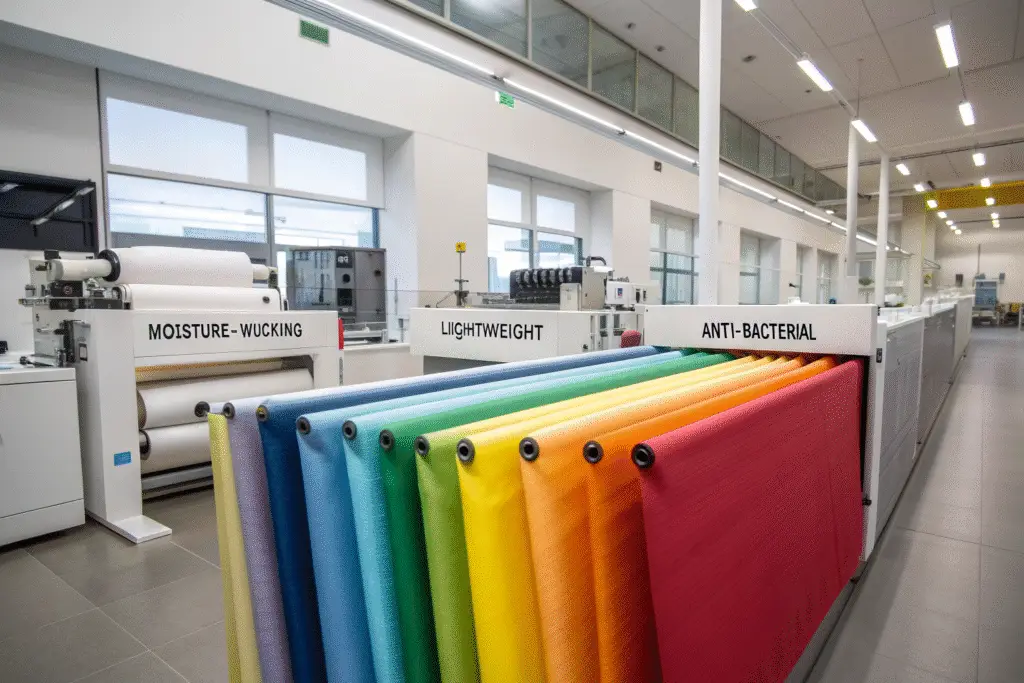
The textile industry is undergoing a rapid shift. In just the last 12 months, global searches for quick-dry fabrics have surged by 46%, according to keyword trend analytics across Google, Alibaba, and B2B sourcing platforms.
This sudden rise isn’t just seasonal. It reflects deeper consumer and supply chain changes—ranging from sustainability preferences to shifts in fitness culture, logistics planning, and even return rate reduction strategies.
So why is everyone—from Amazon DTC brands to large-scale sportswear wholesalers—sourcing quick-dry fabrics more than ever before?
Let’s dive into the forces fueling this growth and how your apparel business can benefit.
Why Are Performance Fabrics Now a Mass-Market Priority?
The definition of “performance” apparel has changed. What was once niche—used by runners, athletes, and outdoor adventurers—is now fully mainstream.

What Is Driving the Everyday Demand for Quick-Dry Features?
Today's consumers want apparel that:
- Dries quickly after a workout or rain
- Resists odor and stays fresh throughout the day
- Feels light and breathable during commutes or heatwaves
This is partly due to the rise of hybrid living—people combining work, gym, and errands in one outfit.
Check how Under Armour markets their quick-dry series or how Uniqlo's AIRism line targets urban workers.
Are Sustainable Brands Using Quick-Dry Tech Too?
Absolutely. Many newer eco-conscious brands are turning to recycled polyester and plant-based polyamide for quick-dry products that align with green messaging.
For instance, Patagonia uses quick-dry tech in recycled surf and climbing gear, reinforcing the link between performance and environmental accountability.
How Do Quick-Dry Properties Lower Return Rates and Improve UX?
Many brands are learning that quick-dry fabric is more than a feature—it’s a conversion booster and customer retention tool.
Why Do Customers Return Clothing Less When It Dries Faster?
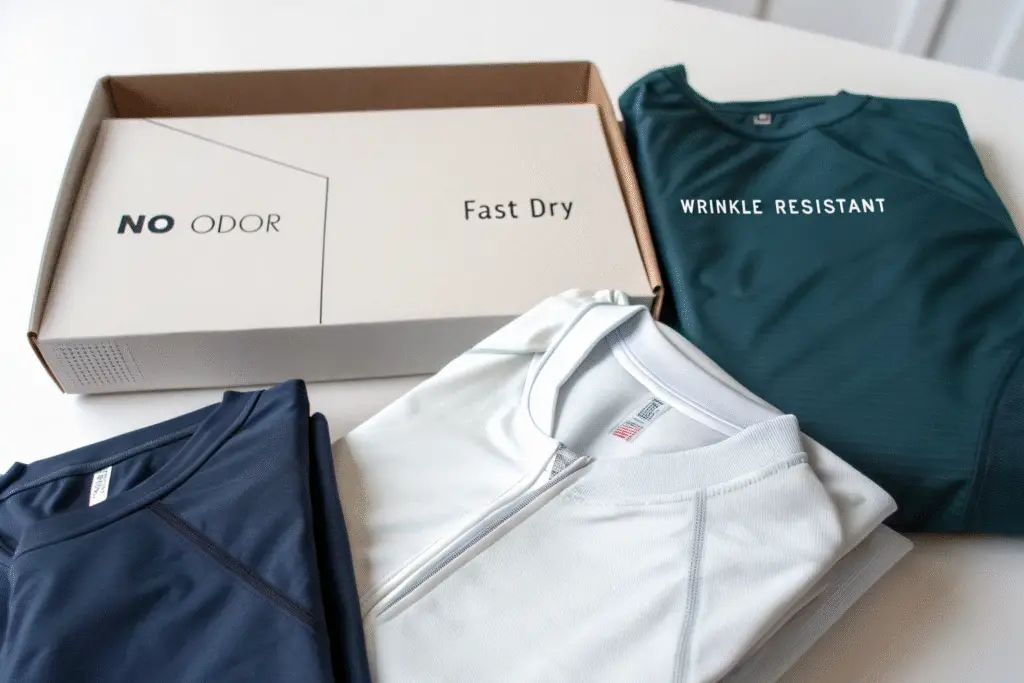
Moisture-retaining clothing often leads to:
- Unpleasant odors after first wear
- Poor wrinkle resistance during shipping
- Fabric sagging after just one wash
Quick-dry garments help reduce all three, resulting in lower return rates. According to ReturnLogic, apparel brands implementing performance fabrics saw up to 17% fewer size or defect-related returns.
Does It Improve Product Ratings on Amazon and DTC?
Yes. A search through Amazon reviews reveals frequent mentions like:
- “Perfect travel tee—dries in 2 hours!”
- “No sweat stains, even in Miami humidity.”
- “Didn’t smell after gym. Impressed.”
Retailers using fabric innovation in product descriptions see higher conversion rates and better customer lifetime value (CLV), according to Shopify Plus.
Which Markets Are Driving the Demand Spike in Quick-Dry Fabrics?
The spike in quick-dry interest isn’t evenly distributed—it’s led by specific regions and sectors.

Where Are Most Quick-Dry Apparel Orders Originating?
Top buying regions by volume:
- United States (outdoor, casualwear)
- Germany (eco-performance knitwear)
- Japan & South Korea (techwear + travel gear)
- Vietnam and Indonesia (domestic consumption and re-export)
These countries are seeing product innovation led by brands like Lululemon and Decathlon who prioritize functionality across climates.
What Sectors Are Using It Beyond Sportswear?
You’d be surprised. Quick-dry is expanding into:
- Kids’ school uniforms
- Corporate polos
- Sleepwear
- Travel kits and airline uniforms
This crossover is causing B2B demand to jump, especially from buyers on Alibaba and Made-in-China, according to sourcing volume reports.
How Should Clothing Brands Capitalize on This Demand?
If you’re a private label or OEM-focused apparel brand, you should act fast.
Should You Build Capsule Collections Featuring Quick-Dry?
Yes—consider launching:
- A “Quick-Dry Essentials” summer or spring capsule
- Men’s polos and tees with moisture-wicking tags
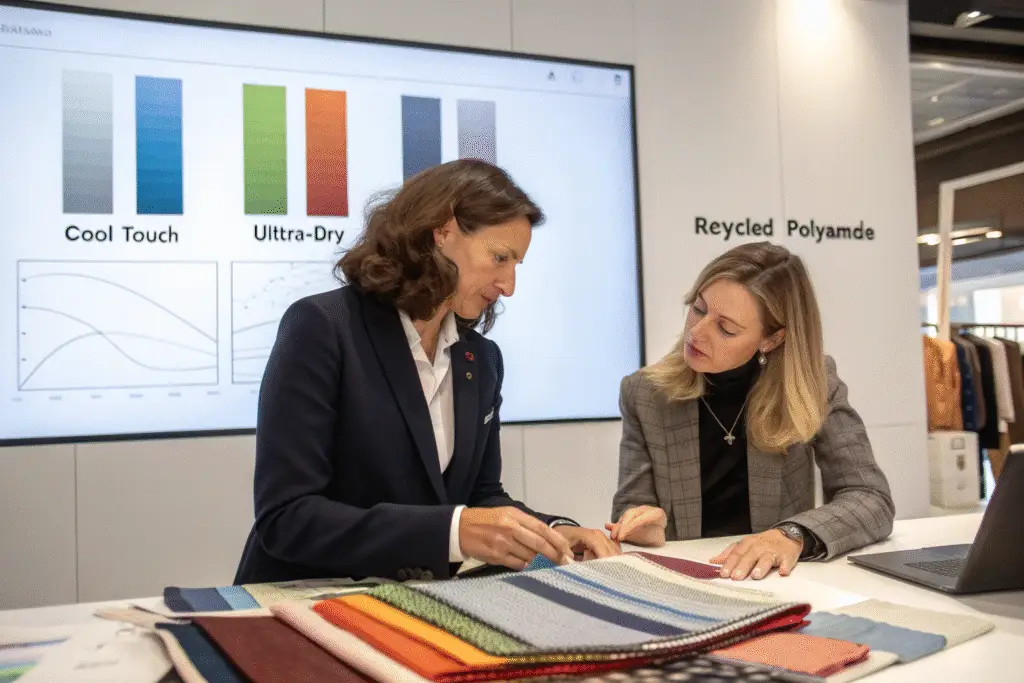
- Women's sports sets with recycled fabric and cool touch tech
Quick turnaround campaigns allow you to test-market without full-scale production risk.
Look at Printful or Printify for POD examples using quick-dry fabrics in activewear lines.
How Can Chinese Factories Help With Tech Fabric Integration?
Chinese OEM/ODM suppliers are increasingly investing in:
- Warp-knit quick-dry machines
- Anti-bacterial and anti-static finishers
- Yarn-level performance testing
Working with a certified partner allows you to customize MOQ runs using these techs. We at Fumao Clothing can help you sample, test, and launch quickly—all within DDP logistics to North America.
Conclusion
The 46% spike in quick-dry fabric searches isn’t a fluke—it’s the sign of a global apparel shift toward performance, functionality, and lifestyle fusion.
Whether you’re in activewear, workwear, travelwear, or casual basics, integrating smart fabrics is no longer a bonus—it’s the new baseline.
With the right Chinese manufacturing partner and clear MOQ planning, your brand can ride this trend to higher margins, lower returns, and better customer retention.
Now is the perfect time to act—before your competitors get there first.