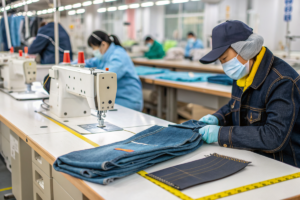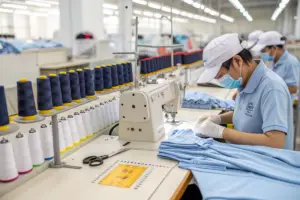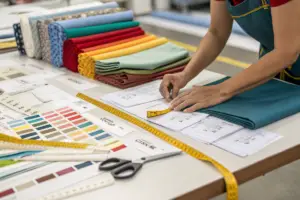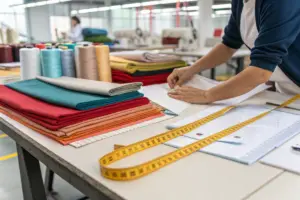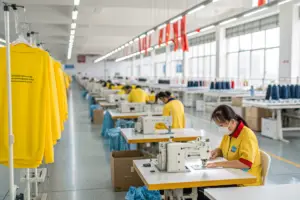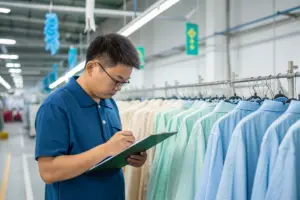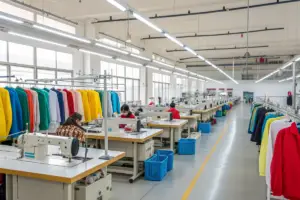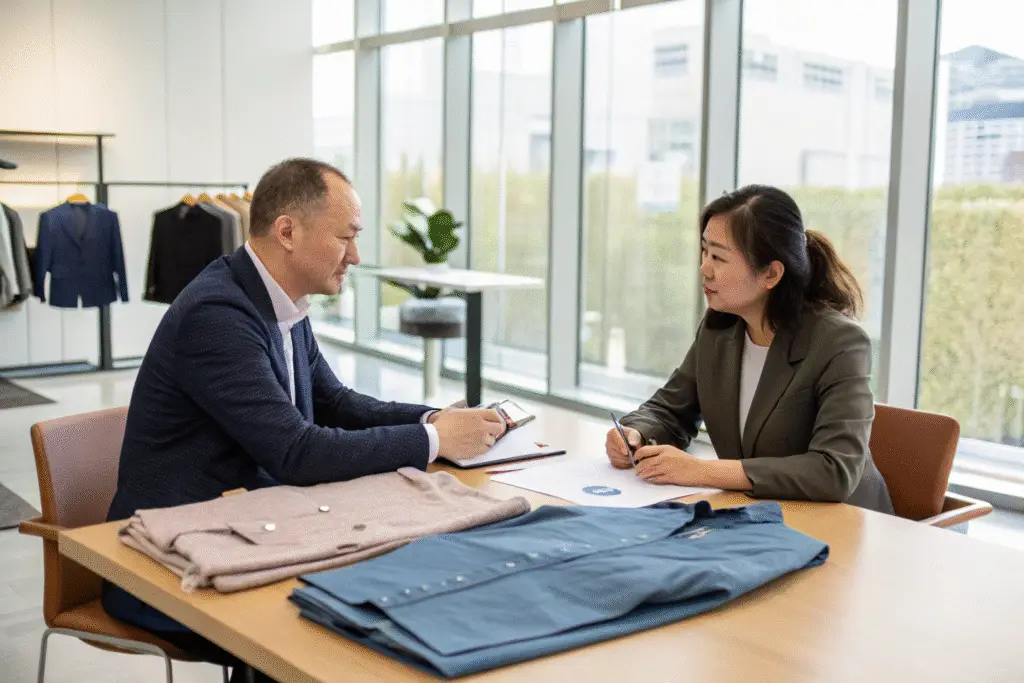
MOQ, or Minimum Order Quantity, is often the very first obstacle foreign clothing brands encounter when working with Chinese manufacturers. Many buyers—especially startups and niche brands—struggle with high MOQs that don't align with their budget, market size, or launch volume.
In this article, I’ll walk you through proven strategies to lower or negotiate MOQ terms with Chinese garment factories, all while maintaining quality and supplier trust.
This is not about pushing for the cheapest deal—it’s about smart negotiation, supply chain empathy, and sustainable partnership building.
What Factors Affect MOQ in Apparel Manufacturing?
Before you negotiate, you need to understand why Chinese factories set MOQ thresholds in the first place. MOQs aren't arbitrary—they reflect operational realities.
Why Do Fabric Mills Influence MOQ?
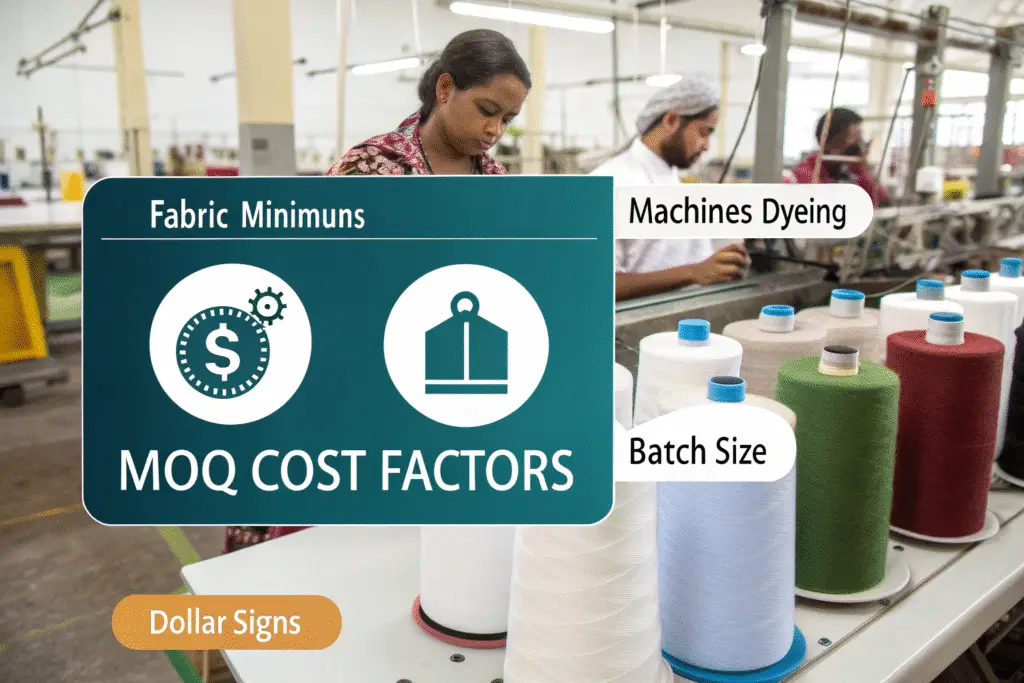
Most MOQs are driven by fabric supplier constraints. Mills usually require:
- Minimums of 500–1000 meters per color
- Batch dyeing minimums (300–500 meters per color)
- Pre-commitment to a roll size before weaving
That’s why even small t-shirt runs often start at 500–800 pcs per color/style.
Learn more on Fibre2Fashion.
How Do Garment Factories Calculate MOQ?
Factories must account for:
- Machine setup time
- Worker efficiency per batch
- Cutting wastage
- Inventory holding cost for leftover materials
This is why low MOQs are difficult for custom orders but more flexible for stock-supported items.
Read Manufacturing.net for insights into factory line optimization.
What Preparation Helps Before MOQ Negotiation?
MOQ discussions are not won during the negotiation—they’re won before it even begins.
Should You Benchmark Different Suppliers?
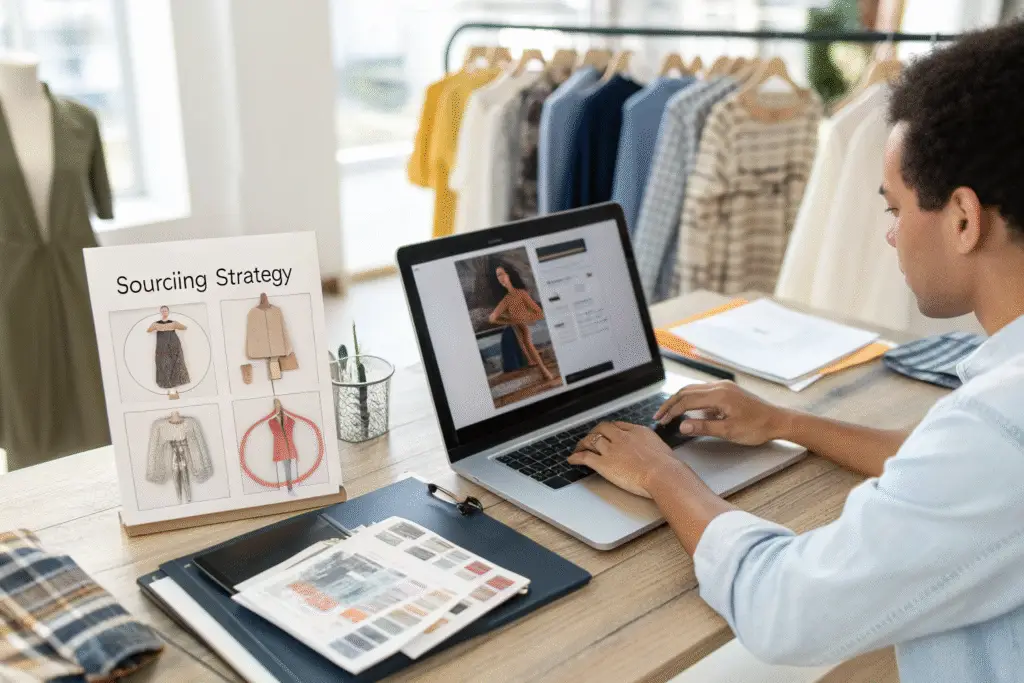
Yes, request MOQ terms from 3-5 suppliers. Create a table with:
| Supplier | MOQ (pcs/style) | Unit Price | Lead Time | Notes |
|---|
This allows leverage, especially if some offer lower thresholds due to in-house materials or partial-stock base.
Sites like Alibaba and Global Sources offer instant MOQ info.
How Can Tech Packs Help?
Professional tech packs reduce risk for the factory. Include:
- Fabric choice
- Pantone color codes
- Size breakdown
- Construction notes
- Artwork placements
Well-documented orders often allow for lower MOQ offers, as they reduce miscommunication.
You can use tools like Techpacker to create visual BOMs.
What Strategies Lower MOQ Without Sacrificing Quality?
Lowering MOQ doesn’t mean compromising product vision. It means being flexible in the right ways.
Yes. Ask your factory:
- “Do you have in-stock fabrics we can use?”
- “Can we use the same color across multiple styles?”
This saves the mill from retooling and lowers fabric waste—so they’re more likely to reduce MOQs.
Read Apparel News for how brands mix and match styles to hit fabric targets.
What About Group Buys or Capsule Partnerships?
Some brands combine orders to meet factory minimums. Try:
- Teaming up with other small brands
- Ordering a capsule collection across 3–5 styles with shared trims
- Using same base silhouette across SKUs
This way, you reduce factory burden while hitting MOQ thresholds.
Maker’s Row has examples of successful joint MOQ strategies.
How to Communicate and Close a Win-Win MOQ Deal?
MOQ success is often about clear, respectful communication.
What’s the Right Way to Frame the Request?
Avoid asking “Can I just get a lower MOQ?” Instead try:
- “What’s the MOQ for existing fabric you have in stock?”
- “What quantity allows you to optimize your line use?”
- “Could we test a lower MOQ now and commit to a larger second run?”
This opens the door to collaborative problem-solving, not confrontation.
Bamboo Crowd shares examples of MOQ phrasing that works.
Can You Offer Incentives for a Lower MOQ?
Factories respond better when they see long-term potential. Offer:
- A clear production calendar
- Testimonials for their website
- Agreement to scale to X pcs after sample test
- Sharing logistics costs like DDP upgrade
Remember: mutual benefit always beats pressure tactics.
Explore how Sourcify matches small brands with MOQ-friendly factories.
Conclusion
Negotiating MOQs with Chinese manufacturers isn’t about grinding for the lowest numbers—it’s about showing understanding, flexibility, and business promise.
We’ve helped brands successfully lower MOQs by offering better tech packs, using available materials, and planning smarter collections. The key is to make your order easy to execute without lowering factory profits.
When done right, you can scale up production without upfront risk, and build long-term supplier trust along the way.
Let’s plan your MOQ-smart clothing line together.