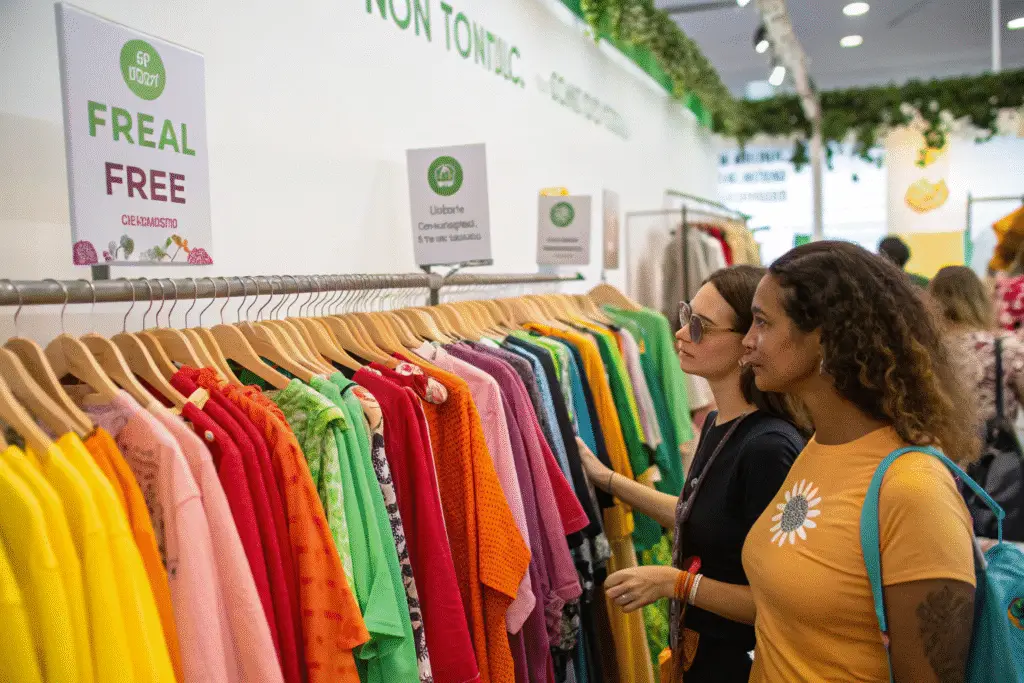
Consumers are increasingly conscious about what they wear—literally. An 82% rise in demand for non-toxic apparel signals a shift in behavior: people now prioritize health, ethics, and transparency in clothing.
Non-toxic apparel—made with safe materials and without harmful chemicals—resonates with consumers, reduces waste, and builds brand trust. That’s why it’s booming in the retail landscape.
In this article, I’ll explore the key forces fueling this trend, explain what qualifies as non-toxic, and share how brands and suppliers can respond to demand.
Why Are Consumers Now Demanding Non-Toxic Apparel?
Modern shoppers are more informed and health-driven than ever.
They worry about chemical residues, sensitive skin reactions, and environmental damage—and they vote with purchases.
Are Health Concerns a Major Factor?
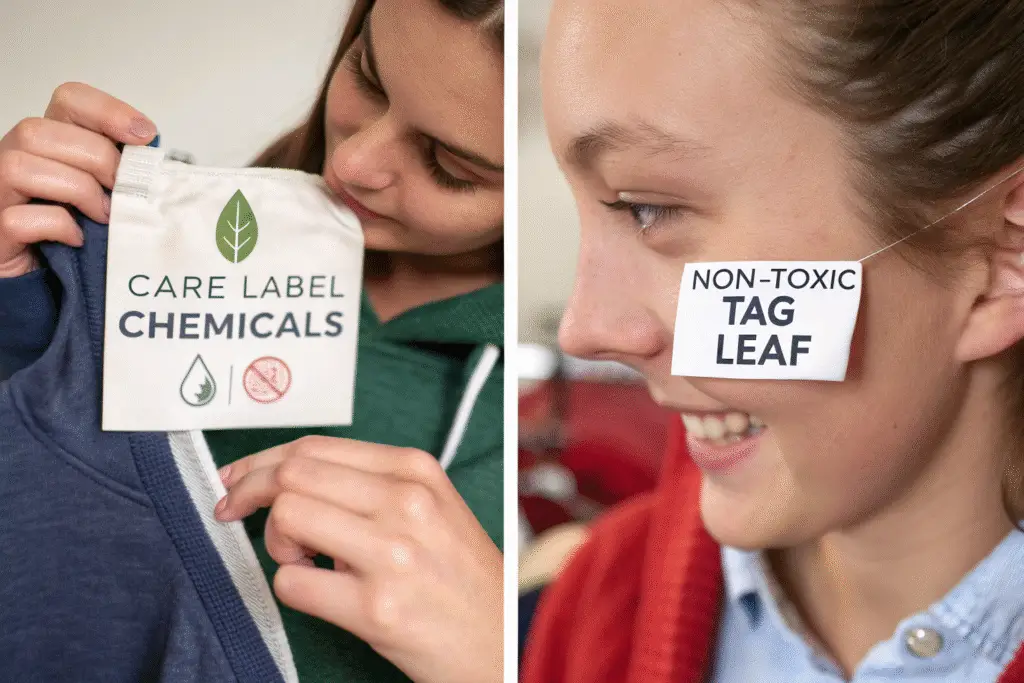
Absolutely. Fabric treated with formaldehyde, PFAS coatings, or AZO dyes can trigger allergies and skin issues. Studies by the Environmental Working Group connect certain textile chemicals to long-term health risks—boosting consumer scrutiny.
Does Social Media Amplify Scrutiny?
Definitely. Viral posts showing toxic apparel tests push consumers to demand safer materials. Brands that falter face backlash quickly and widely—making proactive transparency essential.
What Counts as “Non-Toxic” Apparel?
Non-toxic means more than “no harsh smells”—it’s about verifiable safety standards.
Look for certifications that ensure safe textiles from fiber to finish.
Why Is OEKO‑TEX Standard 100 Important?
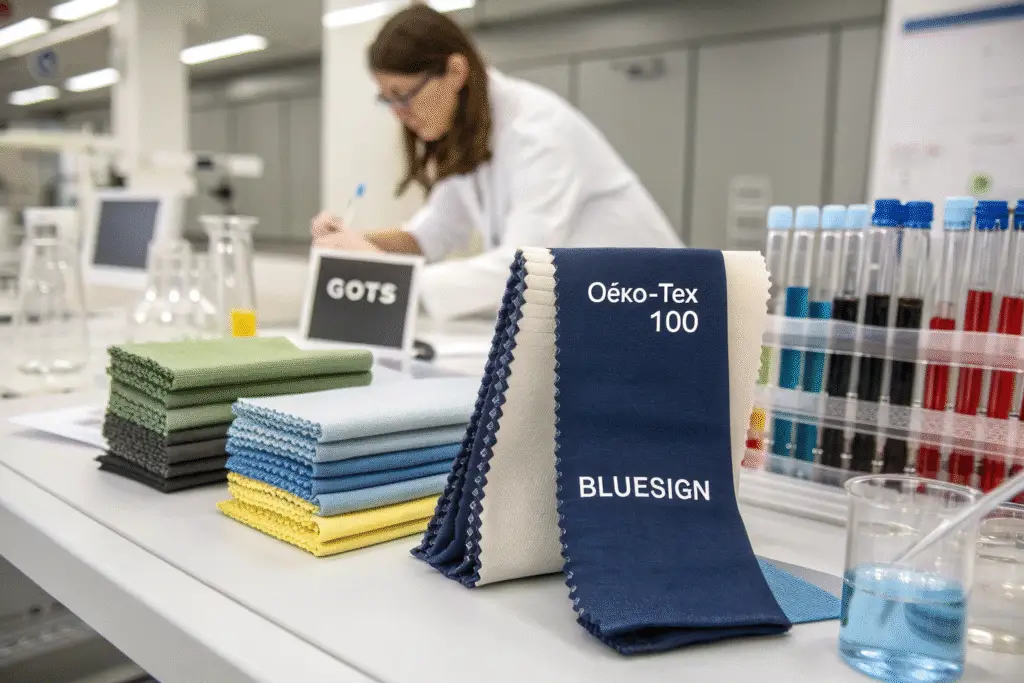
This certification tests finished textiles for harmful substances. Over 100,000 suppliers use it to show compliance with chemical limits—including heavy metals, phthalates, and formaldehyde.
What Makes GOTS Relevant?
The Global Organic Textile Standard covers not only organic fiber but also ensures no toxic finishes or synthetic inputs—covering the full chain from farm to garment.
What Business Drivers Boost This Trend?
This trend isn’t just ethical—it’s commercially smart.
Retailers gain increased margins, improved customer loyalty, and stronger plant-resistant returns policies with safe apparel.
Are Margins Higher on Non-Toxic Lines?
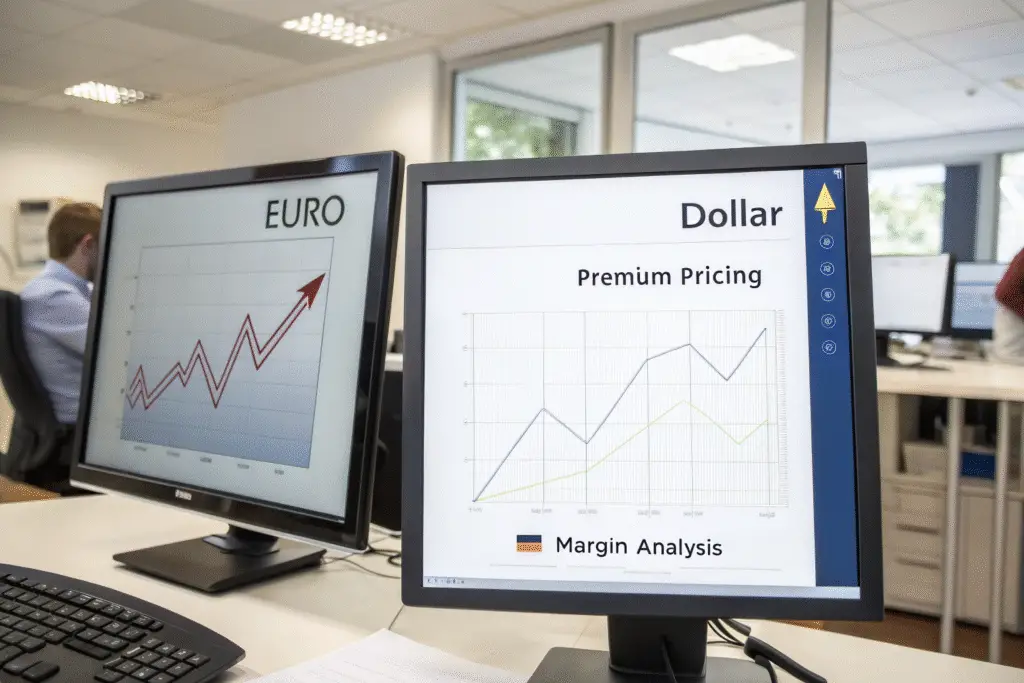
Yes. Value-add certifications allow for 15–30% higher pricing. Buyers willing to pay more for OEKO-TEX or GOTS goods mean higher margin for brands sourcing smartly.
Does Brand Reputation Improve?
Absolutely. Brands promoting safe apparel earn credibility in saturated markets. Social posts, influencer partnerships, and PR campaigns featuring non-toxic lines outperform regular collections.
How Fast Is the Shift in Retail?
The surge is real—and growing.
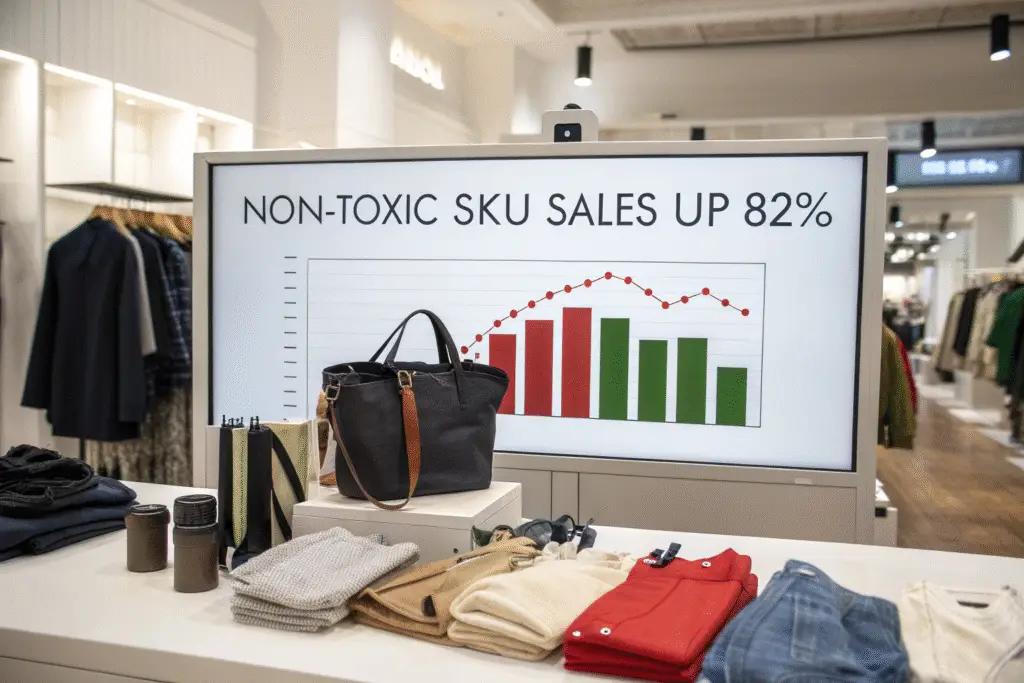
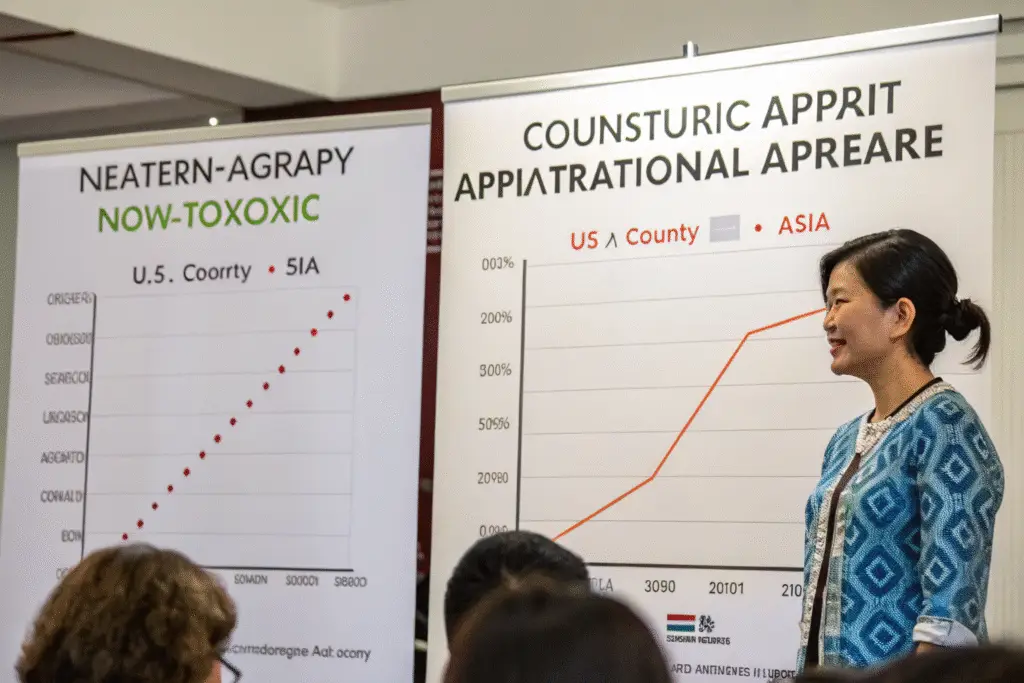
Global non-toxic apparel shipments increased 82% YoY, outperforming conventional garments significantly.
Which Categories Lead the Way?
Greatest demand is in:
- Children’s wear (sensitive skin)
- Underwear & sleepwear (close-to-skin)
- Activewear (health-focused consumers)
These categories show faster adoption of non-toxic standards.
Is This a Western Trend Only?
No. OECD countries lead, but markets in Japan, South Korea, and Australia are seeing rapid adoption. Asian manufacturers are scaling non-toxic production to match requests from global brands.
How Can Suppliers Respond Effectively?
Suppliers must adapt to stay relevant.
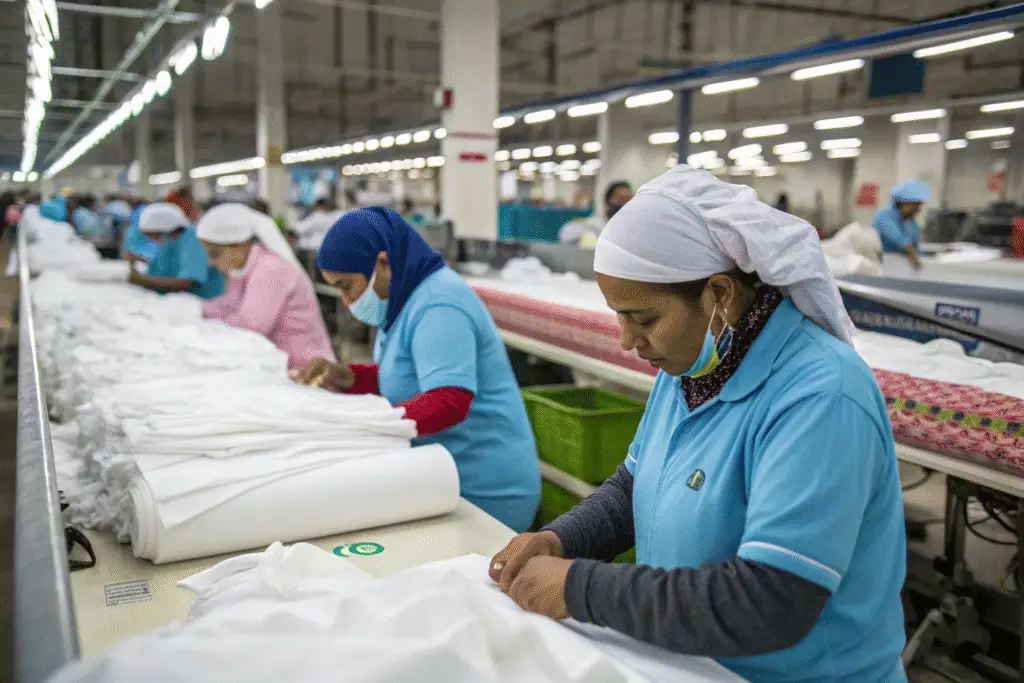
It starts with sourcing safe materials, testing every dye and finish, and achieving respected certifications.
How Should Suppliers Upgrade Material Sourcing?
Choose certified mills. Require OEKO-TEX or GOTS certificates for fabrics, trim, and dye. Work with mills that document chemical inventory and residue reports.
What Internal Testing Is Crucial?
Install in-house tests:
- Migration testing for heavy metals
- Formaldehyde residue analysis
- pH and skin-irritation tests
These ensure compliance before shipping finished products.
Are There Challenges to Keep in Mind?
Transitioning isn’t free—but it can pay off fast.
Challenges include higher costs for certified materials, production time added for testing, and audit maintenance.
Can Certification Costs Be Recouped?
Yes. Increased selling price and repeat business often outweigh initial certifications and fabric premiums. Many buyers report payback within 6–12 months.
How to Manage Certification Complexity?
Streamline certifications—first choose OEKO-TEX, then scale to GOTS or Bluesign as volumes grow. Use agencies like Control Union to manage audits efficiently.
Conclusion
The 82% surge in non-toxic apparel demand reflects deeper shifts in consumer values and retail economics. More than trend—it’s a recalibration toward healthier, more responsible fashion.
Brands and suppliers who invest in credible safety standards like OEKO-TEX and GOTS will capture customer trust, stronger margins, and sustained growth in global markets.
Let’s help you make safe apparel that sells—and stands for something.