Luxury fashion demands perfection—from fabric sourcing to stitching quality. When you’re building a high-end brand, finding the right OEM (Original Equipment Manufacturer) in China or nearby regions can make or break your reputation.
Reliable OEMs for luxury apparel combine craftsmanship, advanced tech, and strict quality protocols. In this guide, I’ll show you where to locate them, what certifications to require, and how to vet them thoroughly.
Why OEM Matters for Luxury Fashion?
Luxury isn’t just about price—it’s about craftsmanship, exclusivity, and attention to detail.
OEM manufacturers deliver advanced production skills, materials sourcing, and bespoke capabilities needed for premium apparel lines.
What Qualities Do Luxury OEMs Need?
- Access to high-end fabrics like silk charmeuse, cashmere, and leather
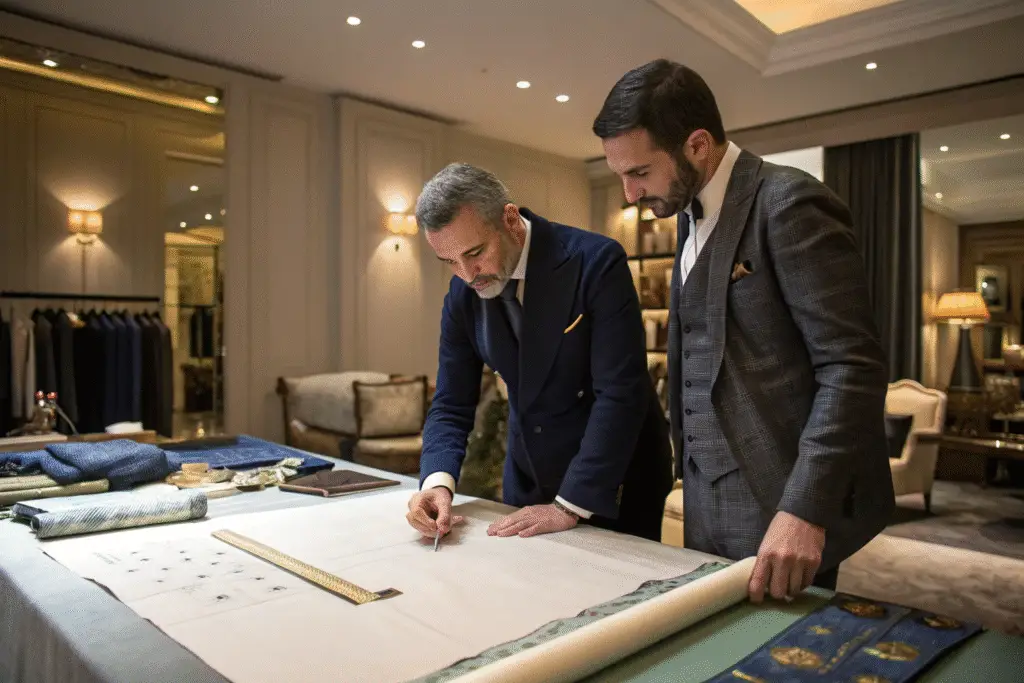
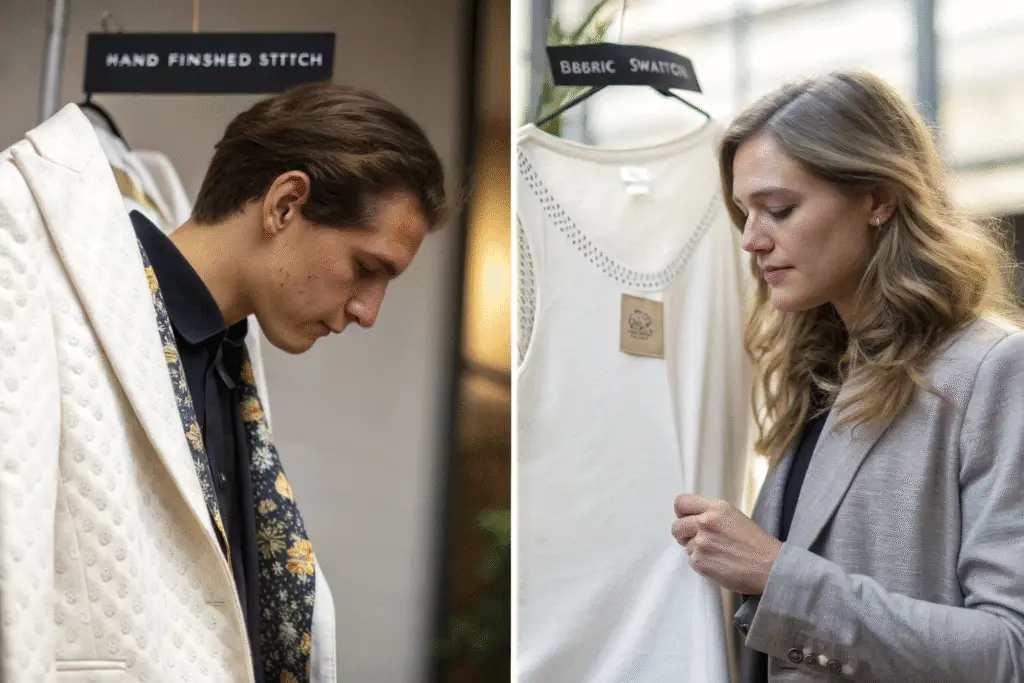
- Skilled tailoring and couture-level finishing
- Ability to produce small, exclusive runs
- Strong traceability of materials
- Certifications like GOTS, Responsible Wool Standard, ISO 9001
Factories with these traits support boutique and upscale brands with confidence and integrity.
Why OEM Beats Wholesaling for Premium Brands?
Buying from a luxury-focused OEM gives you benefits like:
- Design ownership and confidentiality protection (NDA compliance)
- Controlled quality via advanced craftsmanship
- Customization flexibility—hidden zips, Italian linings, bespoke labels
On the other hand, wholesale often compromises on exclusivity, brand image, and margin control.
Where to Begin Your OEM Search?
Finding the right factory starts with knowing where to look.
Your search should combine verified directories, industry referrals, and trade show scouting.

Can Platforms like ApollonLink or Maker’s Row Help?
Yes. Sites like ApollonLink, Maker's Row, and CMTpages specialize in ethical, small-batch luxury OEM matching. They pre-verify factories with photography and quality audits.
Make sure factories are rated for limited MOQ, Italian-quality fabrics, and hand-finishing processes.
Should You Attend Trade Shows or Luxury Sourcing Events?
Absolutely. Shows like:
- Première Vision Paris (fabrics & materials)
- Canton Fashion Week (organized luxury OEM pavilion)
- Shanghai International Fashion Fair
These are ideal to touch premium fabrics, meet OEM executives, and inspect small-scale production setups.
How to Verify OEM Quality & Capability?
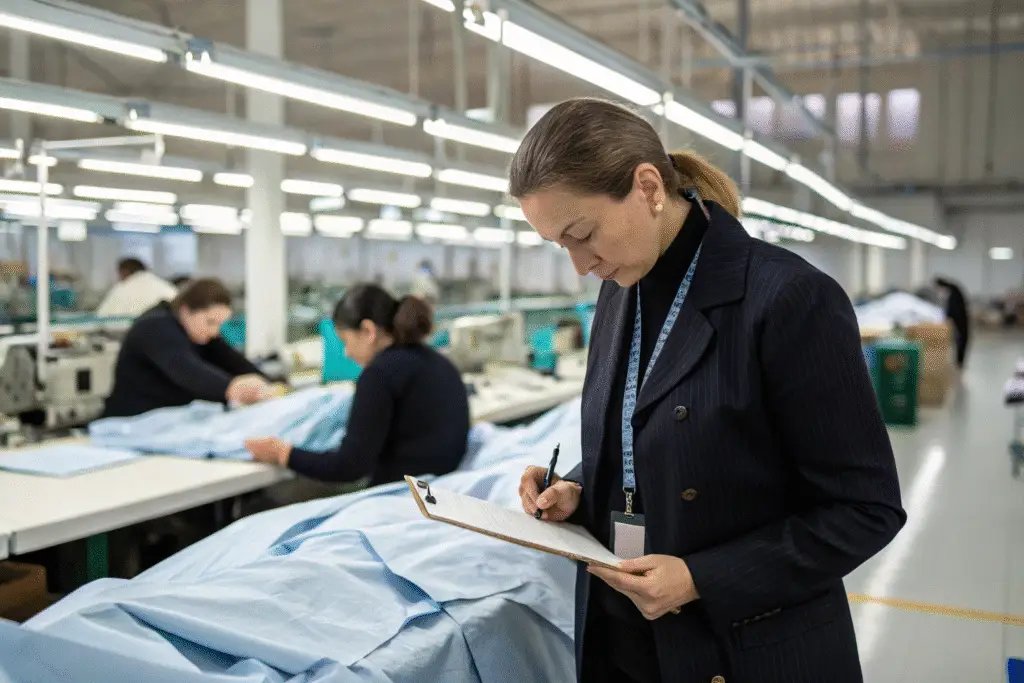
A walkthrough is the best way to determine if a factory can meet your luxury standards.
Check workflow, sample archives, staff skill level, and finishing equipment.
What Documents or Certifications Should You Review?
Require:
- Material provenance (mill certificates for cashmere, silk)
- Innovation lab reports for nano-finish or smart fabrics
- Social compliance like WRAP, GRS, or Responsible Wool Standard
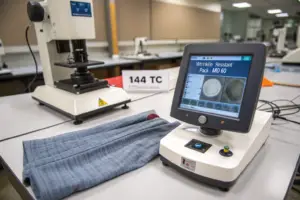
- Technical pack validations with DTM codes, fabric weight, shrinkage tests
Trusted factories often integrate RFID traceability to track individual garment origins.
How Many Samples Are Good Enough?
Luxury OEMs usually offer:
- Proto-sample (couture prototype)
- Fit sample (+2 fittings)
- Pre-production sample
- Showroom “luxury sample”
Plan for 3–5 rounds to refine hand-feel, drape, and finishing touches.
How to Build Long-Term OEM Relationships?
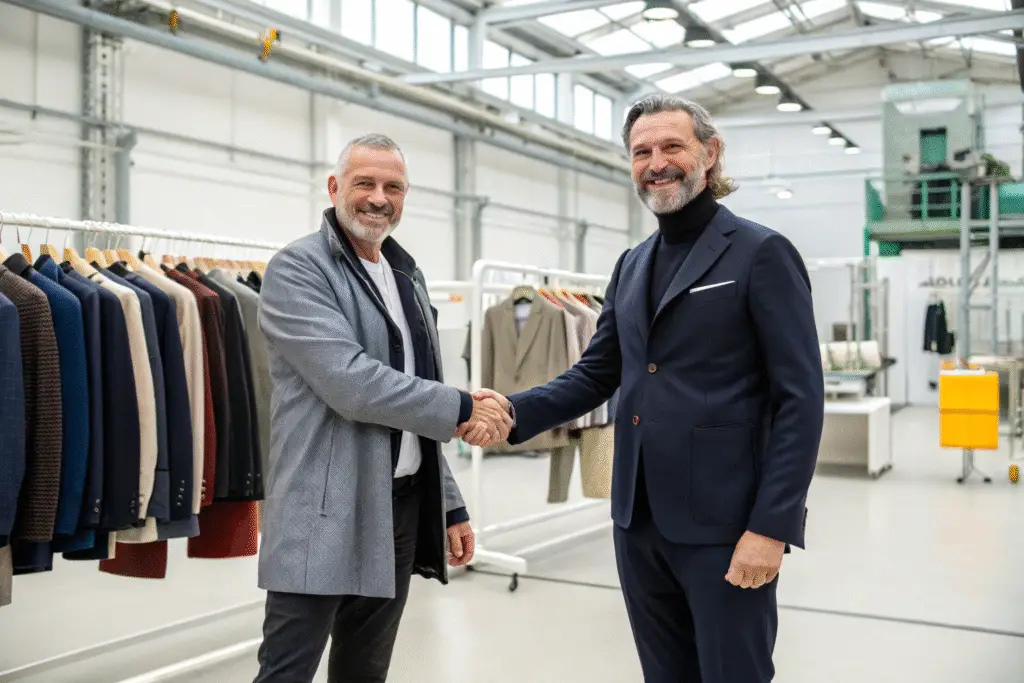
Like any art form, luxury apparel relies on trust, history, and collaboration.
Strong OEM relationships mean better lead times, loyalty, and product refinement.
What Communication Practices Work Best?
- Have a single point of contact (merchandiser or brand rep).
- Use real-time productivity trackers with sample photos.
- Schedule monthly design reviews.
- Document material sourcing decisions formally.
These habits prevent misunderstandings and keep quality consistent.
Should You Invest in Factory Training or Workshops?
Yes. Luxury manufacturers appreciate collaboration. Many brands co-invest in:
- Hand-finishing workshops
- Fabric knowledge training
- Innovation labs for new trims or smart materials
Inviting key staff to brand headquarters for a few days can foster deeper understanding and commitment.
How to Protect Your IP with OEMs?
Design theft is a real risk in apparel sourcing. Protect yourself and your brand.
Use robust IP protocols:

- NDA signed before any prototype or design file is shared
- Design watermarks or pattern alignment numbers
- Limited personnel access to key files
- Label code tracking for authenticated versions
Conclusion
Sourcing luxury OEM apparel is more than production—it’s about craftsmanship, trust, and innovation. Start with platforms and trade shows, verify quality through rigorous processes, protect your IP, and build relationships that allow your brand to flourish.
When you partner with the right luxury OEM, you elevate every stitch, every fabric, and every customer impression—without sacrificing control or profitability.