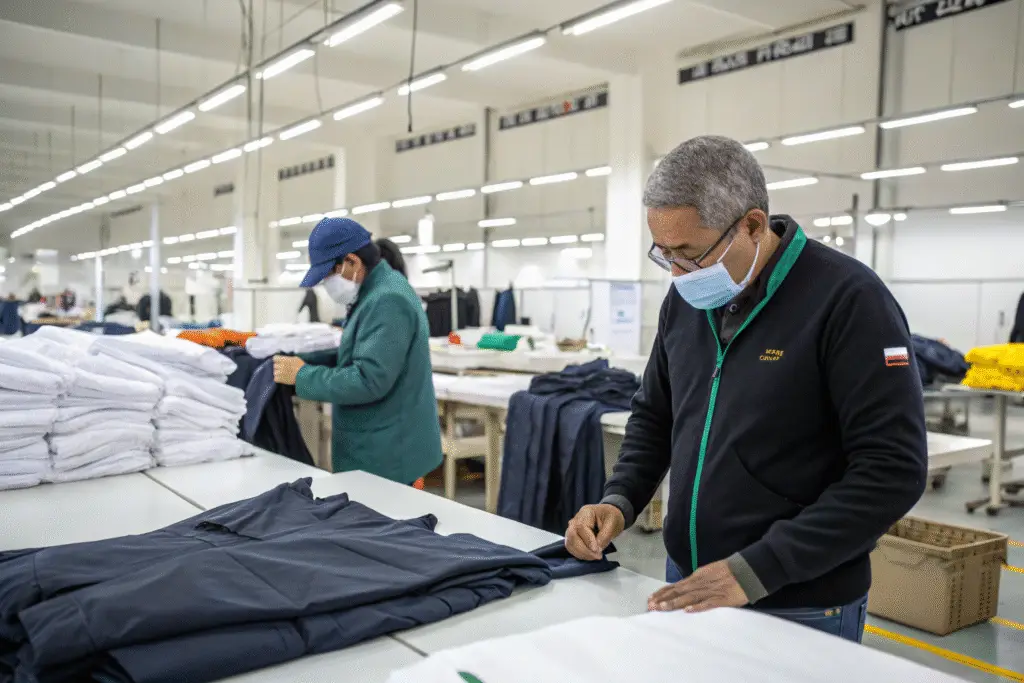
Ethical sourcing is no longer optional—it's a strategic necessity. But for many apparel brand owners like Ron, the real question isn't whether ethical manufacturing matters. It's how to make it work without killing profits.
You can source ethically made garments while maintaining strong margins by choosing the right suppliers, optimizing your supply chain, and leveraging sustainable practices that appeal to modern consumers.
In this article, I’ll walk you through proven strategies we use as a Chinese apparel manufacturer to help U.S. clients achieve both ethics and earnings.
What Is Ethical Sourcing and Why Does It Matter?
Ethical sourcing goes beyond marketing—it's about responsibility in labor, the environment, and transparency. And buyers care more than ever.
Ethical garment sourcing refers to manufacturing practices that prioritize fair labor, safe working conditions, and environmental responsibility.
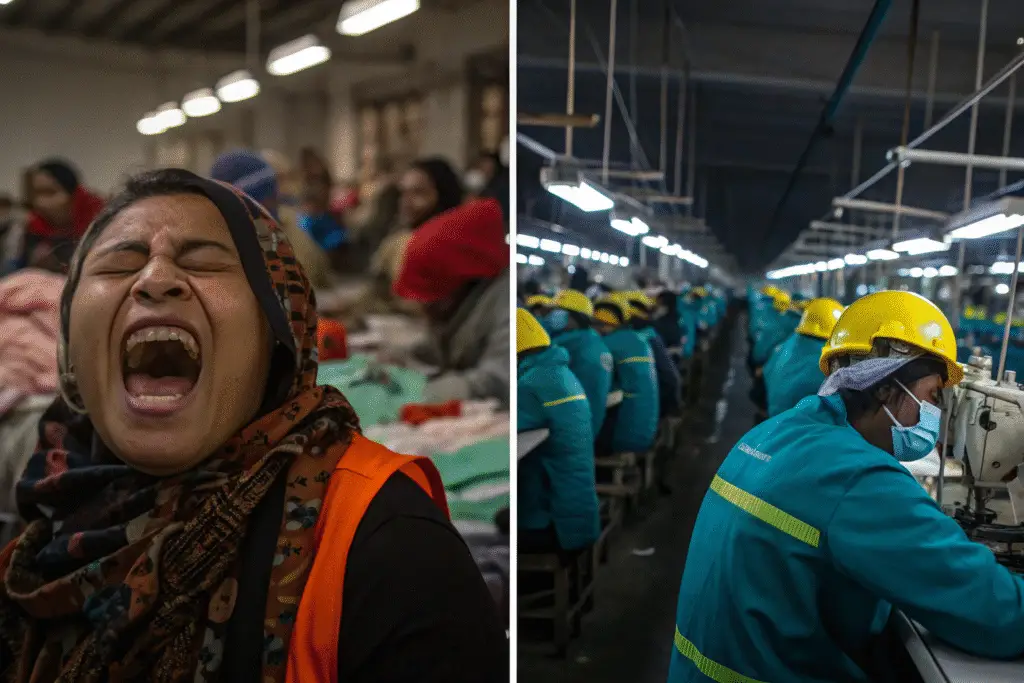
Why Do Buyers Demand Ethically Made Clothing?
Today's consumers want more than a price tag. According to McKinsey, 67% of shoppers consider sustainability before making a purchase.
Retailers sourcing from factories with certifications like BSCI, WRAP, or GOTS gain brand trust while mitigating risks like labor abuse scandals or customs bans.
How Does Ethical Manufacturing Affect Profitability?
Contrary to belief, ethical production does not always raise costs. Partnering with compliant factories streamlines processes, reduces rework, and strengthens brand positioning—resulting in higher perceived value and better margins.
Plus, ethical factories tend to attract long-term, reliable workers—leading to lower turnover and greater quality consistency.
Where Can You Find Ethical Clothing Manufacturers in China?
Not every Chinese factory cuts corners. There’s a growing base of highly professional, ethics-compliant manufacturers ready to partner with global brands.
The key is filtering factories by certification, track record, and communication transparency.
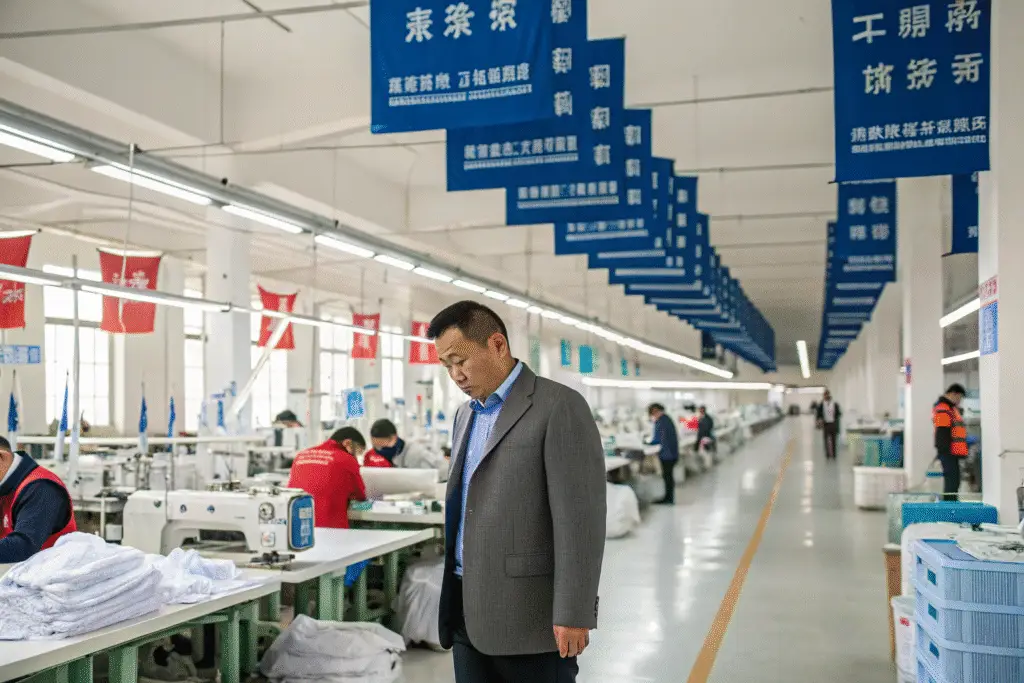
What Certifications Should Ethical Factories in China Hold?
Look for these globally accepted standards:
| Certification | What It Covers | Ideal For |
|---|---|---|
| BSCI | Worker rights, hours, health & safety | Mass apparel |
| WRAP | Legal, ethical, and humane conditions | All garment types |
| GOTS | Organic textiles & chemical standards | Sustainable lines |
| SEDEX | Social responsibility & supply chain | Corporate buyers |
You can verify these certifications directly via their official platforms like WRAP's facility search or BSCI member database.
How Do You Verify a Factory’s Claims?
Don’t rely on photos or promises. Ask for:
- Third-party audit reports
- Recent certification documents
- Factory visit videos or virtual tours
Platforms like QIMA or Intertek offer on-the-ground audits, while tools like Alibaba Verified Suppliers can filter ethical vendors.
How Can You Maintain Margins While Sourcing Ethically?
You don’t need to sacrifice your bottom line to go ethical. It’s about smart sourcing, efficient production, and scalable strategies.
Ethical sourcing can actually increase your profit margins if you optimize volume, design, and logistics.

Can Bulk Orders Lower Unit Prices from Ethical Factories?
Absolutely. Most ethical Chinese manufacturers offer tiered pricing, and they are more willing to negotiate on:
- Packaging customization
- Payment terms (e.g. partial deposits)
- Shared material sourcing across SKUs
If you’re targeting 1,000+ units per SKU, you can often achieve pricing parity with non-compliant factories. Many of our clients at Fumao Clothing use the DDP model to further cut logistics costs.
What Cost-Saving Tactics Don’t Compromise Ethics?
Here’s what we advise:
- Optimize fabric usage: Less waste = lower cost
- Limit colorways and trims for initial production
- Use factory’s in-stock fabrics to reduce MOQ and sampling time
- Consolidate shipments via a reliable freight forwarder to avoid port delays
What Marketing Advantages Come with Ethical Sourcing?
When you source ethically, it becomes a powerful marketing edge—especially for direct-to-consumer brands.
You can charge more, build customer loyalty, and gain access to new retail partnerships when you showcase ethical practices.
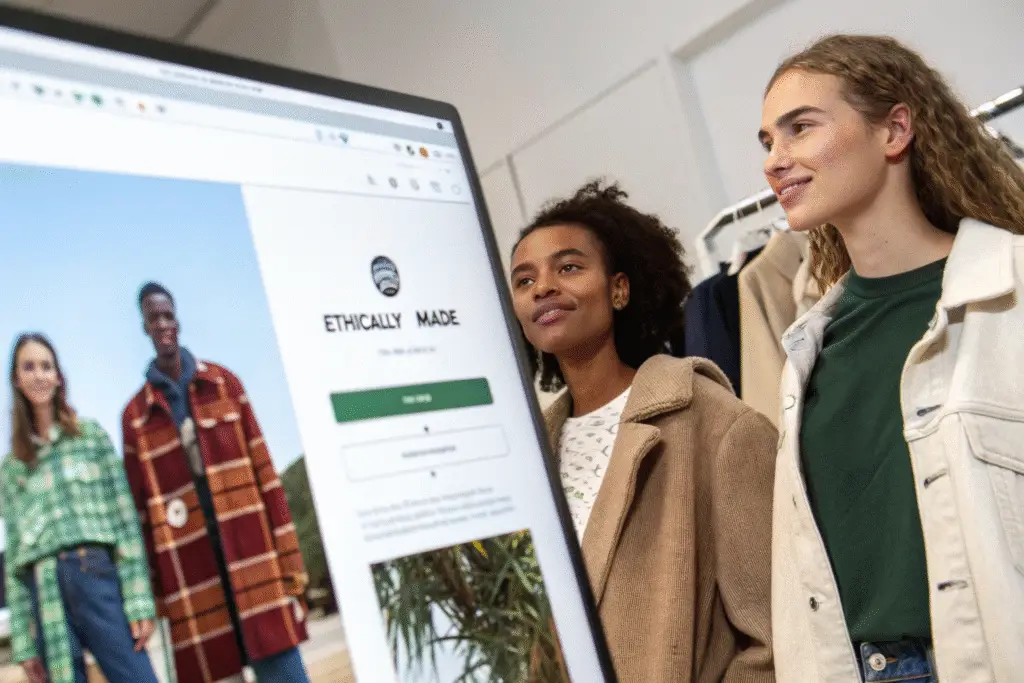
Do Ethical Brands Sell at Higher Price Points?
Yes. Brands like Everlane, Nudie Jeans, and Tentree have proven that customers are willing to pay a premium for transparency and responsibility.
Ethics adds perceived value, and consumers now equate it with luxury.
Can Ethical Practices Attract Bigger B2B Clients?
Retailers like Nordstrom and REI now require social compliance documentation from vendors.
Showing that your products are made in BSCI/WRAP/GOTS-certified factories opens doors to:
- Wholesale contracts
- Retailer partnerships
- Higher-margin white-label deals
Conclusion
Ethical manufacturing is not a cost—it’s a competitive advantage. By working with transparent, certified partners, optimizing production tactics, and leveraging the marketing power of sustainability, you can grow your apparel brand both ethically and profitably.
At Fumao Clothing, we help U.S. brands do exactly that—without inflated pricing or logistical headaches. Let's build a clothing line that both your customers and conscience will love.