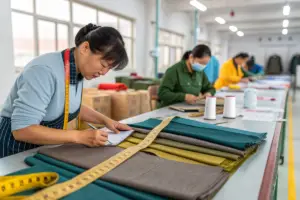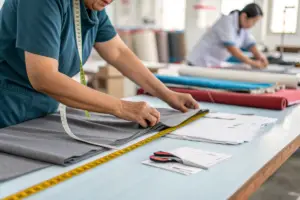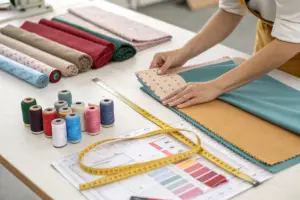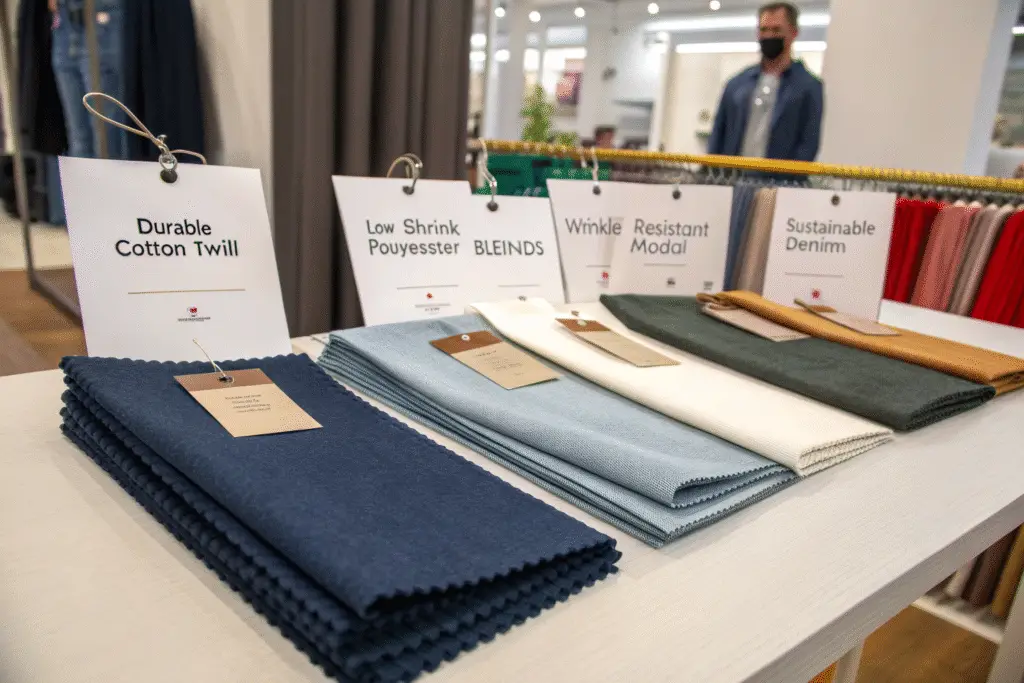
As a brand owner or clothing buyer, you already know that the fabric you choose determines far more than just the feel of a garment. It affects cost, customer satisfaction, returns, and your wholesale profit margin. Choose wrong, and you risk poor reviews and unsellable stock.
To run a profitable and sustainable apparel business, you need fabrics that are durable in wear, affordable in production, and versatile in design.
In this article, I’ll walk you through the most reliable fabrics used by top clothing manufacturers and exporters in China for wholesale production. These materials strike the right balance between longevity, quality, and market appeal.
Why Fabric Choice Matters for Wholesale Apparel Success
In the world of wholesale fashion, fabric choice isn’t just a design decision—it’s a profitability decision.
The best fabrics reduce defects, cut costs, and improve brand perception.
How Does Fabric Impact Profit Margins?
Durable fabrics mean fewer product returns and complaints. They also allow multiple washes without shrinking, pilling, or color loss, which strengthens your reputation. According to FashionUnited, high-quality clothing sees 32% lower return rates in online retail.
On the other hand, fragile fabrics lead to:
- More sample reworks
- High wastage during cutting
- Negative reviews or lost B2B clients
Why Should You Balance Cost and Longevity?
Cost-effective doesn’t mean cheap. The goal is to select fabrics that:
- Perform well in real-life use
- Offer flexibility across styles
- Fit into cost-effective production cycles
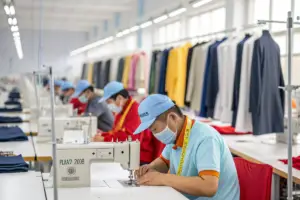
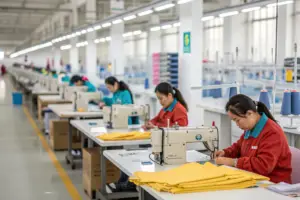
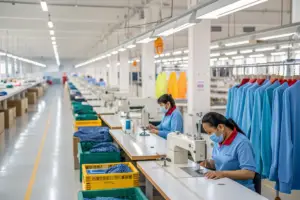
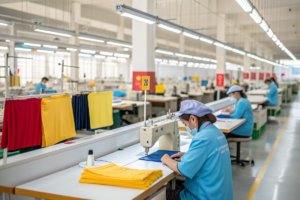
Manufacturers like Fumao Clothing prioritize high-volume fabrics that are easy to cut, sew, and package without compromising quality.
What Are the Most Durable and Cost-Effective Fabrics?
There’s no one-size-fits-all solution, but certain materials have become staples in high-volume, export-oriented garment production.
These fabrics offer durability, comfort, and reasonable per-yard pricing—making them ideal for wholesale apparel.
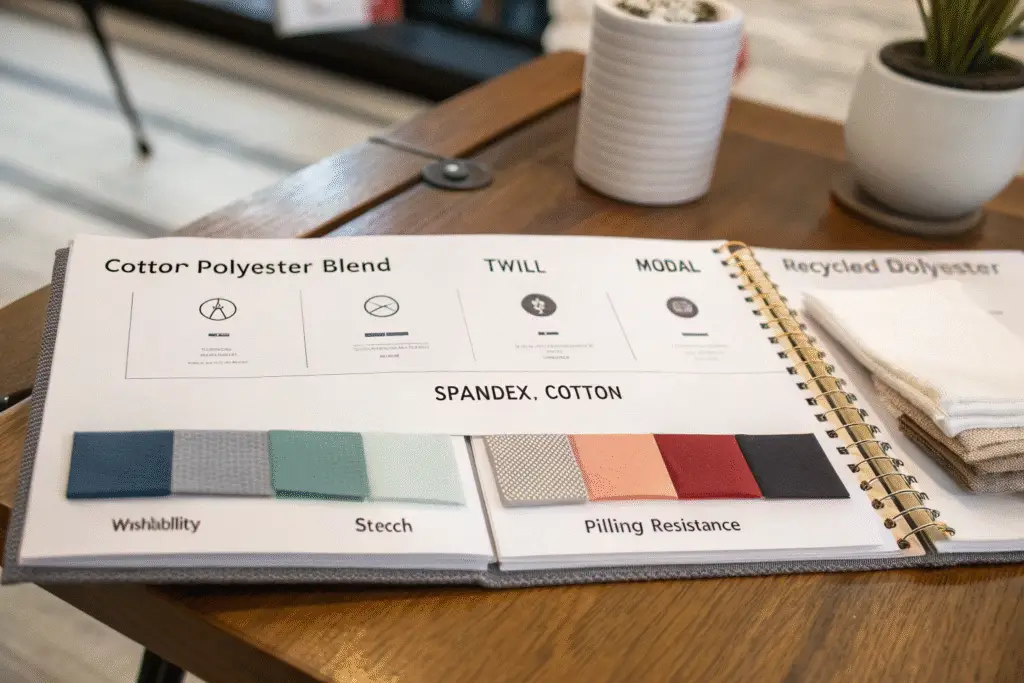
Is Cotton-Polyester Blend Still King?
Absolutely. This blend offers the softness of cotton and the wrinkle resistance of polyester. It’s ideal for:
- T-shirts
- Polo shirts
- Kidswear basics
Typical blend: 65% polyester, 35% cotton, which reduces shrinkage and improves color retention. According to Apparel Search, this combo offers a 30% longer life cycle compared to 100% cotton.
What Makes Twill Fabric Great for Bottomwear?
Twill is a weave, not a fiber, but it’s incredibly durable. Cotton twill is:
- Highly wrinkle-resistant
- Strong under stress
- Ideal for pants, uniforms, skirts
It’s also affordable. Chinese mills like Texhong Textile Group produce millions of meters of twill annually, making it a reliable bulk option.
Which Fabrics Improve Comfort and Premium Appeal?
Sometimes you’re selling more than just durability—you’re selling feel and fit. These fabrics are known for elevating product quality while maintaining commercial feasibility.
The best comfort-focused fabrics enhance tactile appeal and fit flexibility, helping drive higher pricing and repeat orders.
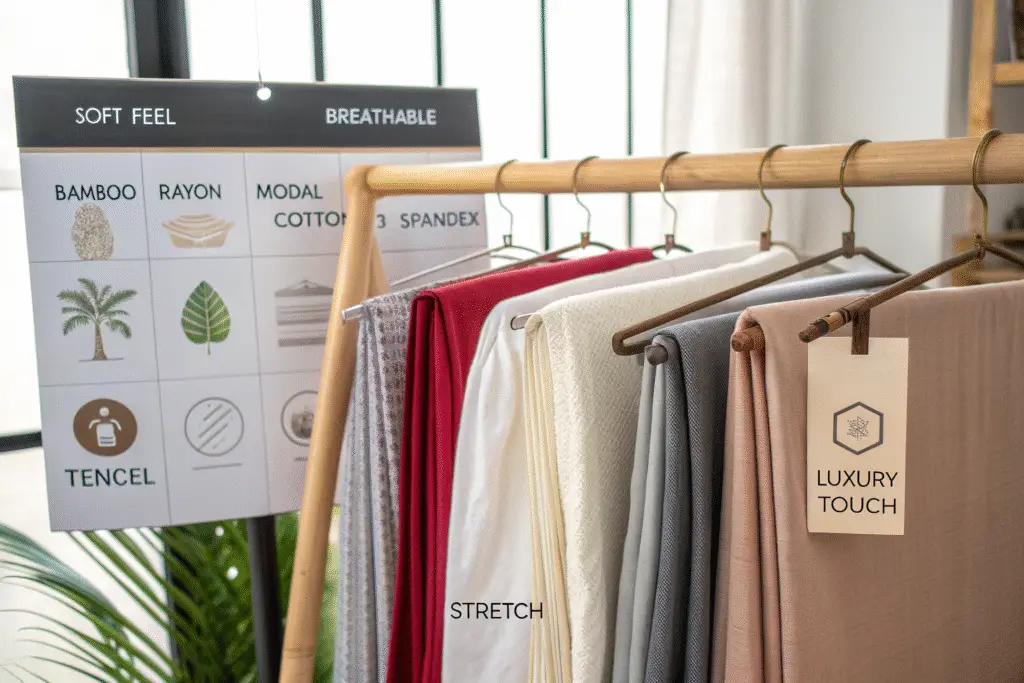
Is Modal the Best Soft Knit Option?
Modal is a semi-synthetic made from beech trees. It’s:
- Soft as silk
- Breathable like cotton
- Durable in washes
It’s commonly used in:
- Tank tops
- Yoga wear
- Underwear
Textile experts from Lenzing developed branded modal that performs better than traditional viscose.
Why Is Cotton-Spandex Popular for Versatile Pieces?
The cotton base offers breathability, while spandex gives stretch and shape recovery. It’s perfect for:
- Leggings
- Bodycon dresses
- Fitted T-shirts
It allows more size flexibility, reducing inventory risk. Factories like ODMYA use this blend for both basics and activewear.
What Are the Best Eco-Friendly Fabrics for Wholesale Apparel?
Sustainable fashion is no longer niche—it’s mainstream. Retailers and consumers are demanding proof of environmental and ethical practices.
Eco-fabrics not only support brand responsibility but also help attract premium B2B buyers and influencers.
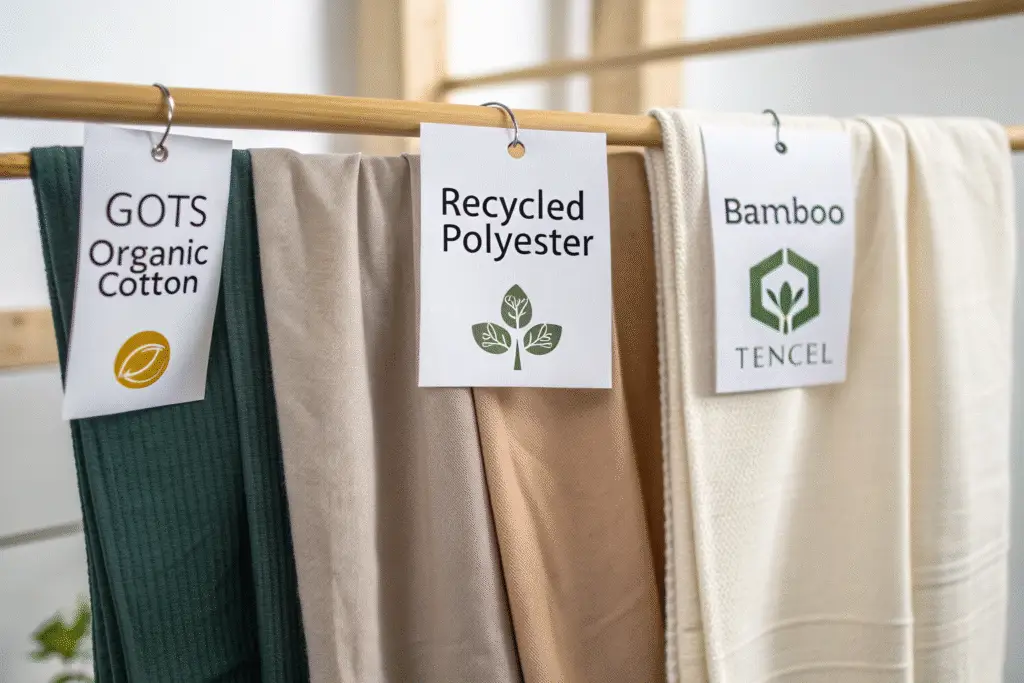
What’s the Role of Organic Cotton?
Certified organic cotton uses no synthetic fertilizers or pesticides. Key benefits:
- Less water use
- Non-toxic processing
- Sourced under fair-labor policies
Certifications like GOTS (Global Organic Textile Standard) can be verified at global-standard.org. Suppliers like Sancool Garment integrate this into their premium lines.
Is Recycled Polyester Practical for Mass Orders?
Yes. It’s made from post-consumer PET (like plastic bottles). Advantages include:
- Strong abrasion resistance
- Cost competitive with virgin polyester
- Approved under GRS (Global Recycled Standard)
It’s ideal for outerwear, athleticwear, and lining fabrics. Platforms like Repreve lead this segment globally.
Which Fabrics Are Risky for Wholesale Use?
Some fabrics may look great initially but cause serious issues during production, shipping, or wear. Avoid these if you’re prioritizing returns, refunds, and reseller reputation.
Cheap, unstable fabrics often lead to poor resale value and high production defect rates.
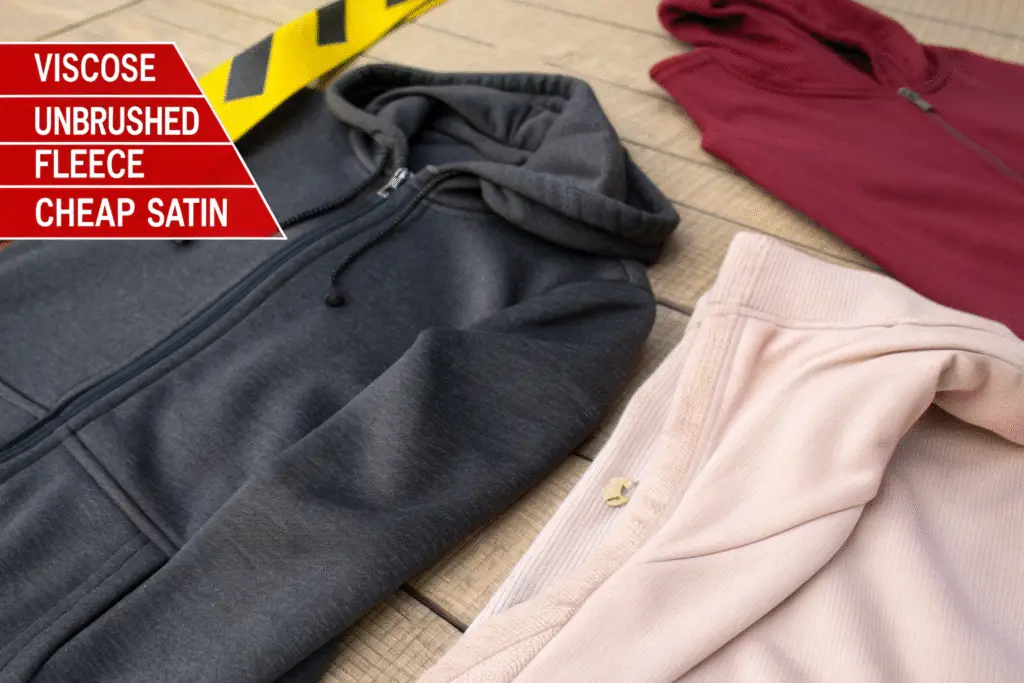
Why Should You Avoid Low-Grade Viscose?
Viscose is soft, but low-quality batches:
- Shrink excessively after wash
- Tear easily at seams
- Lose color vibrancy
If you use viscose, ensure it’s from reliable mills and request a shrinkage test report.
Is Cheap Satin Worth the Shine?
No. While shiny finishes catch the eye, low-cost satin:
- Shows defects clearly
- Tears under pressure
- Looks cheap after a few washes
If you want sheen, consider satin made from polyester blends with reinforced weaves and OEKO-TEX certification like those from Guangdong Sateri.
How to Test Fabric Durability Before Mass Production?
Before placing large wholesale orders, smart buyers perform physical or lab tests. You don’t want to find out the fabric fails after shipping 10,000 units.
Testing helps you reduce costly returns, protect brand image, and verify supplier claims.
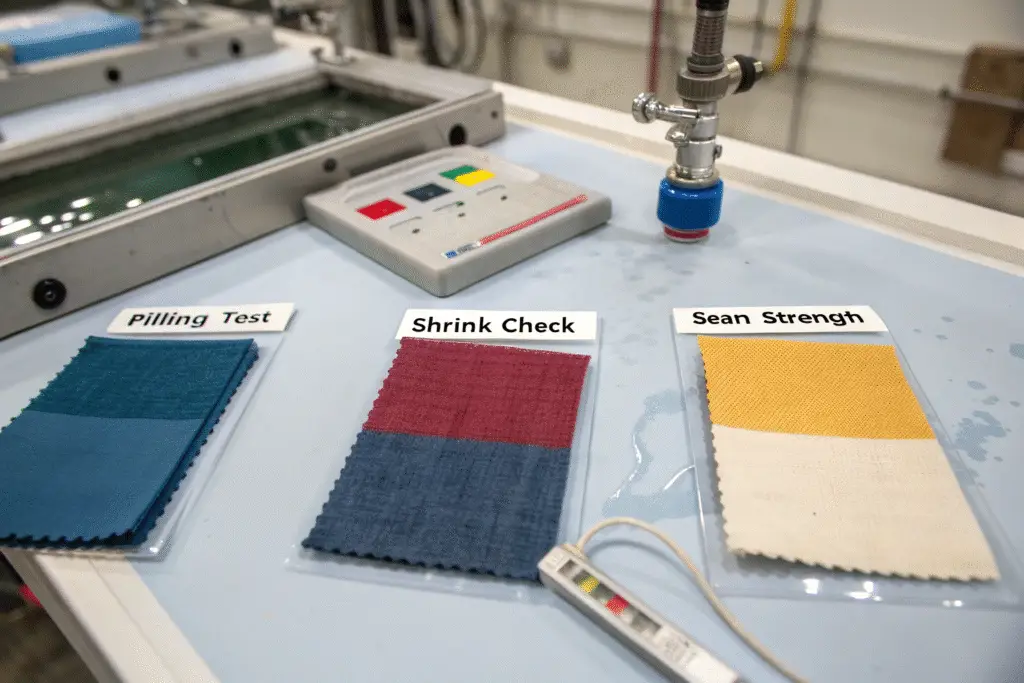
What Are Standard Durability Tests?
- Martindale Abrasion Test: tests wear-and-tear resistance
- Shrinkage Test: wash-dry-measure process
- Colorfastness Test: checks dye stability
- Stretch Recovery: measures elasticity post-tension
Agencies like SGS and Intertek offer these tests. Many manufacturers also include in-house lab reports in their tech pack submissions.
Should You Test Every Style or Only New Fabrics?
Test:
- Every new fabric
- Any untested supplier
- Every season if using natural dyes or eco-washes
Once trust is built, you can request batch testing certificates instead of sending individual samples.
Conclusion
The secret to profitable wholesale clothing lies in choosing the right fabrics. From cotton-poly blends for basics to modal for softwear and recycled polyester for conscious brands—there are smart options that meet both cost and quality expectations.
The best fabrics support durability, scalability, and market flexibility—helping your brand grow with fewer headaches. Make your fabric strategy your strongest wholesale advantage.