You’ve decided to bring your custom clothing idea to life, and now the burning question is: how much will it cost to manufacture each piece? This isn’t just curiosity—it’s a key number that determines your pricing strategy, profit margins, and success in the market.
The cost per piece in custom clothing manufacturing depends on fabric, complexity, order volume, printing method, packaging, and shipping—but averages range between $5 to $30.
In this article, I’ll break down every component that affects cost per unit when manufacturing garments in China. You’ll also learn how to estimate your true costs, avoid surprise charges, and plan production budgets smarter than your competitors.
What Are the Core Cost Components per Garment?
Cost-per-piece isn’t one fixed number. It’s made up of several cost drivers, each influenced by your design choices and production volume.
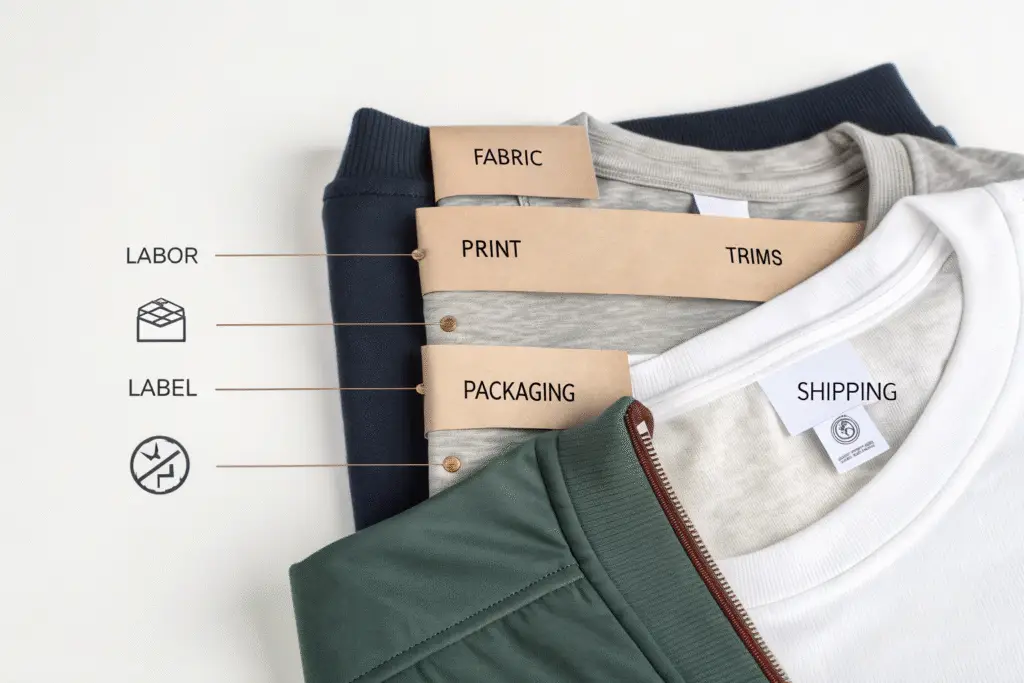
The final cost of a custom-made garment depends on materials, processes, labor intensity, branding details, and logistics.
How Does Fabric Type Affect Unit Cost?
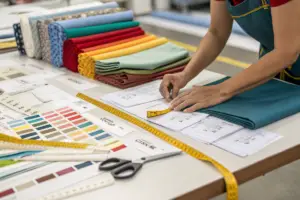
Fabric is the largest single cost factor. Basic materials like cotton jersey or polyester blends can cost as low as $1–$2 per meter. But if you’re using organic cotton, bamboo, or custom-dyed technical fabrics, that jumps to $3–$6+ per meter.
A standard T-shirt might use 1.3 meters of fabric. That’s $1.30–$7.80 per unit just in fabric. Suppliers like Banswara Syntex offer a variety of price-tiered textile options.
What Other Elements Add to Cost?
Besides fabric, other key contributors include:
- Labor and sewing complexity ($1.50–$5.00)
- Trims (zippers, buttons, tags) ($0.50–$1.00)
- Printing or embroidery ($0.30–$3.00)
- Branding & labels ($0.20–$0.80)
- Packaging (polybag, box, barcode) ($0.30–$1.50)
Suppliers like Printful offer on-demand production estimates that include many of these costs in their pricing models.
How Does MOQ and Order Volume Influence Per-Piece Cost?
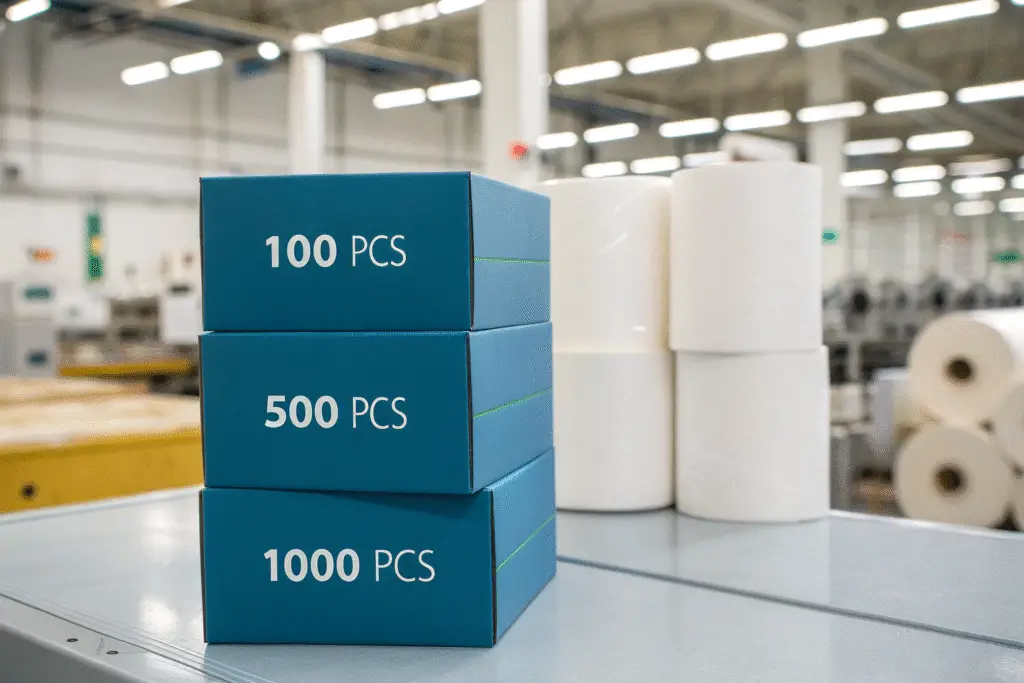
Volume pricing is the golden rule of manufacturing. The more you produce, the lower your cost per piece—because fixed costs spread across a larger quantity.
Higher MOQs mean better rates, especially for cutting, printing, and fabric purchasing.
What Is the Cost Difference Between Small and Large Orders?
Let’s say you’re making custom hoodies. Here’s a typical cost breakdown:
| Quantity | Unit Price | Comments |
|---|---|---|
| 100 pcs | $18.50 | Small MOQ, custom dyed |
| 500 pcs | $13.20 | Bulk fabric and print discount |
| 1000 pcs | $10.80 | Optimized factory usage |
Factories like Fumao Clothing or ODMYA offer tiered pricing models where costs decrease at higher volumes.
Are There Minimum Thresholds for Discounts?
Yes. Fabric mills often require 300–500 meters per color, so if you can’t meet this, you’ll pay a premium. Same goes for printing—setting up a screen print for 50 units costs nearly the same as for 500 units.
Platforms like Alibaba now let you filter by “low MOQ” or “sample available,” but keep in mind that small orders will always have higher per-unit costs.
How Do Customization and Branding Add to Costs?
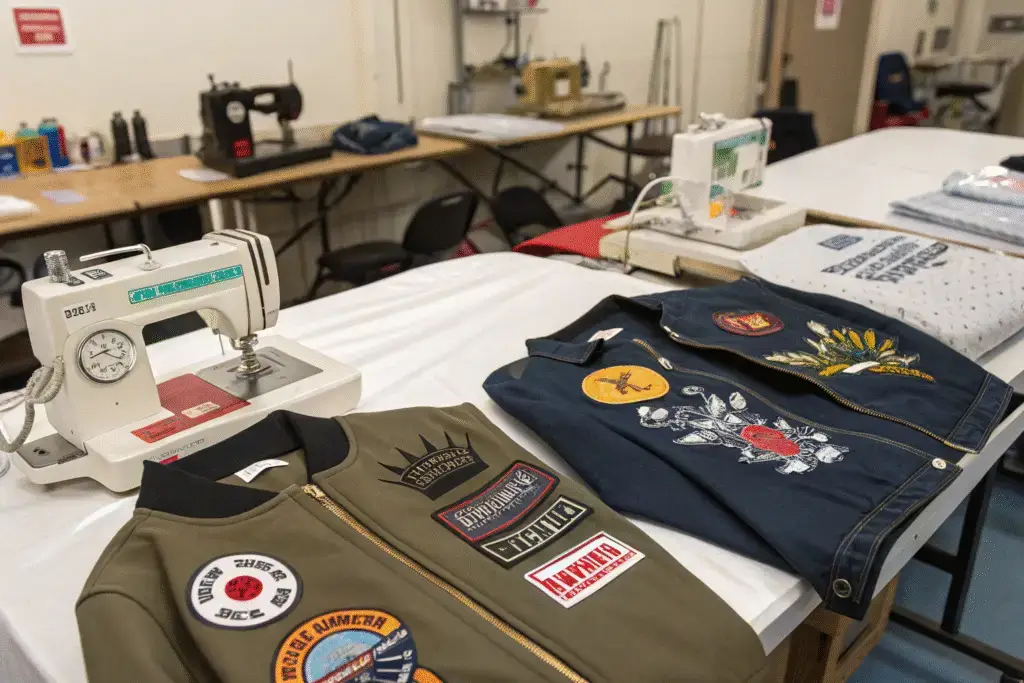
The more personalized your garment, the more expensive it gets to make. Branding, printing, and trim customization often add 20%–40% to the base cost.
Custom embroidery, printed neck labels, hang tags, and custom packaging all increase the price per unit.
What’s the Price Impact of Different Print Methods?
Here's how various printing techniques typically cost per piece:
| Print Type | Cost per Piece |
|---|---|
| Screen Printing | $0.50–$2.00 |
| Digital Print (DTG) | $1.00–$3.00 |
| Sublimation | $2.00–$4.00 |
| Embroidery | $1.50–$5.00 |
Berunwear explains that large, multicolor prints often increase price, especially for small runs.
What About Packaging and Brand Elements?
You’ll likely need hang tags, woven neck labels, size stickers, polybags, or even custom boxes. Here’s a rough guide:
- Woven Labels: $0.10–$0.25
- Hang Tags: $0.20–$0.40
- Polybags with barcode: $0.15–$0.30
- Custom Box: $0.50–$1.50
Reliable manufacturers like Sancool Garment often bundle these services or let you supply your own packaging components.
What Hidden or Additional Costs Should You Watch Out For?
Even with a clear quote, many first-time buyers are surprised by add-on costs. Don’t fall into this trap.
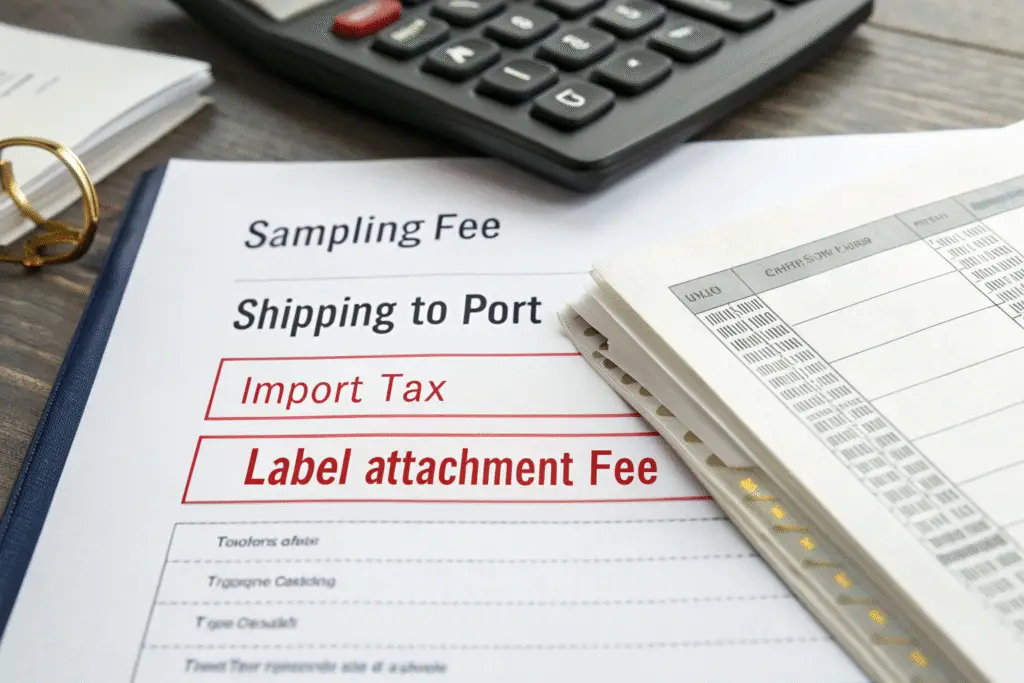
Sampling fees, international shipping, taxes, and QC inspection all impact your final cost per garment.
Do You Pay Extra for Sampling?
Yes. Most factories charge $50–$200 per sample, especially for custom cuts. While some deduct this from your bulk order, others don’t.
Companies like Lefty Production Co. provide pricing transparency, where sampling is part of a package. Always ask up front.
What About Shipping, Tariffs, and Miscellaneous Charges?
Don’t forget international freight and customs. Shipping via DDP (Delivered Duty Paid) often adds $1.00–$3.50 per unit, depending on volume and destination.
There’s also:
- Bank transfer fees ($30–$50 per payment)
- Label attachment fees ($0.05–$0.20 per label)
- QC/third-party inspection ($150–$300 flat fee)
Freight platforms like Freightos allow real-time shipping quotes for fashion products, making it easier to estimate total landed cost.
Conclusion
Custom clothing manufacturing cost per piece isn’t a one-size-fits-all number. It’s a dynamic equation shaped by fabric, volume, design, branding, and logistics.
But once you understand the variables, you can price your products confidently, negotiate better, and scale smarter. Whether you're producing 100 or 10,000 units, cost clarity leads to sustainable fashion growth.