If you’re like many U.S. fashion brand owners, you’ve probably heard both success stories and horror stories about working with Chinese clothing manufacturers. For every reliable partner who helps your label thrive, there are a dozen who miss deadlines, ignore quality specs, or vanish after receiving deposits.
In this article, I’ll share how I—and many others in the garment business—have learned to vet and find reliable custom clothing manufacturers in China. Whether you’re launching a new line or scaling an existing one, these methods will save you time, money, and stress.
I’ll walk you through key steps, tools, and industry insights so you can find your next trustworthy apparel partner in China with confidence.
What Are the Key Qualities of a Trustworthy Manufacturer?
You can’t judge a supplier just by price or photos. To avoid costly mistakes, you must look for certain traits that signal reliability and professionalism.
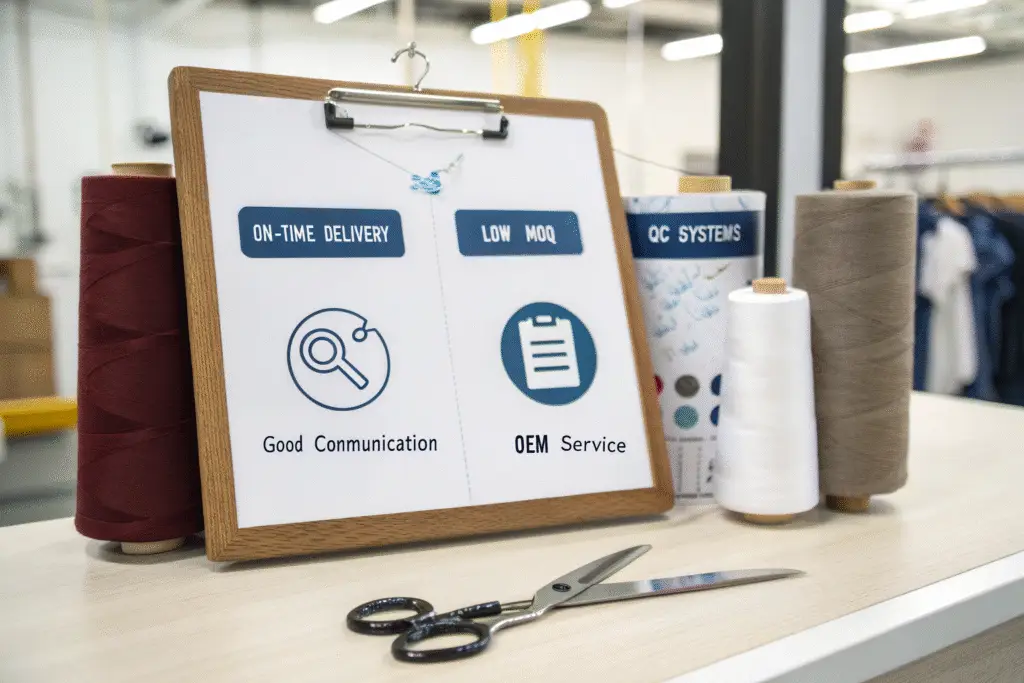
Reliable manufacturers consistently demonstrate strong communication, quality assurance systems, transparency in pricing, and stable infrastructure.
Do They Offer Full-Package Manufacturing (FPP) Services?
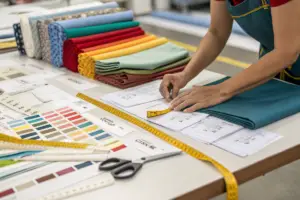
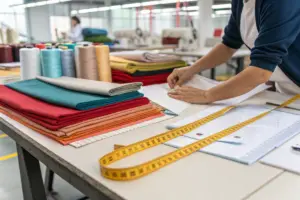
One of the biggest indicators of a trustworthy manufacturer is whether they provide end-to-end OEM/ODM services. This includes design consultation, fabric sourcing, sample making, and bulk production. Factories like Berunwear or ApparelWin offer this structure, helping minimize the need for intermediaries.
Without FPP, you might end up coordinating multiple suppliers—leading to delays and increased costs. Top manufacturers also maintain tech pack documentation and PLM systems to track every design update.
Can They Prove Their Quality Control System?
Good factories document their quality processes. Ask them for certifications like BSCI, WRAP, or OEKO-TEX. Companies such as Sancool Garment list their standards online and allow third-party QC inspections.
Reliable manufacturers will gladly share inspection reports, sample test videos, and allow inline checks. If they resist, it’s a red flag. Quality issues are the #1 cause of failed orders, especially in custom production.
Where Can You Search for Reliable Clothing Suppliers in China?
Once you know what qualities to look for, the next step is to search smartly. Not all suppliers online are created equal—some are agents, not factories.
To find real, experienced custom manufacturers, you must combine online research with offline methods like trade shows and referrals.
Is Alibaba Still a Good Platform in 2025?
Yes, but with caution. Platforms like Alibaba and Made-in-China remain useful starting points. Look for Gold Suppliers with 5+ years of experience, verified third-party audits, and transaction volume data.
Use filters like "OEM Service", “In-stock Samples”, and check factory videos. Also, read recent reviews, and request virtual tours if possible.
What About Attending Trade Shows in China or Abroad?
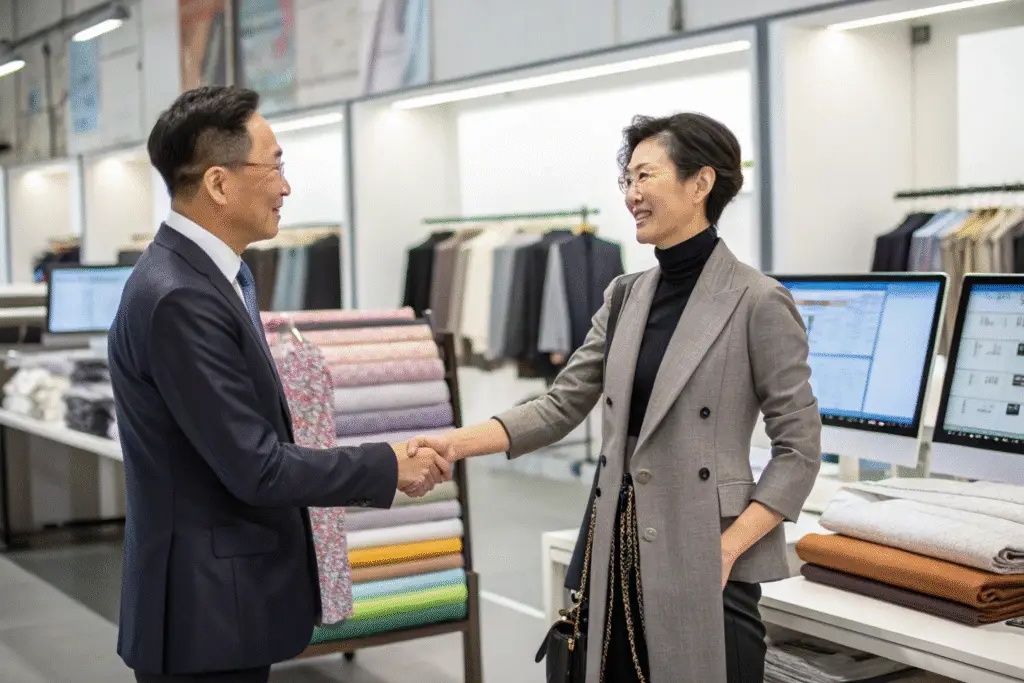
Trade shows are powerful ways to meet real factory reps face-to-face. Events like Canton Fair and CHIC Shanghai showcase hundreds of apparel manufacturers.
You can touch fabrics, view samples, and discuss MOQs and shipping on the spot. Always follow up with a factory visit or virtual audit after the show. This filters out intermediaries.
How to Verify If a Supplier Is Truly a Factory?
You don’t want to discover too late that your "factory" is just a trading company. There are smart ways to verify their claims before placing a big order.
Real factories have physical infrastructure, specific licenses, and consistent online/offline presence.
Can You Request a Virtual Factory Tour?
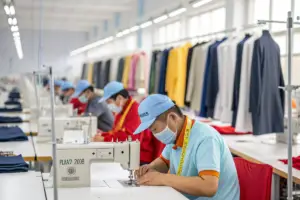
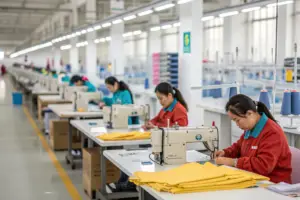
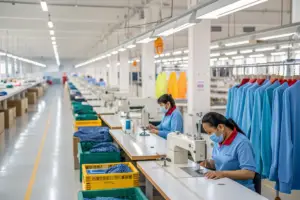
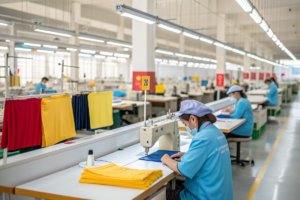
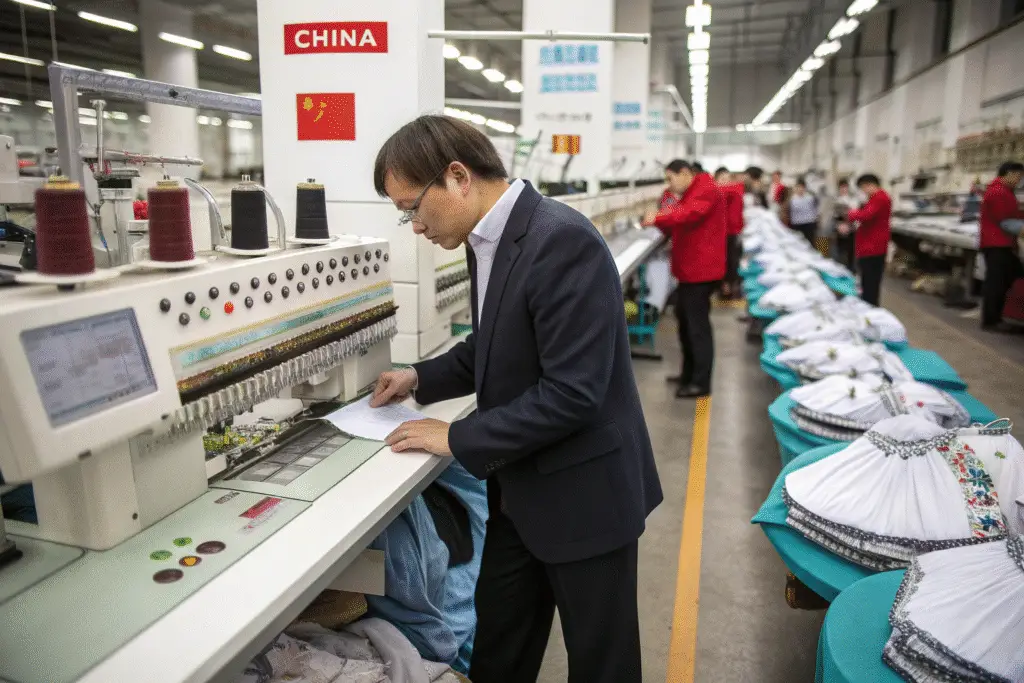
Absolutely. Use tools like Zoom or Alibaba's live factory tour feature. Ask the supplier to show:
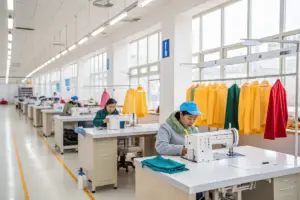
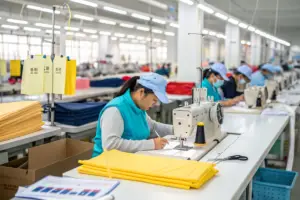
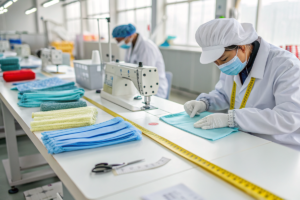
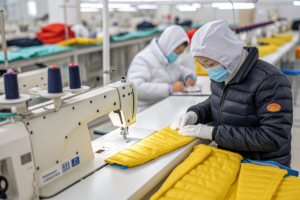
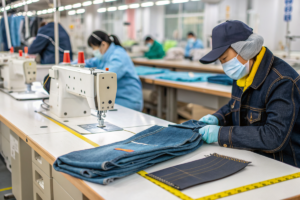
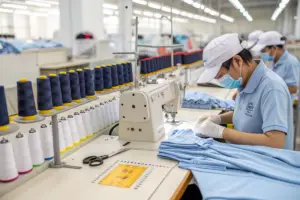
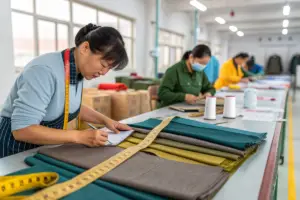
- Their cutting, sewing, and packing stations
- Company signboards and licenses
- Real-time footage of active workers
If they avoid this, or if everything looks rented, walk away. Reliable suppliers are proud to show their space.
Are Their Business Licenses and Certifications Valid?
You can ask for their Chinese business license, which includes a Unified Social Credit Code (18 digits). Then verify it on Qichacha or Tianyancha. These platforms show if the business is active, registered, and compliant.
Additionally, look for export licenses, and whether they hold BSCI, ISO9001, or GOTS depending on your apparel category. Many trustworthy factories will include PDFs or badge icons on their website like ODMYA.
What Are Common Red Flags When Dealing with New Suppliers?
Even experienced buyers get tricked sometimes. If you know what red flags to look for, you’ll avoid most scams or disappointments.
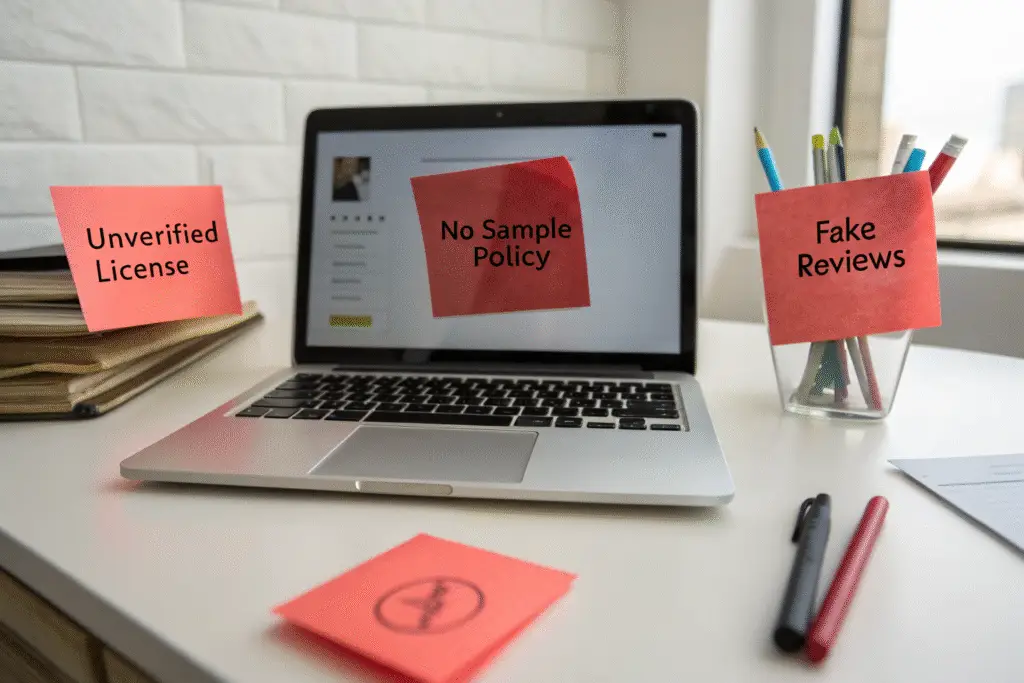
Unrealistic prices, vague answers, refusal to share sample videos, or overpromising timelines are all warning signs.
Do They Rush You for Payment or Avoid Video Calls?
Pushy behavior is suspicious. Legit factories understand that business takes trust. If a supplier insists on Western Union payments, avoids PayPal or escrow, or won’t do a simple call, walk away.
Good suppliers provide pro forma invoices, explain payment terms, and don’t rush you. Fumao Clothing for example, offers flexible deposits, accepts Letter of Credit, and supports new client onboarding.
Are Reviews or Certificates Faked?
Always reverse image search certifications using TinEye or check the issuing body's website. Fraudulent suppliers often Photoshop BSCI or WRAP logos. Cross-check with actual certificate numbers on sites like amfori.org.
For reviews, look at writing patterns. Fake reviews often use similar phrasing, bad English, or sound overly dramatic. Sites like Trustpilot or SiteJabber are useful for background checks.
Conclusion
Finding a reliable custom clothing manufacturer in China isn’t luck—it’s a strategic process. By focusing on service quality, verifying their credentials, and avoiding red flags, you can confidently build long-term partnerships that fuel your brand growth.
In 2025, sourcing smarter means doing more due diligence, not just chasing low prices. Choose partners who align with your brand’s values, communicate clearly, and prove they’re in it for the long haul.