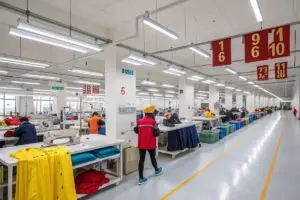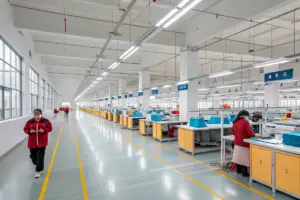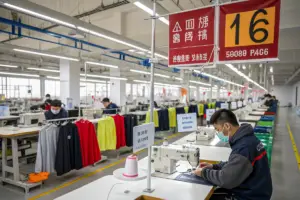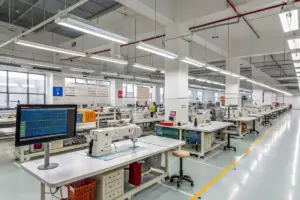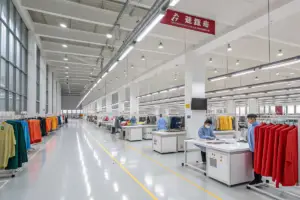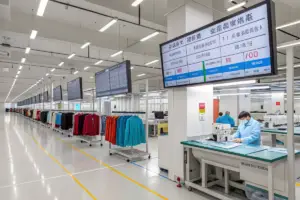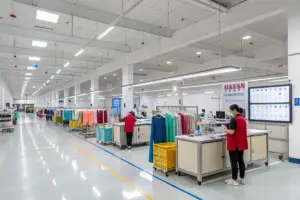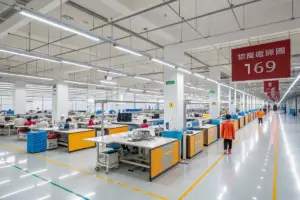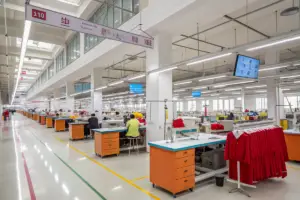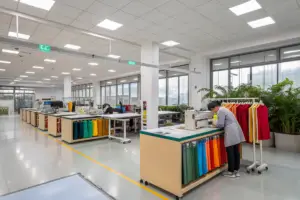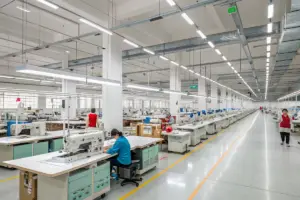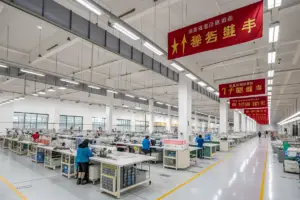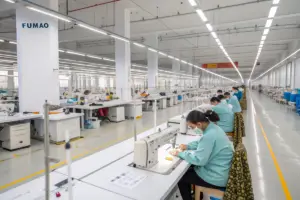
Fashion is one of the world’s most polluting industries—responsible for nearly 10% of global carbon emissions. While greenwashing is everywhere, few strategies offer real carbon savings like capsule wardrobes. As a Chinese apparel manufacturer working with U.S. brands, I’ve seen how a shift from trend-heavy collections to lean, long-lasting capsules drastically lowers environmental impact.
Capsule wardrobes reduce the carbon footprint of fashion by minimizing production cycles, lowering transportation loads, extending garment lifespan, and reducing waste across the value chain.
For sustainability-conscious buyers like Ron, capsules provide more than minimalist aesthetics—they offer measurable carbon reductions that benefit the planet and improve brand reputation. Let’s break down exactly how this works.
How Does Capsule Production Lower Carbon Emissions?
Fewer styles, fewer materials, fewer production runs.
Capsule collections reduce carbon emissions during production by cutting fabric waste, streamlining processes, and reusing proven design templates.
Why Are Traditional Lines Carbon Intensive?
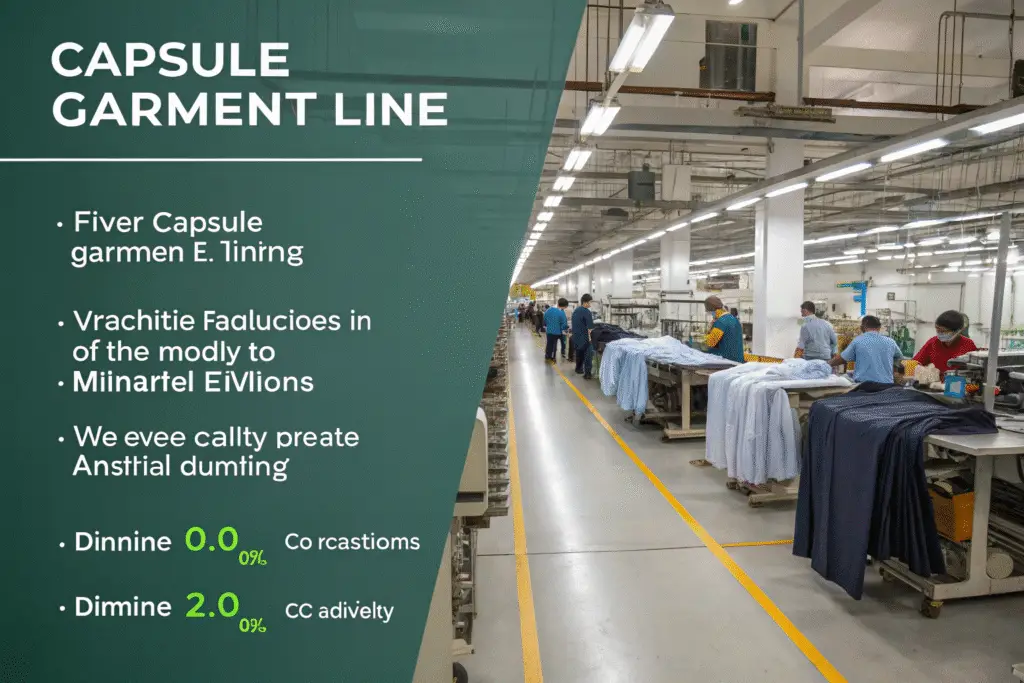
A typical seasonal collection may include 100+ styles, each with unique materials, trims, and factory setups. This requires multiple sourcing trips, heavy machinery use, and electricity-guzzling sample rounds.
According to the Ellen MacArthur Foundation, more than 70% of fashion’s carbon footprint is generated during raw material production and manufacturing.
How Do Capsules Change That Equation?
With only 20–30 styles per drop, capsule lines often use shared fabrics and simple silhouettes. That means less retooling, less water use, and fewer electricity hours per item. At our factory, capsule clients average 35% lower energy use per garment than traditional clients.
When fewer garments are made—but used longer—the environmental savings compound quickly.
How Does Longer Wear Reduce Carbon Per Use?
Carbon efficiency isn’t just about how a garment is made—it’s about how long it’s worn.
Capsule garments reduce carbon per use by staying in rotation longer, reducing the need for frequent replacement and associated emissions.
What’s the Carbon Cost of a Short-Lived Garment?
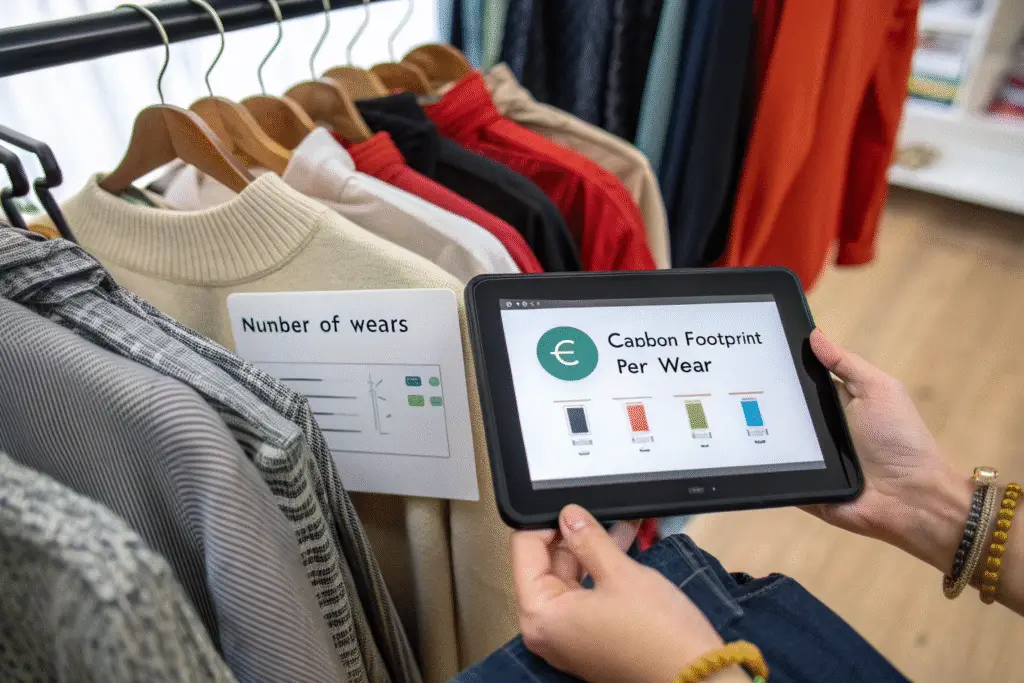
A single cotton T-shirt emits about 6.75 kg of CO₂ during its lifecycle, according to Wrap UK. If it’s only worn five times, that’s 1.35 kg per wear. But if it’s worn 50 times, it drops to 0.135 kg.
Fast fashion thrives on volume and speed. Consumers wear a trendy piece once or twice before discarding it. That’s a carbon disaster.
Why Do Capsule Pieces Perform Better?
Capsule items are designed to last. Simple designs, durable stitching, and neutral colors keep them stylish and functional across seasons.
Our capsule clients often print “expected wears” on garment tags. It reframes the purchase: “This isn’t for a night out—it’s for a lifestyle.” One well-made hoodie worn weekly for a year has a much lower carbon impact than five trendy ones worn once.
How Do Capsules Cut Emissions in Shipping and Logistics?
Shipping fewer styles, less frequently, in smarter cartons means less fuel burned.
Capsule wardrobes reduce fashion’s carbon footprint by optimizing fulfillment loads and minimizing air, sea, and land transportation emissions.
How Do Traditional Lines Overload Freight?
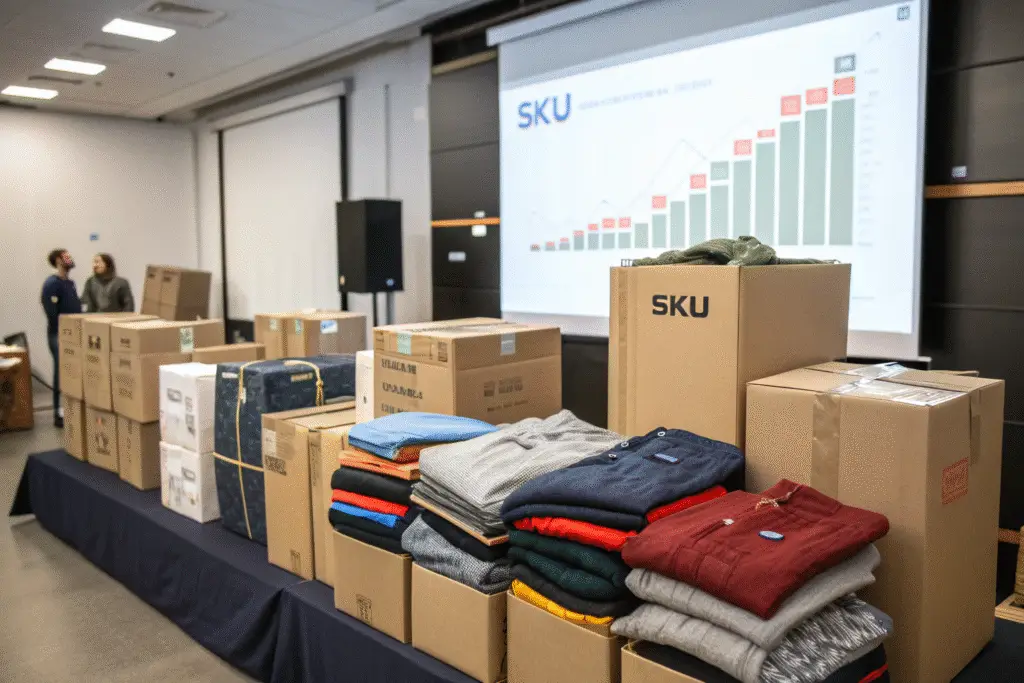
A large seasonal launch involves air-freighting samples, bulk sea shipments of mixed SKUs, and return shipments for unsold inventory. All of this adds up. A standard 40-ft container emits around 2 tons of CO₂ per ocean voyage, per EPA estimates.
Retailers then break bulk, sort assortments, and repack for final delivery. That last-mile process burns even more fuel.
What Makes Capsule Shipping More Efficient?
With fewer SKUs, capsule collections can be packed more efficiently. We pre-label boxes by item group, reducing repack labor. Fewer drops per year mean fewer transport cycles. One of our clients shifted from four seasonal shipments to two capsule drops and cut shipping emissions by 40%.
Carbon savings come from fewer miles traveled, tighter carton planning, and simplified distribution.
How Do Capsules Minimize End-of-Life Emissions?
When garments end up in landfill, they continue emitting greenhouse gases.
Capsule wardrobes reduce post-consumer emissions by encouraging reuse, resale, and recycling through simplified design and emotional longevity.
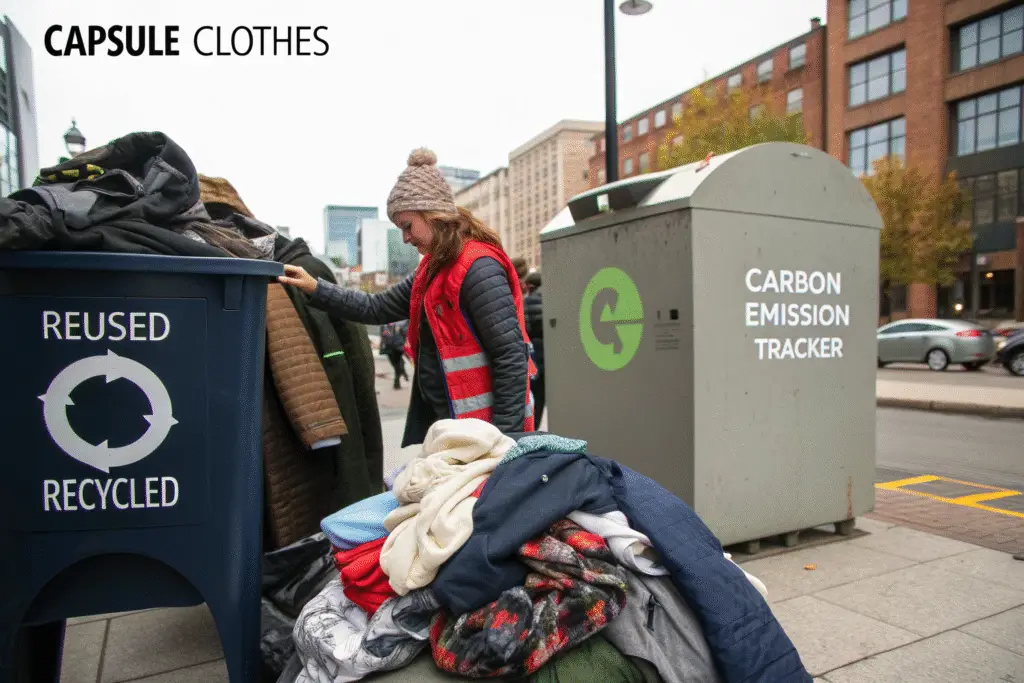
What Happens to Unsold or Discarded Fashion?
Each year, millions of tons of unsold clothing are incinerated or dumped. As they decompose, they emit methane—a potent greenhouse gas. Fashion waste accounts for over 500,000 tons of microplastics released into the oceans annually (UNEP).
Traditional garments with zippers, mixed fibers, or coatings are hard to recycle. They often go straight to landfill.
Why Are Capsules More Recyclable?
Capsule items typically use mono-materials like 100% cotton or wool. They have fewer embellishments and clearer labeling, making them easier to disassemble and sort.
We help clients design with end-of-life in mind—using FibreTrace tags, repair instructions, and resale platforms like ThredUp. This keeps clothes in circulation and out of landfills.
Conclusion
Capsule wardrobes offer one of the most powerful tools for cutting fashion’s carbon footprint. They streamline production, reduce transportation emissions, increase wear rates, and support circularity at scale. As a manufacturer working with eco-conscious U.S. buyers, I’ve seen how even small shifts in SKU strategy and design thinking can lead to big carbon wins. If you’re serious about sustainability, it’s time to go capsule—not just for your closet, but for the climate.