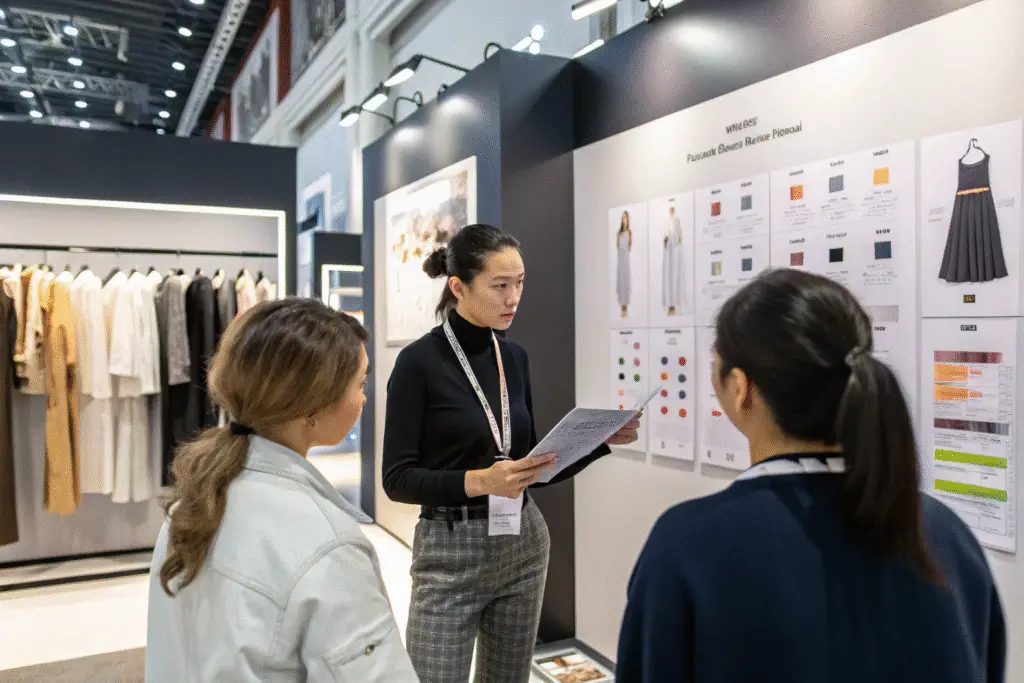
Capsule wardrobes simplify life, reduce waste, and boost satisfaction—but not all buyers understand how they work. Whether you’re targeting a seasoned fashion executive or a new retailer, teaching capsule logic is essential for success. As a Chinese apparel manufacturer exporting to the U.S., I’ve seen how education helps our clients not only embrace capsule strategies but sell them confidently to their own customers.
Educating buyers about capsule thinking requires clear messaging, practical demonstrations, and data that proves the business value of smaller, smarter collections.
When your buyers see that capsules reduce returns, simplify logistics, and increase consumer loyalty, they become champions of the model. Here’s how to bring them along that journey.
What Is the Best Way to Introduce Capsule Logic?
Capsule thinking is new to many wholesale buyers accustomed to variety and volume.
Start with simple visuals, familiar product examples, and a narrative that explains how capsule collections outperform trend-based bulk ordering.
How Can You Explain Capsules in Simple Terms?
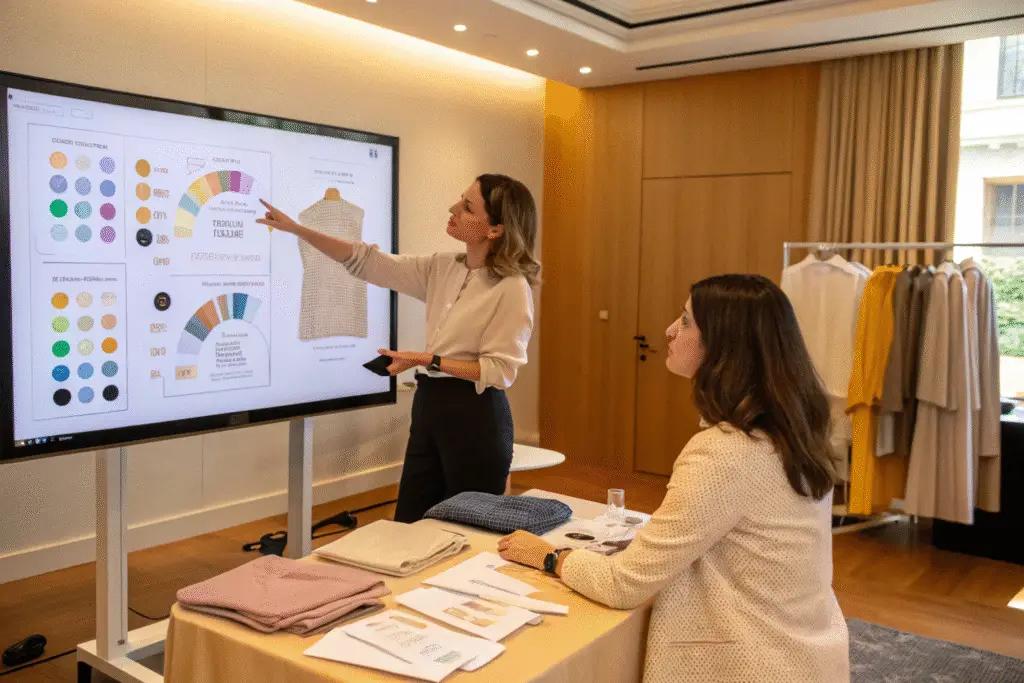
We describe a capsule as a “modular wardrobe system”—20–30 items that work across occasions and seasons. Each piece is versatile, timeless, and intentionally designed. We use diagrams showing outfit combinations, ROI tables, and testimonials from capsule-first brands.
One of our U.S. clients used VETTA Capsule videos during buyer meetings to explain the concept. Seeing real customers use one item five ways helps the logic stick.
Should You Compare It to Fast Fashion?
Yes—but carefully. Instead of attacking fast fashion, highlight how capsule logic increases profitability through efficiency. Fewer SKUs mean tighter forecasting, less deadstock, and stronger brand identity. These are arguments that buyers like Ron truly value.
By showing side-by-side case studies with return rates, sell-through percentages, and reorder patterns, we make the comparison easy to understand and hard to ignore.
How Can You Use Data to Convince Skeptical Buyers?
Numbers tell the story faster than words.
Use real performance metrics—like higher sell-through rates, lower returns, and faster replenishment cycles—to prove the value of capsule models.

What KPIs Help Make the Case?
We often present:
| Metric | Capsule Model | Traditional Model |
|---|---|---|
| Return Rate | < 8% | 18–30% |
| Sell-Through | 80–95% | 60–75% |
| Reorder Time | 10–15 days | 20–45 days |
| Deadstock Rate | < 5% | 20%+ |
Buyers love data that connects directly to their bottom line. When they see how much they can save by avoiding markdowns or handling fewer returns, they start asking us for capsule-ready SKUs.
How Do You Present These Metrics?
We use clear visuals: graphs, infographics, and side-by-side comparisons. Some buyers prefer a capsule test run. In those cases, we co-develop a 12-piece micro-capsule, track performance together, and then review the results with them using platforms like Google Data Studio.
What Tools Help Buyers Visualize Capsule Potential?
Buyers need to see capsules in action—not just on paper.
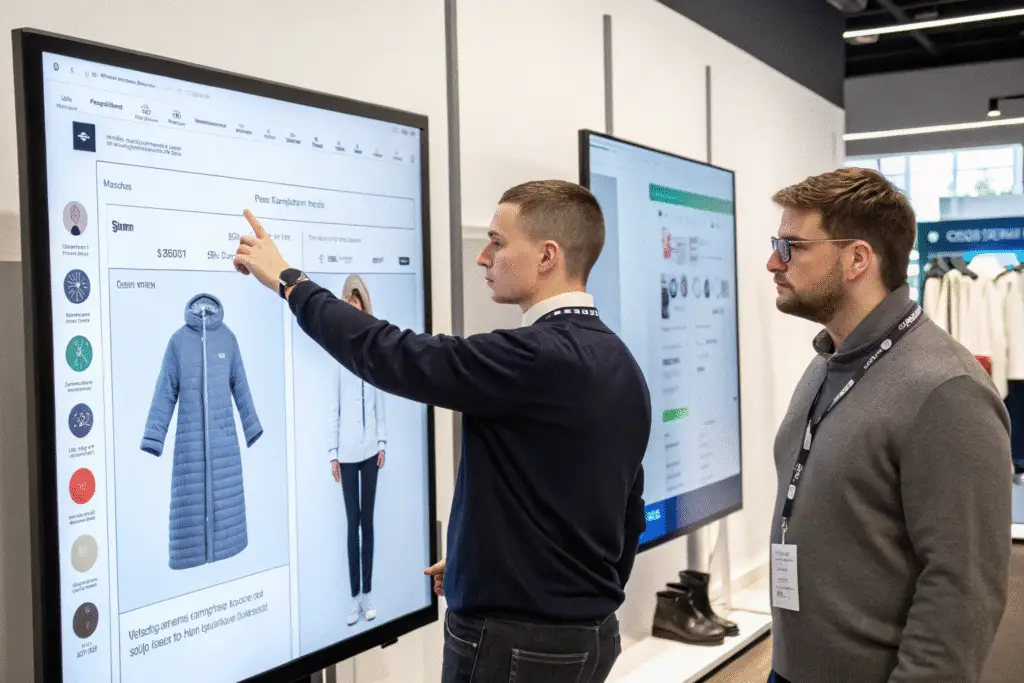
Interactive lookbooks, styling apps, and digital assortment planning tools help buyers visualize how capsule items function in real-world wardrobes.
How Can Styling Simulations Be Used?
We offer styling boards and packing guides showing 10 outfits from 5 items. These are presented in printed catalogs or shared online using tools like Canva or Figma. Buyers can drag, drop, and build virtual wardrobes from our samples.
Seeing how one black jacket works across travel, office, and weekend settings creates a clear value proposition—more use from fewer products.
Are Digital Showrooms Effective for Capsules?
Very much so. Platforms like JOOR and NuORDER allow us to showcase pre-planned capsule assortments with pricing, sizing, and style notes. We often preload suggested bundles that align with seasonal needs and market feedback.
These tools reduce decision fatigue and help buyers reorder proven styles quickly and with confidence.
How Do You Train Sales Teams to Reinforce the Message?
Buyers listen more when every sales conversation supports the same logic.
Training your internal team to speak fluently about capsules ensures consistent, confident messaging during every pitch or trade show interaction.

What Should Sales Reps Learn to Emphasize?
We train our team to focus on:
- Cost-per-wear vs. price per unit
- Low return rates
- Ease of mix-and-match
- Styling support assets
- Production and replenishment speed
They use short scripts and real brand case studies. For example: “This cotton shirt was worn 45 times in user tests—averaging $1.30 per wear compared to a $15 fast-fashion piece worn twice.”
How Can You Support Retailer Education Post-Sale?
We provide post-sale marketing materials like social captions, email templates, and shelf talkers explaining capsule logic to end consumers. This way, our clients can pass the education forward, which strengthens sell-through and return on investment.
Helping the buyer teach the customer ensures capsule thinking becomes a complete feedback loop.
Conclusion
Educating buyers about capsule thinking takes more than a presentation—it requires visuals, data, hands-on tools, and training that connect logic to business outcomes. From small boutique owners to national buyers, once people understand how capsules save time, reduce waste, and increase value per piece, they quickly become advocates. As a supplier building these wardrobes for brands across the U.S., I know the power of education. Teach the strategy well, and the sales will follow.