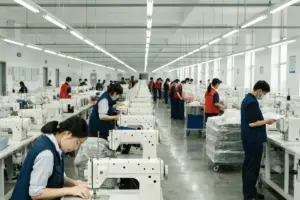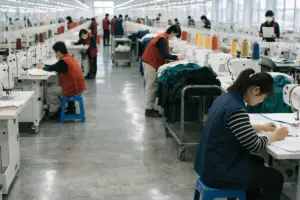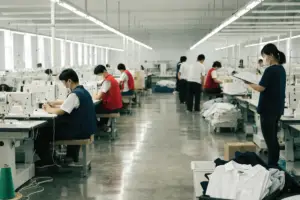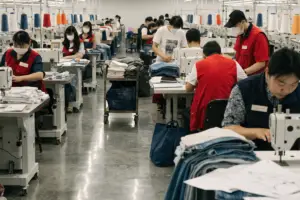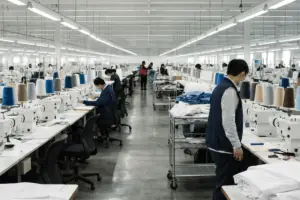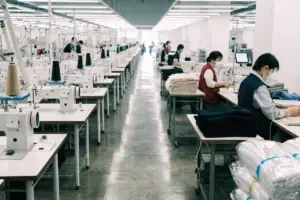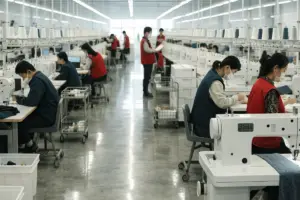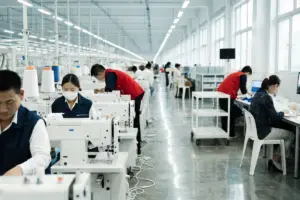
Today’s fashion industry is under pressure. Consumers demand variety. Brands chase speed. Yet, our planet can’t keep up. Mountains of unsold inventory, textile scraps, and logistics inefficiencies plague the traditional supply chain. The result? Enormous waste and lost profits.
Capsule collections offer a sustainable solution by aligning design, production, and consumer demand to reduce waste across the apparel supply chain.
If you’ve ever struggled with unsold stock, inefficient production cycles, or complex inventory issues, capsule collections could be your path to cleaner, leaner operations. Let me show you how we help U.S. apparel brands achieve this every season.
What is the relationship between capsule collections and lean inventory?
Capsule collections thrive on minimalism. Unlike fast fashion’s constant rotation of styles, a capsule strategy limits SKUs and instead focuses on timeless, cohesive designs. This shift isn’t just aesthetic. It directly impacts how inventory is planned and executed.
Capsule collections help reduce inventory waste by limiting styles, improving forecast accuracy, and simplifying the production-to-shelf journey.

How do capsule collections simplify forecasting?
Traditional fashion cycles rely heavily on speculative forecasting, often resulting in overstocks. In contrast, capsule collections introduce repeatability and predictability. Since items are versatile and seasonless, demand planning becomes more accurate, with fewer markdowns and write-offs.
Capsule collections also encourage limited runs and pre-orders. These practices reduce the risks associated with large-scale production. ERP software integrated with capsule planning gives us real-time insights, allowing our American partners to restock only the best-performing pieces.
Why are fewer SKUs better for warehouse efficiency?
Each SKU you produce adds complexity—from raw materials to final packing. With capsule designs, we’ve helped clients cut SKUs by 40%, slashing warehouse space needs. Reduced SKU count also means simplified sorting, packing, and shipping, especially beneficial in DDP export models.
Moreover, automated storage systems work more efficiently with streamlined SKUs, saving time and reducing handling errors. This directly improves fulfillment timelines and reduces excess labor.
How do capsule collections improve fabric utilization?
Designing with intention starts with fabric. Capsule collections prioritize shared materials and cohesive color palettes, which means fabrics are ordered in bulk, cut efficiently, and used across multiple designs. That’s how we cut waste from the source.
By using shared textiles across styles and seasons, capsule collections ensure higher fabric yield and lower wastage per garment.
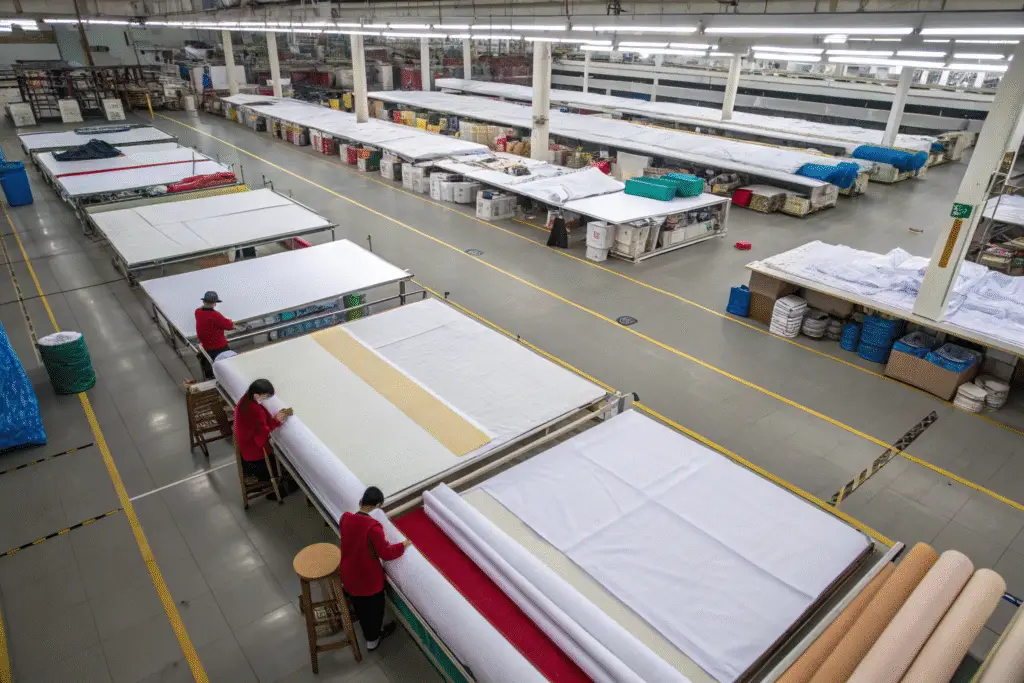
Instead of developing individual textiles for each style, capsule planning focuses on a small number of shared base fabrics. For example, we helped a U.S. streetwear brand consolidate six types of cotton knits into two, boosting MOQ leverage and reducing leftover rolls by 60%.
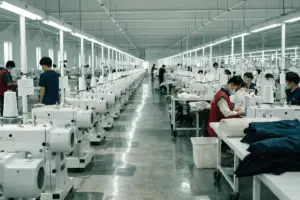
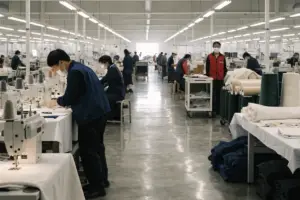
This approach reduces waste while improving fabric cost-efficiency. Suppliers often offer better rates when bulk orders are placed for a single textile type. Plus, our factory uses digital cutting systems that map layouts for maximum yield.
Why does modular design minimize cut waste?
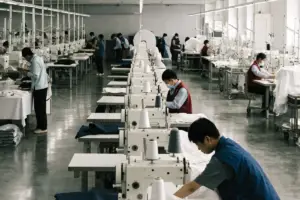
Capsule items are designed to fit together—literally. We often use modular patterning, meaning pieces like collars, sleeves, or pockets are cut from shared templates. That makes it easier to lay out patterns tightly, reducing scrap fabric between cuts.
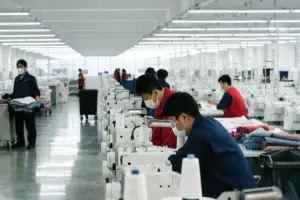
With help from CAD patterning tools, we simulate multiple cutting scenarios and select the most efficient one. For our partners, this translates to leaner operations and lower production costs per unit.
Can capsule collections streamline logistics and shipping?
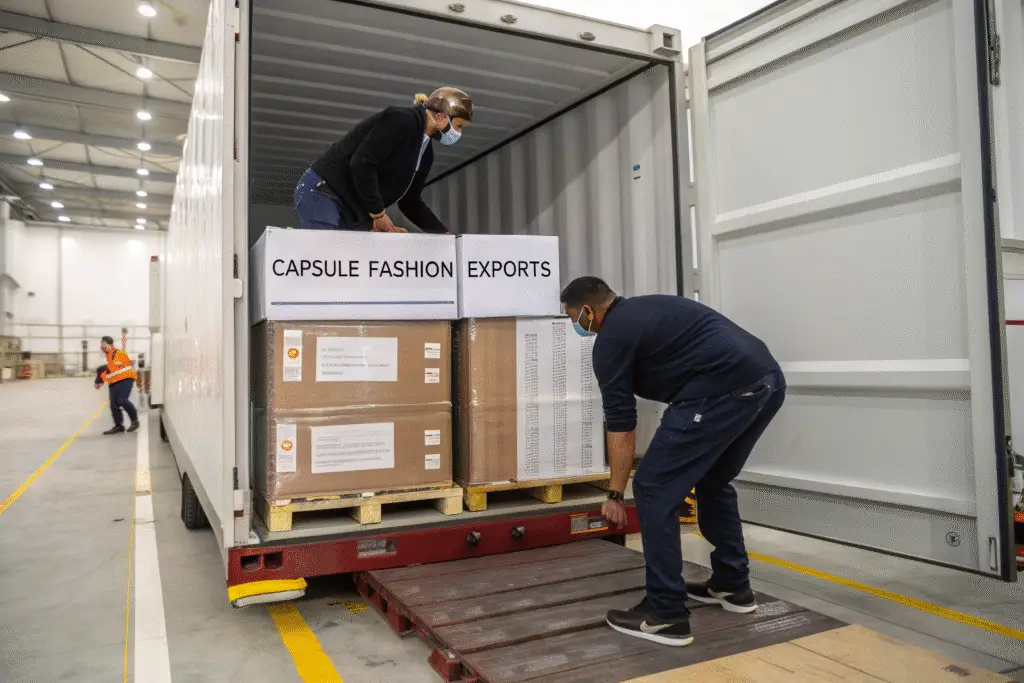
Shipping inefficiencies are a silent profit killer. Every delayed or half-filled container erodes your margins. Capsule collections reduce the number of SKUs, making shipping faster, fuller, and more cost-effective.
By consolidating production and reducing SKU complexity, capsule strategies optimize container usage and reduce freight frequency.
How does SKU consolidation reduce shipping frequency?
When brands run dozens of collections with hundreds of styles, shipping is fragmented. Containers depart half-full. With capsule models, however, styles are produced in batches with shared components, allowing fuller container loads.
Our DDP logistics model combines items from multiple capsule orders into single shipments. This lowers freight costs and reduces carbon output. Plus, fewer shipments mean fewer customs clearances—a win for your lead times and your team.
Why is shipping capsule products easier to coordinate?
With fewer moving pieces, it’s easier to coordinate freight timelines across factories, warehouses, and distribution centers. Our partners in the U.S. often appreciate how capsule planning improves predictability.
Each collection follows a pre-agreed production and loading schedule. As a result, tracking is simpler, delays are rare, and you’re more prepared for market launches. When customs or port backlogs hit, capsule systems help us reroute stock more efficiently.
How do capsule collections support better retail sell-through?
Selling through inventory is the holy grail of fashion retail. The more you sell at full price, the healthier your brand. Capsule collections create cohesion on shelves and clarity for buyers.
Capsule collections support higher full-price sell-through by offering versatile, cohesive pieces that encourage mix-and-match buying.

How does cohesive design drive repeat purchases?
When consumers love one piece from a capsule, they’re more likely to return for complementary items. Our clients often report better lifetime value (LTV) when products can be styled together.
For example, a U.S. boutique chain we supply saw a 28% increase in cart size by using visual merchandising based on mix-and-match capsule displays. When SKUs are thoughtfully connected, visual storytelling becomes more effective—and so does sales conversion.
Why do capsules reduce markdown dependency?
Unlike trend-chasing collections that lose appeal quickly, capsule styles are intentionally timeless. This means fewer end-of-season mark-downs. Retailers can keep capsule items on shelves longer and rotate them by restyling, not replacing.
This long shelf life reduces inventory write-downs and improves gross margin. Our partners also love that capsule drops support storytelling in direct-to-consumer campaigns, keeping their audience engaged without the pressure of new designs every month.
Conclusion
Capsule collections aren’t just a design philosophy—they’re a supply chain solution. From raw material sourcing to final retail sell-through, they reduce waste, lower costs, and improve efficiency. For American buyers like Ron, who juggle quality demands, pricing sensitivity, and supply complexity, capsule strategies offer clarity and control. At Fumao Clothing, we help our partners implement these systems every season, transforming challenges into profit—and turning simplicity into success.