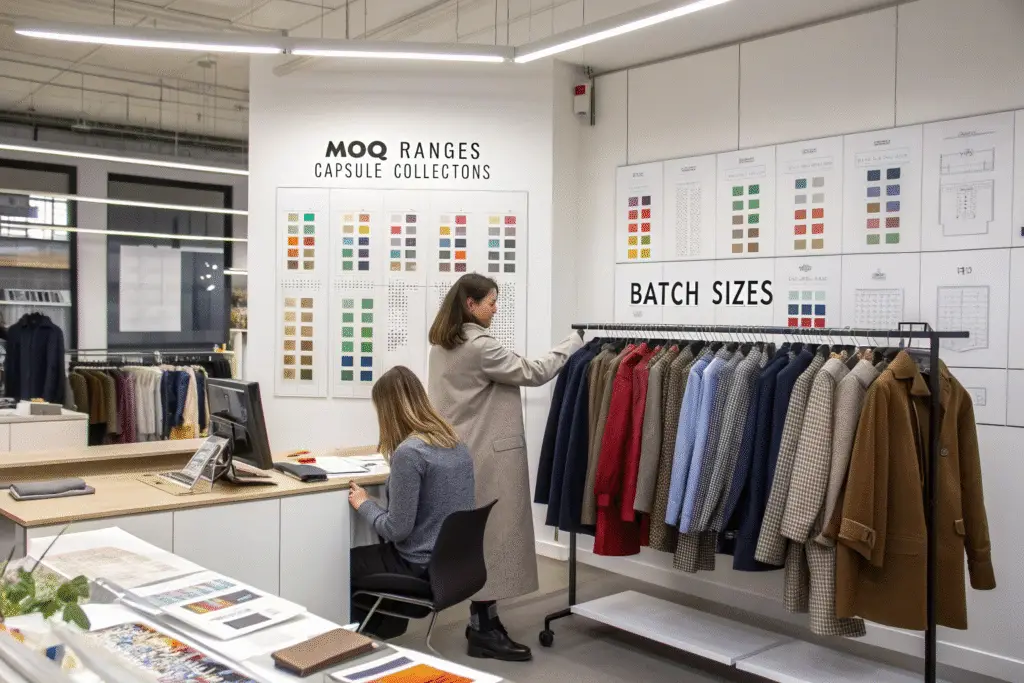
Capsule brands don’t need 5,000 units of a single style—they need variety in small quantities. But that creates a unique challenge: how to meet factory MOQs without overproducing or overspending?
Capsule brands thrive with flexible MOQs ranging from 50 to 300 units per style, depending on fabric type, trim complexity, and factory setup—balancing brand needs with production efficiency.
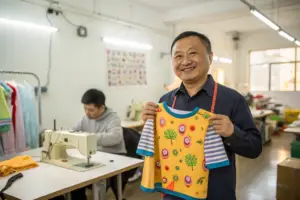
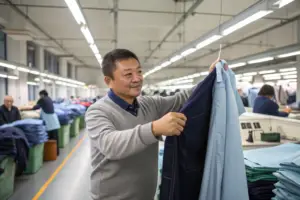
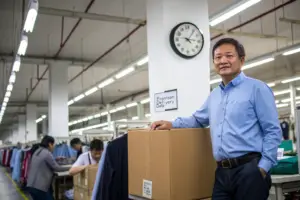
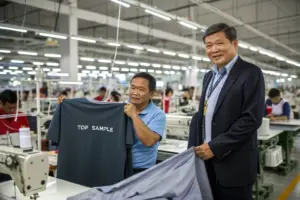
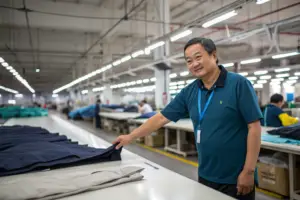
As the owner of a garment factory in China serving capsule-focused U.S. and European brands, I’ve developed systems that allow small orders without killing margins. It’s all about structure, sourcing strategy, and clear communication.
What Are the MOQ Ranges That Suit Capsule Collections?
Not all products require the same MOQ. Factories calculate minimums based on labor time, fabric source, and setup costs.
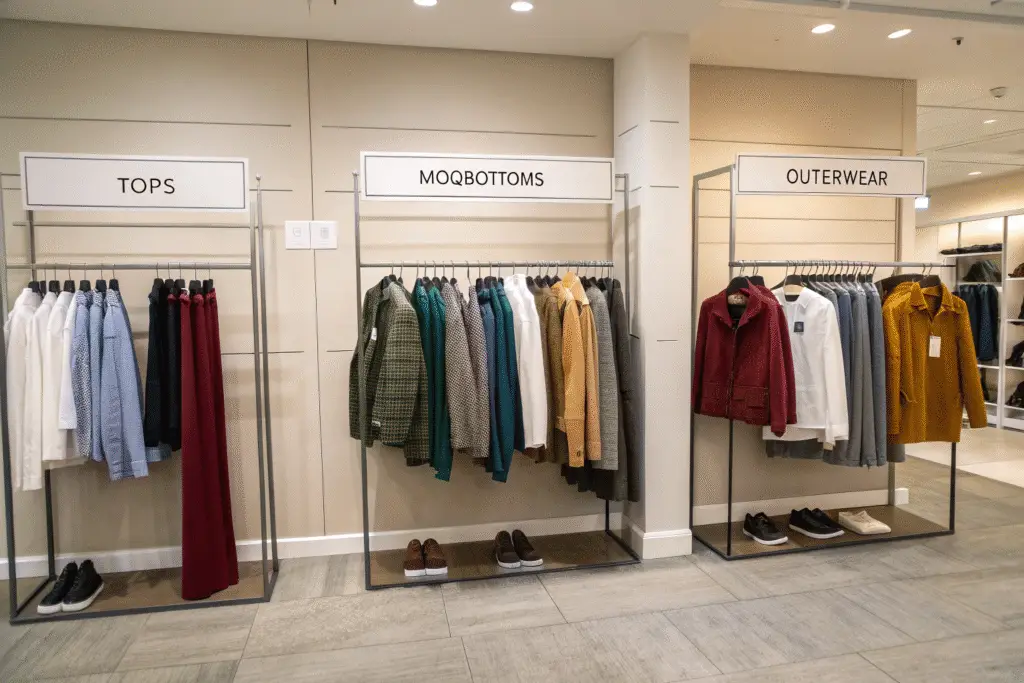
Typical MOQs for capsule brands range from 50 pieces for basic knits to 300+ for complex outerwear, with flexible options in between.
How Low Can a Factory Go?
For single-size samples, we can produce as low as 10–20 units—but that’s usually for photography or influencer seeding. For production, 50 pieces per color per style is the most common starting point for capsule brands.
T-shirts or joggers with stock fabrics are the easiest to keep low. A 100-piece MOQ is common for those using materials from local mills or shared inventory.
Why Are Some Items Higher?
Woven jackets, lined trousers, or anything involving pattern complexity and detailed trims usually start at 200–300 units. The cutting and assembly effort is high, and factories must make the math work.
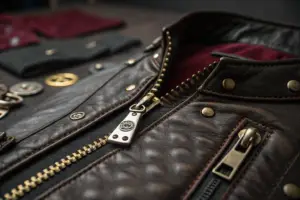
To reduce MOQ, brands often simplify designs—fewer zippers, shared lining, or using YKK stock trims rather than custom items.
How Can Capsule Brands Optimize MOQ Without Sacrificing Variety?
Capsule brands win on variety—but every new color or size affects MOQ. Smart optimization preserves diversity while staying efficient.
By using shared components, strategic colorways, and mix-sizing, capsule brands reduce the MOQ burden across SKUs.
What Is Style Consolidation?
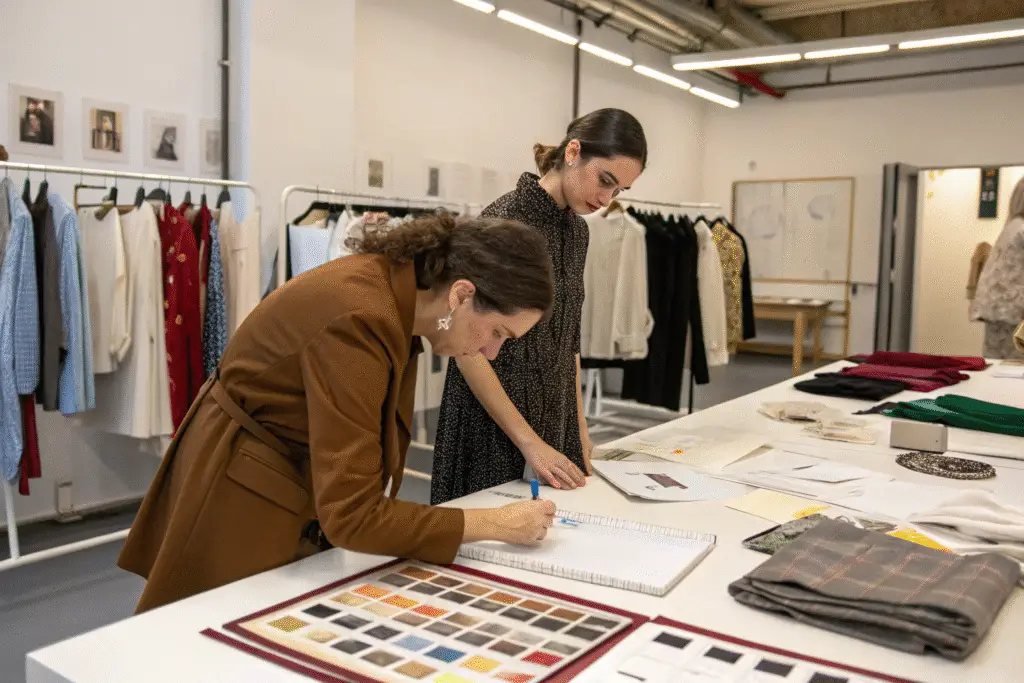
It means designing multiple SKUs using one base pattern. For example, a cropped jacket and a longer coat may share 80% of the same cut. We simply change the body length and pockets. That lets us group them under a 200-unit MOQ while offering two different styles.
Capsule leaders like AYR and Cuyana use this technique to keep lines tight but flexible.
If five pieces in a capsule use the same cotton twill or jersey, we can bulk order that fabric and cut it across all items. This avoids separate fabric minimums—often the real bottleneck—and cuts costs by 10–20%.
We also use deadstock and overstocked rolls from mills to help brands like yours bypass minimum dyeing runs, with support from platforms like Queen of Raw.
What Fabric and Trim Choices Allow Lower MOQ?
The secret to low-MOQ production often lies in the raw material choices—not just the design.
Capsule brands that choose stock fabrics, simple linings, and shared trims unlock lower MOQs without compromising design intent.
Why Are Stock Materials Ideal?
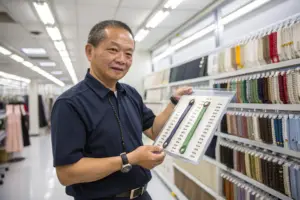
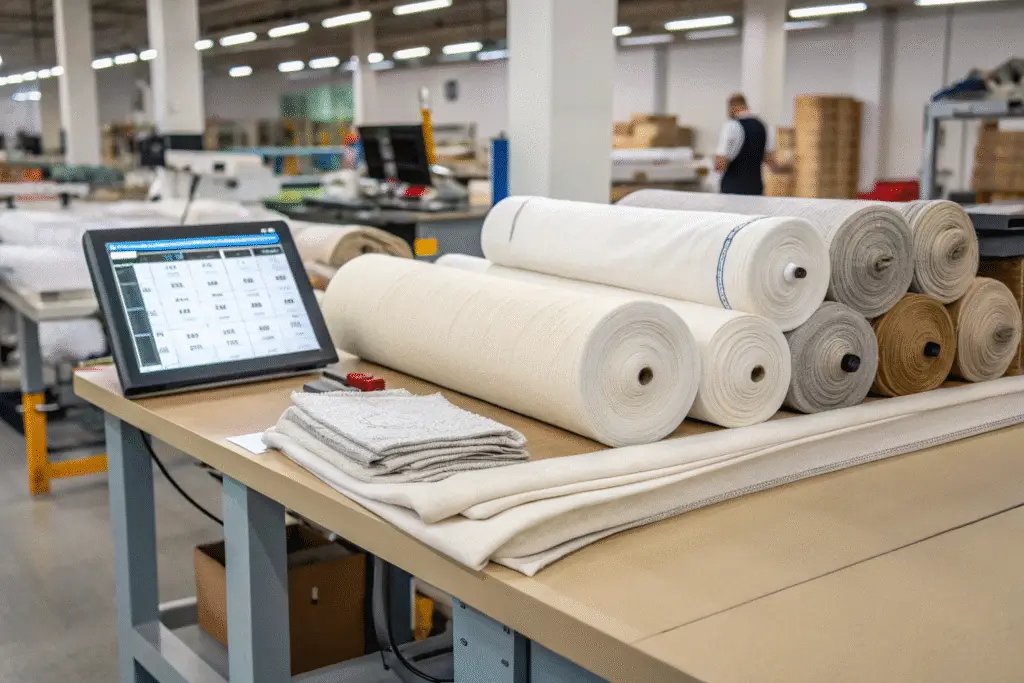
Stock materials are already woven, dyed, and ready. No need for large dye runs or months-long lead times. We keep over 30 fabric types in stock (cottons, jerseys, rib knits, denim), available for 50–100 unit cuts.
For trims, we recommend global suppliers like SBS Zipper or use unbranded, color-matched items that avoid MOQs of custom metal logos or buckles.
Can You Use Custom Features in Small Orders?
Yes, but with rules. Custom labels or buttons require planning. For example, woven labels often need a 1,000-piece run, but we store leftovers for future orders. Heat transfer prints, on the other hand, can be produced from 50 units if ordered locally.
Capsule clients often batch custom features across their next 3 launches to meet trim MOQs while spreading costs.
How Do Capsule Brands Communicate MOQ Needs to Factories?
Most MOQ misunderstandings come from unclear communication. Capsule brands must outline goals and constraints upfront.
By sharing forecasts, intent, and flexibility early, brands and factories can co-create MOQ solutions that work long term.

What Info Helps Factories Offer Lower MOQ?
We look for clarity in tech packs, estimated order quantity (EOQ), fabric options, and timeline flexibility. If a client tells us, “We plan to reorder if this sells,” we may lower the MOQ to build the relationship.
Also, offering design flexibility—like “I can accept silver OR matte black buttons”—gives us more room to negotiate better unit pricing with local vendors.
What Does a Good MOQ Discussion Include?
- What’s your true forecasted quantity?
- Are you open to shared materials?
- What are your must-haves vs nice-to-haves?
- Are you open to phased shipping?
This helps us structure pricing tiers like:
| MOQ Level | Price per Unit | Lead Time |
|---|---|---|
| 50 units | $9.80 | 25 days |
| 100 units | $8.20 | 30 days |
| 300 units | $6.90 | 40 days |
Conclusion
Capsule brands don’t need massive inventory—they need smart partnerships. By choosing shared fabrics, designing flexible styles, and communicating clearly, they can make low MOQs work. In our factory, we help clients launch with as few as 50 pieces per SKU—and grow from there. Small batch doesn’t mean small vision. With the right MOQ plan, capsule brands scale faster and smarter.