When we think of famous fashion brands, we often think of one signature piece: Levi’s 501s, Chanel’s tweed jacket, or Burberry’s trench coat. These aren’t random hits—they're carefully nurtured capsule pieces that become icons over time.
Capsule pieces become brand icons by combining timeless design, repeated marketing, consistent quality, and deep emotional appeal, helping brands anchor their identity.
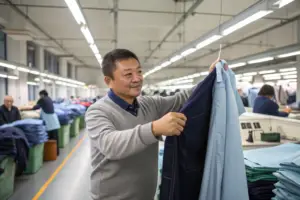
As a garment manufacturer in China who works with top U.S. and European fashion companies, I’ve seen how a single capsule item, if executed well, can carry an entire brand. It becomes the hero piece that buyers ask for and that customers remember.
What Makes a Capsule Piece Iconic?
In a sea of fashion noise, capsule pieces that become icons speak clearly, simply, and with character.
An iconic capsule piece blends function, form, and emotion—becoming a symbol of the brand’s core promise.
Why Is Timeless Design Essential?
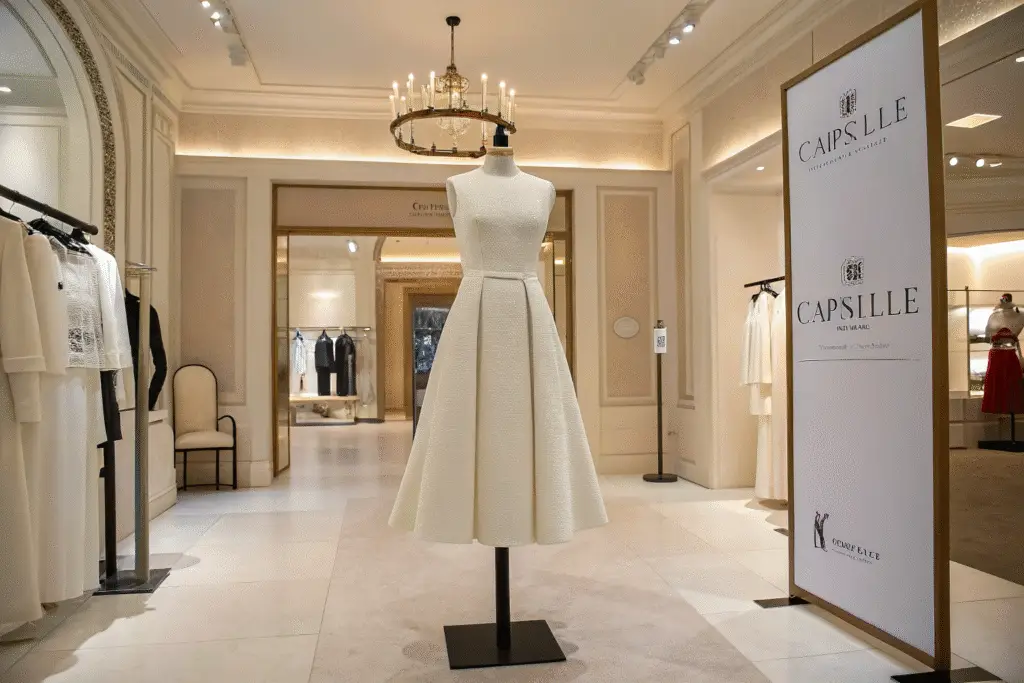
An icon isn’t tied to trends. Instead, it reflects lasting design—clean lines, flattering cuts, and versatile use. Think of the Diane von Furstenberg wrap dress. It was part of a small collection, but its silhouette empowered generations.
From a manufacturing view, timeless pieces are cost-effective too. Once perfected, they can be reproduced across seasons with minimal change. We’ve helped clients refine patterns year over year without losing relevance.
How Does Quality Reinforce Recognition?
No piece can become a brand icon if it wears out fast. Durability adds to perceived value. Capsule garments destined to become symbols must hold their shape, color, and softness after repeated wear.
Brands like Loro Piana or COS rely on superior materials—whether it’s brushed wool or structured cotton—to make their icons last. As a supplier, we source high-density fabrics and enforce stricter QC for such SKUs.
How Do Brands Promote Signature Capsule Items?
A capsule item becomes iconic when it’s marketed repeatedly and consistently. It must become inseparable from the brand’s story.
Brands elevate capsule pieces to icon status by embedding them into campaigns, visuals, and storytelling over time.
What Role Do Campaigns and Storytelling Play?
Look at Burberry’s trench coat. It’s more than outerwear—it’s British identity, wartime history, and timeless elegance. Their campaigns focus on its heritage and silhouette across decades.
We support these efforts by keeping production specs stable, allowing brands to invest in storytelling rather than constant redesign. That consistency matters when visual continuity is key.
How Does Placement in Lookbooks and Shows Help?
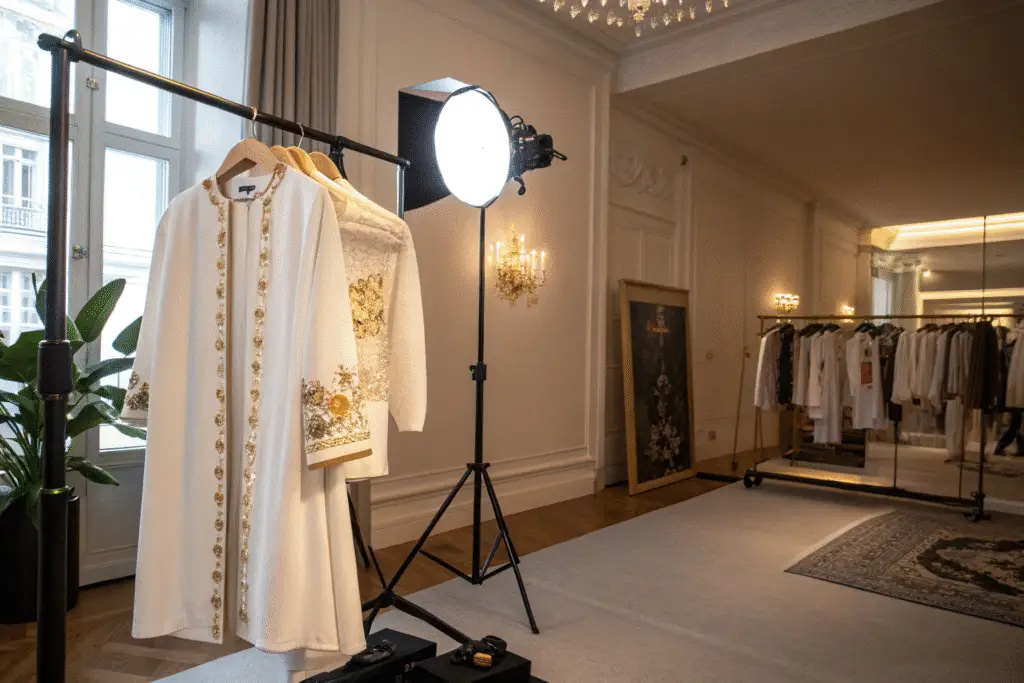
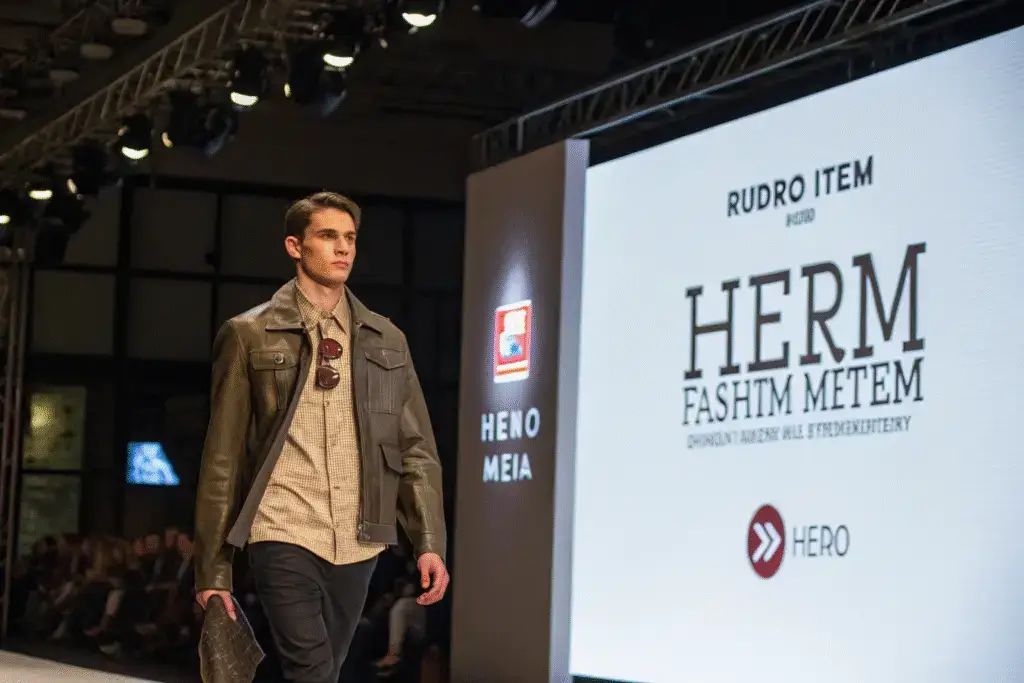
When the same capsule piece appears in a lookbook, email banner, social post, and runway—its familiarity grows. Fashion buyers recognize it, stylists start requesting it, and customers begin associating the piece with the brand.
We’ve had clients produce a single skirt in five fabrics, each season, just to keep it alive in their imagery. Consistent repetition builds cultural memory—and that's what icons are made of.
Why Do Customers Emotionally Attach to These Items?
Beyond function and fashion, iconic pieces forge emotional bonds. Customers start associating them with milestones, compliments, or personal growth.
Customers form emotional ties with capsule icons because of their reliability, feel-good fit, and storytelling power.

How Do Comfort and Fit Lead to Loyalty?
A capsule icon usually fits “just right.” It’s the shirt you pack first for a trip or the jacket that works for both interviews and dates. This kind of reliability creates comfort and emotional preference.
Brands like Theory or AYR craft iconic basics that win not by flash but by feel. In our factory, we use wear-test programs and customer fit data to perfect such silhouettes before bulk production.
What Stories Do Customers Create Around Capsule Icons?
Customers often remember “when” they wore something iconic. A first job. A reunion. A presentation. When brands make these pieces available season after season, customers develop brand loyalty through lived moments.
We support this loyalty by offering reorders in limited runs, especially for online DTC clients. That way, if a customer wants their beloved dress again after three years—it’s still available or can be remade easily.
How Do Icons Strengthen Long-Term Brand Identity?
Brand identity isn’t just a logo or slogan—it’s the items people remember and repurchase. Capsule icons give shape to that memory.
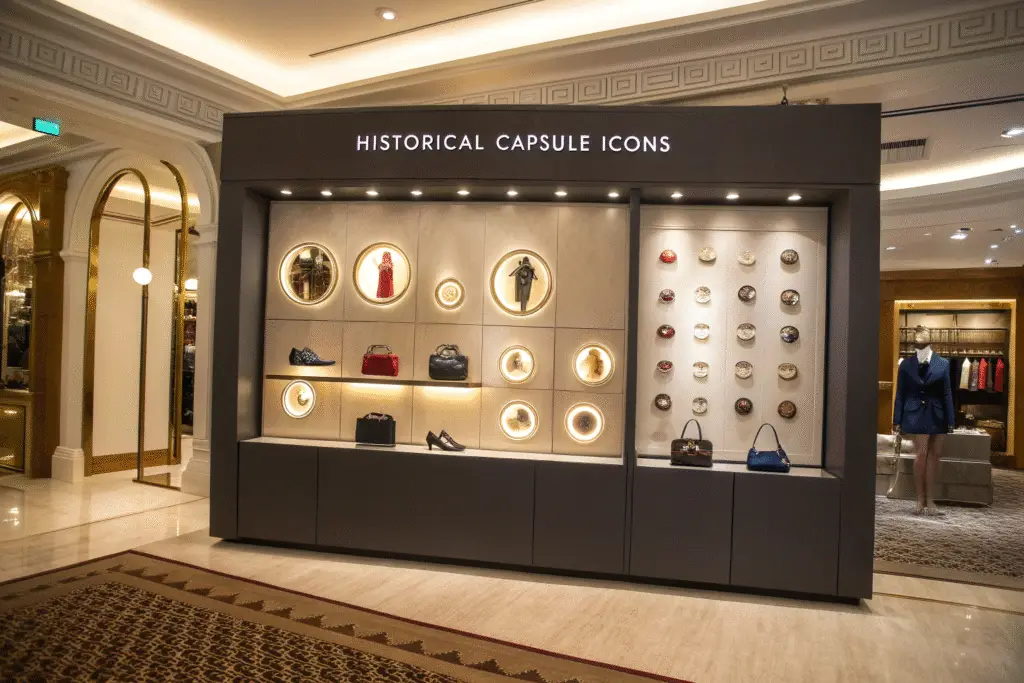
When a brand repeats and refines its capsule icons, it builds a visual legacy that customers trust and recognize.
Why Is Consistency Across Seasons Crucial?
A signature coat that reappears each fall reinforces brand memory. This long view pays off: instead of chasing trends, the brand leads them by staying true to its core.
Look at Max Mara’s camel coat. It’s revisited every season with updates, but the silhouette and meaning remain. We’ve worked with brands that maintain a “carry-over SKU list” of icons to ensure these items never go out of stock.
How Do Icons Impact Brand Equity?
Icons are often the highest-margin pieces. Their reputation drives word-of-mouth. Their presence in marketing materials improves conversion. They create consistency in manufacturing and reduce sampling costs over time.
Some of our most successful client relationships began with just one iconic piece—a blazer, a dress, a pair of joggers. We refined them together, and the brands grew around those anchor SKUs.
Conclusion
In fashion, few things are more valuable than a piece that sticks. Capsule icons aren’t accidents—they’re intentional, well-made, and repeated across seasons. For brands, they become symbols of style, values, and quality. For customers, they become beloved staples. As a garment producer supporting both small brands and big names, I know that when one item becomes iconic, it often changes the future of that brand.