Creating a capsule isn’t about just shrinking a collection. It’s about choosing the right styles—the ones that work harder, sell longer, and connect deeper.
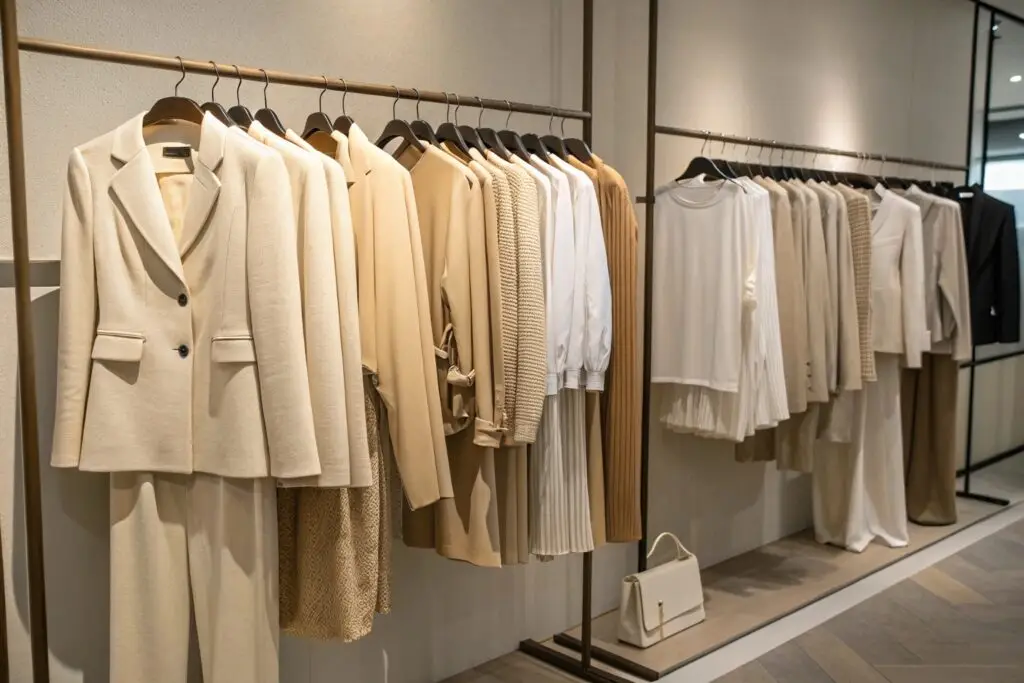
Capsule drops perform best when they center around timeless, flexible silhouettes that mix easily and transition through multiple seasons and trends.
Whether you're launching a brand or expanding a fashion line, understanding the styles that truly succeed in capsule drops will help you reduce waste and maximize reorders.
Timeless Silhouettes That Drive Repeat Sales?
Trend-driven pieces can grab attention, but they rarely earn long-term loyalty. Timeless silhouettes, on the other hand, keep buyers coming back season after season.
Styles like clean-cut trousers, relaxed shirting, and column dresses continue to generate repeat sales thanks to their adaptability and lasting appeal.
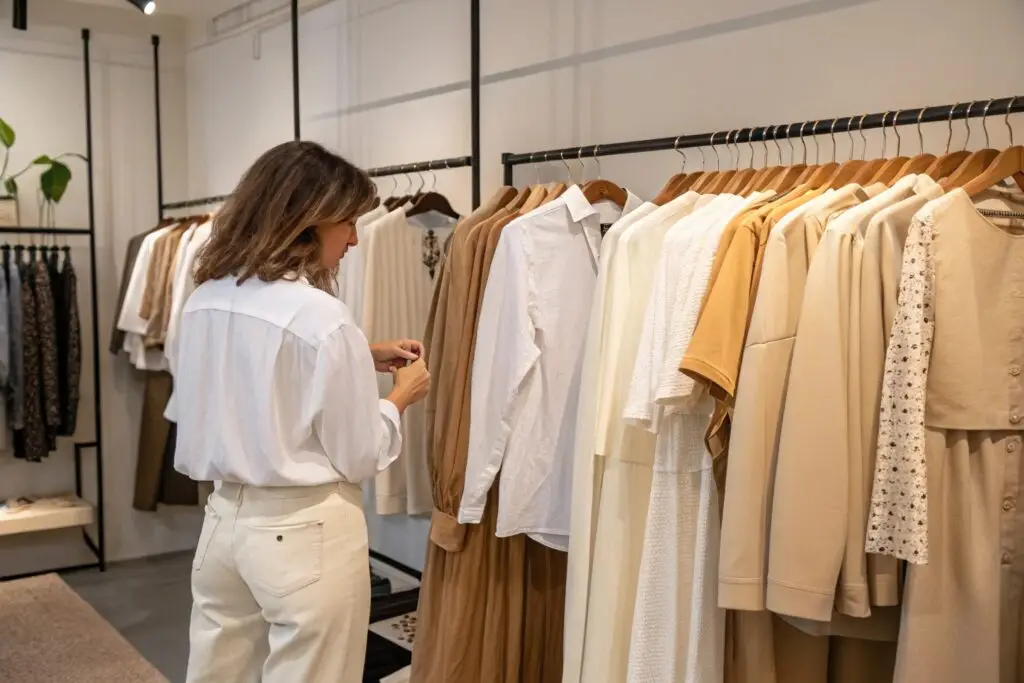
Which silhouettes have consistently outperformed fast trends in capsule projects?
From my experience working with B2B buyers and private labels, the following cuts always do well:
- Straight-leg trousers with a mid-rise waist: easy to dress up or down
- Oversized button-down shirts: gender-neutral, flexible, and easy to layer
- Slip dresses: worn alone or under jackets, all year round
- Relaxed blazers: add instant structure without stiffness
Here’s a breakdown of repeat winners:
| Style | Versatility Level | Best Usage |
|---|---|---|
| Wide-leg pants | High | Formal, casual, travel |
| A-line midi skirt | Moderate | Brunch, office, layered for winter |
| Knit mock neck top | High | Transitional seasons, layering |
| Belted trench coat | High | All climates with seasonal styling |
The point here isn’t just longevity—it’s reorder power. Timeless pieces fit more buyers and require fewer revisions between drops.
How do you make timeless styles feel fresh across different drops?
You refresh without reinventing.
We do this by:
- Changing the fabric texture (cotton → twill → linen)
- Slightly updating collar or cuff shapes
- Offering color rotations that match the capsule’s mood
- Adding removable belts or layered seams
One of our buyers runs the same tunic shirt every six months—with tiny changes in hue and button style—and sells out every time. That’s timeless design done smart.
Top Performing Cuts in Curated Fashion Lines?
You don’t need dozens of styles to make a line successful. You just need a few solid cuts that work across contexts and age groups.
Cuts that flatter multiple body types and layer easily tend to perform best in curated fashion lines, particularly in B2B capsule collections.
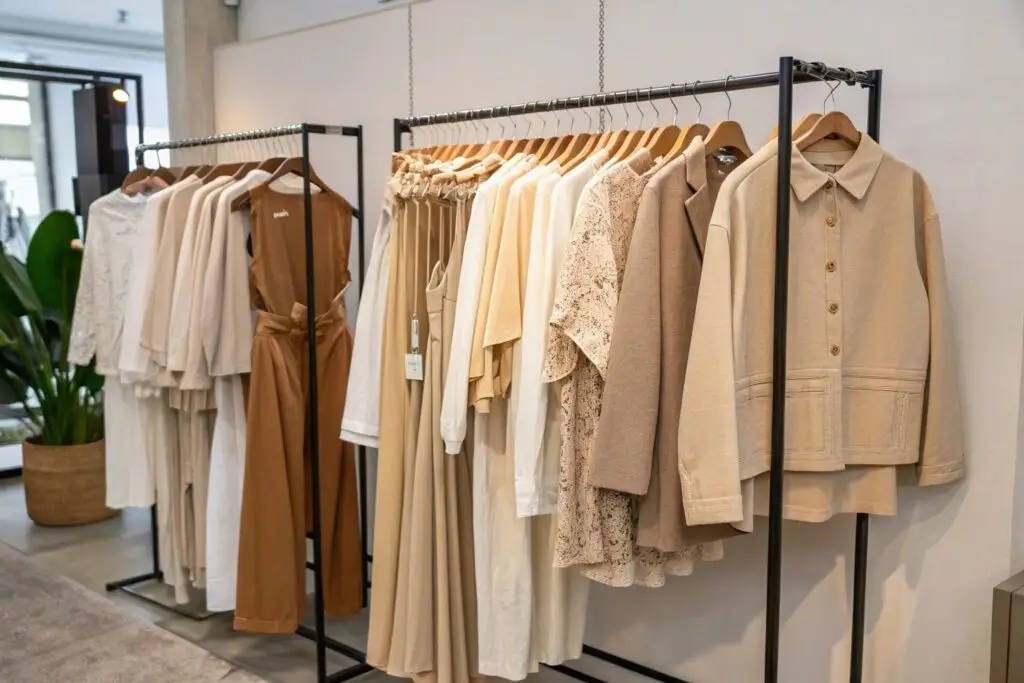
Which garment cuts translate well across genders, sizes, and markets?
The winners here are:
- Boxy tees with set-in sleeves
- Tapered trousers with elastic waists or back panels
- Drop-shoulder knit sweaters
- Tunic-length shirts with subtle shaping
We use these because they avoid common fit complaints. For example, boxy tees don’t cling. Tapered pants elongate the leg. And tunics work for petite and tall clients alike.
Here’s a comparison by cut:
| Cut Type | Flattering For… | Typical Styling Uses |
|---|---|---|
| Boxy T-shirt | All genders, most body types | Streetwear, smart-casual |
| Tapered trousers | Most waist-hip ratios | Workwear, minimalist looks |
| Wrap tops | Curvier figures | Resortwear, day-to-night |
| Column dresses | Tall or rectangular shapes | Evening, business casual |
The goal isn’t to please everyone—but to maximize wearability across your key customer personas.
How do you gather the right fit data to choose top-performing cuts?
We use real fittings and buyer feedback loops.
Our factory works closely with buyers to test cuts on:
- Models from different regions
- Size ranges from XS to XL+
- Dynamic movements (sitting, walking, lifting)
We also recommend buyers send anonymous try-on surveys or use virtual fittings with return data analytics. Knowing what gets returned—and why—helps us adjust future cuts.
In capsule fashion, cuts matter more than color. They determine wear rate, comfort, and repeat purchases.
Balancing Trend Pieces with Core Essentials?
If your capsule has only basics, it risks feeling bland. If it’s all trend, it becomes disposable. The magic lies in the mix.
Smart capsule collections include one or two trend-forward pieces to catch attention, while core essentials carry the sales volume and margin.
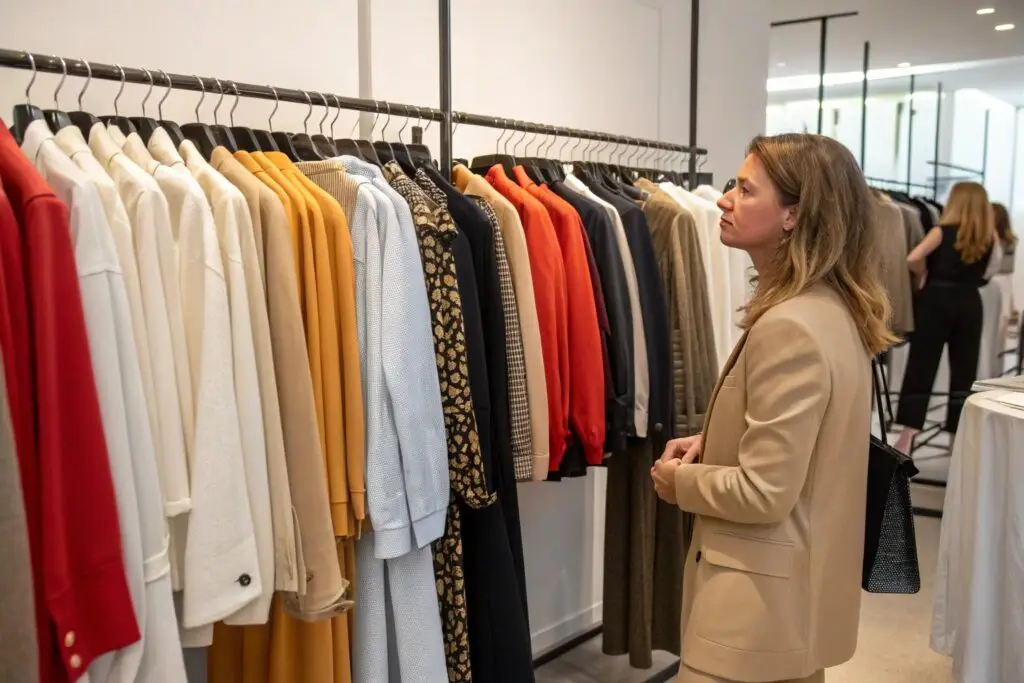
How many trend items should be included in a 10–15 piece capsule?
Our golden rule: no more than 20% trend pieces in any capsule.
In a 10-piece drop, that’s 2 items max. Any more, and you risk date-stamping your collection too narrowly. Trends have a shorter shelf life, higher returns, and are harder to restock.
Sample strategy:
| Capsule Size | Core Items | Trend Items | Notes |
|---|---|---|---|
| 10 pieces | 8 | 2 | One print, one statement piece |
| 12 pieces | 9 | 3 | Add one novelty fabric item |
| 15 pieces | 12 | 3 | Safe balance, best for retailers |
These trend items can be:
- A puffed sleeve top
- A bold color mini skirt
- A textured vest
- A zipper-accent jogger
We always suggest anchoring them with neutral styling so they still integrate with the rest of the capsule.
How do you select which trends are worth including?
We rely on:
- Runway + retail lag: We pick trends with a 6–12 month shelf life (e.g. wide-leg > parachute pants)
- Social sentiment tracking: Pinterest saves, TikTok reactions, retail sell-throughs
- Buyer's market maturity: We adjust based on whether the target buyer is early-adopter or conservative
Trend pieces are visual bait. They get attention, build buzz, and drive clicks. But your core styles close the sale.
Styles That Transition Easily Across Seasons?
Seasonal fashion creates urgency—but also waste. In capsule design, pieces that work through multiple seasons bring lasting value.
Multi-season styles like shirt dresses, layerable knits, and structured tees extend your capsule’s life span and reduce markdown risk.
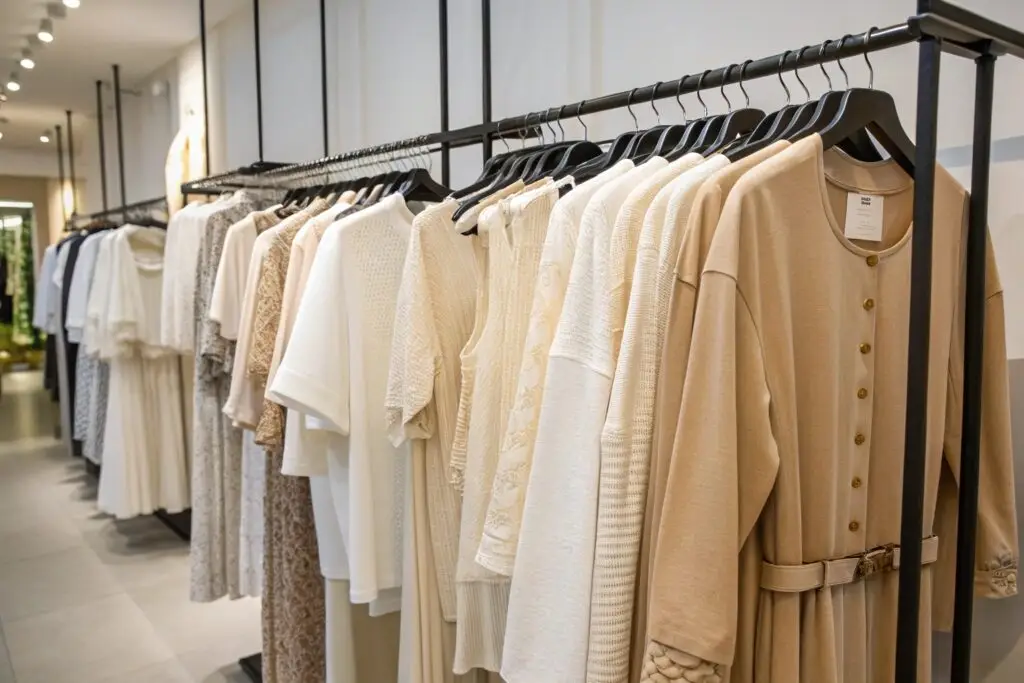
What characteristics help a style move from spring to fall—or summer to winter?
We look at three things:
- Fabric weight: Light-to-mid weight pieces layer well
- Shape: Semi-fitted or boxy cuts adapt easily
- Details: Fewer seasonal prints, more styling flexibility
Examples of strong transition styles:
| Style | Spring Use | Fall Use |
|---|---|---|
| Shirt dress | Alone with sandals | With boots + trench coat |
| Cropped cardigan | Over tank tops | Under coats, with denim |
| Tapered trousers | With sleeveless tops | With knits and boots |
| Mock neck tee | Worn solo | Layered under jackets |
We also favor convertible features:
- Removable belts
- Side zippers for breathability
- Push-up sleeves with tabs
These small details make garments flex with changing temperatures and moods.
Why do buyers respond better to transitional styles?
Because they reduce risk. One buyer told me:
“If I can sell a piece for two full seasons, I’ll double my reorder confidence.”
Transitional styles also work well across hemispheres and climates. What’s fall in Canada is spring in Australia. Season-flexible drops simplify production calendars, too.
Capsule collections that transition keep revenue steadier—and buyers happier.
Conclusion
Great capsule drops aren’t built on hype. They’re built on smart styles—those that mix, flex, and last. Choose silhouettes that serve, cuts that flatter, and details that adapt, and you’ll build a wardrobe buyers return to again and again.