Too many brands push quantity. But modern buyers want flexibility, not clutter.
Versatility is what makes capsule fashion practical, profitable, and appealing across markets. It allows fewer garments to do more work—and that’s exactly what buyers want today.
In this article, I’ll walk you through why versatility matters in every design decision, from mix-and-match logic to seasonless wear. If you're developing a capsule for resale or private label, this is the key mindset to adopt.
How Mix-and-Match Pieces Maximize Outfit Options?
If each piece only works with one other item, you're not building a capsule—you’re just shrinking a wardrobe.
Mix-and-match capability lets buyers create multiple outfits from fewer pieces, boosting both value and visual variety.
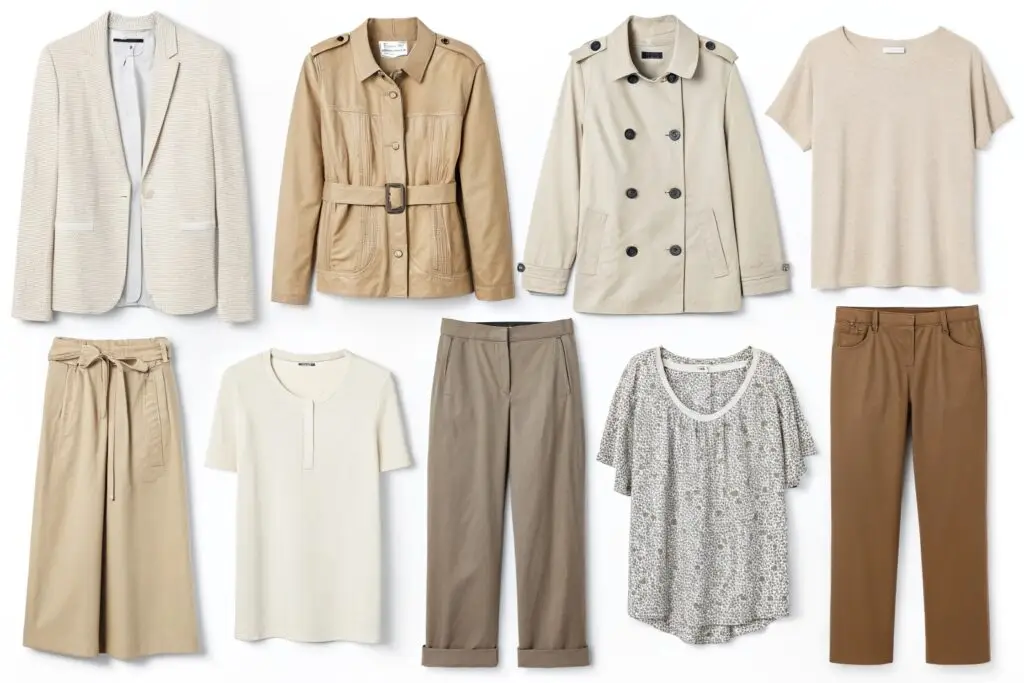
How can one design approach dramatically increase the number of wearable combinations?
It starts with silhouette balance and color coordination.
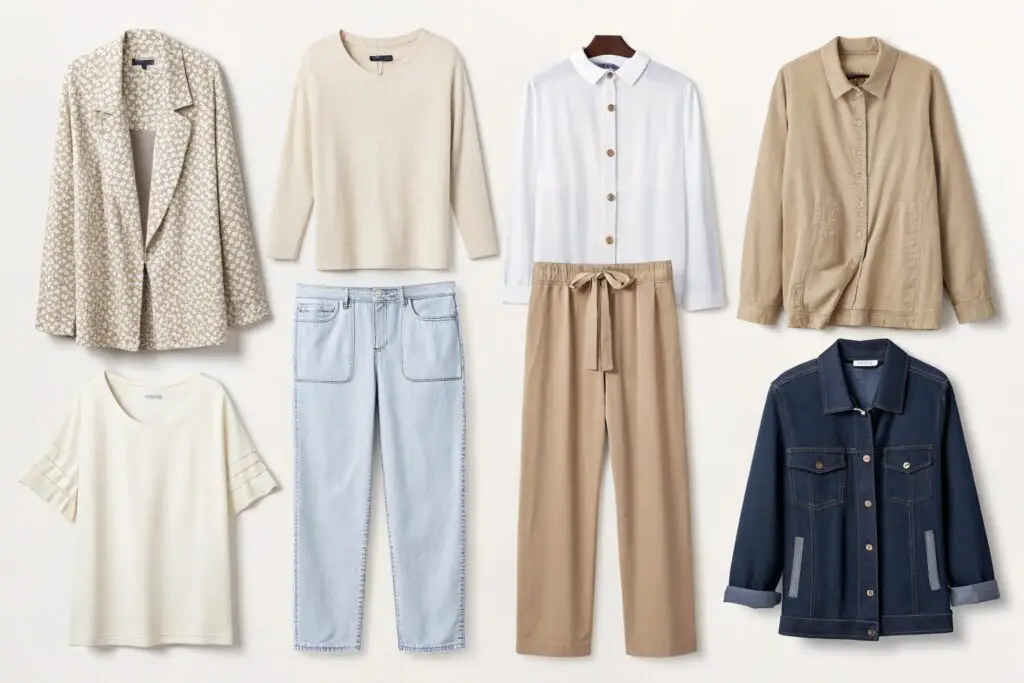
I always follow a 3-3-4 formula when planning a 10-piece capsule:
- 3 tops
- 3 bottoms
- 4 layers or accents (jackets, dresses, accessories)
Each top must pair with every bottom. That alone gives you 9 outfit bases. Add 3 layering options and 2 accent items, and now you’ve got over 30 potential looks from just 10 SKUs.
| Capsule Item | Compatible With |
|---|---|
| White tank top | Trousers, skirt, denim |
| Wide-leg pant | All tops, formal jacket |
| Knit cardigan | Over all tops and dresses |
| Button shirt | Tied, tucked, layered |
By designing pieces with matching necklines, proportional hems, and shared tones, our team ensures that every item plays multiple roles.
We also run “combo tests” in fittings. Can a top look equally good with casual sneakers and a leather belt? That’s a pass. If it doesn’t flex, we drop it.
What are common mistakes that reduce mix-and-match potential?
Here’s what I warn clients about:
- Loud prints that can’t be repeated
- Inconsistent fabric textures
- Competing hemlines (e.g., long tops + long jackets)
- Over-styled garments that can’t be reinterpreted
Remember, versatility starts on the sketchpad—not in the styling session. If the piece can’t shift moods, it shouldn’t be in a capsule.
Designing Garments That Transition Across Occasions?
Your customer doesn’t want to change outfits three times a day. They want one look that adapts. That’s why smart capsule fashion is built around transitions.
Designing for occasion fluidity—work, casual, travel, evening—multiplies the utility of each garment without inflating the collection.
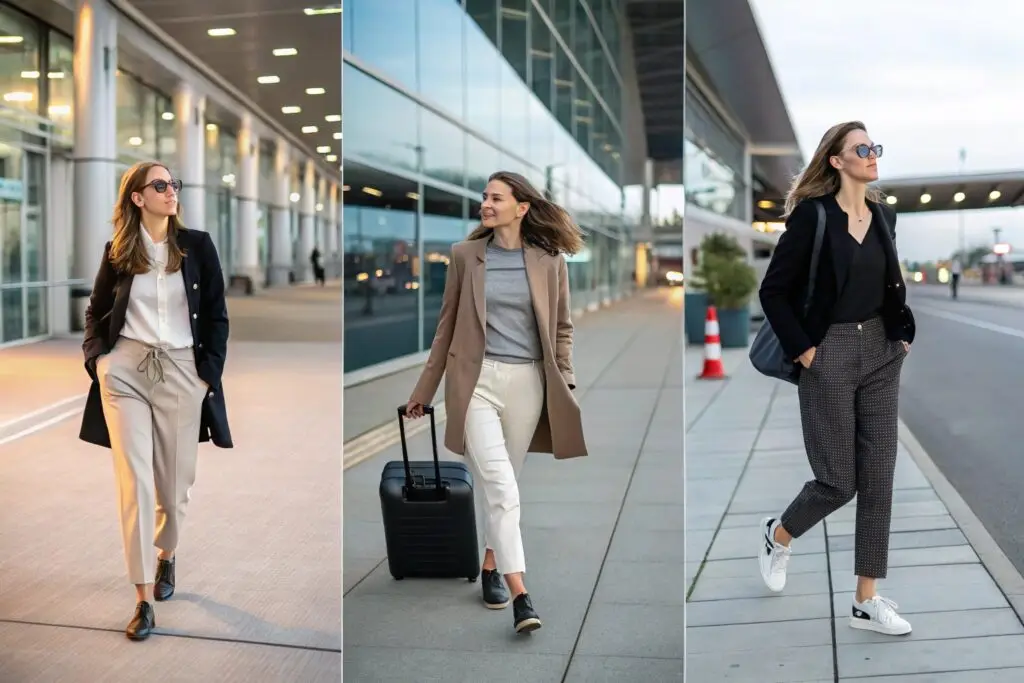
How do you make a single garment work in both formal and casual settings?
We build what I call "base pieces with optional elevation."
For example:
- A minimalist black dress with no embellishments can be worn:
- Alone for a date
- With sneakers for brunch
- Under a blazer for work
- A collarless shirt in matte cotton can function as:
- A tuck-in blouse
- An open overshirt
- A poolside coverup
Here’s how we decide on each piece’s transition value:
| Garment Feature | Adds Versatility By… |
|---|---|
| Neutral color | Fits more occasions |
| Modular fit | Allows tucking, rolling, layering |
| No logos/graphics | Enables styling freedom |
| Clean structure | Feels refined yet relaxed |
We also check hardware and stitching. Gold zippers or contrast seams might look great—but often limit formality. We keep details quiet and let accessories drive occasion shifts.
What are design examples that failed this transition test?
One client had a brilliant floral skirt—beautiful, yes—but it could only pair with white tops and didn’t layer well. It became a one-outfit piece. In capsule logic, that’s a waste of space.
Another brand tried oversized cargo pants with neon pulls. Cool for streetwear, but impossible to dress up. We redesigned with slimmer cuts and matte snaps. The result? Buyers used them for travel, business, and weekends.
Versatility isn’t about removing character. It’s about creating freedom.
The Role of Versatility in Reducing Wardrobe Size?
A capsule isn’t just smaller—it’s smarter. True versatility reduces the total number of garments your buyer feels they need to own.
When each piece has multiple use cases, your collection becomes lighter, more efficient, and more attractive to minimalist buyers.
Why does versatility appeal to customers seeking wardrobe simplicity?
Simple. Less decision fatigue. Fewer laundry loads. More space.
We see this especially in urban buyers, travelers, and eco-conscious consumers. They want clothing that works harder with less bulk.
We recently helped a U.S. buyer downsize their core line from 20 SKUs to 12, by redesigning 5 key pieces for higher versatility. Their feedback?
“Our customers love that they can travel for a week with one packing cube.”
This shift also simplifies supply chains. Fewer SKUs mean:
- Lower MOQ pressure
- More batch consistency
- Less overstock
| Design Strategy | Resulting Benefit |
|---|---|
| Use universal necklines | Avoids layering mismatch |
| Build neutral palettes | Boosts repeat wear |
| Limit fast trends | Extends product lifespan |
| Prioritize comfort + fit | Reduces return rate |
Versatility = sustainability + profitability. You serve your buyer better and protect your margin.
How do you convince a client or brand owner to embrace smaller collections?
I speak in numbers:
- A 20-piece capsule designed for max outfit yield can serve the same function as a 50-piece collection.
- That reduces photoshoots, shipping volume, and size runs.
- It also allows more storytelling per item—because each one matters more.
Instead of selling “more,” I sell “more out of less.” That’s a message buyers understand.
Why Buyers Prefer Flexible, Seasonless Fashion?
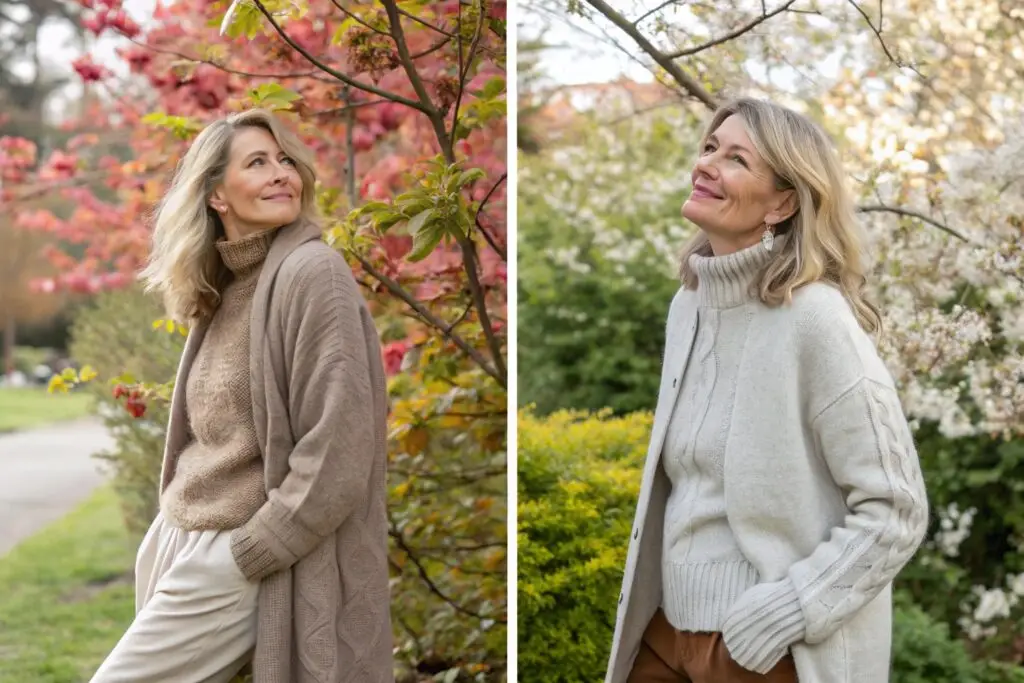
Today’s buyer wants clothes that don’t expire. They want a sweater that works in spring and fall, not one that disappears after three weeks.
Flexible, seasonless fashion gives your capsule longevity, making it more valuable to retailers, wholesalers, and everyday users alike.
What makes a garment truly seasonless?
It’s all about balance:
- Mid-weight fabric – not too sheer, not too bulky
- Layerable cuts – wear alone or with coats
- Neutral to muted tones – less tied to trends
- No overt seasonal prints – like snowflakes or palm trees
We focus on these fabrics:
| Fabric Type | Season-Friendly For… | Best Usage |
|---|---|---|
| Modal | Spring–Fall | Tops, tees, dresses |
| Cotton poplin | Year-round | Shirts, trousers |
| Ribbed knits | Transitional seasons | Tanks, cardigans |
| Linen blends | Summer–Fall (w/ layering) | Pants, outerwear |
The same pair of wide trousers, for example, can go from June to October if the fabric is breathable but strong.
We also favor removable linings, adjustable hems, and modular sleeves when possible.
How does seasonless design improve business outcomes?
Seasonless = fewer markdowns, longer shelf life, and less logistical waste.
We once worked with a retail buyer in Canada who carried our seasonless drop year-round. Instead of rotating full collections, they refreshed looks by swapping accessories or marketing narratives.
Their inventory costs dropped 17%, and reorders became more predictable.
On our end, we reduced dead stock and simplified factory scheduling.
Flexible garments work harder. For your customers. For your calendar. For your bottom line.
Conclusion
Capsule fashion isn’t just about fewer pieces—it’s about smarter ones. When versatility leads your design, you create wardrobes that adapt, travel, and sell longer.