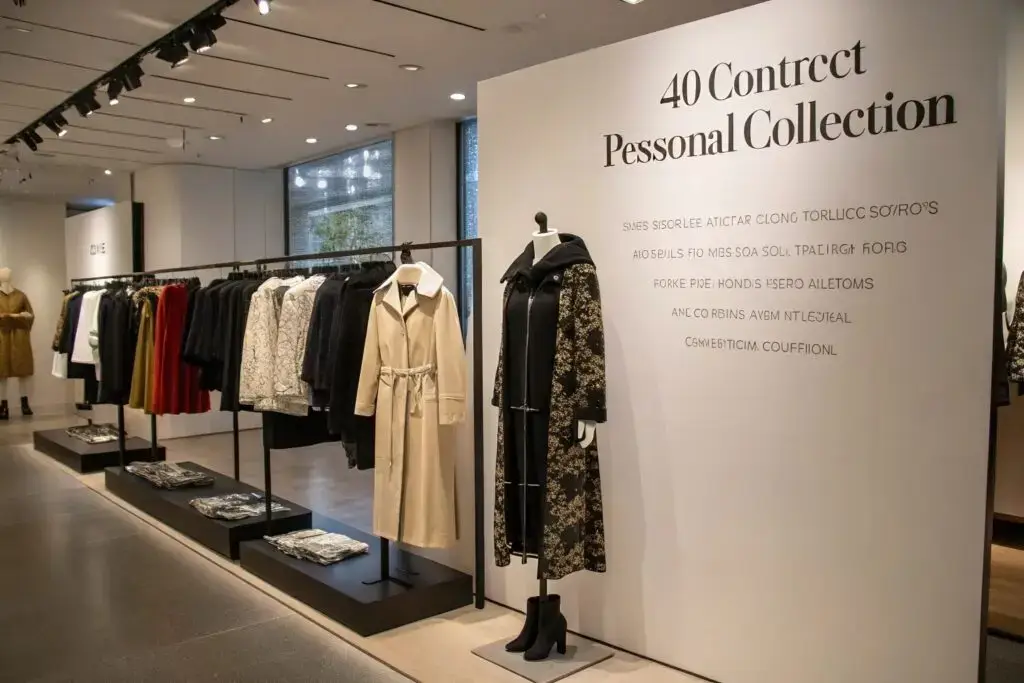
Too many clothes, too little wear—fashion’s waste problem keeps growing.
Capsule thinking offers a clean break from overproduction by encouraging focused wardrobes, smarter design, and intentional buying.
Let’s explore how this minimalist approach helps brands and consumers cut waste at every level.
Fewer Pieces, Lower Environmental Impact
The more we make, the more we throw away.
Capsule wardrobes encourage buying fewer pieces, which naturally reduces production volumes, water use, and emissions across the fashion supply chain.
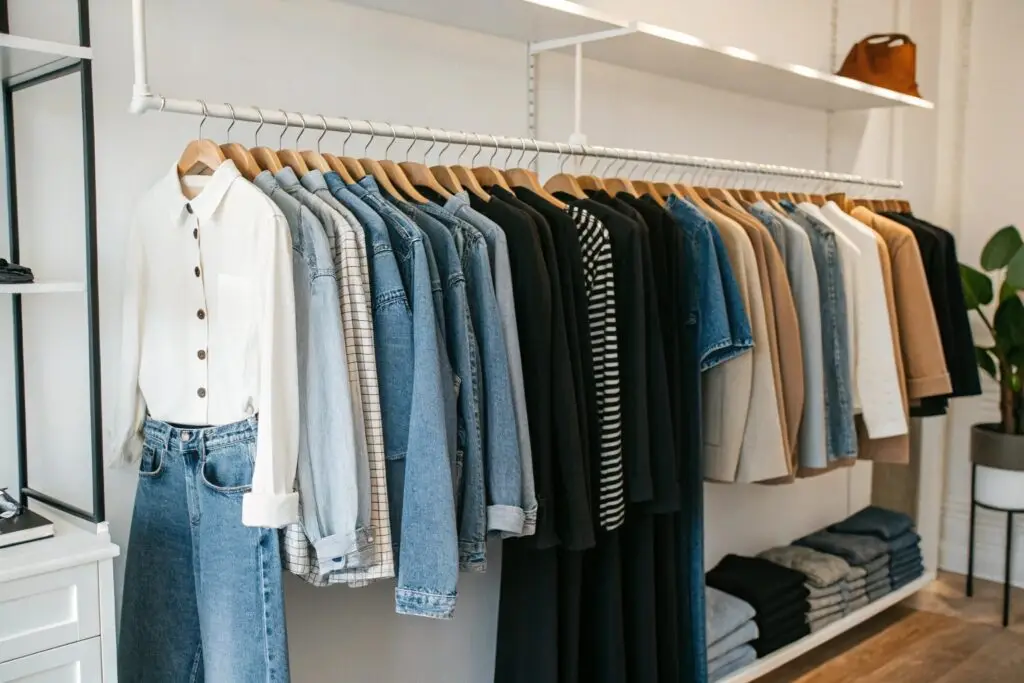
Why less really is more:
-
Lower energy usage
– Fewer garments mean fewer resources used in manufacturing. -
Reduced shipping emissions
– Smaller wardrobes require less global logistics and fewer deliveries. -
Minimal returns
– Thoughtful purchases mean fewer products going back into warehouses or landfill. -
Less packaging waste
– Capsule drops are smaller and cleaner, which simplifies the packaging chain.
| Traditional Retail Model | Capsule Collection Model |
|---|---|
| Dozens of seasonal SKUs | Limited pieces released per drop |
| Mass global shipping | Small-batch, localized fulfillment |
| Unsold inventory burnout | High sell-through rates |
| Overstock markdowns and waste | Demand-driven planning |
How we help brands reduce impact:
- Limit unnecessary trim and packaging
- Choose low-impact fabrics and dyes
- Build collections around reusability and repeat wear
The environmental math is simple: fewer clothes, less harm.
Designing Capsules to Prevent Overproduction
Overproduction doesn’t just waste fabric—it wastes entire opportunities.
Capsule collections force brands to design with precision, releasing only the most wearable, necessary items instead of flooding the market with options.
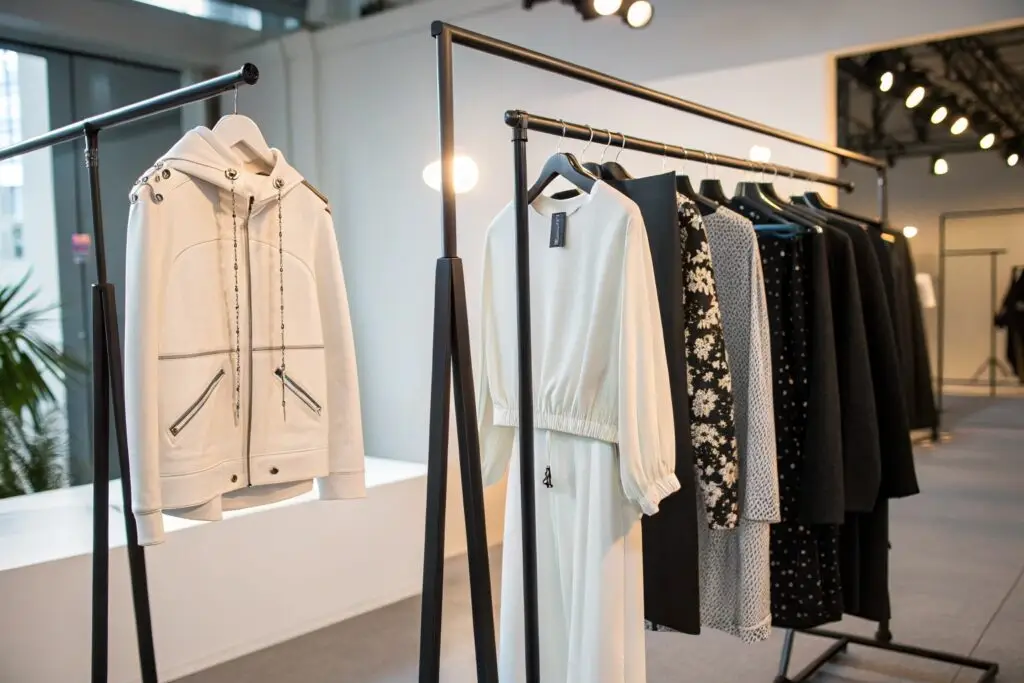
Why overproduction happens:
- Predictive guesswork leads to extra SKUs
- Trend chasing demands volume
- Retailers demand variety over value
- Unclear customer needs = uncertain inventory
Capsule collections solve this with:
- Narrow focus: Only essential pieces make the cut
- Testable models: Capsules allow limited runs before scaling
- Clear demand signals: Tight releases reveal what buyers truly want
| Design Step | Capsule Model Benefit |
|---|---|
| Ideation | Streamlined to 8–12 SKU ideas |
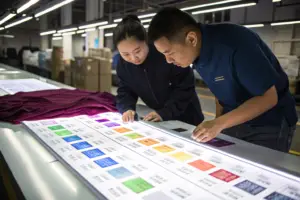
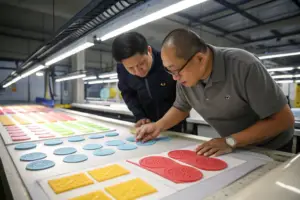
| Sampling | Focus on function and fit |
| Fabric Selection | Long-life materials over trends |
| Inventory Planning | Based on forecast, not wishful thinking |
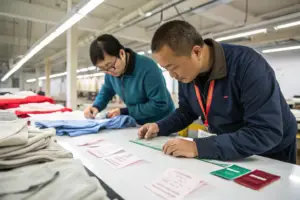
How our factory supports this:
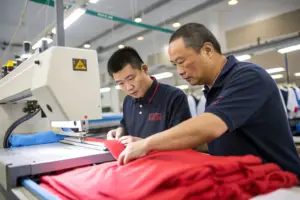
- Run small-batch tests with quick turnaround
- Collaborate early to eliminate SKU bloat
- Offer cost-effective scaling once designs are proven
Capsule thinking rewards thoughtful creation—and cuts out the guesswork that leads to waste.
How Wardrobe Planning Reduces Clothing Waste
The average closet is full of regrets.
Capsule wardrobes help consumers buy with purpose, reducing impulse purchases and the disposal of barely-worn items.
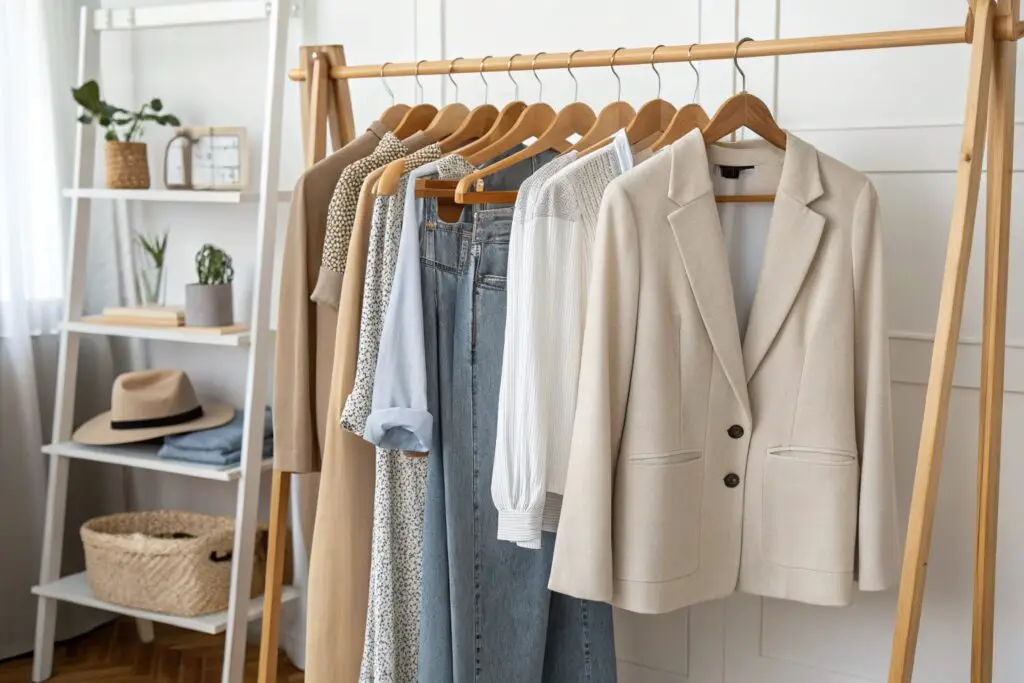
Why traditional wardrobes fail:
- Bought for one-time wear
- Items that don’t mix and match
- Pieces that don’t fit well or last long
- Shoppers don’t know what they truly need
Capsule planning solves this with:
-
Smarter choices
- Customers invest in pieces that fill gaps, not just trends.
-
- Core items work across occasions and seasons.
-
Emotional connection
- Shoppers build deeper relationships with the items they wear often.
-
- Better planning means garments stay in rotation longer.
| Closet Type | % of Items Worn Often | Discard Rate | Typical Piece Lifespan |
|---|---|---|---|
| Trend-Focused | ~30% | High | 3–5 wears |
| Capsule-Based | ~80% | Low | 30–50+ wears |
Our role in better wardrobe planning:
- Support consistent sizing to reduce returns
- Prioritize easy-care, durable fabrics
- Offer brands ways to educate customers post-purchase
When people love what they wear, they keep it longer. That alone reduces fashion waste more than any marketing campaign.
Capsule Collections and the Fight Against Fast Fashion
Fast fashion floods. Capsule thinking filters.
By slowing the fashion cycle, capsule collections challenge the speed-first, waste-heavy fast fashion model with a more sustainable mindset.
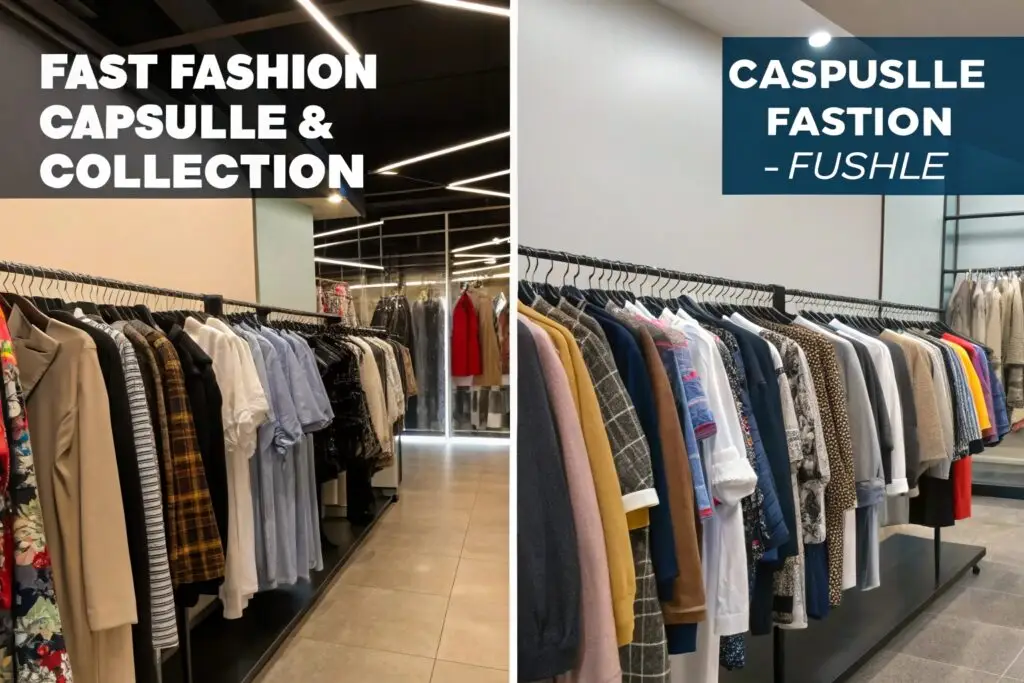
Fast fashion vs. capsule fashion:
| Category | Fast Fashion | Capsule Fashion |
|---|---|---|
| Design pace | Weekly trend drops | Quarterly or seasonless launches |
| SKU count | Hundreds per season | 5–20 key pieces |
| Manufacturing model | Overproduce, then discount | Predictable, demand-driven |
| Product lifespan | Disposable after few wears | Designed for long-term use |
| Brand storytelling | Trend-based, volume-driven | Values-driven, slow-style |
How capsule collections fight fast fashion:
-
Focus on curation
– Capsules reject unnecessary variety. -
Build with quality
– Durable pieces push against the “wear once” habit. -
Avoid constant markdowns
– Capsules are often full-price and sell out quickly. -
Redefine value
– Not how much you buy, but how often you wear.
How we help brands resist the fast cycle:
- Educate about long-term cost savings in better fabrics
- Offer reorders without massive MOQs
- Maintain quality even in smaller runs
Capsule collections don’t just slow fashion down—they build it to last.
Conclusion
Capsule thinking turns fashion waste into fashion wisdom. By focusing on fewer pieces with longer lives, both brands and shoppers can reduce their environmental impact without sacrificing style. The future of fashion is smaller, smarter, and more sustainable.