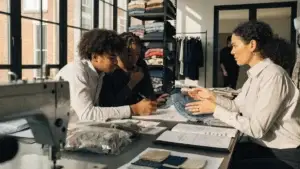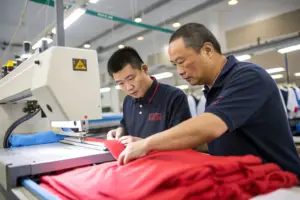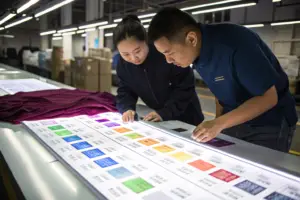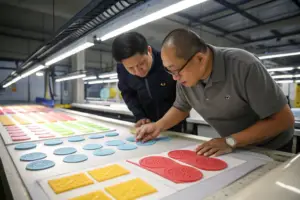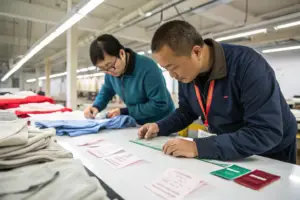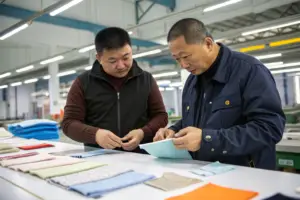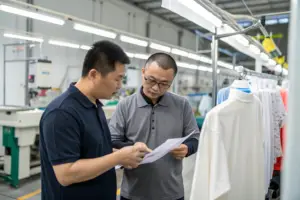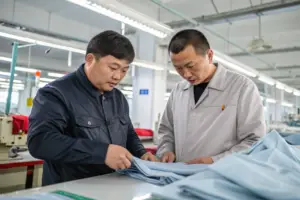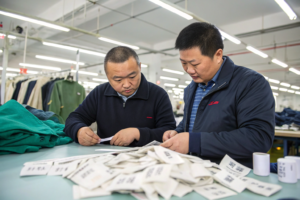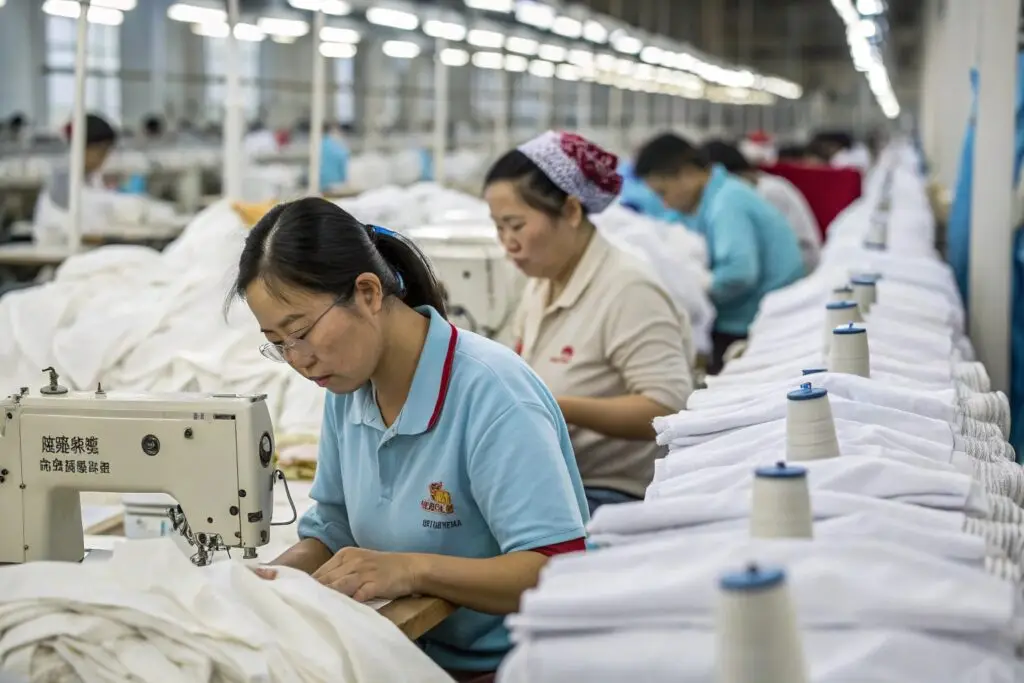
Circular fashion doesn’t start on the store shelf—it starts at the factory.
Manufacturers have the power to shape how clothing is made, how long it lasts, and what happens after it's worn. Their decisions directly impact whether a garment can be reused, repaired, or recycled.
As a manufacturer, we work hand-in-hand with rental and sustainable brands to build systems, products, and processes that keep clothing in circulation.
How Manufacturers Enable Garment Recyclability
A garment’s recyclability is determined by how it’s constructed—not just by what it’s made from.
Manufacturers influence recyclability through fiber choices, seam construction, trim attachment, and labeling—all of which affect how a garment can be processed at end-of-life.
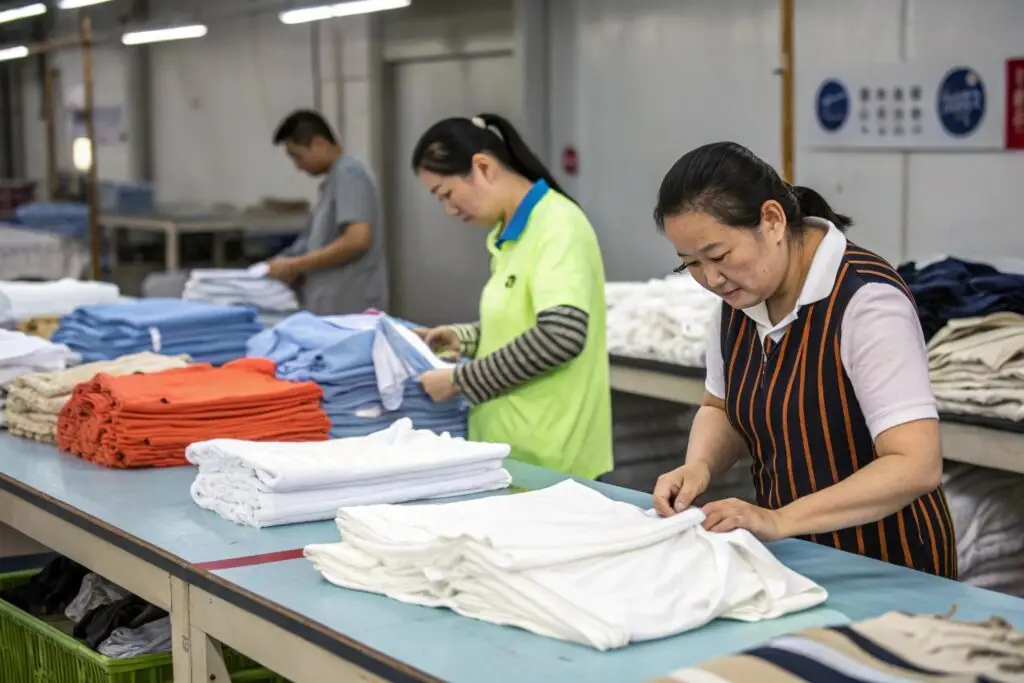
Key manufacturing decisions that affect recyclability:
-
- Mono-material garments (100% cotton, 100% polyester) are easiest to recycle
-
- Mismatched fibers or metal-plastic blends block processing
-
- Glued elements often make garments unrecyclable
-
Labeling clarity
- Fiber content and care instructions aid post-use sorting
| Manufacturing Component | Circular-Friendly Option |
|---|---|
| Stitching | Removable, mono-fiber thread |
| Trims | Clip-on, mono-material closures |
| Labels | Printed directly or fused from same fiber |
| Construction | Sewn seams over bonded joints |
What we provide:
- Fiber-matched threads and linings
- Modular trim options
- Digitally printed care and ID labels
- Garments mapped to recycling stream requirements
Garment recyclability doesn’t just depend on material—it depends on how we build it.
Choosing Suppliers with Circular Capabilities
Circular fashion requires a new kind of supplier—one who understands reuse, recovery, and reduction as deeply as production.
Brands looking to close the loop must select manufacturers who can support circular priorities through sourcing, construction, and transparency.
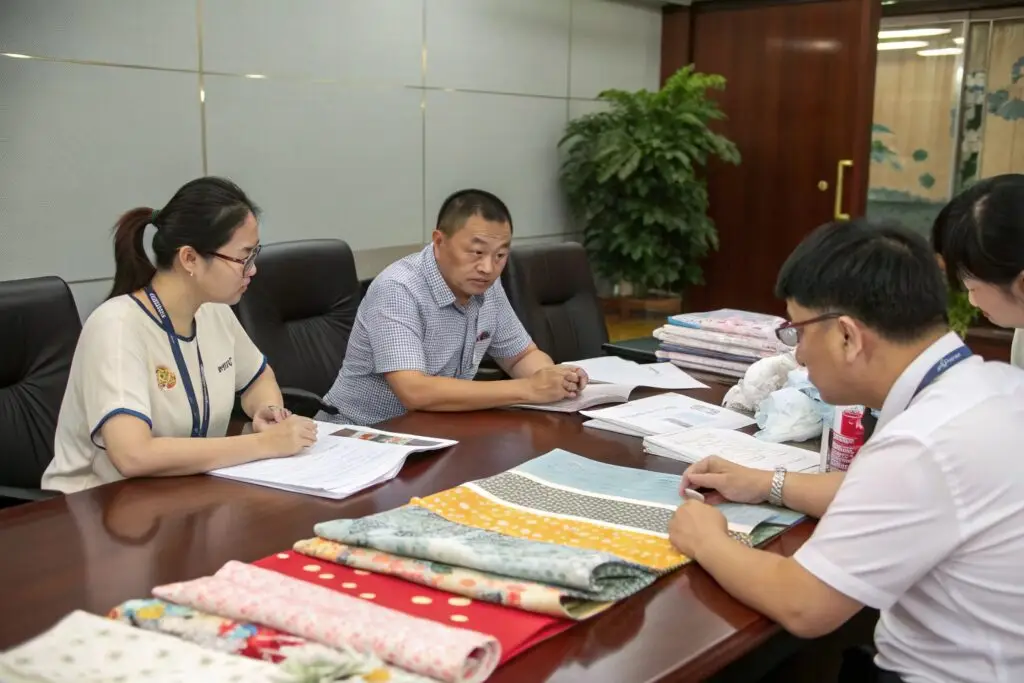
What makes a supplier circular-capable?
-
Access to sustainable fabrics and trims
- GOTS, OEKO-TEX, or GRS-certified materials
-
Low-MOQ support for pilot and test runs
- Enables experimentation without overproduction
-
Ability to track material origin
- From fiber to cutting room floor
-
Commitment to waste minimization and resource recovery
| Supplier Feature | Circular Benefit |
|---|---|
| Recyclable packaging | Reduced post-production waste |
| Repair service capacity | Helps extend product lifespan |
| Upcycle or re-cut service | Recovers unsellable units |
| Return-to-factory setup | Enables take-back and reuse systems |
Our circular credentials:
- 95% fabric utilization rate through optimized cutting
- In-house remanufacturing lines for upcycled SKUs
- Material documentation provided with each PO
- Partnerships with certified recyclers and mills
We don’t just supply garments—we build garment futures.
Manufacturer-Led Innovations in Fabric Reuse
Manufacturers are uniquely positioned to find new life for deadstock, offcuts, and returned rental garments.
Fabric reuse innovations—from panel salvage to batch-matched upcycling—start in the production room, where smart systems can turn waste into new inventory.
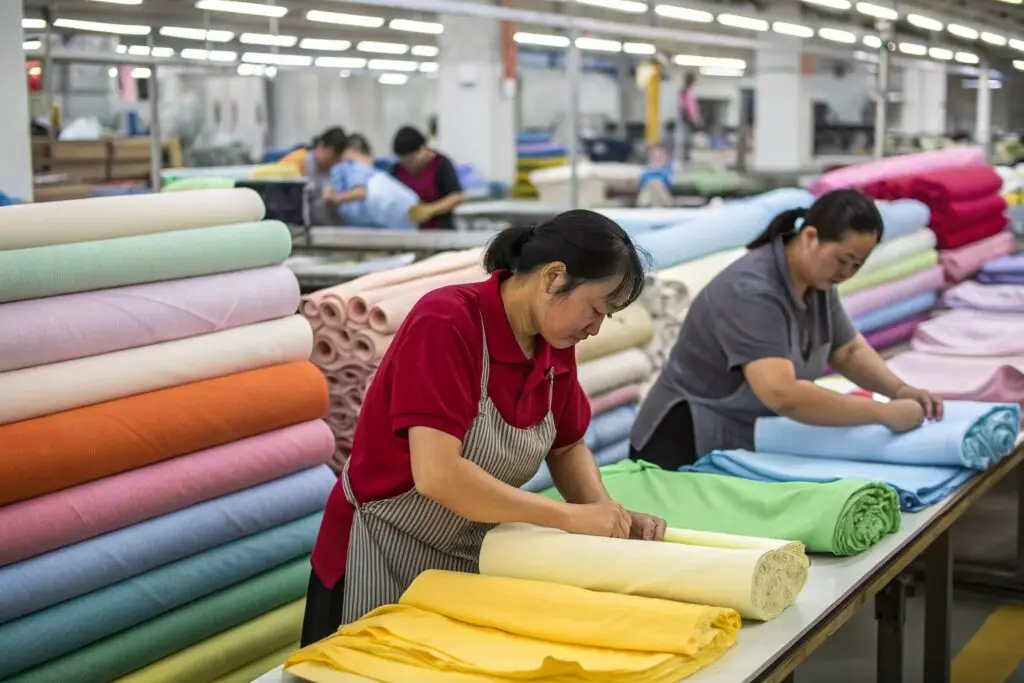
Fabric reuse strategies we implement:
-
- Use leftovers from large orders in smaller accessory runs
-
- Plan ahead to reuse remnants by hue and fiber type
-
Rental garment repair and resew
- Refurbish returns for resale or relisting
-
Label swap for resale rebranding
- De-brand old stock for secondhand use
| Waste Source | Reuse Strategy |
|---|---|
| Leftover fabric rolls | Use in lining, patching, kid’s wear |
| Cutting table offcuts | Match with same fabric panels |
| Returned damaged items | Disassemble and salvage parts |
| Unsold capsule pieces | Refit and re-batch in new collection |
Tools we use:
- CAD nesting software to optimize layout
- SKU-matched remanufacturing logs
- Fabric library with certified re-rolls
- Staff training for precision patching and repair
Innovation doesn’t always mean new—it often means smarter reuse.
Tracking Materials from Production to Reuse
Traceability is the backbone of any circular system. Without it, you can’t prove impact—or improve it.
Manufacturers play a central role in tracking material flow from sourcing through production, shipment, return, and eventual reuse or recycling.
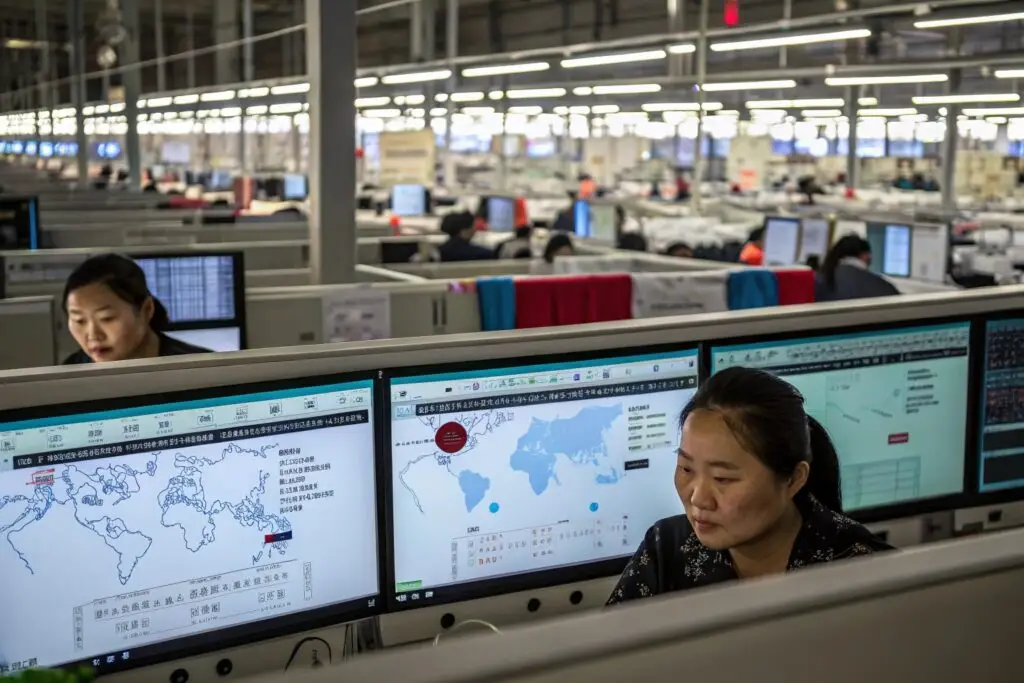
What traceability requires from manufacturers:
-
- Know which rolls went into which SKUs
-
- Sewing dates, line number, bundle tracking
-
QR-coded garments
- Enable tracking during wear, return, and reuse
-
- Document what was recycled, resold, or refurbished
| Tracking Point | Manufacturer's Role |
|---|---|
| Raw material source | Provide certification + batch # |
| Cutting + sewing stage | Link units to specific rolls |
| Final QC and packing | Apply labels + record specs |
| Return or resale flow | Scan and register status |
What we deliver:
- Digital batch tracking dashboards
- Integration with client inventory and resale platforms
- Customized label printing with traceability fields
- Reports for ESG and circularity metrics
We don’t just make clothes—we make it possible to follow them through their entire journey.
Conclusion
In the circular fashion system, the manufacturer isn’t just a vendor—they’re a builder of long-term value. Through recyclability-focused construction, smart fabric reuse, supply chain transparency, and traceable output, we help rental and sustainable brands turn circular ideas into real, scalable solutions.