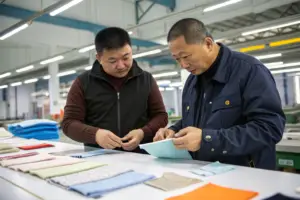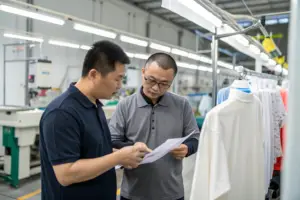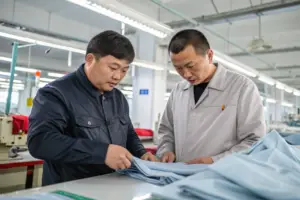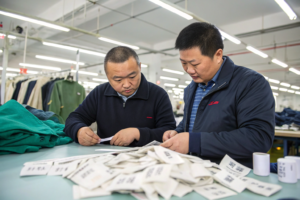
Rental clothing lives longer—but it still reaches an end. And when it does, the outcome depends on how it was designed.
Designing rental garments with end-of-life use in mind reduces waste, enables recycling, and extends the circular value of each piece.
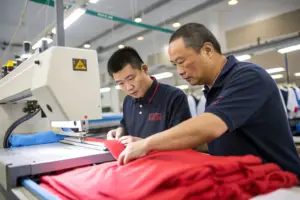
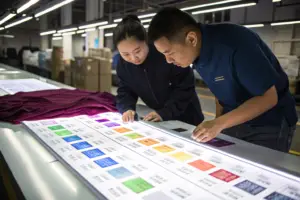
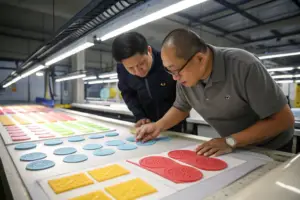
At our factory, we work with brands to integrate sustainability not just in sourcing, but in lifecycle planning—from first wear to final exit.
Designing Rental Apparel for Easy Recycling
If you want a garment recycled, it has to be recyclable—from the fiber to the seams.
Rental brands must design apparel with mono-materials, minimal hardware, and smart construction that allows garments to be broken down, sorted, and reused easily.

Key design features for recyclability:
-
- 100% cotton, polyester, or wool—no blends
-
Stitching compatibility with recycling processes
- Thread that matches or dissolves with the base fiber
-
Minimal use of metal trims or glued components
- Avoids contamination in mechanical or chemical recycling
| Design Element | Impact on Recycling Outcome |
|---|---|
| Fabric type | Determines recycling stream |
| Seam construction | Affects mechanical recovery |
| Label and tag material | Needs to match or detach cleanly |
| Trim complexity | High complexity = low recyclability |
How we help:
- Recommend fiber-based designs with batch-matching materials
- Offer detachable trims and recyclable zippers
- Print fiber and care data directly into garment body (no extra tags)
If recycling is the goal, you must build with that finish line in mind.
Material Choices That Support Garment Reuse
A garment’s material is the most critical factor in determining how it can be reused—either by repair, resale, or reprocessing.
Choosing fabrics and components that last longer, wash better, and respond to repair unlocks a garment’s ability to live multiple lives.
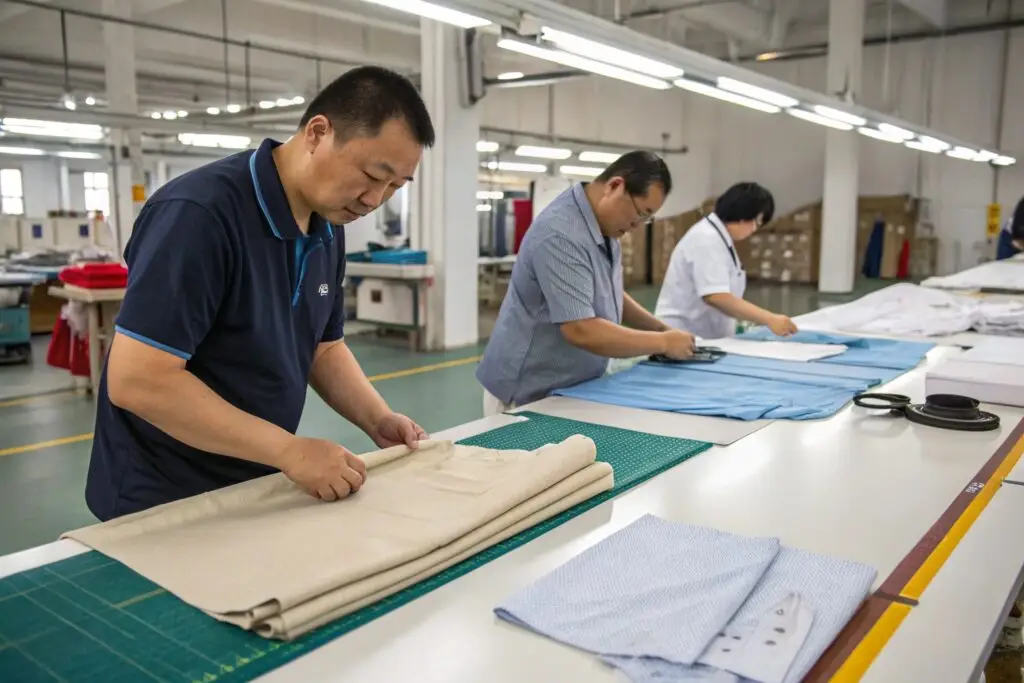
Best material characteristics for reuse:
-
- Stands up to repeated friction and handling
-
Shrink- and wrinkle-resistant fibers
- Consistent fit after many laundry cycles
-
High recovery stretch (for knits)
- Maintains shape with use
-
Modular trims or parts
- Zippers, buttons, and labels that can be replaced
| Material Type | Reuse-Friendly Features |
|---|---|
| Cotton-modal blend | Soft, washable, stable |
| Recycled polyester | Resists fading and breakage |
| TENCEL™ lyocell | Breathable, quick-dry |
| Nylon-elastane mesh | Ideal for movement-based wear |
Factory support includes:
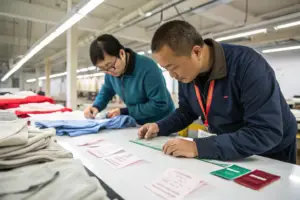
- Pre-testing fabric for 20+ washes
- Assisting with trim alternatives for reuse cycles
- Labeling for care instructions tailored to rotation demands
Materials don’t just define the look—they define the future.
How End-of-Life Planning Reduces Waste
A lot of waste happens not because garments are worn out—but because no plan was in place for what comes next.
Rental brands that build end-of-life planning into their design and operations dramatically reduce disposal rates and improve lifecycle economics.

How planning helps reduce waste:
-
Avoids premature garment disposal
- Enables repair or resale options
-
Improves sorting and grading at return stage
- Staff know what to do with each condition tier
-
Guides restyling or reprocessing decisions
- Easier to reuse fabric or parts
-
Supports third-party recycling compliance
- Garment meets technical intake criteria
| Without End-of-Life Plan | With Smart Lifecycle Design |
|---|---|
| Deadstock garments dumped | Reused as resale or upcycled goods |
| Mixed-fiber fabric wasted | Sorted and sent to correct recycler |
| Trim-contaminated clothing | Landfilled |
| Inventory clog from returns | Reboxed, sold, or remade |
What we provide:
- Pre-built retirement grading checklist
- Repair guides with matching trim specs
- Resale-ready folding and bagging for outlet use
When you plan for the end, you protect everything you've invested from the beginning.
Closing the Loop Through Smart Product Design
Circular fashion starts with smart design—and rental fashion is the perfect model to test and prove circularity at scale.
Garments built with disassembly, recovery, and recyclability in mind not only reduce impact—they drive brand value and customer loyalty.
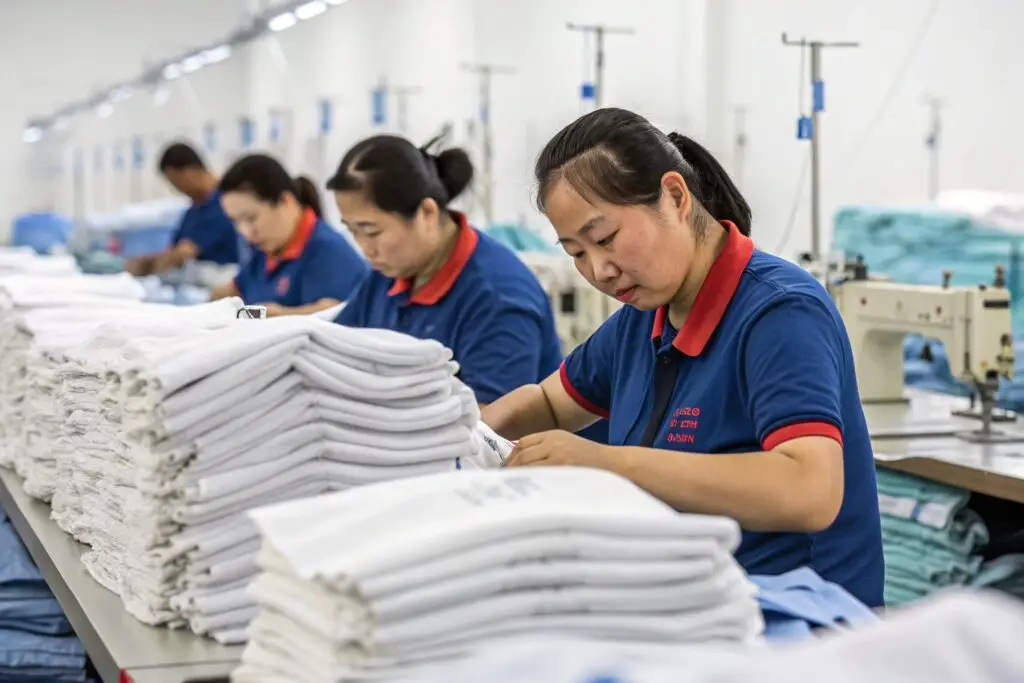
Principles of circular design for rental:
-
- Use stitching, not bonding; removeable trims
-
Design for longevity
- Reinforced seams, abrasion-tested zones
-
Design for modularity
- Replaceable elements like waistbands or closures
-
Design for recovery
- Built-in tags for QR tracking and fiber ID
| Circular Design Element | Loop-Closing Benefit |
|---|---|
| QR garment tags | Enable reuse, resale, recycling |
| Mono-material construction | Simplifies fiber recovery |
| Clear care instructions | Extends lifespan of each unit |
| Style modularity | Refits existing SKUs with minor edits |
Our role in closing the loop:
- Prototype garments to pass wear + recovery tests
- Label for future recyclers—not just today’s user
- Support clients with return + refurbishment logistics
Design is where circularity becomes real—not at the end, but at the very start.
Conclusion
Rental brands that design with the end in mind reduce waste, create reuse paths, and build products that fit today’s sustainability goals. From fiber to finish, your garment should be made not just to wear—but to last, return, and regenerate. We’re here to make sure that happens—seam by seam.