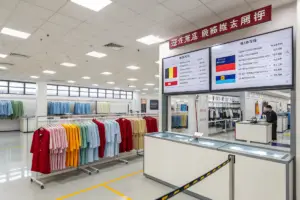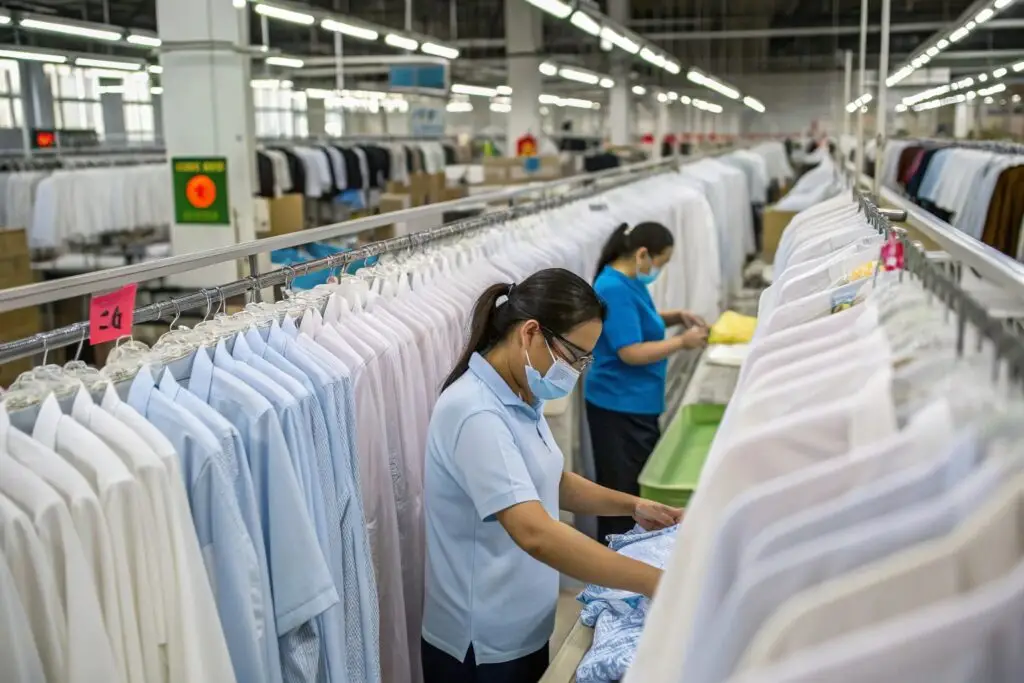
Overproduction is one of fashion’s biggest sins—filling landfills with unsold stock and draining resources.
Rental fashion flips the model. Instead of mass-producing to guess at demand, brands rent garments built to rotate, not pile up. The result? Less waste, more efficiency, and smarter inventory.
Here’s how rental systems, paired with the right manufacturing partners, reduce textile overproduction from the source.
Why Rental Models Lower Inventory Waste
Traditional retail is built on speculation. Rental isn’t.
Because rental garments are reused many times, brands can own less inventory while satisfying more customers—leading to dramatically lower waste and unsold stock.
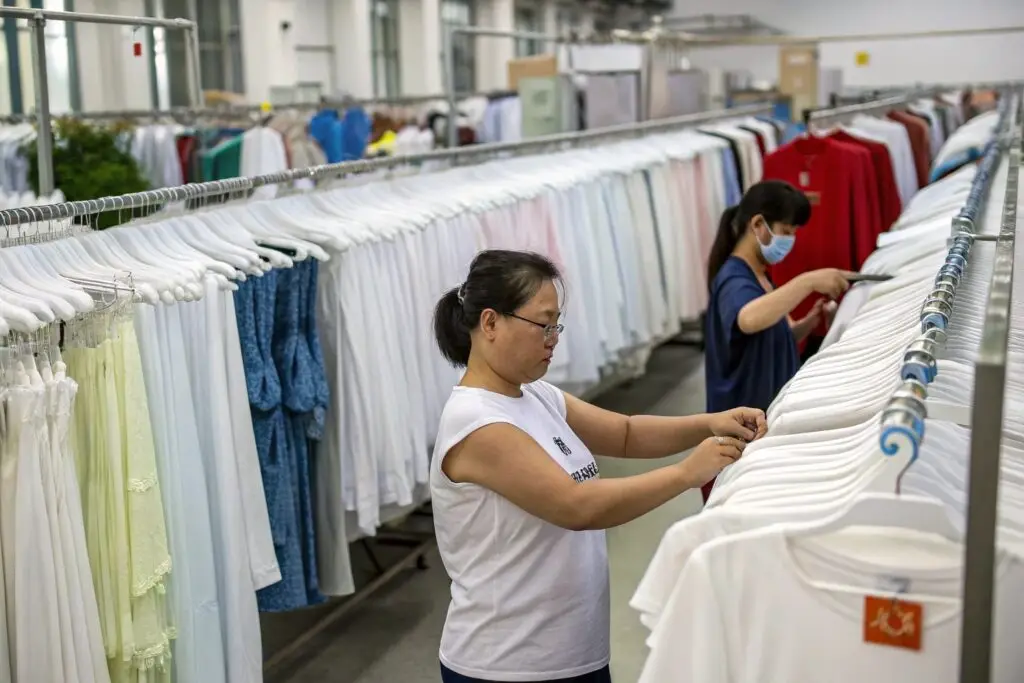
Why retail overproduces:
- Bulk minimums to hit factory MOQs
- Fashion calendar pressure (SS, FW, Resort)
- Sales targets based on guesswork, not usage
- Fear of stock-outs leads to safety buffer inventory
What makes rental different:
- One garment = many users
- No need to mark down or destroy unsold inventory
- Fewer SKUs with longer active lifespans
| Metric | Retail Apparel | Rental Apparel |
|---|---|---|
| Units made per customer | 5–10 | 1–2 |
| Unsold inventory rate | 20–40% | <10% |
| Disposal frequency | High | Low, with resale/recycle |
We help rental brands plan fewer SKUs, tighter runs, and optimized style rotation that puts waste reduction into practice—not just theory.
Demand-Driven Production in Rental Fashion
Rental fashion isn’t produced to fill shelves—it’s produced to fill bookings.
With access to real-time usage data, rental brands can plan production based on demand curves, not seasonal speculation.
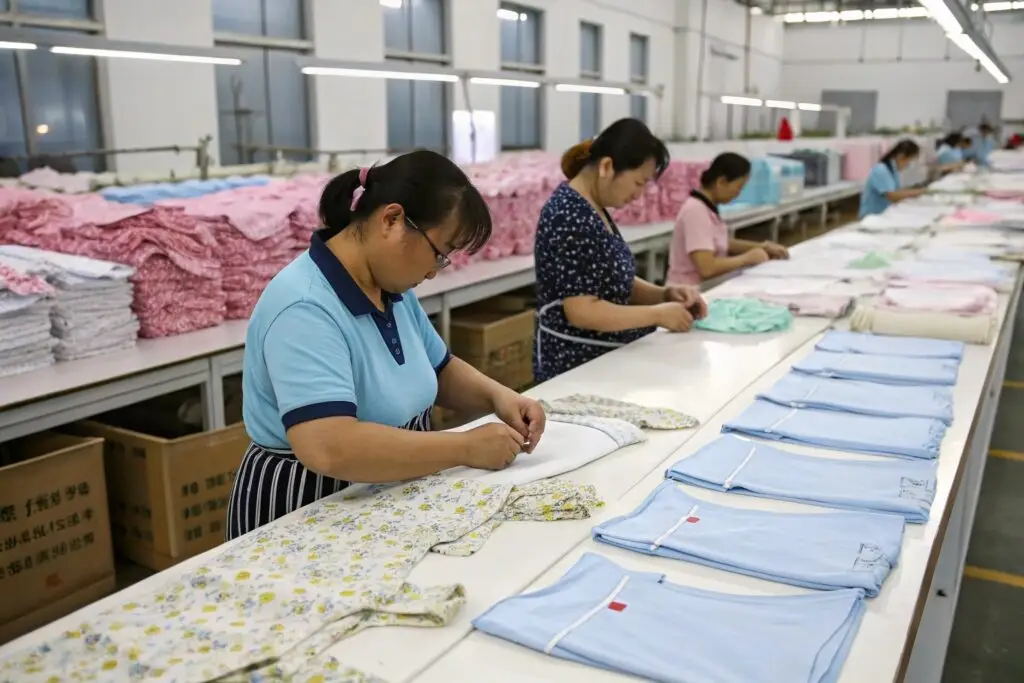
What powers demand-driven rental?
-
- How many times has a style rotated?
-
- Is the unit still functional?
-
Booking frequency by SKU and size
- What’s in high demand or low circulation?
-
Churn rate per size/style
- When do customers stop booking a style?
| Data Type | Manufacturing Decision Outcome |
|---|---|
| Low repair but high booking | Safe to reorder same SKU |
| Fast damage frequency | Flag for redesign or trim change |
| High returns by size | Adjust grading or offer alt fits |
| Repeat bookings | Promote style across campaigns |
How we help:
- Offer modular production for fast restock
- Store digital patterns for instant relaunch
- Enable core capsule reruns without full redesign
When demand drives production, waste doesn’t stand a chance.
Preventing Overordering Through Garment Rental
Ordering too much kills profits. Rental models solve that by shifting the focus from quantity to circulation efficiency.
Garment rental lets brands stock less, rotate more, and use real-time tracking to decide when and how to reorder—preventing the classic overorder trap.
Classic overordering scenarios:
- “Just in case” buffer orders
- Over-buying colors or sizes that flop
- Trend chasing without forecast accuracy
- Buying for discounts (e.g., bulk pricing tiers)
Rental model advantages:
- Lower minimums spread across time
- Replenish based on usage, not shelf look
- Centralized return = reuse and recirculation
| Problem Type | Retail Model Result | Rental Model Solution |
|---|---|---|
| Size imbalance | Overstock or out-of-stock | Adjust order by usage trend |
| Low color sell-through | Dead stock | Cut colorway in next batch |
| Damaged returns | Full loss | Repair and re-enter cycle |
Our support:
- Low MOQ run options for trial colors and fits
- Rolling production slots for short-lead repeat orders
- In-line fabric reuse from unsold batches
With rental, you order what you need—and nothing more.
How Rental Helps Brands Forecast Accurately
Retail forecasting relies on guesswork. Rental forecasting uses wear data.
Because every garment is tracked, rental brands can forecast demand by usage—not just sales—allowing smarter SKU planning and tighter production cycles.
Forecasting tools in rental:
-
- How many wears per week/month?
-
- When will stock need replacing?
-
- Plan ahead using last year’s usage—not just trends
-
SKU retirement schedules
- Predict fabric and trim needs for future
| Forecast Factor | How It Informs Production |
|---|---|
| Monthly wear volume | Plan reorder timing |
| Return reason categories | Spot quality issues |
| Repair cycles per style | Flag styles nearing end-of-life |
| Churn on size availability | Avoid overproducing low sizes |
Factory role in forecasting:
- Provide batch-by-batch performance summaries
- Adjust lead times to match booking windows
- Recommend fabrics with faster turnaround for top SKUs
Rental doesn’t just improve forecasting—it makes it precise.
Conclusion
Rental fashion doesn’t eliminate production—but it makes every garment count more, last longer, and work harder. By replacing speculation with data and shifting focus from volume to value, rental models cut textile overproduction at the source. And with the right manufacturer, you produce only what gets worn—not what ends up in the warehouse.