Fabric isn’t just a detail in rental fashion—it’s a decision that determines cost, comfort, and circular success.
Rental brands must choose fabrics that balance durability, washability, comfort, and sustainability to survive high-turnover usage and meet consumer expectations.
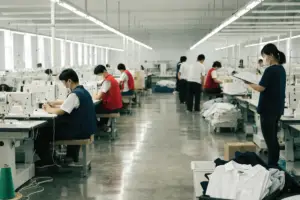
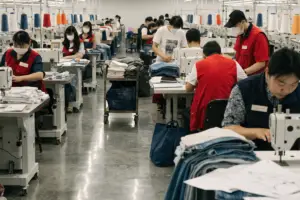
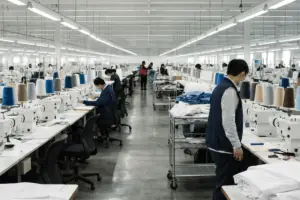
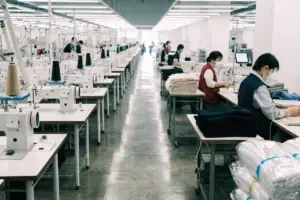
As a manufacturer supporting rental platforms and kidswear subscription boxes, we help our clients select textiles that hold up through dozens of wears and washes. Here’s what we’ve learned matters most.
Durability Requirements for High-Turnover Apparel?
Rental clothing is designed to be used, washed, and reused—not just once, but 10, 20, or even 30 times.
To reduce loss and protect margins, rental brands must select fabrics that resist wear, pilling, shrinkage, and structural breakdown over repeated cycles.
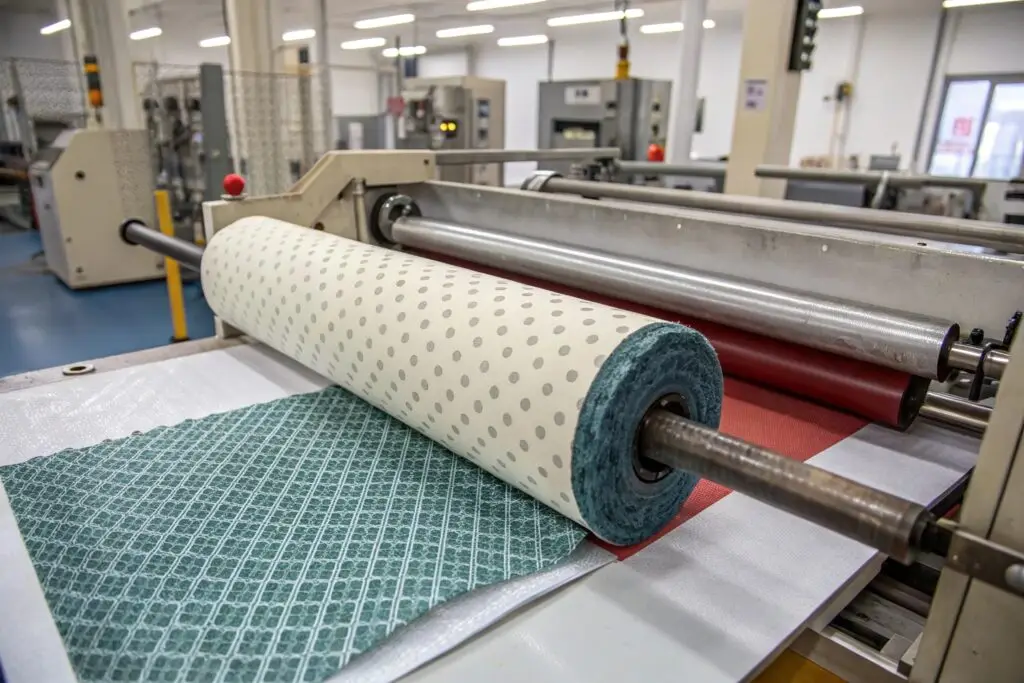
What does “durability” mean in the rental model?
Durable fabrics must:
- Survive repeated laundering without fading
- Resist physical abrasion and friction
- Retain stretch and shape through movement and wear
- Prevent early failure at seams, trims, or prints
We test every rental order’s fabric through:
- Martindale abrasion (10,000–25,000 cycles)
- ISO 6330 wash and dry simulations (up to 20x)
- Tensile and tear strength checks (ASTM D5034)
| Rental Risk Factor | Fabric Selection Criteria |
|---|---|
| Knees/elbows wear | High abrasion resistance |
| Seam stress | High tensile strength in weft/warp |
| Wash fading | Colorfastness under detergent & heat |
| Repeat stretch use | Spandex recovery >90% after 20 pulls |
What types of fabric meet these durability needs?
- Cotton-modal blends: soft and long-lasting
- Nylon-spandex jerseys: excellent shape retention
- Recycled poly twill: heavy-duty but comfortable
- Interlock knits: strong seams, no curling
Durability is the core of a profitable rental rotation. Without it, everything else falls apart—literally.
Fabric Care Needs in Reusable Kidswear Programs?
Care requirements matter in any apparel business. But in rental, they impact operational efficiency, customer experience, and garment longevity.
Rental brands must prioritize fabrics that are easy to wash, dry, fold, and return to circulation with minimal effort.
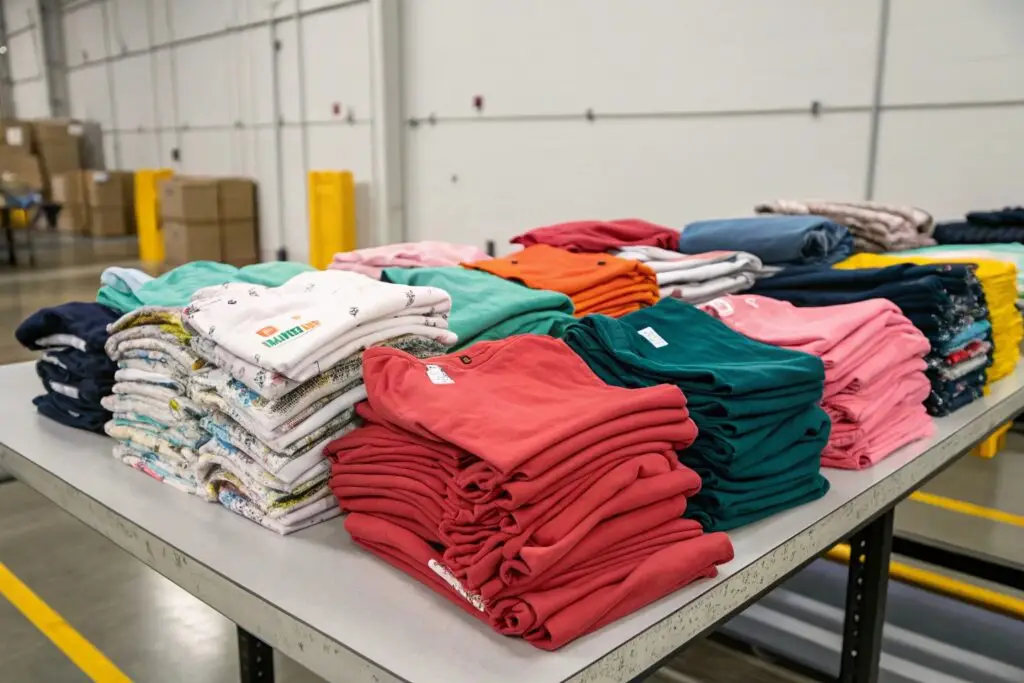
What makes a fabric “easy care” in the rental cycle?
Key properties include:
- Low wrinkle retention
- Quick drying
- Machine washability at 30–40°C
- Print/trim compatibility with commercial laundering
We avoid:
- Dry-clean-only fibers
- Fabrics that shrink more than 3% after 5 washes
- Heat-sensitive synthetics that degrade in dryers
| Fabric Care Attribute | Target Standard for Rental Use |
|---|---|
| Shrinkage | <2% after 5–10 washes |
| Ironing Required | None or low wrinkle profile |
| Drying Time | <60 minutes tumble or hang dry |
| Detergent Compatibility | No color bleed or stiffening |
Which fabrics meet those standards?
- Poly-cotton blends: wrinkle-resistant, fast dry
- Bamboo viscose: breathable and smooth
- Recycled polyester interlock: low shrink, high strength
- TENCEL™ lyocell: elegant, skin-safe, and easy care
We also match the right sewing thread and label materials so nothing fails in the laundry bag.
Balancing Comfort and Longevity in Textile Choice?
Durability can’t come at the cost of comfort. Rental customers—especially parents—want soft, flexible garments that feel good on skin.
Fabrics used in rental programs must balance wear strength with softness, stretch, and breathable performance—especially in kidswear.
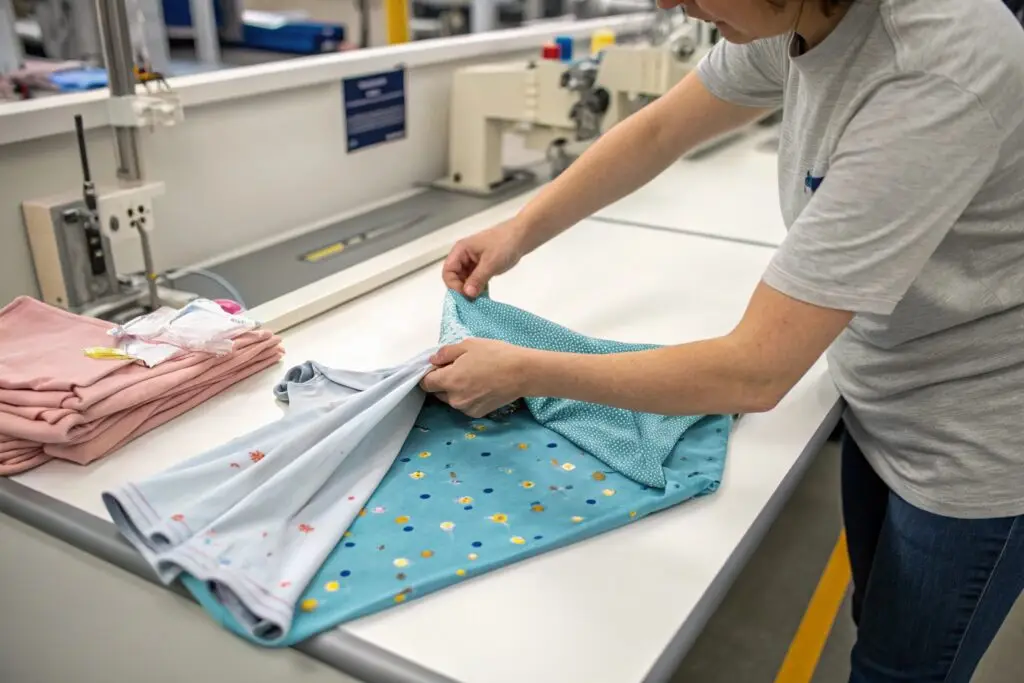
What comfort features matter to rental users?
- Soft handfeel (no scratchy textures)
- Stretch with recovery (especially in leggings, tees, pajamas)
- Breathability (to avoid overheating)
- Skin safety (especially OEKO-TEX or GOTS certified)
We help brands choose:
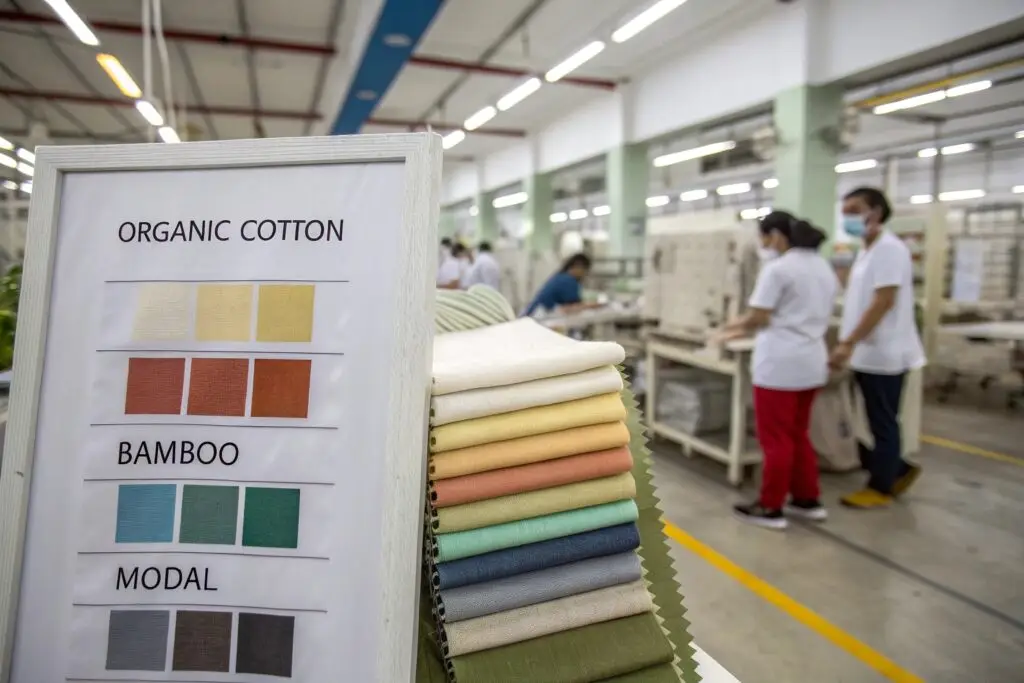
- Cotton-modal: soft + strong
- Bamboo-spandex: cool and flexible
- Organic cotton fleece: plush yet durable
- TENCEL™ blends: moisture-wicking and luxe
| Comfort Factor | Fabric Example | Performance Result |
|---|---|---|
| Softness | Cotton-modal | High parent satisfaction |
| Flexible movement | Nylon-spandex | No sagging or shape loss |
| Skin-friendliness | OEKO-TEX cotton interlock | No irritation, hypoallergenic |
| All-day wear comfort | TENCEL™ jersey | High breathability |
How do we test for comfort?
We include:
- Fabric pH testing (for skin compatibility)
- Flex tests for garment stretch and recovery
- Rub resistance for prints on high-move areas
If it’s not wearable, it’s not rentable—no matter how long it lasts.
Sustainable Options for Scalable Rental Models?
Rental and sustainability go hand in hand—but fabric choice determines whether the full loop is truly circular.
Rental brands should prioritize certified sustainable fabrics that can withstand multiple wears while aligning with environmental values.
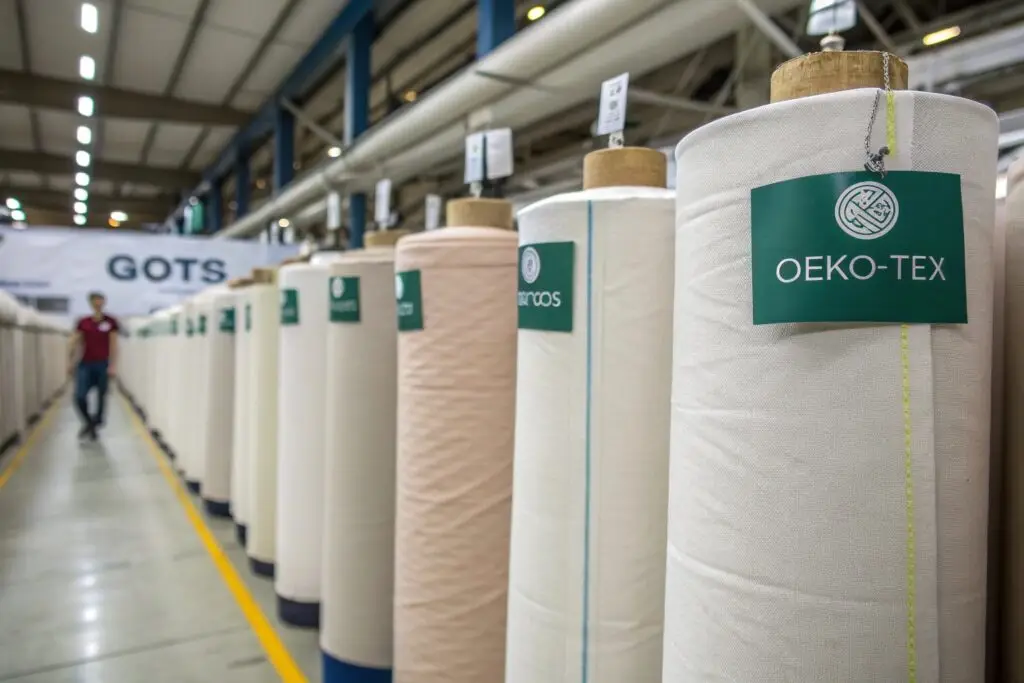
What makes a fabric “scalable” and sustainable?
It must be:
- Certified (GOTS, GRS, OEKO-TEX, FSC)
- Available in large, repeatable quantities
- Durable for at least 10–15 use cycles
- Compatible with resale, repair, or recycling at end-of-life
Our top sustainable fabrics:
- GOTS organic cotton
- GRS recycled polyester
- TENCEL™ lyocell
- Recycled nylon with spandex
| Sustainable Fabric | Circular Value | Rental Benefit |
|---|---|---|
| Organic Cotton | Compostable, skin-safe | Babywear, tees, pajamas |
| Recycled Polyester | Reduces virgin plastic use | Hoodies, joggers, labels |
| TENCEL™ Lyocell | Biodegradable, traceable | Premium adultwear, dresses |
| Recycled Nylon-Spandex | Stretch + reuse-friendly | Activewear, fitted pieces |
How do we help brands scale sustainably?
We:
- Pre-book eco-certified base materials
- Provide lifecycle data for carbon footprint reporting
- Build fabric reuse and repair plans into production
Your fabric isn’t just a product choice—it’s a supply chain strategy.
Conclusion
Fabric selection in rental fashion isn’t just about style—it’s about performance, maintenance, comfort, and long-term impact. The right textile reduces waste, boosts customer loyalty, and unlocks profit across many rental cycles. At our factory, we help rental brands make every fiber count.