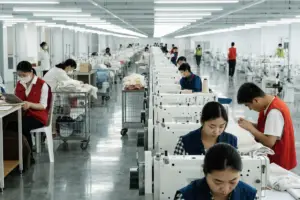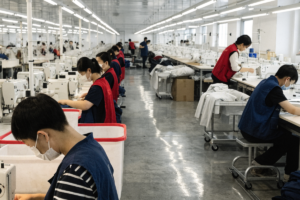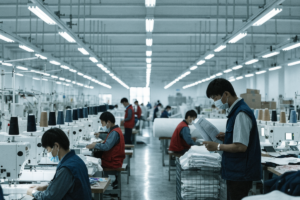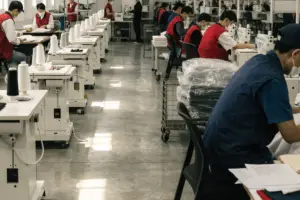
You might have the perfect rental fashion idea—but choose the wrong factory, and it all falls apart.
Choosing the right factory for rental-ready garments means finding partners with proven quality control, flexible customization, logistics experience, and deep knowledge of the garment’s extended lifecycle.
Factories are not just suppliers—they’re the architects of your product’s performance. If you’re in the rental fashion business, the stakes are even higher. Let me walk you through what really matters when making this critical choice.
What to Look for in Rental Garment Manufacturing Partners
Not all factories are equipped for the rental market—even if they claim to be.
Look for factories that understand durability, offer customization for restyling and laundering, have DDP capabilities, and are open to lifecycle planning beyond just production.
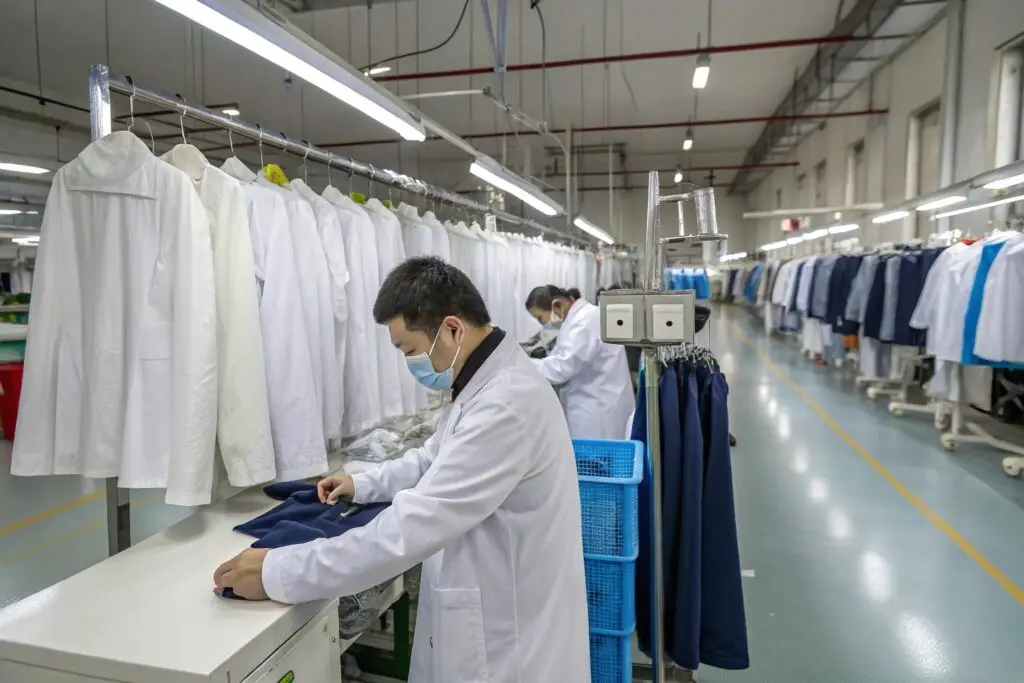
How can a factory’s understanding of rental durability affect garment quality and repeatability?
Rental clothing goes through dozens of washes and customer uses. A regular garment factory may think one-time wear is enough—but rental isn’t built for that. You need reinforced seams, anti-pilling treatments, colorfastness testing, and pre-shrink strategies baked into production.
At Fumao Clothing, we run high-stress test washes before sampling. We make sure seams are finished cleanly, and linings are durable for repeat dry cleaning. Buyers who skip this step usually regret it after their first customer complaint.
Why does factory customization capability matter more for rental than retail orders?
In rental fashion, adaptability is everything. Sometimes you’ll want the same style in multiple fits, or you need to swap labels or fasteners for different markets. Factories must be flexible—not just for design tweaks, but for logistics too.
We’ve built custom restock programs for rental clients where SKU variants can be reintroduced or updated based on returns. That kind of system only works if your factory can scale and adapt quickly. Flexibility isn’t a bonus—it’s essential.
Top Quality Control Standards for Rental Apparel Production
Rental clothing must survive dozens of wear cycles, shipping rounds, and cleanings. Standard QC won’t cut it.
Top quality control for rental apparel includes reinforced seams, advanced wash tests, barcode-ready labeling, and consistent specs across reorders.
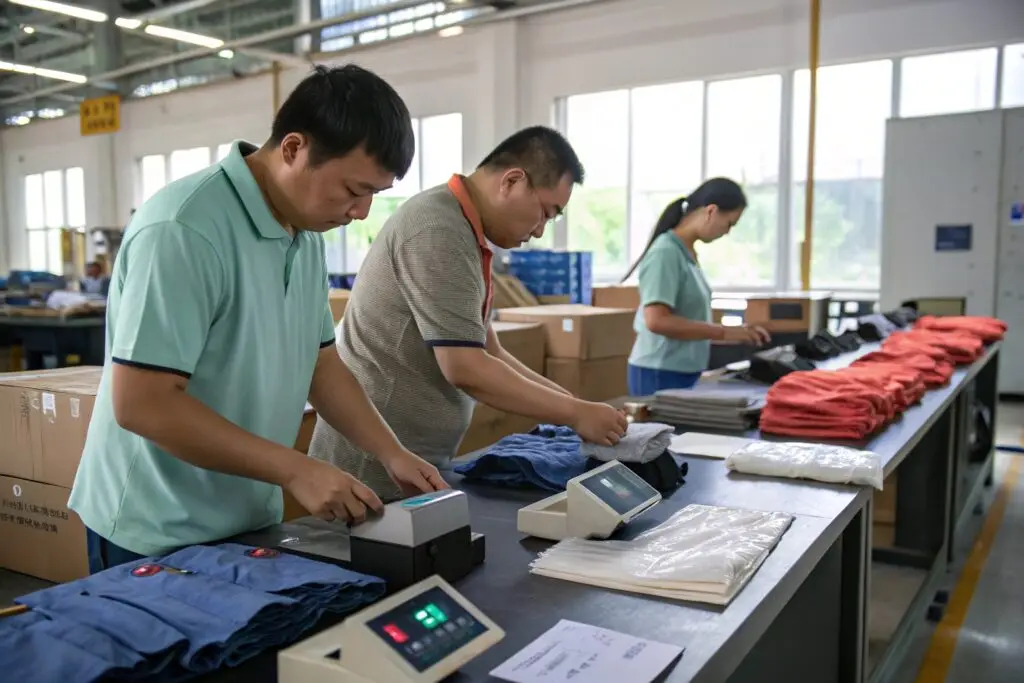
What testing methods and certifications should your factory offer for high-durability rental apparel?
Durability testing is non-negotiable. At Fumao, we run:
- 30-wash cycles at 40°C
- Pilling and abrasion testing (Martindale)
- Colorfastness checks (AATCC 61 or ISO 105)
- Stitch strength testing on stress points (shoulder, crotch, elbow)
You should also look for compliance with OEKO-TEX® or GRS if your brand promotes sustainability. We provide third-party lab tests to validate each batch. Don’t settle for internal QC reports—they’re too easy to fudge.
How does a long-term QC system reduce operational costs for rental-based businesses?
Imagine having to replace 20% of your stock every quarter. That’s what happens when factories cut corners. Strong QC minimizes returns, repair labor, and customer churn.
We work with clients who include return condition tags for every garment, grading them from “A to C.” That grading data feeds back to our factory, so we improve designs in the next batch. A tight QC system isn’t just quality assurance—it’s data feedback for product evolution.
Questions to Ask Before Choosing a Rental Garment Factory
Your first email or call with a factory should be less about price—and more about readiness.
Ask about their laundry testing methods, return-rate benchmarks, restocking timelines, and ability to modify styles over multiple seasons.
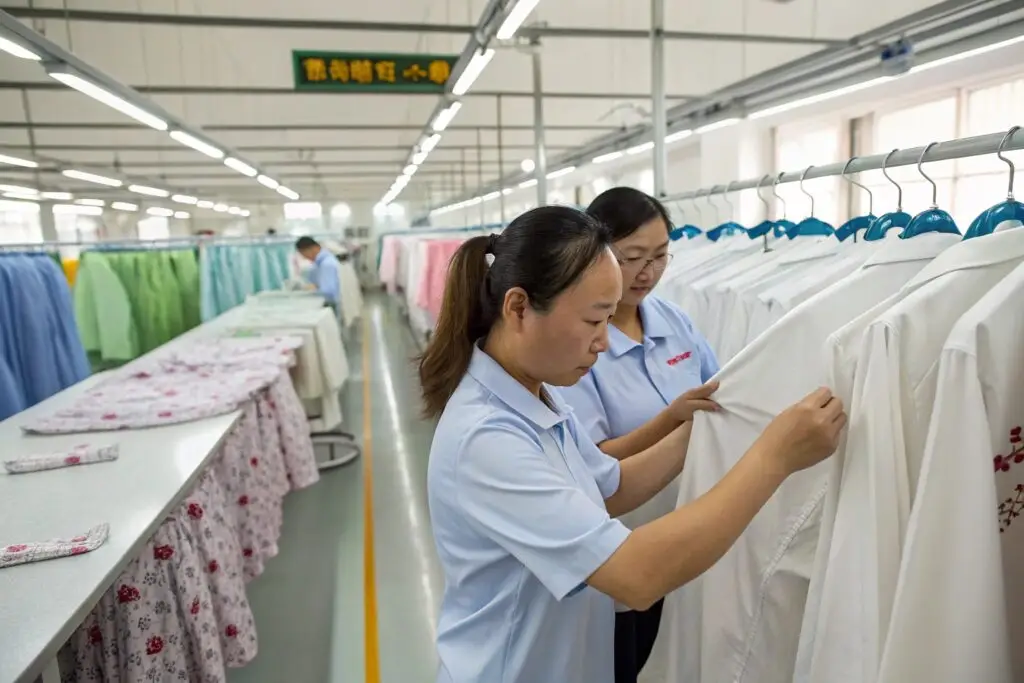
What specific capabilities and workflows separate rental garment factories from standard clothing suppliers?
Ask this: “How many times can this garment be washed and still meet customer expectations?” If they can’t answer, walk away.
Rental-ready factories must be used to:
- Predicting and managing restock cycles
- Handling reconditioning or repair-friendly construction
- Delivering consistent sizing tolerance over large batches
- Printing barcodes and scannable care labels
- Integrating modular design features (e.g., swappable buttons, adjustable straps)
We often build designs with “repair zones” that can be resewn without affecting the aesthetic. This level of detail only comes from a factory experienced in the rental model.
How do you evaluate a factory’s transparency and long-term reliability?
Trust but verify. Always ask for:
- Audit reports from the past 12 months
- Factory visit photos or virtual tours
- Client references—especially other rental companies
- Production SOPs for high-wash items
We recently onboarded a client who left their last supplier due to shifting fabric specs between batches. That’s a nightmare for rentals. Our promise is simple: once approved, nothing changes without written notice. That’s the level of reliability you should expect.
Best Countries for Rental-Ready Clothing Manufacturing
Location still matters—especially when you’re shipping large volumes on a tight timeline.
China, Vietnam, and India are top countries for rental-ready garment production thanks to their fabric diversity, skilled labor, and mature logistics.
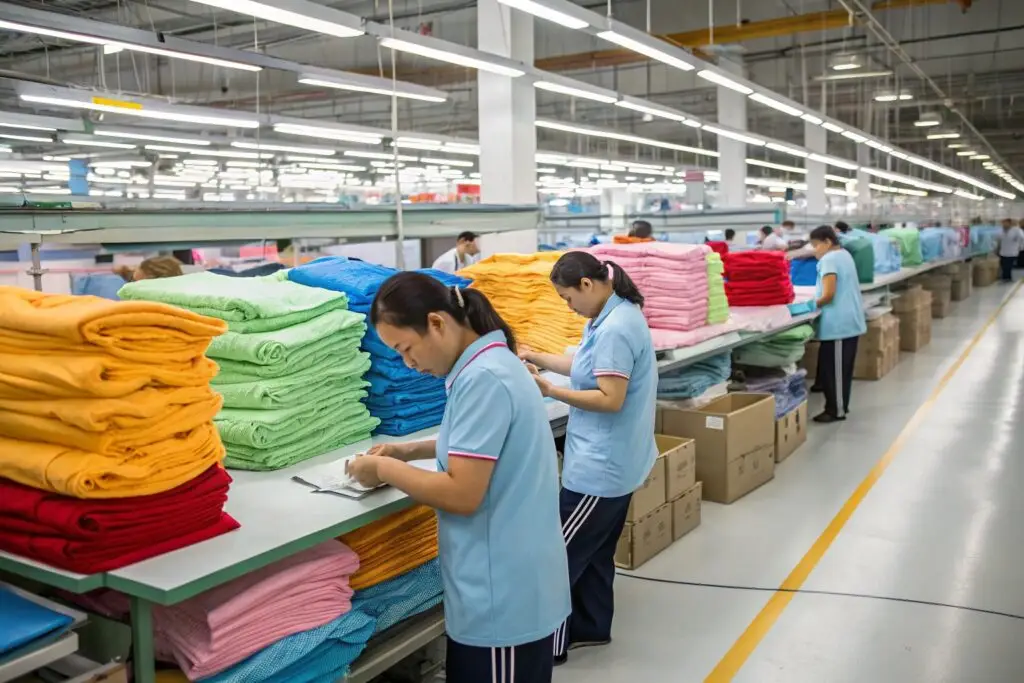
What makes China especially suited for high-volume, durable garment manufacturing?
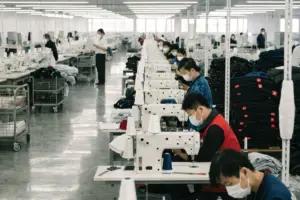
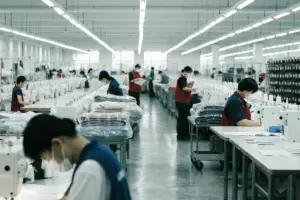
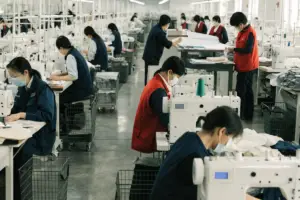
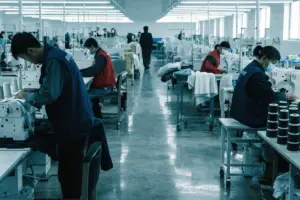
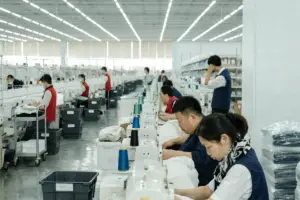
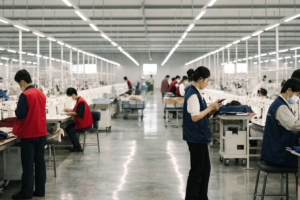
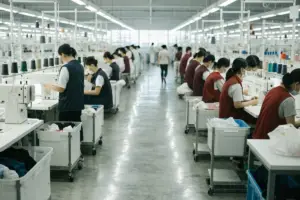
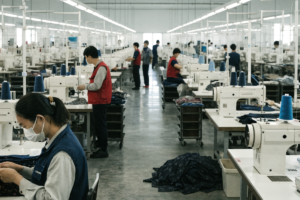
China still leads in fabric variety, process control, and shipping efficiency. At Fumao Clothing, we handle five production lines optimized for custom small-batch or bulk rental wear. Our partnerships with mills mean we can control fabric quality, run tests in-house, and scale up without delays.
China also leads in trim manufacturing—barcodes, wash labels, care instructions, and packaging materials are all locally available. That makes full-package manufacturing smooth and fast. We can even offer DDP (delivered duty paid) to simplify the import process for U.S. or European clients.
How do Vietnam and India compare, and what kind of rental brands do they suit best?
Vietnam has strong CMT (cut-make-trim) capabilities and good worker compliance. If you’re sourcing woven garments or basics, they’re a solid choice. The lead times are longer, but costs may be lower.
India is great for organic cotton, artisanal fabrics, or brands with a handmade aesthetic. For rental brands targeting eco-conscious users or storytelling marketing, Indian mills offer heritage value. However, freight can be slower, and compliance varies—so choose factories with modern infrastructure.
| Country | Strengths | Ideal For |
|---|---|---|
| China | Fabric variety, logistics, fast scale | All rental garment categories |
| Vietnam | Low cost, skilled labor | Basics, uniform rental |
| India | Organic fabric, artisan textile | Eco-rentals, brand storytelling |
Conclusion
A rental garment is only as good as the factory behind it. Choose one that understands wear cycles, flexibility, and long-term partnerships—and your rental brand will stand out in quality and consistency.