Fashion rental sounds exciting. But behind the polished storefront lies a complex, circular engine.
Before launching a rental fashion brand, startups must prepare for unique logistics, sourcing, tech, and customer experience challenges that go far beyond traditional retail.
I’ve helped new rental brands move from idea to inventory. The ones that succeed don’t just look different—they’re built different. Here’s what every founder should know before diving in.
Core Logistics Challenges in Fashion Rental Startups?
Most founders underestimate the backend. In rental, operations aren’t just important—they’re the whole business.
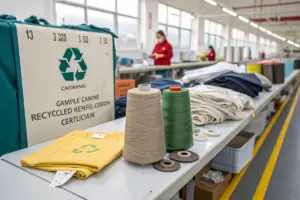
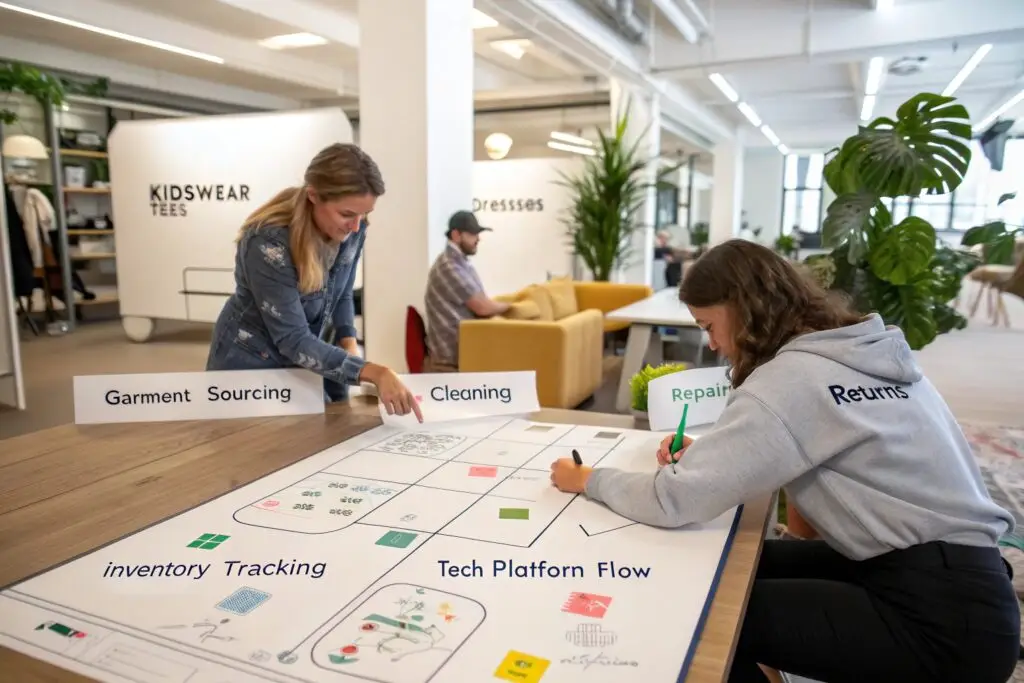
Rental fashion logistics are complex: every item must come back, be cleaned, inspected, tracked, and sent again—over and over.
What makes rental fulfillment harder than retail?
Retail is one-way. Rental is circular. That means:
- Every shipment becomes a return
- Every return needs condition logging
- Garments are inventory assets, not sold stock
You’ll need:
- Reverse logistics systems
- Condition grading workflows
- Cleaning and repair flows
- Fast turnaround on re-rentals
Startups often forget: if an item sits 5 days waiting to be cleaned, that’s 5 days it’s not earning.
| Fulfillment Step | Retail Model | Rental Model |
|---|---|---|
| Order Shipping | One-way | Two-way + reusable packaging |
| Return Processing | Optional | Mandatory every cycle |
| Inventory Management | Static | Dynamic (moving, wearable stock) |
| Asset Tracking | SKU-level | Garment-level |
How can startups manage logistics without huge upfront costs?
Some hacks:
- Use shared 3PLs with garment handling
- Start with manual cleaning and scale to industrial
- Track items via barcode/NFC instead of RFID early on
- Build small batch test systems before automating
We advise clients to build for 60% capacity, then layer in automation as growth happens.
How to Source Garments Built for Rental Durability?
Your clothes will be worn 10+ times. They will be washed, stretched, and possibly chewed on.
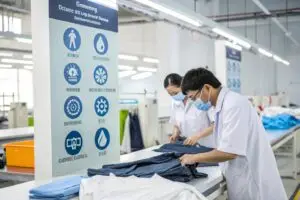
Garments for rental must be made to last—not just look good. Startups should focus on sourcing materials and construction built for industrial-level wear and reuse.
What fabric and trim features matter most in rental sourcing?
Look for:
- Pre-shrunk knits and colorfast dyes
- Double-stitched seams
- Reinforced knees/elbows for kidswear
- Snaps over zippers (fewer repairs)
And avoid:
- Light novelty prints that fade quickly
- Fragile trims (lace, beads)
- Fabrics that pill or snag easily
Rental isn’t seasonal—it’s performance-based.
| Component | Rental-Ready Specs |
|---|---|
| Stitching | 4-thread overlock + bar tack points |
| Neckline Binding | Double-covered or taped seams |
| Labels | Printed or heat-sealed |
| Fasteners | Metal snaps, not zippers or hooks |
How can startups test their product before scaling?
Run a beta cycle:
- Produce 50–100 units
- Track wear + feedback over 6 weeks
- Identify failure points (fabric fade, seam burst)
We’ve helped clients revise entire styles based on early returns. That saves thousands long-term.
Key Tech and Ops Tools for Scaling Rental Models?
If you plan to grow, you need tech. Manual tracking only works until your 20th garment.
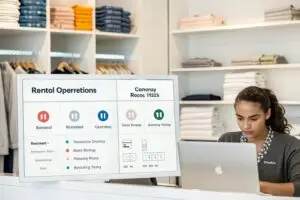
The right tools help startups scale rental operations—from inventory tracking to customer swaps to smart restocking decisions.
What basic tech stack does a rental startup need?
Start simple. You’ll need:
- Inventory tracking (barcode or RFID-ready)
- Rental calendar + subscription logic
- Cleaning/return logging
- Customer dashboard (past rentals, size info)
Many startups begin with Shopify + rental apps (like TryNow or ReturnLogic), then graduate to custom platforms.
| Tool Function | Tool Type |
|---|---|
| Inventory Movement | Airtable, Sortly, or RFID |
| Subscription Billing | ReCharge, Bold |
| Return Condition Tracking | Custom Google Form or App |
| Customer Preferences | CRM + rental history plugin |
When should startups invest in automation?
We suggest automating only after:
- 300+ active rentals/month
- 3+ fulfillment zones
-
10% loss/damage rate (needs tracking)
Until then, a well-trained team + strong SOPs go further than code.
Understanding Customer Expectations in Rental Fashion?
Renters aren’t shoppers. They expect something closer to a concierge than a checkout.
Rental customers want convenience, cleanliness, fast swaps, and clear instructions—they are more sensitive to friction than traditional buyers.

What do rental customers care about most?
From our client data, these 5 areas drive satisfaction:
- Item Condition – Must feel clean, fresh, and undamaged
- On-Time Delivery – Rentals are often event-based
- Swap Flexibility – Wrong fit? Easy exchange, fast
- Clear Pricing – Damage fees, shipping, etc.
- Simple Returns – Drop off or pick up preferred
Some customers return because of wrinkled packaging. Yes, it matters.
| Expectation Area | Tolerance Level |
|---|---|
| Garment Damage | Zero |
| Shipping Delay | 1 day max |
| Return Hassle | Very Low |
| Pricing Confusion | Must be crystal clear |
| Fit Issue Resolution | 24-hour window ideal |
How can startups exceed expectations without overbuilding?
- Include garment care cards
- Offer 1 free swap per month
- Send SMS return reminders
- Use real models in images, not flat lays
- Respond to support requests within 12 hours
We’ve seen startups with basic products and amazing support outperform premium brands with poor service.
Conclusion
Rental fashion is a different game. Startups entering this space must rethink logistics, sourcing, technology, and customer service. It's not retail with returns—it's a living, moving ecosystem. Get the backend right early, and you’ll earn loyal customers and scalable profit.