Traditional fashion manufacturing used to be simple: make a lot, sell a lot. But now, customers want more than just clothes—they want clothes made for them.
Mass customization is replacing mass production as fashion brands respond to demands for individuality, better fit, and emotional connection—without losing efficiency.
When we first added custom features to bulk orders, we were nervous about delays. But our clients loved the result: higher engagement, fewer returns, and stronger brand loyalty. Now, customization is part of how we build every successful order.
What Is Driving the Demand for Mass Customization?
Consumers have more choices than ever. To stand out, brands must deliver exactly what customers want—not just what’s cheapest to produce.
The demand for mass customization is driven by digital technology, rising customer expectations, competitive pressure, and the desire for self-expression.
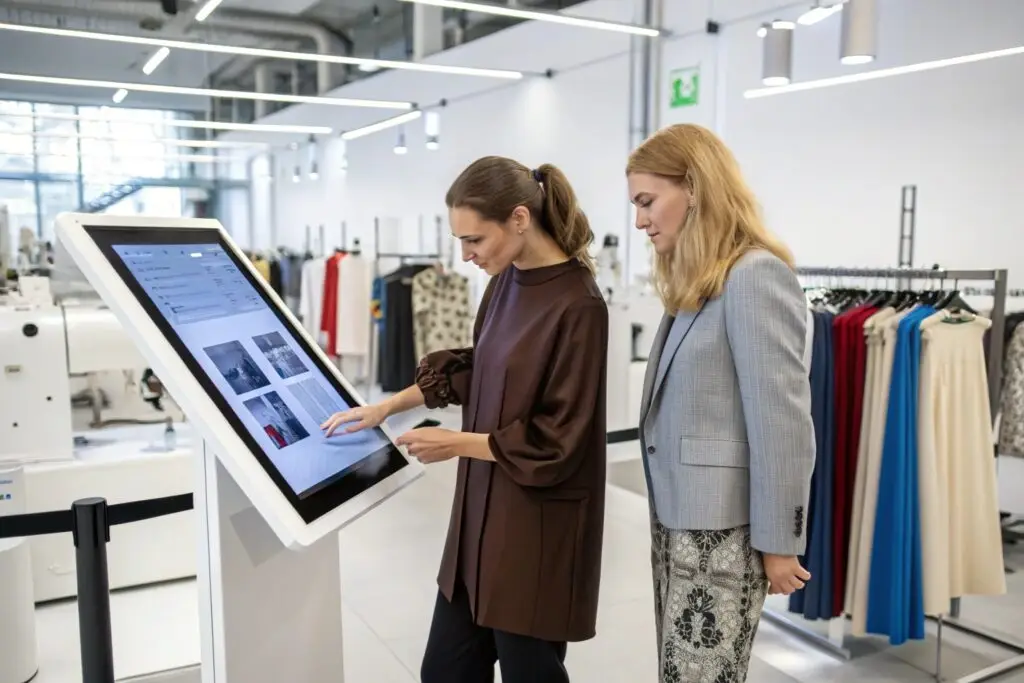
Why are today’s fashion consumers more focused on individuality than price?
Shoppers today:
- Want clothing that reflects their identity
- Expect more choices—fit, color, features
- Value brands that “listen” and respond
Mass production assumes everyone is the same. But customization treats every buyer as unique. That shift builds loyalty.
One client added personalized tags1 to hoodies—just a name, one word. Their reorder rate doubled in three months.
How do digital tools make mass customization scalable for modern fashion brands?
It used to be hard to customize anything at scale. But now we use:
- 3D design software2 for instant visuals
- Digital printing for one-off graphics
- Automated pattern grading for size flexibility
- Barcode-linked logistics for order-specific tracking
These tools turn a “one-size-fits-all” system into a “made-for-you” experience—without sacrificing time or margins.
How Fashion Brands Are Personalizing at Scale.
Fashion isn’t just about trends anymore—it’s about connection. The brands winning now are those that make customers feel involved in the process.
Fashion brands are personalizing at scale using modular design, AI recommendation engines, made-to-order platforms, and smart supply chain partnerships.

How are global and indie fashion brands implementing scalable personalization?
Here’s how brands are getting it right:
| Personalization Tactic | Example |
|---|---|
| Modular design3 | Change collars, sleeves, or trims on demand |
| Size-on-demand4 | Dynamic sizing for each user profile |
| Print-on-demand5 | Custom graphics for influencers or events |
| Embellishment options | Name stitching, monograms, patches |
One of our clients lets customers choose patch sets when ordering denim jackets. We fulfill each order individually—but in a factory-ready process.
What kind of factory setup supports large-scale personalization in apparel?
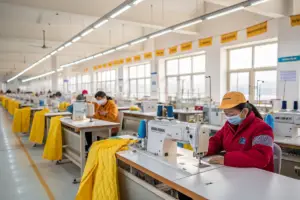
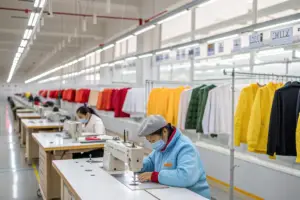
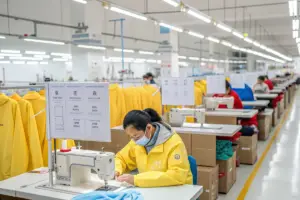
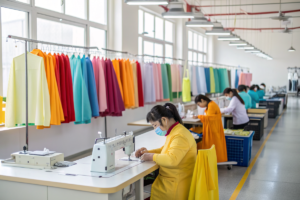
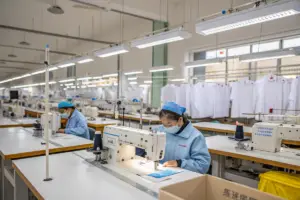
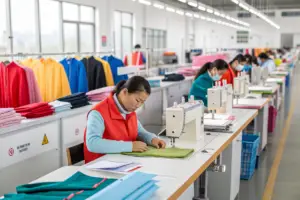
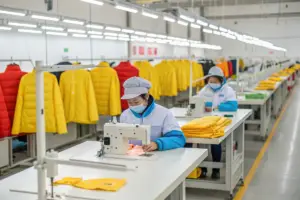
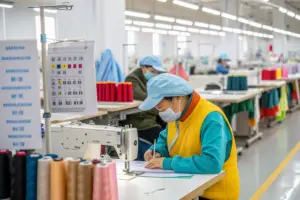
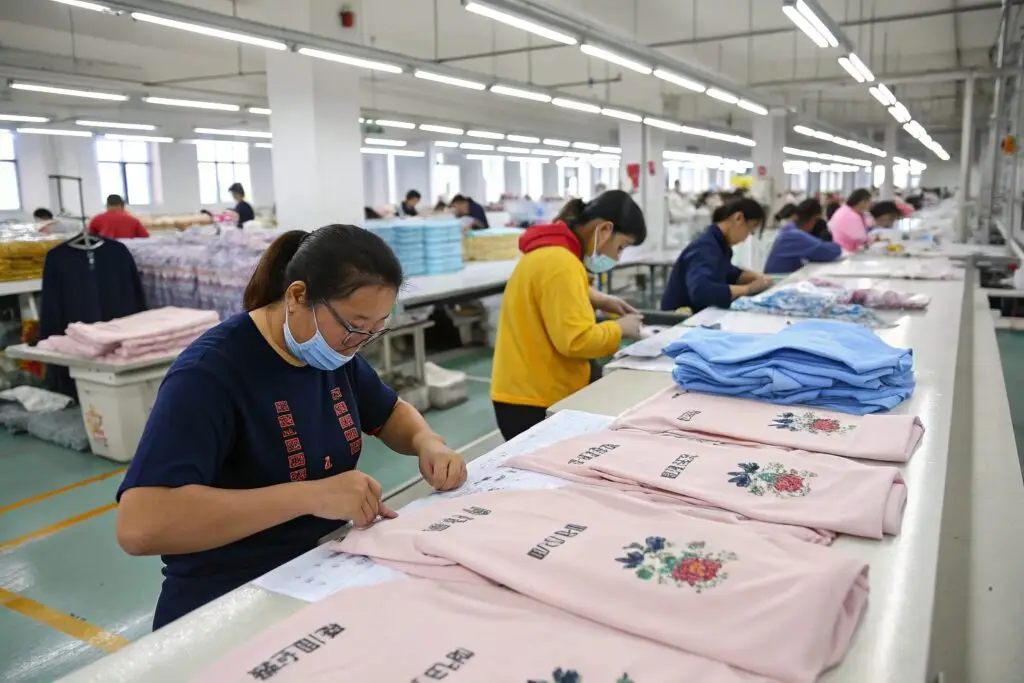
We restructured our floor to allow parallel custom production:
- Dedicated lines for embroidery, tagging, and labeling
- Segmented packing areas for personalized insert cards
- Integrated order sheets with barcodes for specific tasks
This allows us to produce thousands of units—but with individual differences baked in.
Key Differences Between Mass Production and Customization.
Mass production built the fashion industry. But it also built mountains of unsold stock. Customization offers a leaner, smarter future.
Mass production focuses on cost, scale, and uniformity, while customization focuses on flexibility, experience, and individual value.

How do mass production and mass customization6 compare across key areas like cost, flexibility7, and risk?
| Factor | Mass Production | Mass Customization |
|---|---|---|
| MOQ | High (500–10,000 pcs) | Low to mid (50–500 pcs) |
| Unit cost | Lower per unit | Slightly higher per unit |
| Flexibility | Low | High |
| Inventory risk | High (unsold stock) | Low (pre-sold or made-to-order) |
| Brand value | Functional | Emotional, experience-driven |
We’ve seen brands switch to 100–200 unit custom runs and outperform old 1,000-piece seasonal launches in both sales and engagement.
What challenges do fashion manufacturers face when shifting from mass production to customization?
The biggest challenges include:
- More complex logistics
- Higher demand on factory flexibility
- Need for integrated digital systems
But these can be solved with:
- Workflow redesign
- Staff retraining
- Automated order management tools
We invested early in flexible layouts, small-batch modules, and live order tracking. It paid off fast—our turnaround speed actually increased.
Is Mass Customization the Future of Apparel Manufacturing?
It’s not a trend. It’s a shift in mindset—from “how much can we sell?” to “how can we serve each customer better?”
Yes, mass customization is the future of apparel manufacturing because it combines scale with personalization, lowers waste, and meets modern consumer expectations.

Why are more apparel brands choosing mass customization as their long-term strategy?
Customization offers:
- Better margins due to perceived value
- Lower returns due to better fit8 or satisfaction
- Stronger community built on customer voice
Customers don’t just buy a product. They buy a feeling—“This was made for me.” That’s priceless.
How do forward-thinking factories prepare for a mass customization9 future?
Here’s what we’re doing:
| Area | Upgrade |
|---|---|
| Production flow | Cell-based, modular stations |
| Software | Live order dashboards and ERP integrations |
| Materials | On-demand sourcing and digital print options |
| Packaging | Personal message printing, drop-specific branding |
Our goal is to make “one-of-many” feel like “one-of-one”—but without slowing down production.
Conclusion
The shift from mass production to mass customization is more than a supply chain change—it’s a change in how we think about fashion. As consumers demand more meaning, fit, and connection, brands that embrace customization will lead the future—and we’re proud to help them do it.
-
Discover how personalized tags can boost customer loyalty and engagement, transforming the shopping experience. ↩
-
Explore how 3D design software is revolutionizing fashion customization, making it more accessible and efficient for brands. ↩
-
Explore how modular design enhances personalization in fashion, allowing for unique customer experiences and tailored products. ↩
-
Learn about size-on-demand strategies that cater to individual body types, improving fit and customer satisfaction. ↩
-
Discover the advantages of print-on-demand, including customization and reduced waste, making fashion more sustainable. ↩
-
Explore how mass customization can enhance customer satisfaction and brand loyalty, making it a vital strategy for modern businesses. ↩
-
Discover the significance of flexibility in manufacturing, which can lead to better responsiveness to market demands and customer preferences. ↩
-
Learn how achieving a better fit can significantly lower return rates and improve customer loyalty. ↩
-
Explore how mass customization enhances brand value and customer satisfaction in the apparel industry. ↩