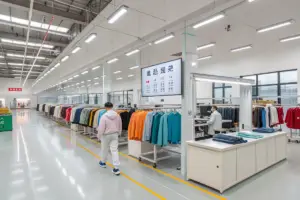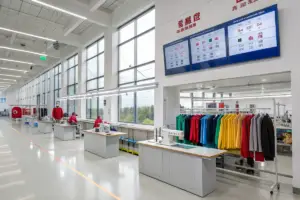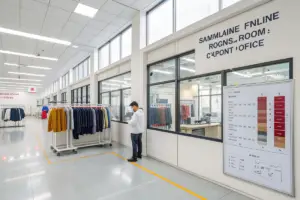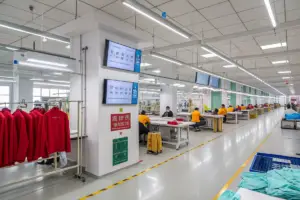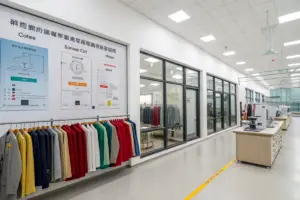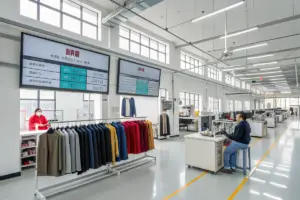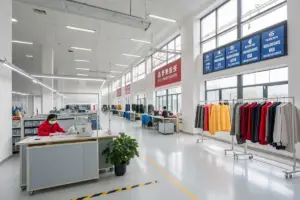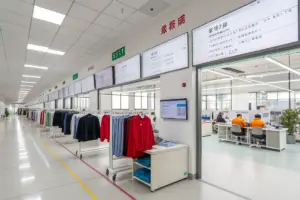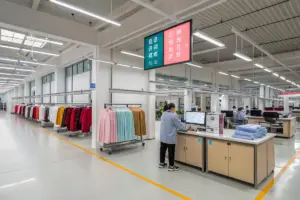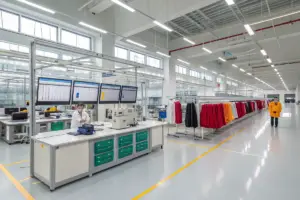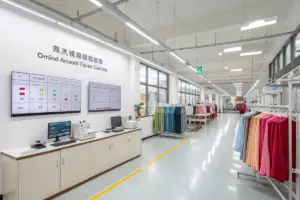
When I first started working with apparel brands, I saw so many great ideas get stuck in notebooks or mood boards. What they needed wasn’t just inspiration—it was a partner to bring those ideas to life.
Our factory specializes in helping brands turn their ideas into real, high-quality products by guiding them through design development, sampling, manufacturing, and market launch with precision and care.
Your concept deserves more than a drawing—it deserves a trusted team who can make it real.
How do you turn a product idea into a product?
I’ve seen too many brand owners frustrated because their first samples didn’t match their dreams. Turning an idea into a product takes clear steps—and expert hands at every stage.
To turn a product idea into a product, you need to develop clear specifications, create detailed prototypes, test functionality, refine designs, and move into scalable production with the right manufacturer.

What steps take an idea from sketch to sample to sellable product?
| Step | What Happens |
|---|---|
| Concept Sketching | Visualize the design elements |
| Tech Pack Creation1 | Document measurements, materials, details |
| Prototype Development2 | Build the first physical sample |
| Sample Testing3 | Fit tests, fabric performance checks |
| Revisions & Approval | Adjust based on feedback |
| Production Planning | Confirm final materials, quantities, timelines |
At our factory, we assign dedicated project managers to guide each brand through these stages—ensuring no idea gets lost in translation.
What makes this process smoother?
- Clear reference samples or sketches
- Open communication on priorities (price vs quality vs timeline)
- Willingness to iterate quickly based on feedback
The idea isn’t finished when you draw it—it’s finished when the sample exceeds your expectations.
How are new product ideas generated?
Many brands think product ideas have to come from a moment of inspiration. In reality, the best ideas are born from structured creativity mixed with real-world market needs.
New product ideas are generated through a combination of market research, customer feedback, competitor analysis, trend tracking, and creative brainstorming sessions.
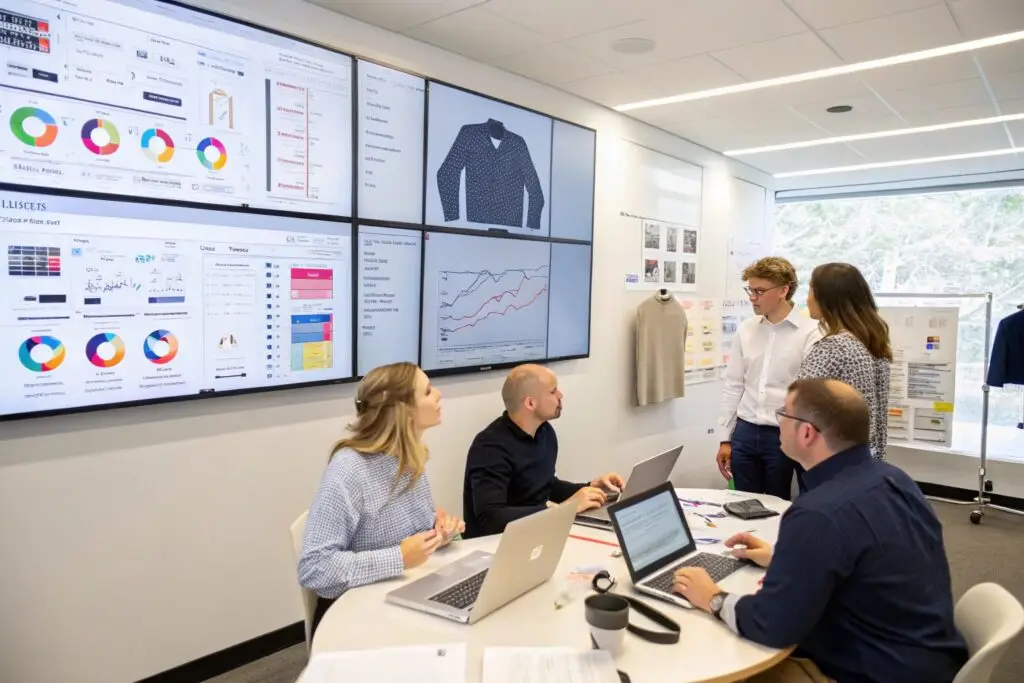
Where do winning product ideas usually come from?
| Source | Example |
|---|---|
| Customer Feedback4 | “I wish this jacket had more pockets” |
| Market Gaps | Lack of stylish plus-size activewear |
| Emerging Trends5 | Eco-friendly fabrics, gender-neutral styles |
| Cultural Movements | Rise of minimalism, streetwear influence |
At our factory, we often help brands shape rough ideas into viable products by blending trend insights with practical production knowledge.
How do we help refine early-stage ideas?
- Suggest realistic fabric and construction options
- Share current bestsellers from similar brands (anonymously)
- Highlight cost-saving design tweaks early
- Provide rapid prototyping6 to test the market
Creativity needs structure—and the right production partner brings both.
How to develop a new product from concept to market?
Turning a concept into a market-ready product isn’t just about making something—it’s about making something people want, at a price they’ll pay, with quality they’ll trust.
To develop a product from concept to market, refine your design, validate demand through sampling and feedback, scale production strategically, and build a launch strategy focused on your target audience.
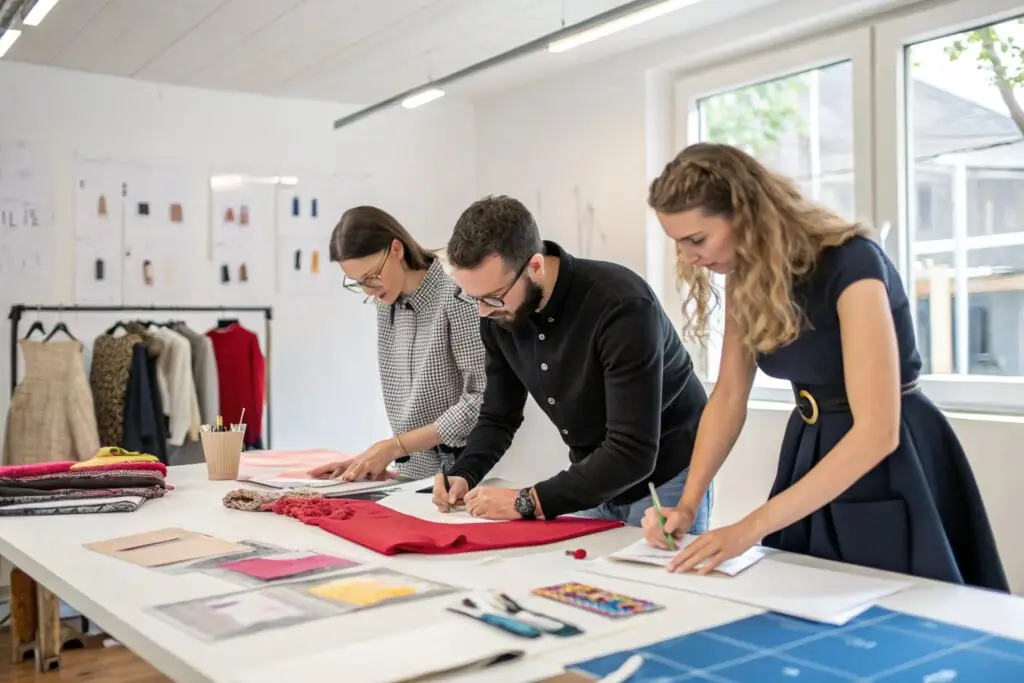
What’s the full roadmap from concept to launch?
| Phase | Key Activities |
|---|---|
| Concept Validation | Trend research, audience surveys |
| Design Finalization | Tech packs, fabric sourcing |
| Sampling and Prototyping | Fit testing, functionality checks |
| Pilot Production | Small batch runs to test logistics |
| Launch Preparation | Branding, packaging, inventory setup |
| Go-to-Market Execution | E-commerce, wholesale, or hybrid sales |
At our factory, we don’t just hand over finished goods—we help brands think about scalability7, reorder strategies, and inventory flow8 to avoid overstock or stockouts.
Why is production planning9 critical at this stage?
- Launch delays can kill early buzz
- Poor quality at launch damages trust fast
- Limited initial inventory creates urgency without financial risk
A strong launch starts with a factory that thinks two steps ahead.
How to manufacture and sell a product?
After working with dozens of startups and established brands, I know: having a beautiful product is only half the battle. Manufacturing and selling efficiently decides long-term success.
To manufacture and sell a product, work with a capable, transparent factory, price the product based on market positioning, create a multi-channel selling strategy, and maintain agile production for scaling.
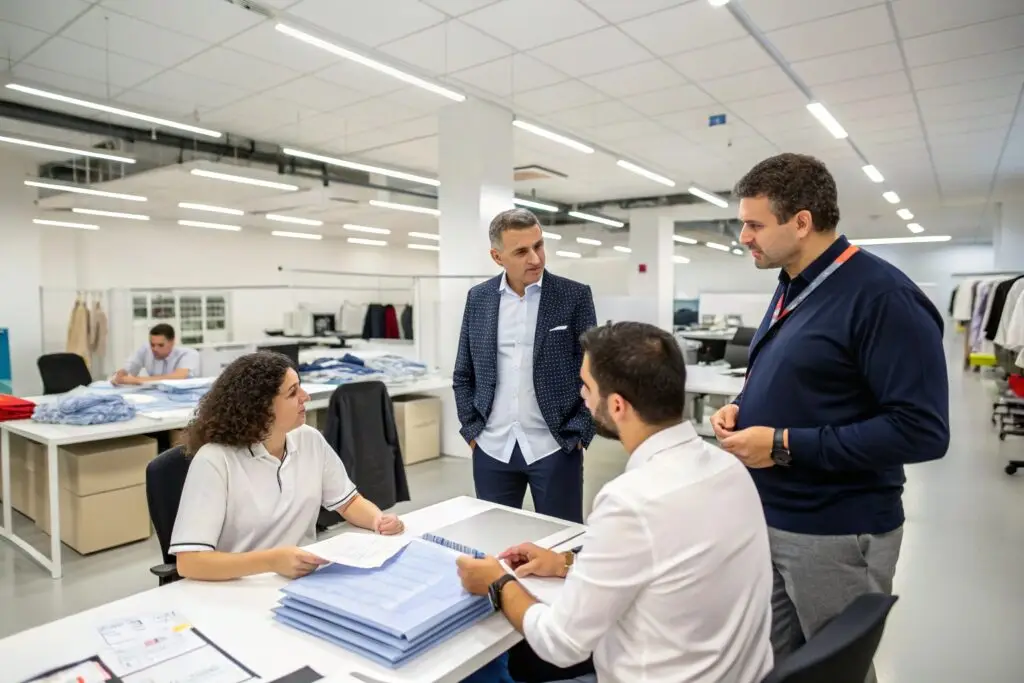
What steps are essential to manufacturing and selling successfully?
| Step | Importance |
|---|---|
| Choose the Right Manufacturer10 | Quality and delivery reliability |
| Set Strategic Pricing | Cover costs + hit competitive benchmarks |
| Develop Clear Branding11 | Connect emotionally with customers |
| Build Multi-Channel Sales | DTC, wholesale, marketplaces |
| Plan for Reorders Early12 | Sustain momentum without stockouts |
At our factory, we help brands not only with first runs—but also with setting up scalable production schedules that match marketing campaigns.
How do we support selling success beyond manufacturing?
- Offer private labeling and custom packaging services
- Provide detailed product specs and images for e-commerce
- Advise on small-batch vs. mass production strategies based on customer feedback
- Help brands understand MOQ flexibility for reorders
Because your product’s journey doesn’t end at our loading dock—it starts there.
Conclusion
Turning ideas into successful apparel products isn’t magic—it’s structured creativity, smart sourcing, and trusted production partnerships. At our factory, we don’t just make clothes—we make your vision real, wearable, and ready for the world.
-
Understanding Tech Pack Creation is crucial for ensuring your product meets design specifications and quality standards. Explore this link for detailed insights. ↩
-
Learning about Prototype Development can help you refine your product before mass production, ensuring better market fit and success. Check out this resource for expert tips. ↩
-
Sample Testing is vital for identifying potential issues early, saving time and costs in the long run. Discover more about its significance in this informative article. ↩
-
Exploring this resource can help you understand how to effectively gather and utilize customer feedback to inspire innovative product ideas. ↩
-
This link will provide insights into the latest trends that can inspire your product development and keep you ahead of the competition. ↩
-
Discover how rapid prototyping can streamline your product development process and enhance market testing efficiency. ↩
-
Learning about scalability can guide brands in planning for growth and managing demand effectively during a launch. ↩
-
Exploring inventory flow strategies can help brands optimize their launch and maintain customer satisfaction. ↩
-
Understanding the importance of production planning can help ensure a successful product launch and avoid common pitfalls. ↩
-
Understanding the importance of selecting the right manufacturer can significantly impact your product’s quality and delivery. Explore this link for insights. ↩
-
Clear branding is crucial for emotional connections with customers. Discover strategies to enhance your brand’s impact. ↩
-
Planning for reorders can prevent stockouts and maintain sales momentum. Learn more about effective strategies here. ↩