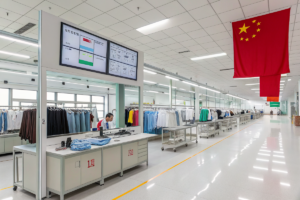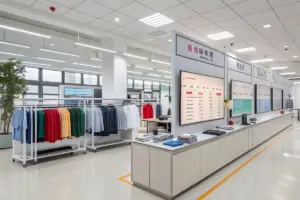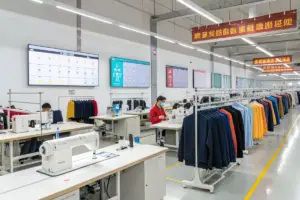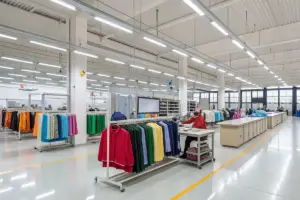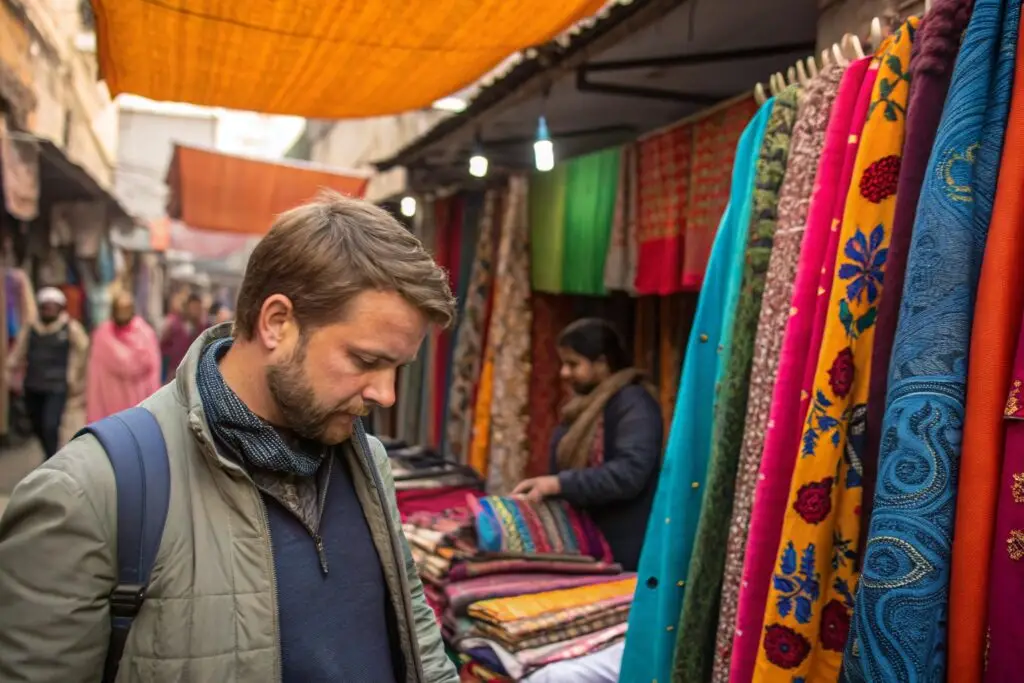
When I first explored sourcing in India, I was blown away by the fabric variety, pricing flexibility, and design craftsmanship. But finding the right wholesale vendors required more than just a Google search.
India offers a rich landscape of wholesale vendors—from mass garment producers to ethical boutique manufacturers—making it one of the most accessible markets for launching or scaling a clothing business.
Whether you’re starting fresh or expanding, this guide will help you source smart, spend wisely, and build solid supplier relationships in India.
How to buy wholesale clothes for business in India?
At first, I relied on online marketplaces alone. Then I discovered in-person markets, local agents, and trade events—and my sourcing strategy completely transformed.
To buy wholesale clothes for business in India, explore manufacturing hubs like Delhi, Mumbai, Surat, Tiruppur, and Jaipur, negotiate with suppliers directly, and request samples before committing.
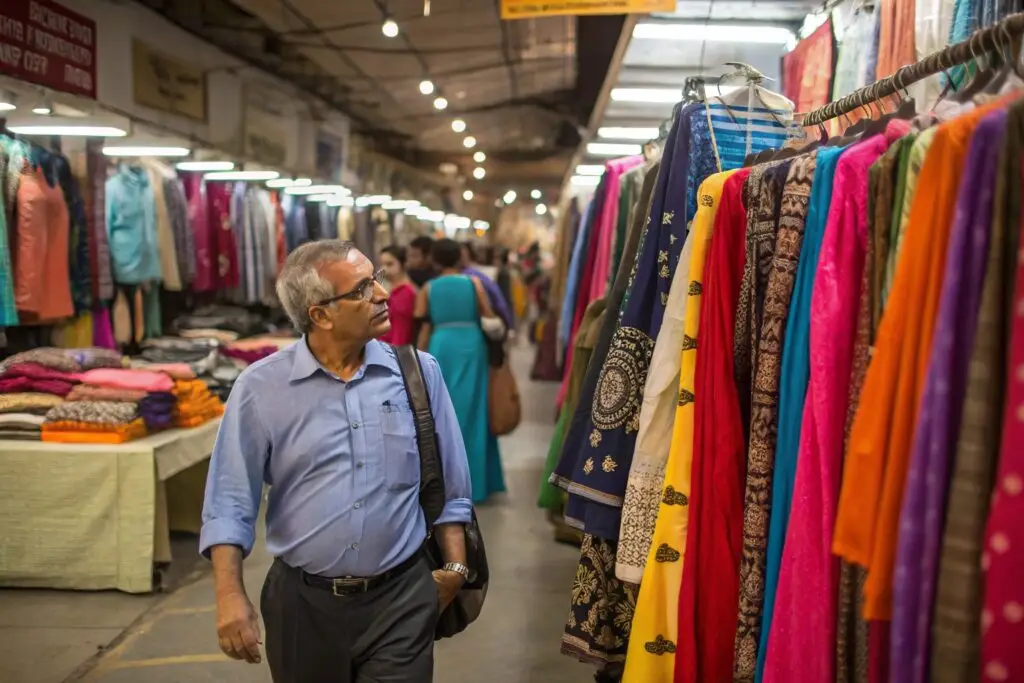
What steps should you follow when sourcing in India?
Here’s the basic blueprint:
| Step | What to Do |
|---|---|
| Define Your Niche | Casualwear, kidswear, ethnic, etc. |
| Research Key Markets | Online + offline market visits |
| Contact Multiple Vendors | Compare MOQ, prices, samples |
| Request Samples | Assess stitching, fabric, sizing |
| Negotiate Terms | Price, lead time, shipping mode |
| Start Small | Test 100–300 pcs per SKU if possible |
Bonus tip: hire a sourcing agent1 or guide if you don’t speak Hindi or Tamil—they smooth communication with factories.
What are the best ways to find trusted vendors?
- Attend expos like the India International Garment Fair2
- Visit wholesale hubs like Gandhinagar Market in Delhi or Tiruppur’s knitwear cluster
- Use platforms like Indiamart3 or TradeIndia to screen and contact suppliers
- Always check GST registration and factory images/videos
Trust is built face-to-face. When possible, visit the factory—or request a video walkthrough.
How much does it cost to start clothing business in India?
Starting a clothing brand in India doesn’t require massive capital. But where you spend matters—cutting corners on sourcing or branding often backfires.
You can start a small-scale clothing business in India with ₹1.5 lakh–₹5 lakh ($2,000–$6,000 USD), depending on your niche, inventory size, and branding needs.
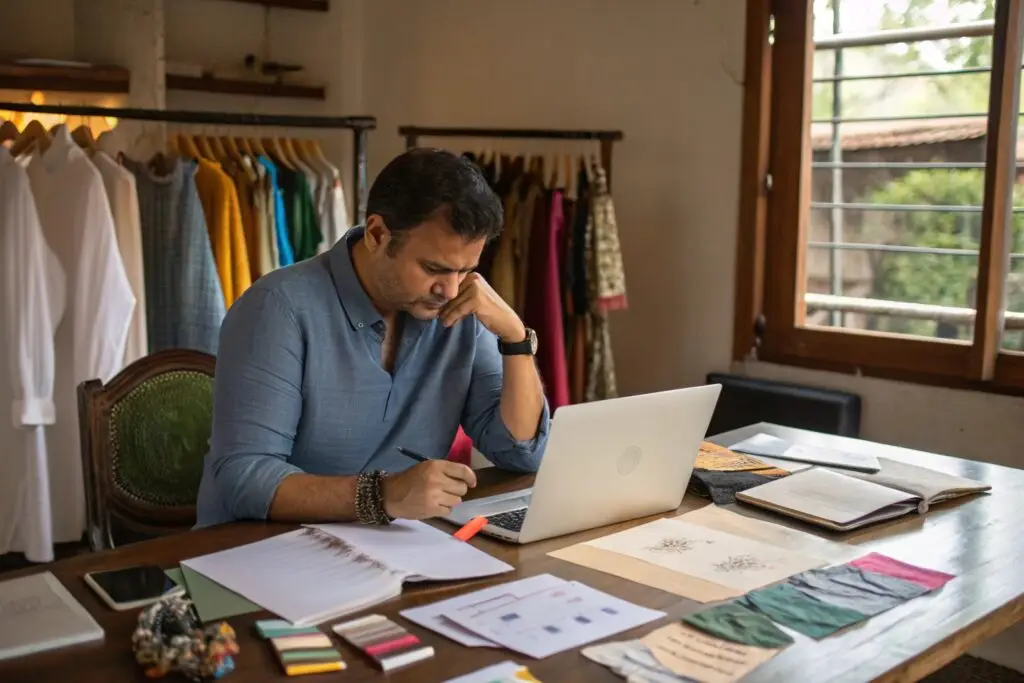
What are the typical startup costs in the Indian fashion market?
| Expense Category | Estimated Range (INR) |
|---|---|
| Initial Inventory4 | ₹75,000 – ₹2,00,000 |
| Sampling & Sourcing5 | ₹10,000 – ₹50,000 |
| Logo/Branding | ₹5,000 – ₹15,000 |
| Packaging Materials | ₹5,000 – ₹20,000 |
| Website or Marketplace | ₹10,000 – ₹50,000 |
| Marketing & Photoshoots6 | ₹15,000 – ₹60,000 |
You can lower costs by:
- Starting with 3–5 SKUs only
- Using Shopify or Meesho for simple storefronts
- Doing pre-orders to avoid stockpiling
The key is testing your audience and scaling from real feedback.
Which place is best for wholesale clothes?
India’s diversity is its strength. From Rajasthan’s embroidery to Tamil Nadu’s knits, every region specializes in something. Choosing the right one depends on what you’re selling.
The best places to buy wholesale clothes in India are Surat (sarees, ethnic wear), Tiruppur (knitwear), Delhi (casual + western), Mumbai (export surplus), and Jaipur (block prints, cottons).
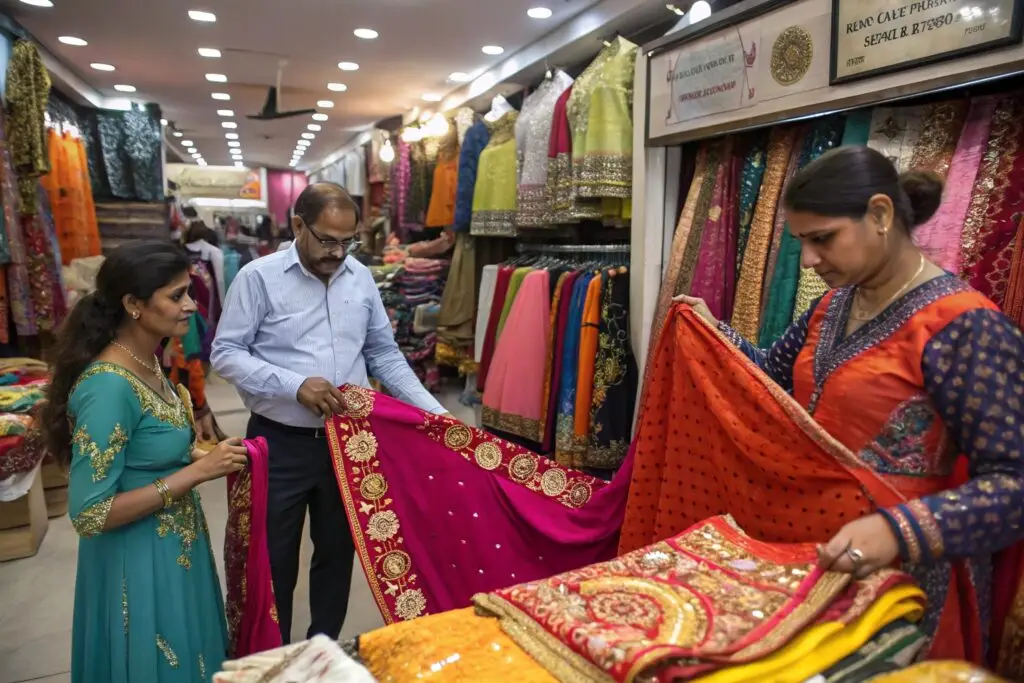
What does each region specialize in?
| City/Region | Strengths |
|---|---|
| Surat | Sarees, lehengas, synthetic blends7 |
| Tiruppur | T-shirts, polos, athleisure8 |
| Delhi (Gandhinagar, Karol Bagh) | Trendy casuals, western wear |
| Jaipur | Hand-block prints, cotton dresses9 |
| Mumbai | Ready stock, brand surplus export items |
| Kolkata | Sarees, jute-based fashion |
Each region has pros and cons. Surat is great for mass production but requires large MOQs. Jaipur is boutique-friendly but slower.
Should you visit these cities in person?
Yes, if possible. A two-day visit can:
- Help you compare dozens of vendors fast
- Let you inspect sample quality directly
- Reduce miscommunication and negotiation gaps
- Build trust with long-term partners
If you can’t travel, request live video calls, close-up photos, and couriered samples before confirming any deal.
How to choose a clothing wholesaler?
Choosing the right wholesaler means fewer headaches, better margins, and more consistent quality. I’ve worked with 20+ vendors—only a few made the cut.
To choose the right clothing wholesaler in India, assess product quality, MOQ, communication, delivery reliability, payment terms, and willingness to adapt to your brand.
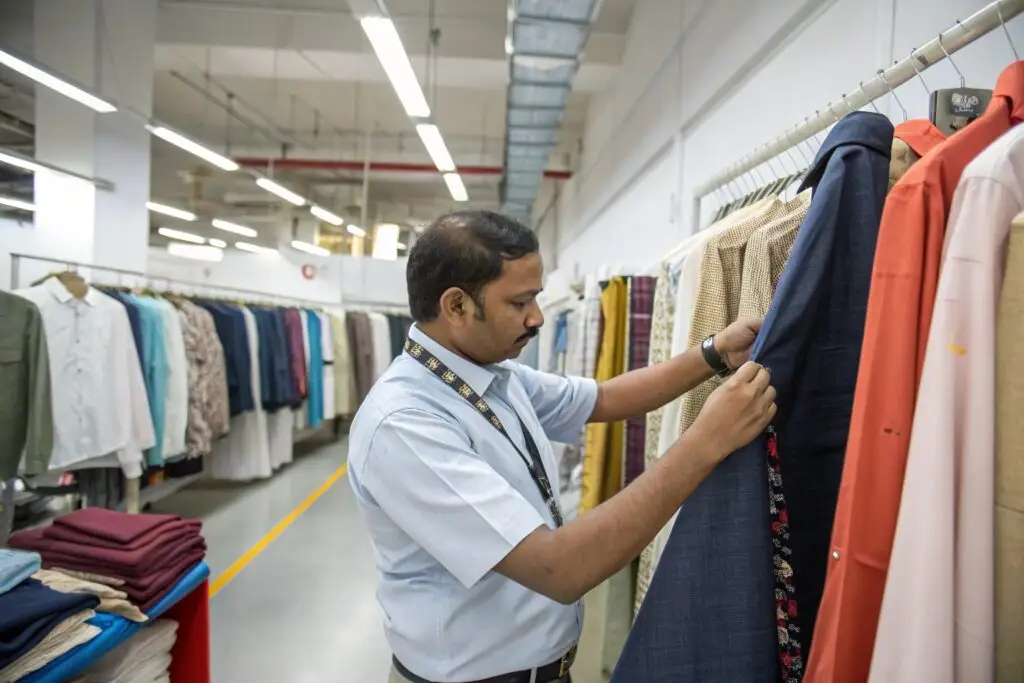
What’s the ideal wholesaler checklist?
| Criteria | What to Look For |
|---|---|
| Product Focus | Do they specialize in your category? |
| Sample Quality10 | Are stitching, size, and fabric on point? |
| MOQ Flexibility11 | Can you start with small batches? |
| Communication12 | Do they respond fast and clearly? |
| Lead Time | Are timelines realistic and consistent? |
| Labeling/Branding | Do they offer private label services? |
You want someone who not only meets your needs—but also grows with you.
What red flags should you avoid?
Avoid wholesalers who:
- Can’t provide fabric specs or sizing charts
- Refuse to share past production photos
- Push “free-size” for all garments
- Demand 100% payment before production with no sample assurance
- Avoid putting terms in writing
A trustworthy vendor will help you succeed—not just take your money.
Conclusion
India is a powerhouse for wholesale clothing sourcing—if you know where to look and how to vet. Start small, think long-term, and choose vendors who value your growth as much as their own.
-
Exploring this resource will help you understand the vital role of sourcing agents in navigating the complexities of Indian markets. ↩
-
This link will provide insights into one of the key expos for finding trusted vendors in the garment industry. ↩
-
Discover how Indiamart can streamline your supplier search and enhance your sourcing strategy in India. ↩
-
Understanding initial inventory costs is crucial for budgeting and planning your fashion startup effectively. ↩
-
Exploring sourcing costs can help you find the best suppliers and manage your budget wisely. ↩
-
Marketing is vital for success; knowing these costs can help you allocate your budget effectively. ↩
-
Explore this link to discover the latest trends and suppliers in sarees and lehengas, enhancing your fashion knowledge. ↩
-
This resource will guide you to leading manufacturers and trends in T-shirts and athleisure, crucial for your fashion business. ↩
-
Discover unique designs and artisans specializing in hand-block prints and cotton dresses, perfect for boutique collections. ↩
-
Learning how to evaluate sample quality is crucial for ensuring the products meet your standards before committing to larger orders. ↩
-
Understanding MOQ flexibility can help you negotiate better terms with wholesalers, ensuring you can start small and scale as needed. ↩
-
Effective communication with wholesalers can prevent misunderstandings and ensure a smoother purchasing process, leading to better business relationships. ↩