I still remember choosing my first clothing supplier. I went for the lowest price. That decision cost me money, customers, and credibility. Now, I know better—great vendors build great brands.
The best clothing vendors to start a business are reliable, affordable, offer flexible minimums, and support your growth with quality, communication, and customization options.
You’re not just buying clothes. You’re building trust, one shipment at a time. The right vendor helps you win that trust faster.
Where do most boutiques buy their clothes?
When I first started sourcing for boutiques, I imagined they worked with designers or did custom production. In reality, they rely on smart wholesale sourcing.
Most boutiques buy their clothes from online wholesale platforms, local showrooms, trade shows, and direct factory suppliers—choosing based on style, price, and reliability.
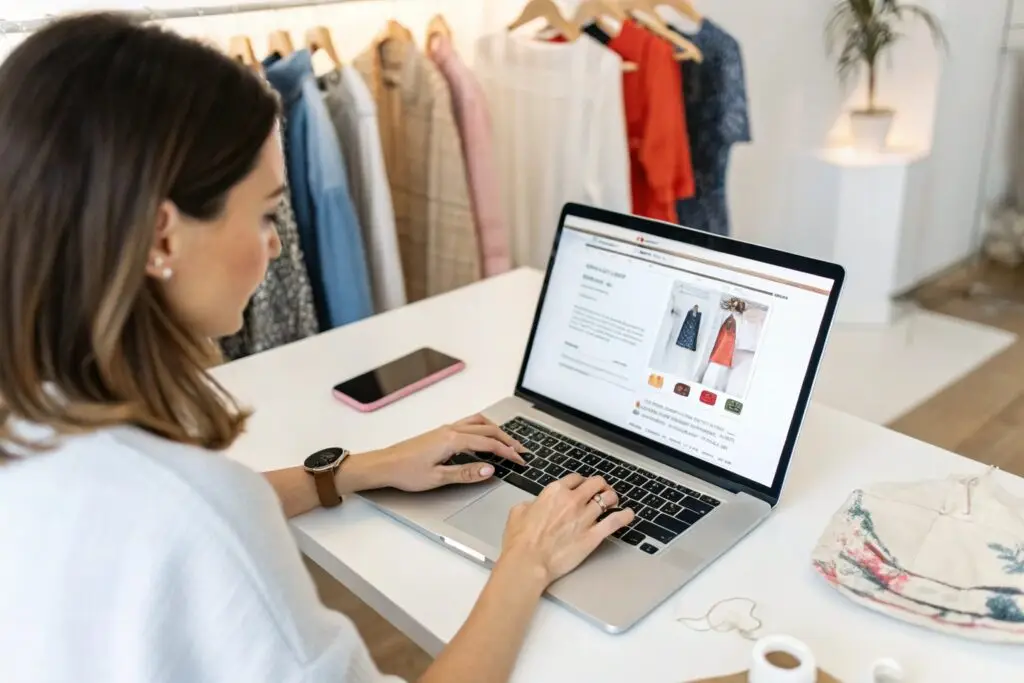
What wholesale sources are most popular among boutique owners?
Here’s what I see most often:
| Channel | Why It Works |
|---|---|
| Online Platforms1 | Fast search, easy ordering, low MOQs |
| Trade Shows2 | Trend previews, vendor connections |
| Local Showrooms | Touch-and-feel access, faster restocks |
| Factory Direct3 | Better margins, long-term potential |
Top platforms boutiques use in 2024:
- Faire (USA/global curated brands)
- FashionGo (trend-focused US styles)
- OrangeShine (LA-based boutique range)
- Fumao Clothing (custom bulk & private label from China)
What buying habits help boutiques stay profitable?
Successful boutique owners:
- Start with small test orders
- Mix basics with statement pieces
- Track sell-through weekly
- Negotiate restocks before stock runs out
Most boutiques focus on speed and style—so vendors who support that win their loyalty.
Which country is best for wholesale clothing?
Location shapes everything—from pricing and shipping to quality and style. I’ve sourced from five countries, and each had its pros and cons.
The best countries for wholesale clothing are China, Turkey, India, Bangladesh, and the USA—depending on your product category, MOQ, and logistics needs.
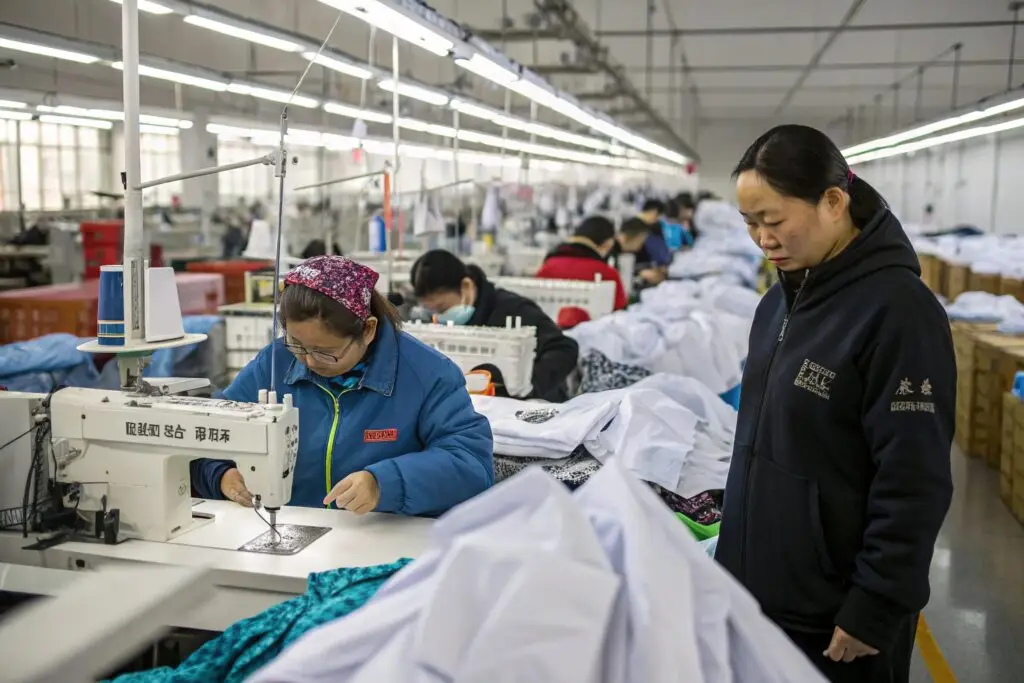
What makes each country uniquely valuable for wholesale buyers?
| Country | Best For |
|---|---|
| China | Affordable, scalable, customizable |
| Turkey | Fast fashion, quality knitwear |
| India | Cotton, embroidery, ethical small runs4 |
| Bangladesh | Mass production, basic styles, low cost |
| USA | Boutique MOQs, trend agility, fast delivery |
For example: if I want 1,000 pieces of a custom design at the best price, I go to China. If I need quick spring dresses in small runs, Turkey is perfect.
How does your location and business model affect country choice?
Ask yourself:
- Do I need fast turnaround? (USA or Turkey)
- Is branding important? (China with private labeling)
- Am I selling basics or fashion-forward styles?
- What’s my shipping budget and timeline?
There’s no perfect country—just the right one for your goals.
How to choose a clothing wholesaler?
I used to choose vendors based on photos and price. That cost me weeks in delays and returns. Now, I focus on total value, not just cost.
To choose a clothing wholesaler, review their quality, MOQ, sample policy, responsiveness, customization options, and past buyer feedback.
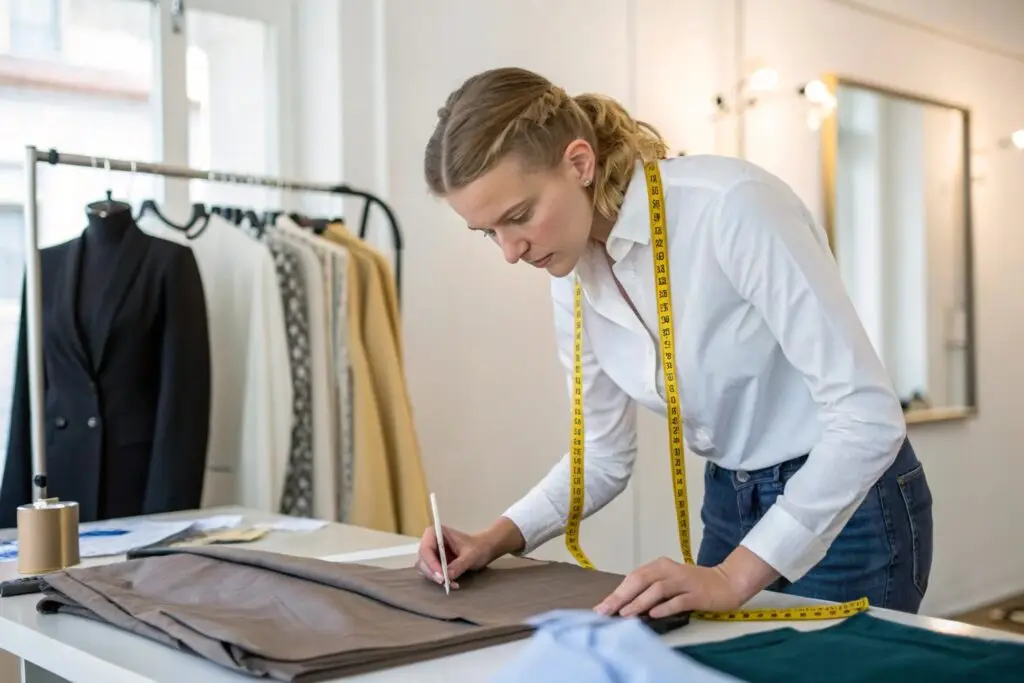
What checklist helps find the right vendor quickly?
Here’s the checklist I use now:
| Criteria | What I Look For |
|---|---|
| Communication5 | Do they reply within 24–48 hours? |
| Sample Process | Is it clear, affordable, and traceable? |
| Product Photos | Do they match the delivered items? |
| Sizing & Charts | Are size charts detailed and accurate? |
| Flexibility | Can I change styles, colors, or labels? |
| Payment Methods6 | Do they support secure and simple options? |
I also ask: “Can you handle reorders fast?” Because the first sale is just the beginning.
What red flags should I avoid when choosing a vendor?
Avoid suppliers who:
- Can’t show previous orders
- Push bulk orders before sampling
- Have vague pricing terms
- Don’t provide fabric details
- Use only generic photos
A real partner will give clear answers, not sales pressure.
How much does it cost to start a clothing business?
When I launched, I underestimated everything—from design costs to freight. I could’ve saved thousands with better planning.
You can start a clothing business with as little as $1,000 using print-on-demand or dropshipping, but launching a private label or boutique brand typically costs $3,000–$10,000.
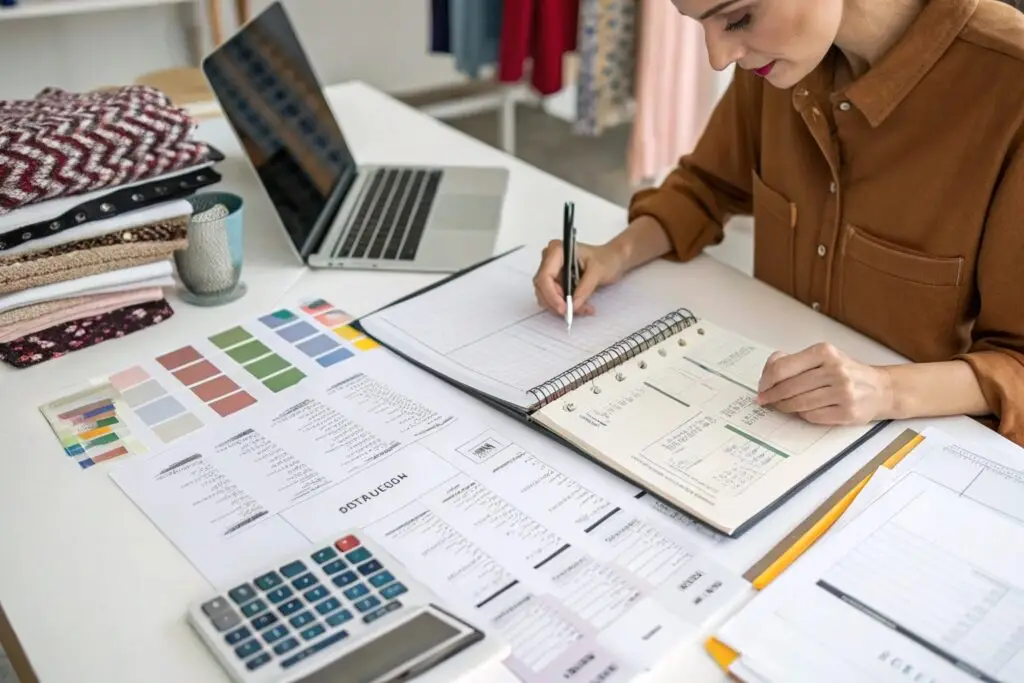
What are the key cost categories for launching a clothing brand?
Here’s a rough breakdown of typical startup costs:
| Category | Estimated Range |
|---|---|
| Inventory or Samples | $500 – $5,000 |
| Branding & Design7 | $200 – $1,500 |
| Website + Hosting | $100 – $500 |
| Marketing | $300 – $1,000 |
| Shipping & Logistics | $200 – $800 |
| Labeling & Packaging | $100 – $600 |
Want to save? Start small. Choose 3–5 SKUs. Focus on one audience. Build from there.
How can I reduce upfront costs without sacrificing brand quality?
Here’s what worked for me:
- Use vendors that offer sample packs
- Skip custom labels for first batch
- Launch with pre-orders or small-batch drops
- Reinvest revenue instead of going big upfront
And most importantly—don’t guess. Use real customer feedback to shape your next investment.
Conclusion
Great vendors are the foundation of a strong clothing business. Choose based on trust, service, and style—not just price. With the right partner, you won’t just launch—you’ll grow.
-
Explore how online platforms streamline the wholesale process for boutique owners, enhancing efficiency and accessibility. ↩
-
Learn about the advantages of attending trade shows for networking and discovering new trends in the boutique industry. ↩
-
Discover how factory direct sourcing can improve profit margins and provide unique product offerings for boutiques. ↩
-
Learn about India's commitment to ethical production and how it benefits small-scale wholesale buyers. ↩
-
Understanding effective communication strategies can enhance your vendor relationships and ensure smoother transactions. ↩
-
Exploring secure payment options can protect your business and ensure safe transactions with vendors. ↩
-
Branding is key to your clothing brand's identity. Discover expert advice on budgeting for branding and design. ↩