When I started my clothing business, I wasted weeks on flashy suppliers who didn’t deliver. Eventually, I found vendors that cared about quality, flexibility, and helping me grow.
The best wholesale vendors for starting a clothing business in 2024 offer low MOQs, reliable communication, quality products, and flexible support—from China to the U.S. to Turkey.
Good vendors aren’t just order-takers—they’re launch partners. The right ones can help you start strong and avoid expensive mistakes.
How to buy clothes to start a boutique?
When I launched my first boutique line, I had no idea how to source. I bought in bulk, overstocked the wrong items, and missed early profits.
To buy clothes for your boutique, start with low-MOQ vendors, test small batches, analyze what sells, and scale gradually with proven products and suppliers.
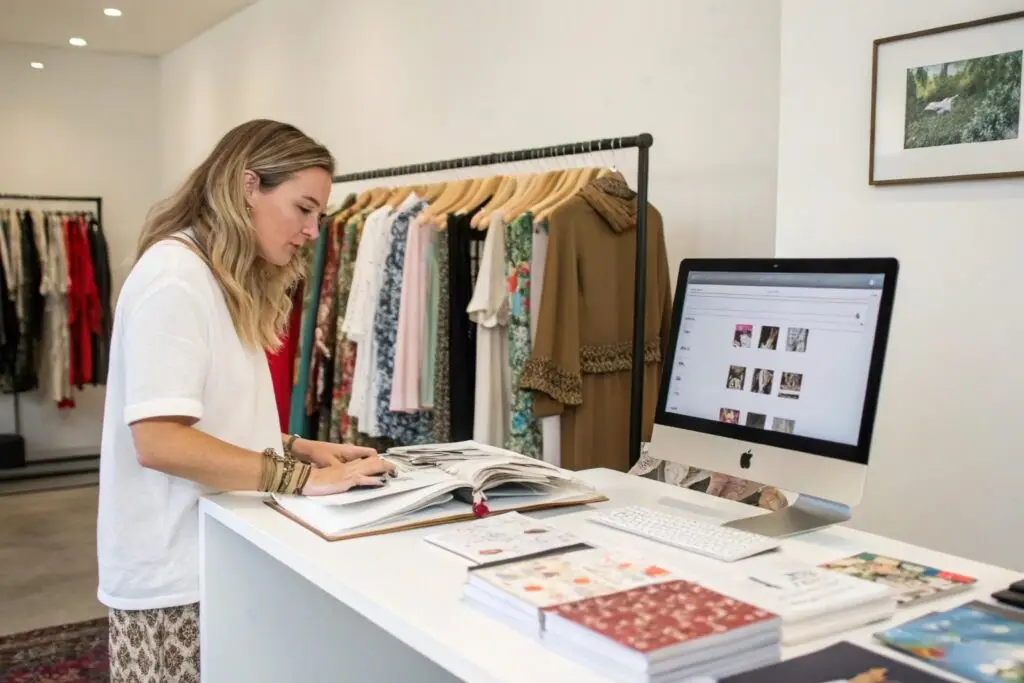
What are the first sourcing steps for boutique startup success?
Here’s the simple path I recommend:
| Step | What to Do |
|---|---|
| Identify Niche | What style? Who's your audience? |
| Source Samples | Order from 3–5 vendors to compare quality |
| Test Fit and Quality | Try items yourself or use models |
| Launch With Small Batches | Start with 5–15 pcs per style |
| Track Sales | Use bestsellers to guide restocks |
This method saved me from overbuying and gave me a chance to build a loyal base early on.
Which wholesale vendors support boutique beginners?
Startups should look for:
- No or low minimum order quantity (MOQ)1
- Private labeling options
- Quick sample turnaround
- Size charts with real dimensions
Top beginner-friendly platforms include:
- Faire (curated, Net 60 terms)
- FashionTIY (affordable + global shipping)
- Fumao Clothing (custom production, B2B focus)
- Trendsi (dropshipping for zero inventory risk2)
Which country is best for wholesale clothing?
Every country has strengths, but when you’re starting a business, you want value, quality, and reliability. Some locations just do it better.
The best countries for wholesale clothing in 2024 are China, Turkey, India, Bangladesh, and the USA—each offering unique benefits depending on your brand’s needs.
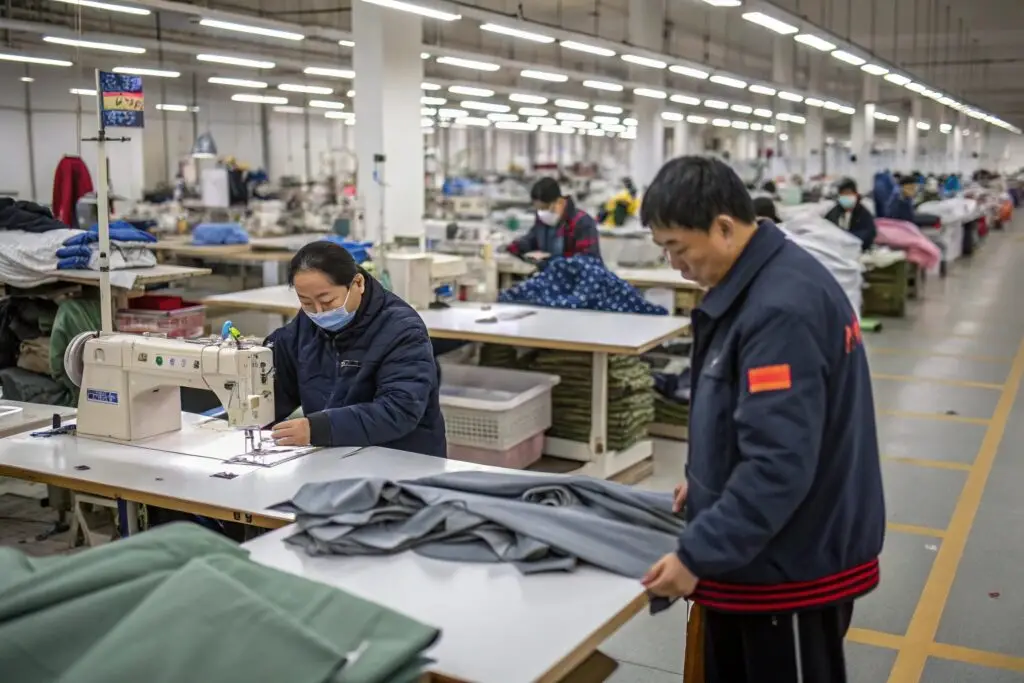
What makes each country a smart sourcing hub for new brands?
Let’s break it down:
| Country | Best For |
|---|---|
| China | Customization, fabric variety, cost3 |
| Turkey | Knitwear, small runs, quality control4 |
| India | Cotton goods, embroidery, ethical sourcing5 |
| Bangladesh | Mass production, pricing advantage |
| USA | Fast turnaround, boutique-friendly MOQs |
If you're just starting, I recommend China or Turkey. They strike the best balance between flexibility and price.
What risks should new businesses watch out for in international sourcing?
Key risks include:
- Communication delays
- Sizing inconsistencies
- Long production times
- Hidden fees (duties, samples, freight)
Start with small orders, always request samples, and communicate in clear, written briefs. It’ll save you stress—and money.
How to start a clothing brand?
Starting a brand is more than printing logos on T-shirts. It’s about knowing who you're speaking to and how to make them care.
To start a clothing brand, define your niche, develop a style guide, find reliable vendors, test products, and build a brand identity that connects emotionally with your audience.
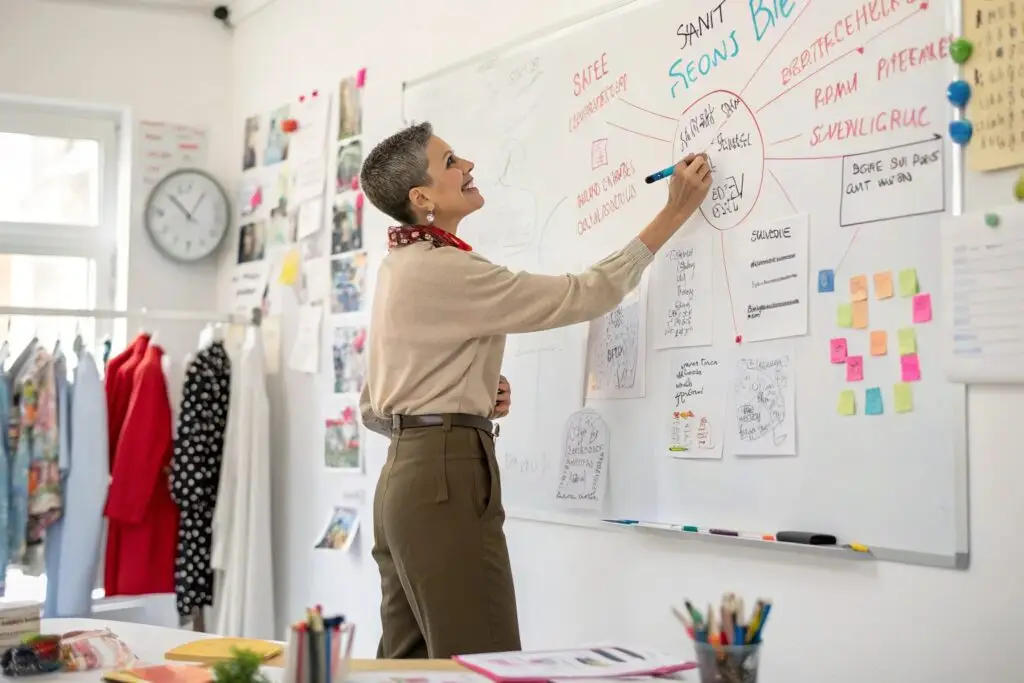
What are the essential steps to launching a clothing line?
Here’s what I did when building my brand:
| Phase | Key Task |
|---|---|
| Brand Identity | Name, story, values, audience |
| Product Concept | Sketch styles or reference items |
| Vendor Sourcing | Find factories or wholesale partners |
| Sampling | Approve fit, fabrics, finishing |
| Pre-Launch | Build social proof, tease content |
| Launch | Go live, promote on social and email |
| Feedback Loop | Adjust styles based on buyer behavior |
Your brand is more than products—it’s how people feel when they wear them. Let that guide your decisions.
What types of vendors help new brands grow fast?
Look for vendors who:
- Offer OEM/ODM6 (make your own designs)
- Let you add private labels7
- Communicate in clear, fast English
- Ship globally with tracking
A few that helped me grow:
- Fumao Clothing (China)
- Sugini (small runs)
- Shewin (trendy with private label)
- Faire (entry-level curation)
How do I choose a wholesaler?
I’ve chosen great wholesalers—and learned from bad ones too. The best ones don’t just sell; they support.
Choose a wholesaler by checking quality, MOQ, price transparency, return policies, responsiveness, and reviews. The best fit is reliable, scalable, and understands your market.
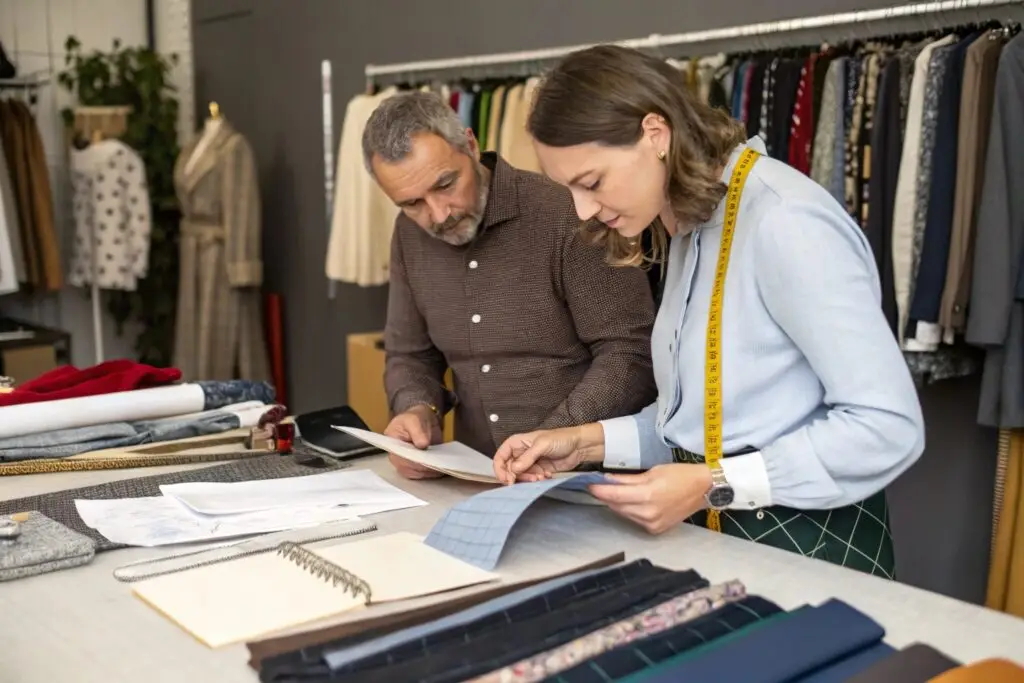
What criteria matter most when evaluating wholesale suppliers?
Here’s my go-to checklist:
| Criteria | What to Look For |
|---|---|
| Product Quality8 | Clean stitching, consistent sizing |
| Responsiveness | Replies within 24–48 hours |
| MOQ Flexibility9 | Can I test with small batches? |
| Custom Options | Labels, packaging, fabrics |
| Location | Affects shipping speed and import fees |
| Reviews/Testimonials10 | Real client feedback |
Always test a few vendors before scaling up. I’ve had great first impressions—followed by terrible final shipments.
What are some questions to ask during first contact?
- Can I see recent production photos?
- What are your current lead times?
- Do you allow branded packaging or private labels?
- Can I speak with a current buyer?
A good vendor won’t hide. They’ll explain, offer proof, and guide you with experience.
Conclusion
Starting your clothing business in 2024 is easier when you choose the right vendor. Whether you need boutique trends or custom designs, find a supplier who grows with you—not just sells to you.
-
Understanding MOQ is crucial for managing inventory and costs effectively. Learn how to navigate this aspect for your boutique's success! ↩
-
Dropshipping can minimize financial risk and streamline your operations. Find out how it can be a game-changer for your boutique! ↩
-
Explore the benefits of sourcing from China, including customization and cost-effectiveness, to enhance your brand's offerings. ↩
-
Discover why Turkey is ideal for knitwear and small production runs, ensuring quality control for your brand. ↩
-
Learn about India's strengths in cotton goods and ethical sourcing, which can align with your brand values. ↩
-
Understanding OEM/ODM can help you choose the right vendor for your clothing line, ensuring quality and customization. ↩
-
Exploring private labels can provide insights into branding and product differentiation for your clothing line. ↩
-
Understanding product quality is crucial for ensuring customer satisfaction and minimizing returns. Explore this link for expert insights. ↩
-
MOQ flexibility allows you to test products without a large commitment, reducing risk. Discover more about its significance here. ↩
-
Reviews provide real insights into supplier reliability and product quality. Learn how to leverage them effectively. ↩