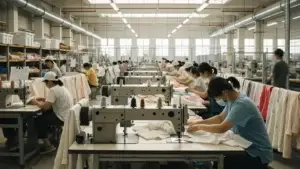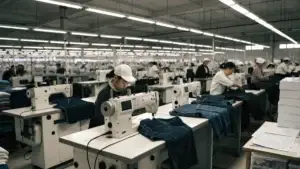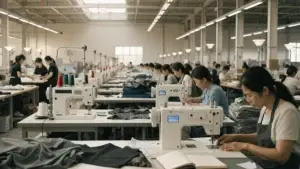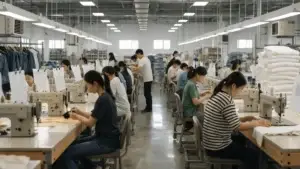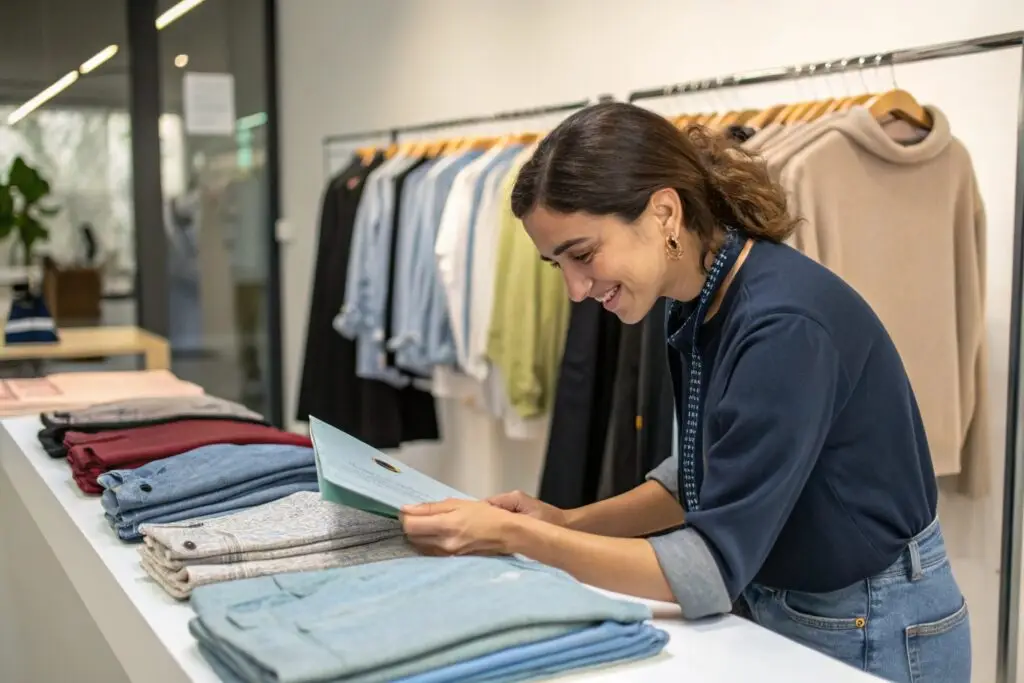
When I started out, I thought all wholesale vendors were the same. But after a few seasons of sizing issues, fabric disappointments, and late deliveries, I learned—quality vendors make or break your boutique.
High-quality boutique wholesale clothing vendors provide consistent sizing, premium fabrics, trend-driven designs, and reliable service—helping small brands scale with confidence.
You’re not just buying inventory. You’re buying peace of mind. And in the boutique world, that matters just as much as margin.
What are the best wholesale clothing vendors?
Every vendor can promise fast shipping and low MOQs. But very few deliver garments that customers keep, love, and reorder. That’s where quality vendors stand apart.
The best boutique wholesale vendors include Fumao Clothing (China), FashionGo, Faire, OrangeShine, Sugini, Bloom Wholesale, and Magnolia Fashion—offering a mix of trend, quality, and service.
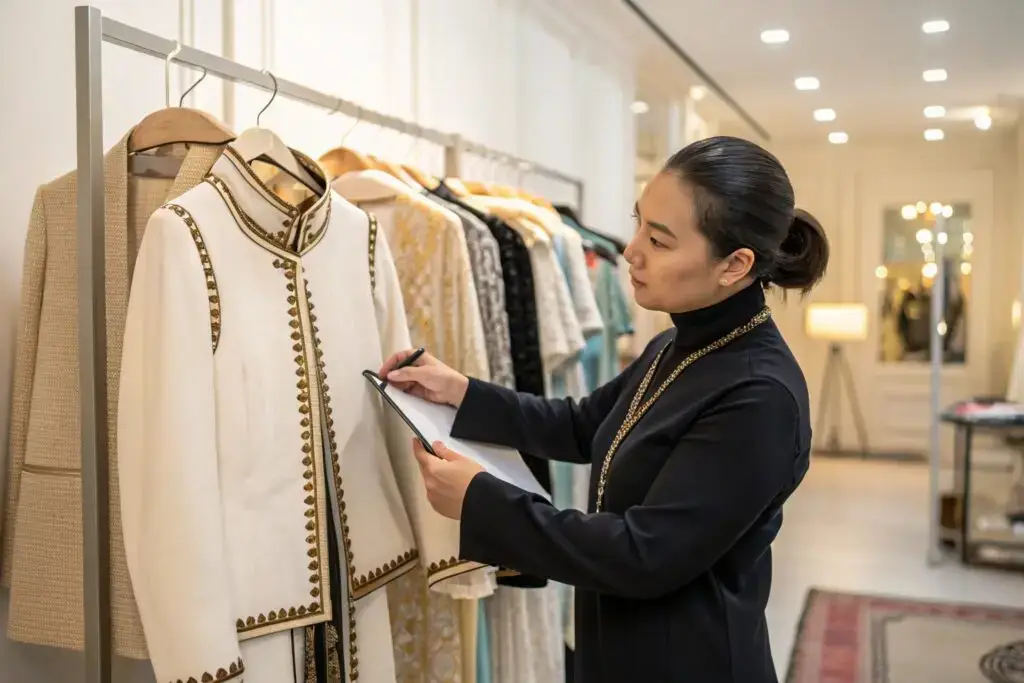
Which vendors deliver both quality and boutique-style uniqueness1?
These are vendors I trust based on direct experience or strong boutique owner feedback:
| Vendor Name | Country | Best For |
|---|---|---|
| Fumao Clothing | China | Premium OEM/ODM, custom B2B |
| Faire | USA/Global | Curated brands, net payment terms |
| FashionGo | USA | West Coast boutique trends |
| Sugini | China | Private label friendly |
| OrangeShine | USA | Variety of boutique labels |
| Bloom Wholesale | USA | Plus-size and floral styles |
| LA Showroom | USA | Trendy looks, small MOQs |
| Magnolia Fashion | USA | Miami street fashion |
How can I test vendors for boutique-level quality?
Start small. Always:
- Request samples
- Ask for wash test feedback
- Check seams, hems, and labels
- Compare color and size consistency
- Try returns/customer service channels
Your boutique depends on how customers feel after they wear the item. Quality vendors make sure that feeling is good.
Where do most boutiques buy their clothes?
Before I launched, I thought boutiques made their own stuff. Then I learned—most boutiques buy from the same few wholesale hubs, just styled differently.
Boutiques buy their clothes from wholesale platforms, trade shows, direct from factories, and showroom agents—choosing vendors that fit their niche and budget.

What’s the typical buying journey of a boutique owner?
Here’s how most boutique owners shop:
| Step | Action |
|---|---|
| Product Discovery2 | Scroll through platforms like Faire |
| Sample Review3 | Order 2–5 units for fit and quality |
| Initial Order | Small batch to test demand |
| Feedback Loop | Watch sales and returns, adjust vendor |
| Restock4 | Use proven SKUs to scale |
Boutique buyers value style, margin, and trust. Once a vendor proves themselves, they often become a go-to partner.
How can boutiques make smarter sourcing decisions?
Ask these questions:
- Is the product trending or timeless?
- Will my customers pay this price for this feel?
- Can this vendor scale if I go viral?
- Are returns a nightmare or easy?
Mix fashion with logic. It works every time.
Which place is best for wholesale clothes?
Location matters. Not just for cost—but for communication, trend relevance, and shipping times. The best “place” depends on your style and market.
The best places for wholesale clothing are Guangzhou (China), Los Angeles (USA), Istanbul (Turkey), and Bangkok (Thailand)—each offering distinct advantages.
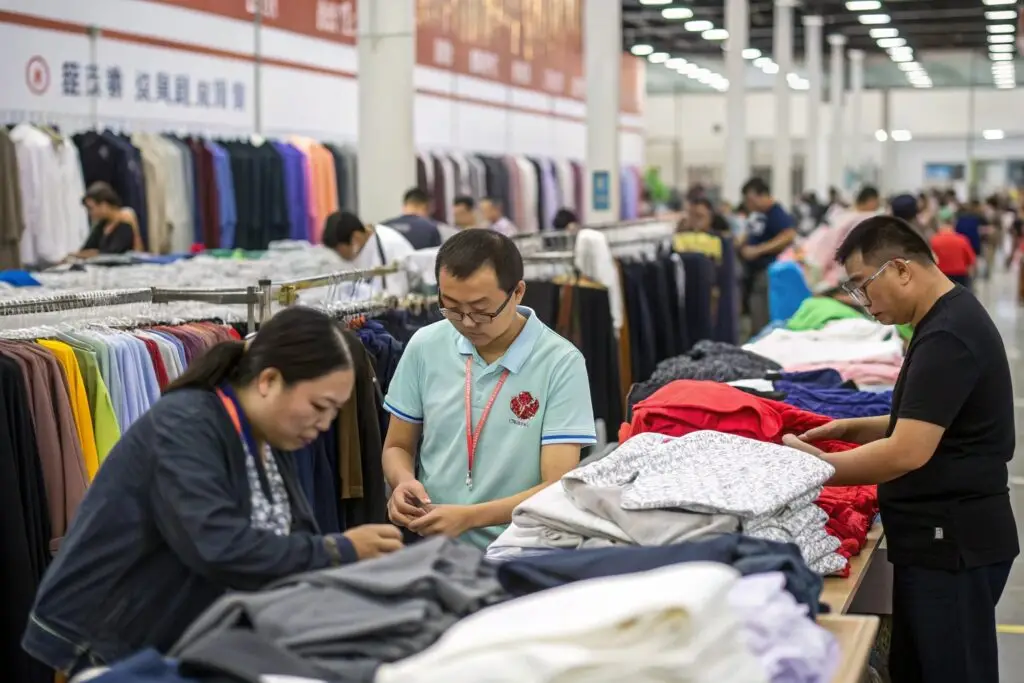
How does each sourcing city support different boutique needs?
Each city shines in different niches:
| City | Strengths |
|---|---|
| Guangzhou | Scale, customization, fabrics |
| LA | Boutique trends, influencer style |
| Istanbul | Knitwear, mid-market fashion |
| Bangkok | Boho, resortwear, printed styles |
For example: if you sell soft basics with ethical sourcing5, Istanbul might be ideal. If you're chasing TikTok trends, LA's vendors move faster.
What logistics or cost factors come with each sourcing city?
Consider:
- Shipping speed vs. product cost
- Customs and certifications (especially from China or Turkey)
- MOQ levels (LA tends to be boutique-friendly)
- Fabric types (China has the widest range)
For boutiques, sometimes paying more locally means faster turnaround—and happier customers.
Where do markets get their clothes from?
I used to think street markets sold factory seconds. But many market vendors source just like boutiques do—carefully, strategically, and from suppliers who know their audience.
Markets get their clothes from domestic wholesalers, local manufacturers, fast-fashion suppliers, and importers who sell in bulk at affordable prices.
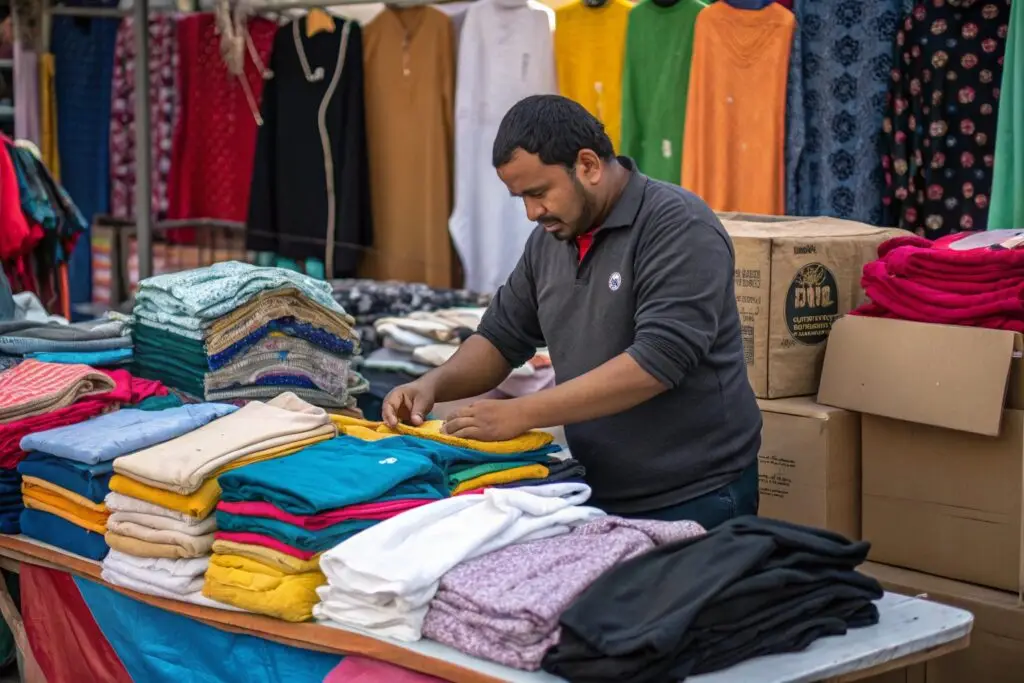
What’s the difference between boutique and market sourcing?
It’s often about scale and margin—not quality.
| Buyer Type | Sourcing Focus |
|---|---|
| Boutique Owner | Style, uniqueness, quality |
| Market Vendor | Cost, volume, speed |
Markets typically stock trendy, high-volume items with faster turnover. Boutiques lean toward curation and quality.
But some vendors serve both. It’s the buyer’s goal that shapes the final product mix.
Can boutique owners6 learn anything from how markets buy?
Absolutely. Markets teach speed. Market buyers:
- React to trends faster
- Negotiate tighter MOQs
- Restock only what sells
If you apply those skills to boutique-quality products, you get the best of both worlds: fast fashion that feels premium.
Conclusion
High-quality boutique vendors in 2024 offer more than product—they offer partnership. Choose vendors that match your niche, meet your quality needs, and support your growth with every order.
-
Explore this link to discover vendors that offer unique and high-quality boutique fashion options, enhancing your brand's appeal. ↩
-
Explore this link to discover top platforms that can enhance your product discovery process, ensuring you find the best items for your boutique. ↩
-
Understanding the significance of sample reviews can help you make informed purchasing decisions and avoid costly mistakes. ↩
-
Learn effective restocking strategies to ensure your boutique remains stocked with popular items, maximizing sales and customer satisfaction. ↩
-
Understanding ethical sourcing can help you align your boutique with sustainable practices, appealing to conscious consumers. ↩
-
Exploring this resource can provide valuable insights for boutique owners to enhance their sourcing strategies and improve their business. ↩