Many buyers want to tap into the vibrant African clothing market. But without a trusted source, they face slow delivery, quality issues, and missed seasons.
You can buy bulk wholesale African clothing from trusted suppliers on platforms like Alibaba, Google, and trade shows. But it's essential to verify quality, check certifications, and ensure smooth logistics before placing a large order.
Let me walk you through the details I’ve learned from sourcing African-style clothing for my own clients.
Where can I buy bulk wholesale African clothing?
Many business owners want to add African styles to their collection. But they don’t know which suppliers to trust.
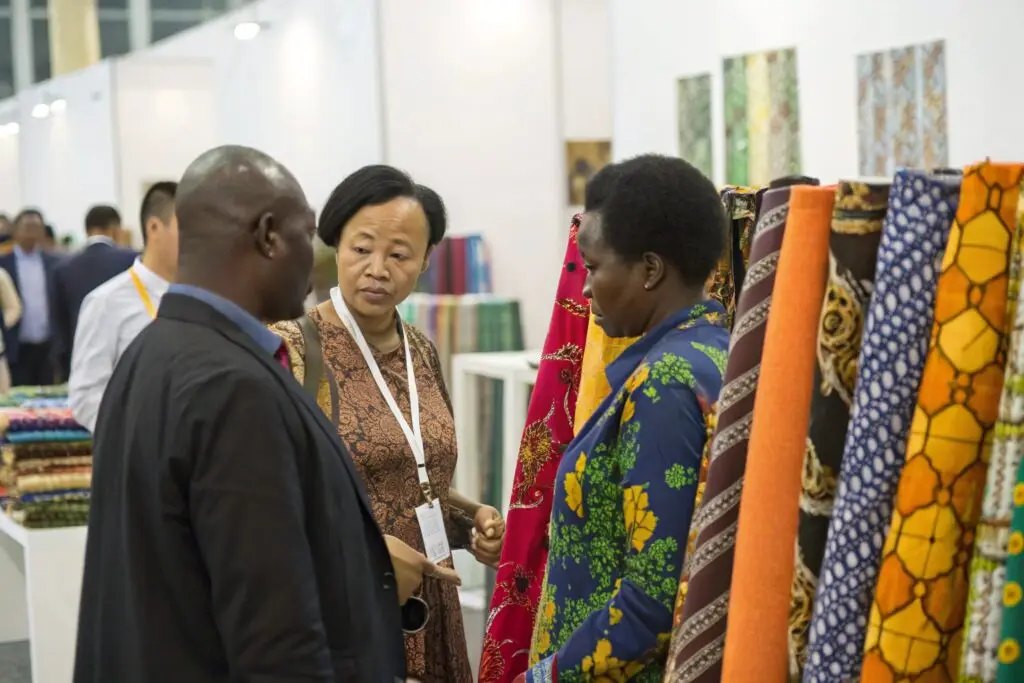
The best places to buy bulk African clothing include online marketplaces like Alibaba, niche B2B platforms, and trade fairs in China and Africa. Some manufacturers like us also offer customized African-style apparel directly from our factory.
What types of African-style clothing are most in demand in international wholesale markets?
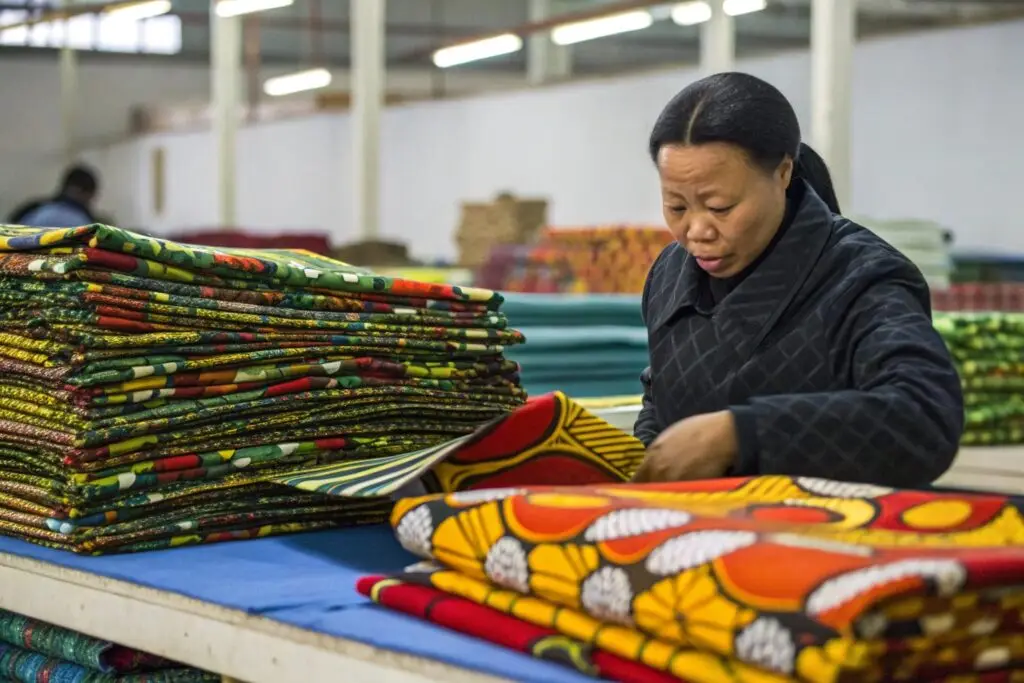
Most buyers look for popular West African prints, dashikis1, and Ankara dresses2. Bright colors and symbolic patterns catch buyers' eyes. Products like headwraps3, kaftans, and boubous are also frequently ordered. Buyers in the U.S. and Europe often prefer ready-to-ship items. But others request custom patterns. Knowing what sells well in your local market is the first step.
Why do some suppliers offer African clothing that looks fake or low quality?
Some factories cut corners to reduce costs. They may use cheap polyester instead of real wax fabric. Others print random patterns that don’t match any African heritage. That’s why I always request physical samples and video calls before confirming any large order. I also prefer suppliers with experience working with African-American brands.
How to Source Authentic African Clothing in Bulk
So many suppliers claim their products are “authentic.” But how do we know which ones really are?
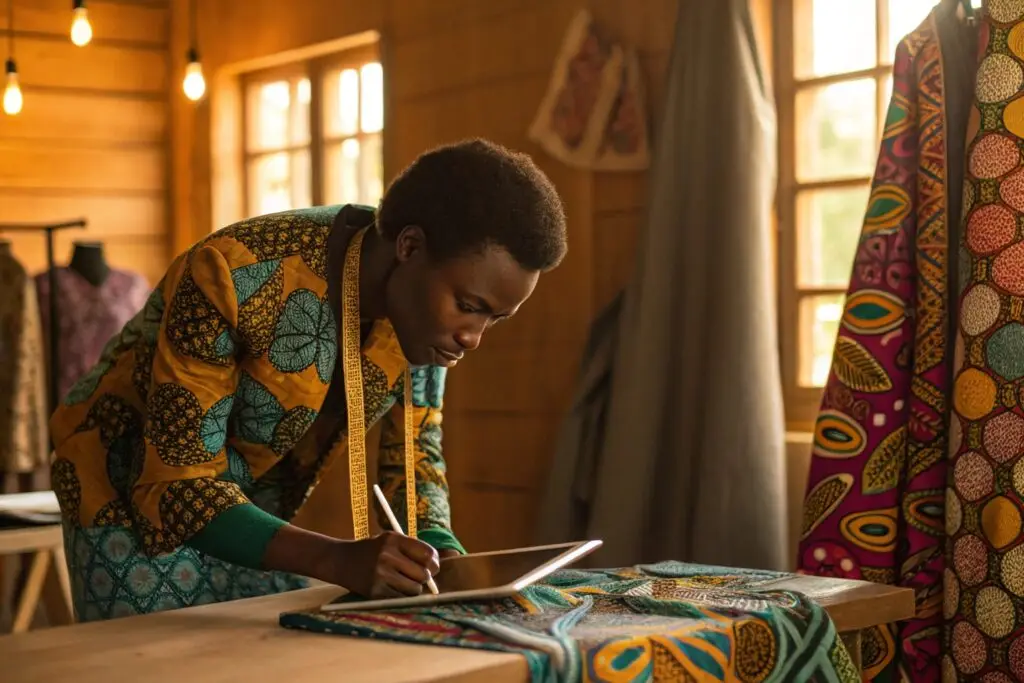
To source authentic African clothing, look for suppliers who work with African designers or use traditional wax prints. Check their reviews, ask for samples, and confirm they understand the cultural patterns and symbols.
What materials and printing methods are commonly used in real African clothing?
Real African clothing uses wax prints4, batik, or kente cloth. These materials are often made from 100% cotton. Some fabrics are handmade, while others are machine-printed but still respect traditional symbols. Here's a simple comparison:
| Material | Common Use | Notes |
|---|---|---|
| Wax Print | Dresses, shirts | Bold colors, African heritage patterns |
| Kente Cloth5 | Robes, sashes | Woven, Ghana origin |
| Batik Fabric6 | Casual wear | Hand-dyed, Indonesia and Africa mix |
I always ask my suppliers to explain their materials. If they can’t answer basic questions, I move on.
What questions should I ask a factory before confirming my bulk order?
I usually ask: Where do you get your fabric? Can you show your quality certificates? Have you shipped to the U.S. or Europe before? What’s the turnaround time for 500 pieces? How do you handle customs? These questions help me filter out factories that aren’t ready for international buyers.
Key Considerations When Buying Bulk African Apparel
Ordering in bulk means more profit—but also more risk if the order goes wrong.
When buying African clothing in bulk, always consider minimum order quantity (MOQ), customization options, delivery timelines, and quality control procedures. You also need to protect yourself with contracts and payment terms.
What’s the ideal MOQ for African clothing when testing a new supplier?
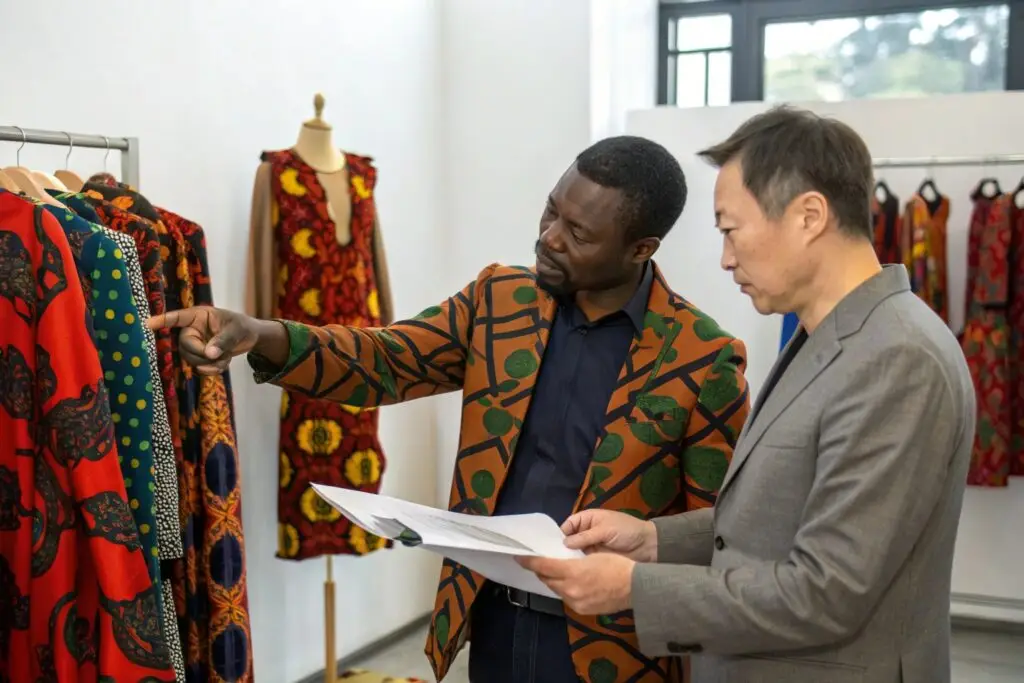
Many suppliers in China or Africa require a MOQ of 100–300 pieces7 per style. But I’ve found that some flexible manufacturers allow a smaller test order—especially if you’re planning long-term business. I always start with 50 pieces across different sizes and see how the market reacts. That way, I reduce the risk and test their quality at the same time.
How can I avoid common mistakes when placing large orders from overseas?
I've learned the hard way. Once, a supplier changed the fabric after I paid. Another time, I missed my spring launch because of a two-week delay at customs. To avoid this, I now use DDP shipping8 and ask for pictures before shipment. I also include penalties in the contract for late delivery9. It’s not just about price—communication and trust matter more.
Best Online Platforms for Wholesale African Clothing
Not every platform works well for African clothing. Some focus more on streetwear, others on basics.
The top platforms for wholesale African clothing include Alibaba, Etsy Wholesale, Faire, and global trade fairs. You can also work with private manufacturers like us who can replicate African styles with verified quality and delivery.
Which online marketplace offers the most supplier variety10 for African-style clothes?
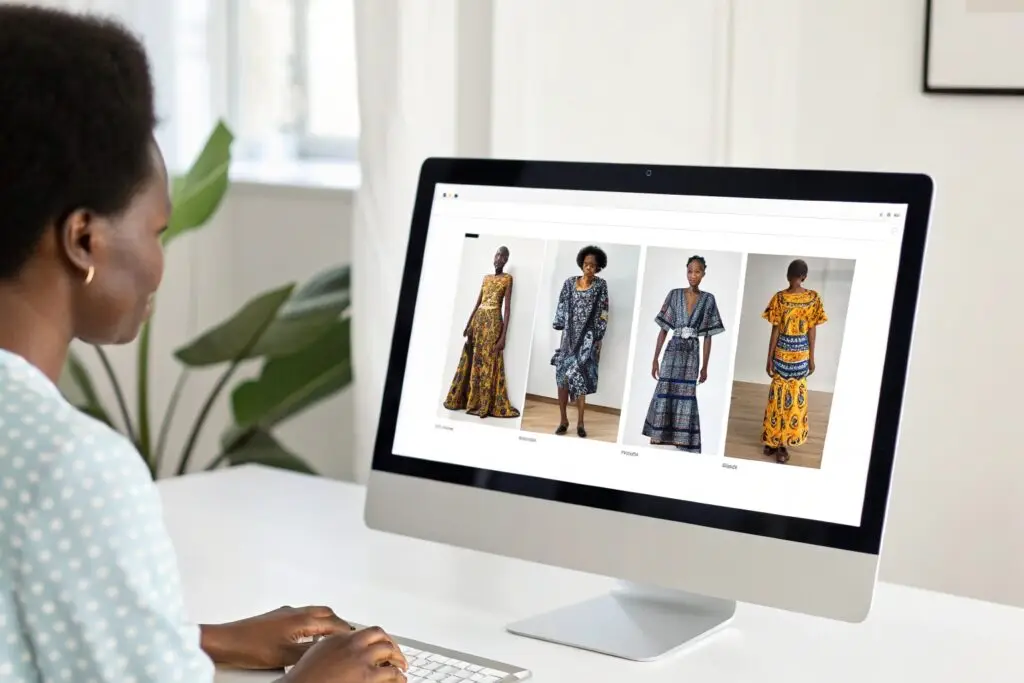
Alibaba has the most listings. But the quality varies a lot. Etsy Wholesale is better for small handmade brands, though their MOQ is low. Faire helps connect with North American makers but prices are higher. I personally use a mix. I find the supplier on Alibaba, check their website, then verify on Google or LinkedIn before making contact.
Why do some buyers prefer working with manufacturers11 instead of online platforms?
Platforms are fast, but often you can’t control quality. When I work directly with a manufacturer like Fumao, I get real pictures, control over fabrics, and a steady timeline. I also avoid platform fees. A reliable factory partner12 helps me build a brand instead of just chasing one-time margins.
Conclusion
Bulk African clothing sourcing is possible and profitable if you ask the right questions, verify quality, and choose trusted partners who respect your business goals.
- Learn about the cultural significance and rising demand for dashikis, which can help you make informed purchasing decisions. ↩
- Explore this link to discover trending Ankara dress styles that appeal to global buyers, ensuring you stay ahead in the market. ↩
- Find out the latest headwrap styles that are in demand, perfect for enhancing your product offerings in the fashion industry. ↩
- Explore this link to understand the significance and characteristics of wax prints in African fashion, enhancing your knowledge of cultural textiles. ↩
- Discover the rich history and cultural importance of Kente Cloth, a symbol of African heritage and artistry, by visiting this resource. ↩
- Learn about Batik Fabric's unique hand-dyeing process and its role in African fashion, which blends tradition with modernity. ↩
- Understanding the typical MOQ helps you negotiate better terms and find the right supplier for your needs. ↩
- Exploring DDP shipping can help you avoid customs delays and ensure timely delivery of your orders. ↩
- Learn how to protect your business by including penalties in contracts to ensure timely deliveries from suppliers. ↩
- Explore this link to discover the best online marketplaces that provide a wide range of suppliers for African-style clothing, ensuring quality and variety. ↩
- Learn about the advantages of working directly with manufacturers, including quality control and cost savings, to enhance your sourcing strategy. ↩
- Discover how a reliable factory partner can help you build a sustainable brand and improve your production process. ↩