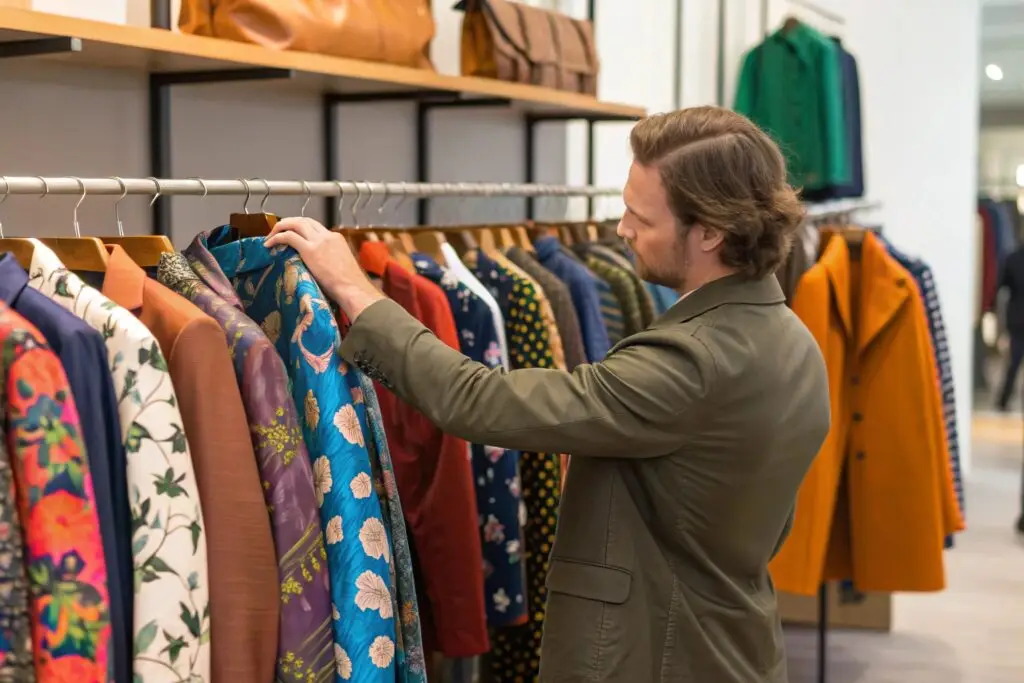
Trends come and go—but something deeper is happening in fashion. Buyers no longer want mass-market copies. They want control over what they wear.
Customizable fashion is more than a passing trend because it gives consumers freedom, identity, and lasting emotional value—far beyond what fast fashion offers.
If you think customization is just for luxury brands or influencers, this article will show why it’s becoming the new baseline—even for B2B buyers and resellers.
What is the difference between fashion and trend?
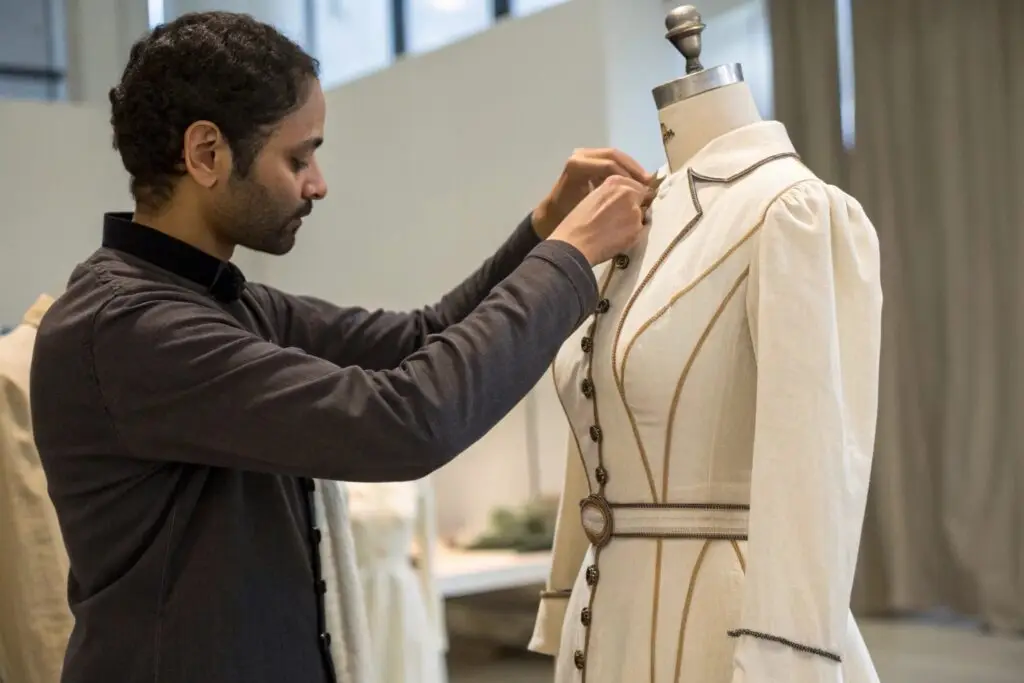
I used to think fashion and trend were the same. But when a buyer asked us to keep the same cut across five seasons, I realized—fashion is structure. Trend is the flavor on top.
Fashion is the overall design and cultural style of clothing, while a trend is a short-term shift in color, cut, or influence that catches public attention.
Why does understanding this difference matter to clothing buyers?
Buyers who chase trends only can burn out quickly. Trends fade. But if you focus on fashion values1—like comfort, silhouette, material—you build something that lasts.
We help our clients offer trend updates2 within stable fashion structures. For example, we might:
- Keep the same hoodie cut
- Change color palettes each season
- Swap prints or slogans to reflect pop culture
This way, your brand stays relevant and reliable.
How do we balance both in production?
Here’s how we do it:
| Layer | What It Covers | How Often We Change It |
|---|---|---|
| Base Fashion | Cut, fabric, sizing | 1–2 times per year |
| Trend Layer | Colors, slogans, surface prints | Every 2–3 months |
| Packaging | Labels, tags, wrapping | Per collection or promotion |
This modular approach3 means you don’t need full reinvention every time.
Why do you think fashions change so much over time?
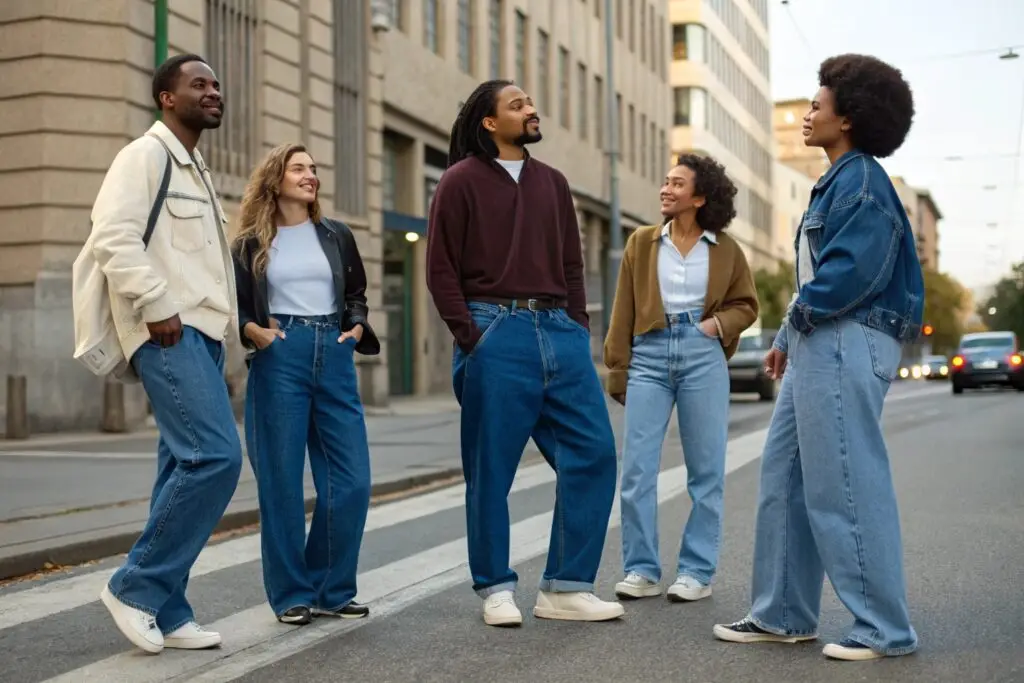
A few years ago, everyone asked for tight-fit jeans. Now, it’s all about relaxed cuts. No new invention—just a shift in taste. That’s how fashion moves.
Fashion changes over time due to shifts in culture, technology, values, and lifestyle—people dress differently as their world changes.
What forces drive long-term change in clothing design?
Some drivers include:
- Technology: New fabrics like bamboo or recycled poly4
- Culture: Influencers, movies, and music videos
- Social movement: Gender-neutral fashion5, body positivity6
- Climate: Warmer summers mean lighter fabrics
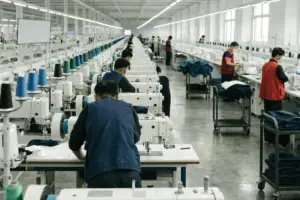
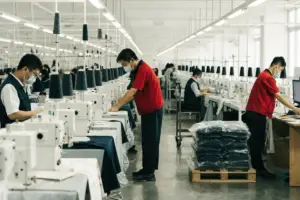
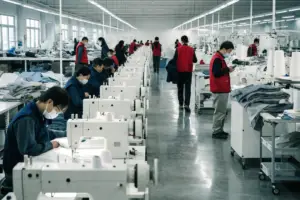
Our factory tracks these changes through client requests and trade show trends. We adapt cuts and materials accordingly.
How can clothing brands stay ahead of these shifts?
Simple: focus on listening. Ask customers what they want. Watch what they wear casually, not just what they like online.
Then use that feedback to evolve your collections. We support this by:
- Offering small-batch pilots
- Fast reorders for trending SKUs
- Pre-tested fabric performance data
That way, you don’t just follow change—you lead it.
Why is fast fashion becoming more popular?
I had a client in L.A. who told me, “We release 10 new styles every week.” They’re not alone. The pace of fashion has exploded—and fast fashion leads the charge.
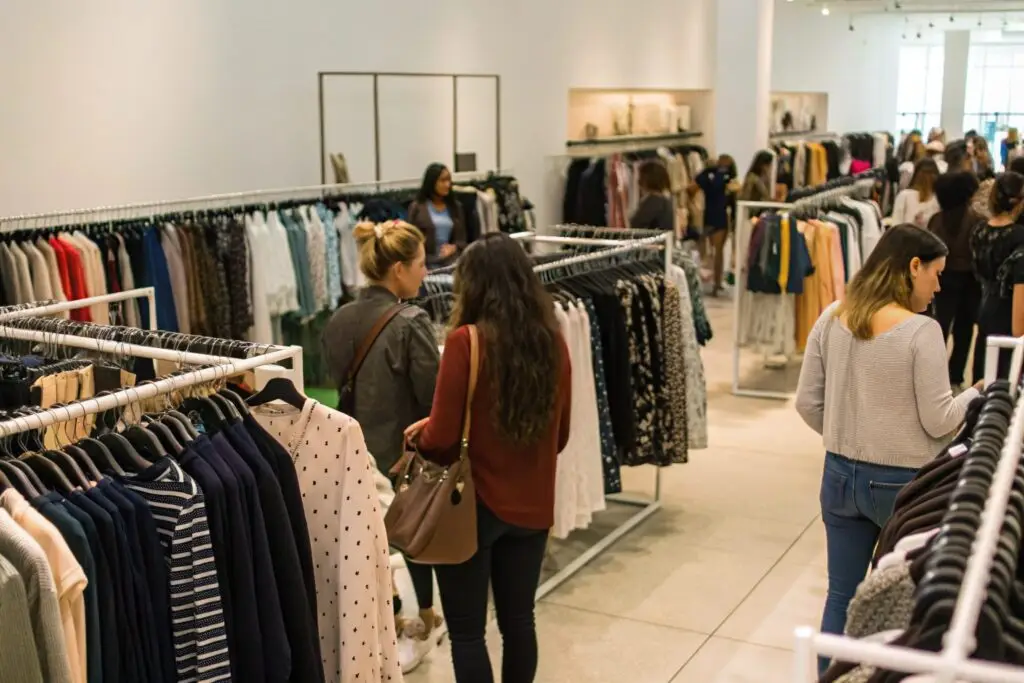
Fast fashion is popular because it delivers trendy, affordable clothes quickly—matching consumer desire for constant newness and variety.
What systems make fast fashion work?
Big players like Shein and Zara use:
- Real-time analytics to track what’s trending
- AI design tools7 to sketch new looks overnight
- Huge supplier networks to start production in days
At Fumao, we support this model for smaller brands by:
- Offering 7-day sampling
- Handling 10+ styles in one order
- Using digital print for faster turnaround
Here’s a breakdown of how speed is achieved:
| Factor | Traditional Model | Fast Fashion Model |
|---|---|---|
| Design Timeline | 3–6 months | 1–3 weeks |
| MOQ per style | 500–1000 pcs | As low as 100 pcs |
| Feedback loop | Seasonal | Weekly |
What are the limits of fast fashion—and how does customization8 help?
Fast fashion can cause overproduction and waste. Customization brings balance by letting buyers choose what’s needed, not just what’s available.
We see many brands mixing both: fast drops + custom core pieces. This combo works especially well for online brands testing new markets.
Why do people copy fashion trends?
One of our buyers joked, “If I see it on TikTok, I want it in my closet tomorrow.” That’s not vanity—that’s how culture works now.
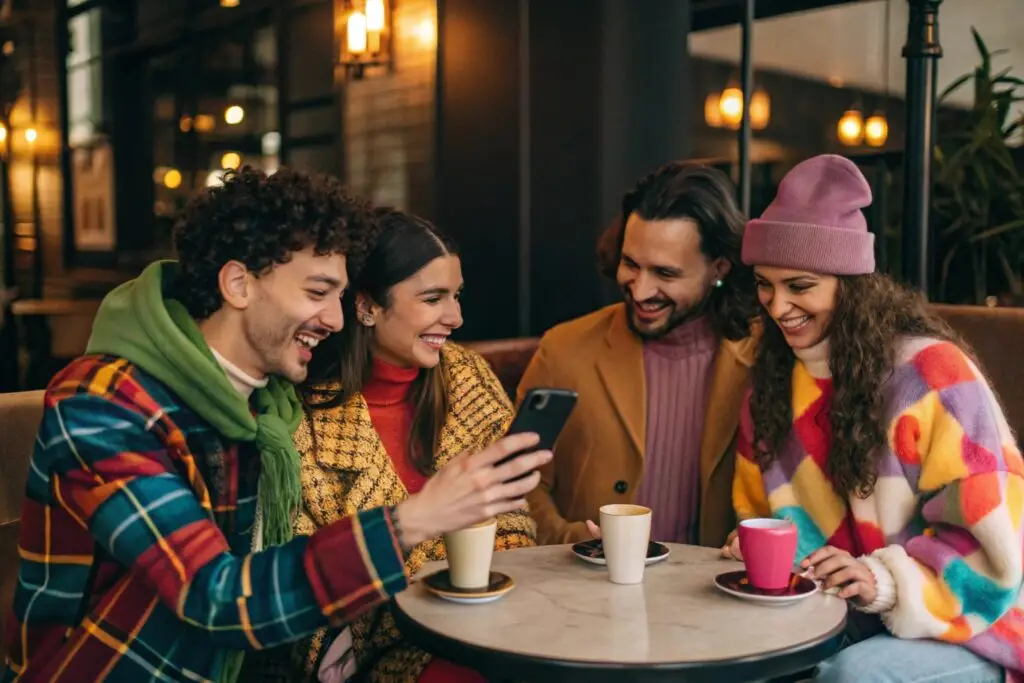
People copy fashion trends because they want to feel current, connected, and part of a shared cultural moment.
What psychology drives trend adoption?
Wearing what others wear creates social belonging9. That’s especially true for Gen Z. A hoodie with a certain phrase might signal identity, attitude, or political values.
Buyers like Ron need to understand this when selecting SKUs. It’s not just about fabric—it’s about message.
We help by:
- Sourcing “hot words10” and trends monthly
- Updating labels and tags to reflect social themes
- Helping buyers localize trends (e.g., U.S. slang vs. U.K. phrases)
How does copying trends differ from building your own?
Copying can be reactive. But you can also reinterpret trends. For example:
- Take a viral silhouette and change the print
- Re-use a trending quote with your font and layout
- Add personalization like initials or colors
This creates a feeling of originality—even if the base is familiar. That’s what customizable fashion11 is best at.
Conclusion
Trends fade, but customization lasts. At Fumao, we help brands balance fast style updates with meaningful, long-term identity—so they stay ahead without losing their voice.
-
Understanding fashion values helps buyers make informed choices that prioritize longevity and comfort over fleeting trends. ↩
-
Learning about trend updates can help buyers understand how brands adapt to market changes while staying true to their core values. ↩
-
Exploring the modular approach can reveal how brands maintain relevance while minimizing waste and reinvention costs. ↩
-
Learn about the environmental advantages of recycled poly and its role in sustainable fashion practices. ↩
-
Explore this link to understand how gender-neutral fashion is reshaping the industry and promoting inclusivity. ↩
-
Discover how body positivity is impacting fashion design and encouraging brands to embrace diverse body types. ↩
-
Discover the transformative role of AI design tools in creating fashion trends and speeding up production processes. ↩
-
Learn how customization can reduce waste and meet consumer demand more effectively in the fast fashion market. ↩
-
Understanding social belonging can help brands connect with consumers on a deeper level, enhancing their marketing strategies. ↩
-
Exploring hot words can provide insights into current consumer interests and help brands stay relevant in a fast-paced market. ↩
-
Customizable fashion is reshaping consumer expectations; learning more can help brands innovate and engage their audience effectively. ↩