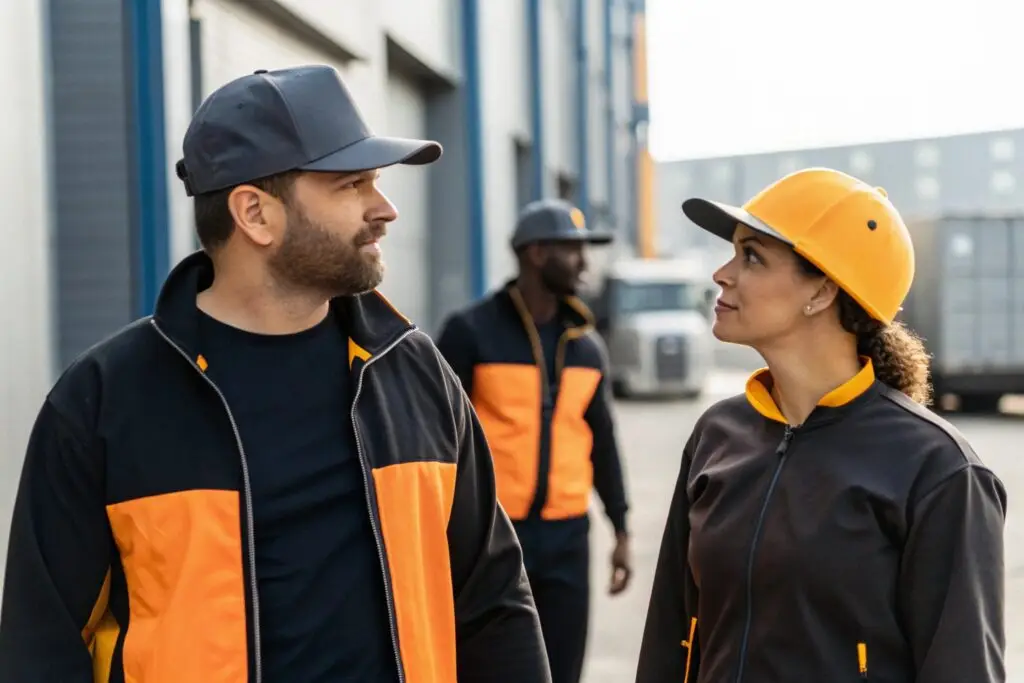
Blank T-shirts are out. Custom-fit, custom-logo, custom-purpose apparel is in—and it's not just for fashion lovers. It's a B2B game now.
B2B custom apparel is rising in demand due to branding needs, team identity, niche targeting, and the shift toward personalized merchandise across industries. Companies want clothes that represent them—not generic pieces.
For manufacturers and brands alike, understanding why this market is growing unlocks a future-proof strategy in the evolving apparel space.
Who is the target market for custom clothing?
Custom apparel isn’t only for influencers or small shops. It's now a strategic tool for businesses, organizations, and communities.
The target market for custom clothing includes corporate buyers, sports teams, events, startups, influencers, schools, and any brand-driven group seeking identity through apparel.

Why is B2B leading the custom trend?
While individual personalization is trending in DTC, in the B2B space, custom clothing1 is exploding for bulk buyers2 who need to unify their team, boost branding, or sell targeted merch.
| B2B Segment | Use Case for Custom Apparel |
|---|---|
| Corporate clients | Uniforms, branded merch, event swag |
| Non-profits | Fundraising T-shirts, volunteer wear |
| Sports clubs | Custom jerseys, warmups, fan gear |
| Startups | Launch giveaways, culture pieces |
| Hospitality | Staff uniforms, aprons, workwear |
At Fumao, we serve B2B clients from Europe and the U.S. who use custom apparel to stand out at trade shows, in online stores, and within their own teams.
How do these clients shop differently?
They need lower MOQs3, faster turnaround, logo placement options, and shipping to multiple locations. B2B clients prioritize quality and fit—but also value ease, flexibility, and service.
Is the apparel industry growing?
Despite economic turbulence, apparel remains strong. In fact, new consumer behavior and digital sales are pushing it forward faster than before.
Yes, the apparel industry is growing, with global market expansion fueled by e-commerce, customization, and sustainable manufacturing models.
What’s driving apparel growth right now?
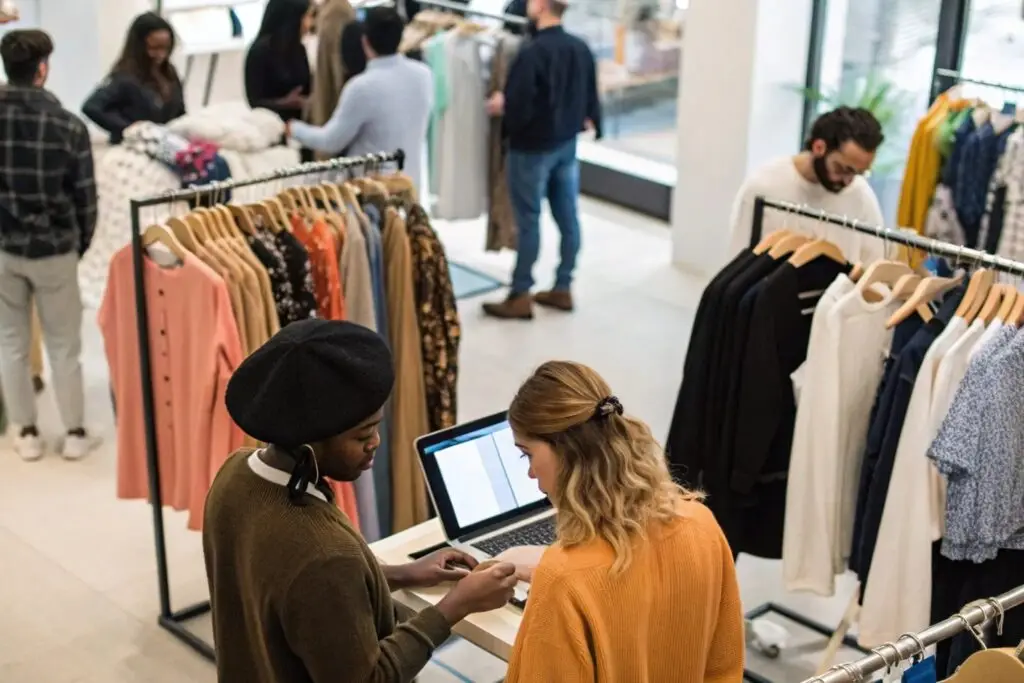
Post-pandemic demand, influencer culture, and AI-powered retail are reshaping how we buy and make clothes. B2B segments are growing too, as businesses invest more in branded clothing and staff identity.
| Growth Driver | Impact on Apparel Industry |
|---|---|
| Online-first shopping | Expands customer reach |
| Sustainable demand | Encourages local and ethical sourcing |
| Workplace branding | Boosts custom uniform demand |
| DTC growth4 | Small brands need manufacturer support |
Fumao works with growing companies launching their own lines, needing fast and consistent support from design to delivery.
Where is most of the growth happening?
In activewear, custom clothing5, kidswear, and plus-size fashion. These niches are underserved by mass production and now turn to custom B2B options for flexible fulfillment.
How big is the customized T-shirt market?
It might seem like a small niche—but custom tees are a billion-dollar global opportunity.
The global customized T-shirt market was valued at over $4.3 billion in 2023 and is expected to grow steadily through 2030 due to demand from events, brands, and online personalization.
What’s fueling this steady growth?
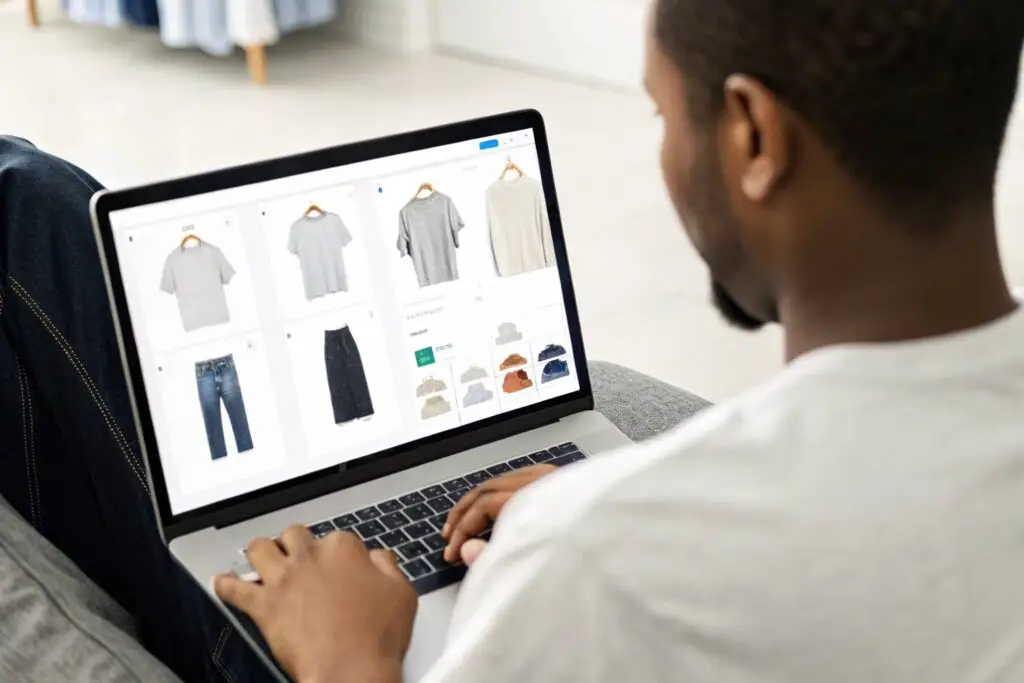
Customization6 is becoming easier, cheaper, and more creative. From one-off prints for birthdays to bulk orders for conferences, businesses and individuals love expressing identity through shirts.
| Growth Segment | Demand Reason |
|---|---|
| Events & trade shows | Giveaways, team recognition |
| Online merch stores | Creator-led product drops |
| Corporate branding7 | Uniformity and team visibility |
| School/college merch | Alumni pride, club fundraising |
Fumao supports scalable T-shirt production with DDP delivery and logo printing, giving clients a one-stop solution from design to doorstep.
Are T-shirts still relevant?
Yes—especially when personalized8. They’re low-cost, easy to distribute, and work across industries. The key is offering soft-touch fabric, good print quality, and reliable sizing.
What is the projection for the apparel market?
The numbers don’t lie—apparel is scaling, but not the same way it used to. Brands that stay flexible and tech-enabled will lead.
The global apparel market is projected to reach over $2.1 trillion by 2027, with B2B customization, on-demand production, and sustainability as key growth levers.

What segments will grow fastest?
| Segment | Forecast Trend |
|---|---|
| B2B Custom Apparel9 | Steady growth from branding demand |
| Sustainable Fashion10 | Regulatory pressure + consumer demand |
| Tech-integrated Apparel11 | Fitness, performance, smartwear |
| Localized Manufacturing | Speed + logistics advantages |
B2B buyers especially are fueling repeat orders, as more industries integrate apparel into their identity and outreach strategies.
What’s the takeaway for manufacturers?
Be agile. Offer low MOQ, fast sampling, fabric options, and design support. Customization isn’t a service—it’s the new standard.
Conclusion
B2B custom apparel isn’t a trend—it’s a transformation. As businesses seek better branding, more flexibility, and local identity, custom garments are becoming the smartest investment in fashion’s future.
-
Explore how custom clothing can enhance branding and team unity for B2B companies, making it a valuable investment. ↩
-
Learn about the advantages bulk buyers gain from custom apparel, including cost savings and tailored solutions for their needs. ↩
-
Discover the significance of lower MOQs in B2B custom apparel, enabling businesses to order efficiently and cost-effectively. ↩
-
This resource will provide insights into how direct-to-consumer growth is essential for small brands and their manufacturing needs. ↩
-
Discover the latest trends and innovations in custom clothing, a key area of growth in the apparel market. ↩
-
Explore how customization enhances T-shirt production, making it more appealing for businesses and individuals alike. ↩
-
Learn how custom T-shirts can strengthen corporate branding and improve team visibility in the workplace. ↩
-
Discover the ongoing relevance of personalized T-shirts and their impact on consumer choices and brand loyalty. ↩
-
Learn about the growth of B2B custom apparel and how businesses are leveraging it for branding and identity, essential for manufacturers. ↩
-
Explore this link to understand how sustainability is shaping the fashion industry and driving consumer choices. ↩
-
Discover the innovations in tech-integrated apparel that are revolutionizing fitness and smartwear, making it a must-read for industry insights. ↩