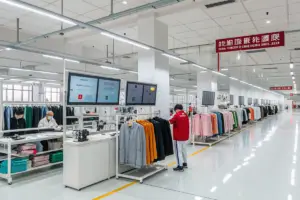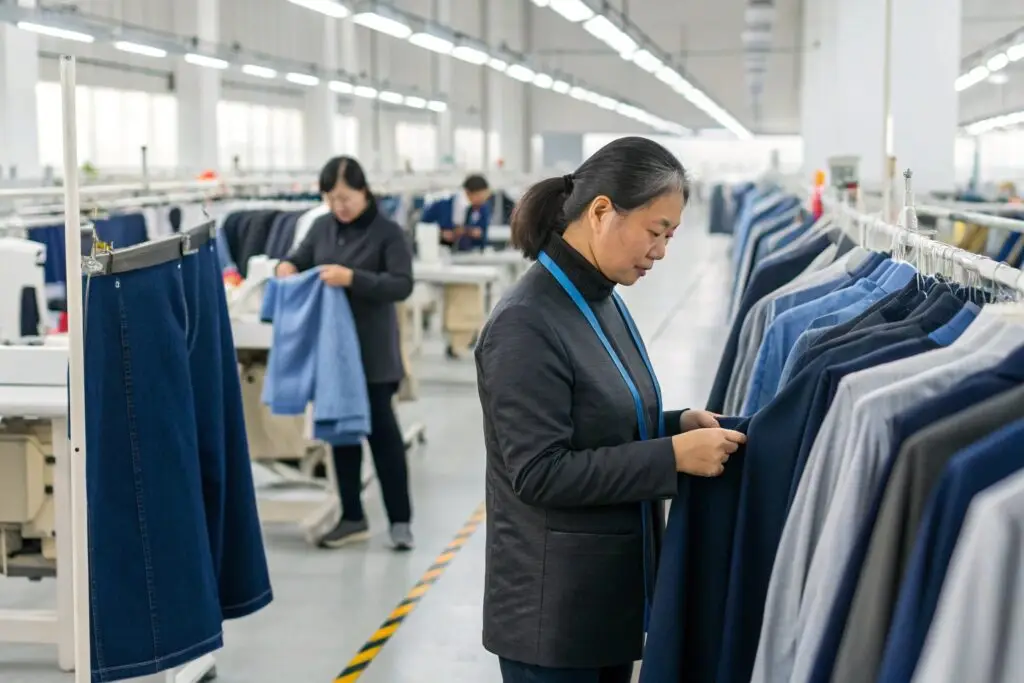
Finding the perfect custom clothing manufacturer is crucial for bringing your fashion vision to life while maintaining quality and profitability. This comprehensive guide covers everything you need to know about selecting and working with apparel manufacturers.
The right custom clothing manufacturer should offer the perfect balance of quality, cost, and minimum order quantities (MOQs) while specializing in your specific product type – whether it’s activewear, denim, or luxury fashion.
How to Choose the Right Custom Clothing Manufacturer
Selecting a manufacturing partner is one of the most important decisions you’ll make for your fashion business.
Key considerations when choosing a manufacturer:
- Minimum Order Quantities (MOQs) that match your needs
- Specialization in your product category
- Quality control processes and certifications
- Communication responsiveness
- Location and shipping logistics
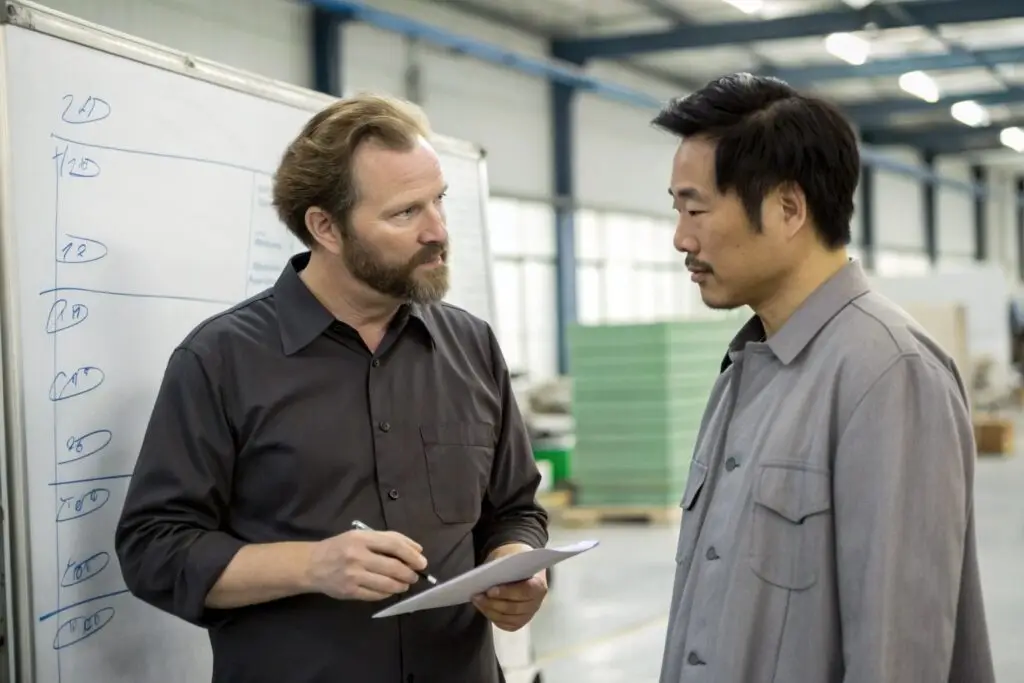
What Are the Different Types of Clothing Manufacturers?
Understanding manufacturer specialties:
| Type | Best For | Typical MOQ | Lead Time |
|---|---|---|---|
| Full Package1 | Startups | 50-100 pcs | 6-8 weeks |
| Cut-Make-Trim | Established brands | 300-500 pcs | 4-6 weeks |
| Private Label2 | Retailers | 1000+ pcs | 8-12 weeks |
| Sample Room | Designers | 1-10 pcs | 2-3 weeks |
How Do You Verify a Manufacturer’s Reliability?
Essential verification steps:
- Request and check references from current clients
- Review their certifications (ISO, BSCI, OEKO-TEX)
- Visit the factory or request a virtual tour
- Start with a small test order before committing
- Check their payment terms and contracts
Benefits of Working with a Custom Clothing Manufacturer
Partnering with the right manufacturer provides advantages that extend far beyond basic production.
Top benefits include:
✔ Lower per-unit costs at scale
✔ Access to specialized equipment and expertise
✔ Consistent quality control
✔ Faster time-to-market
✔ Reduced operational complexity
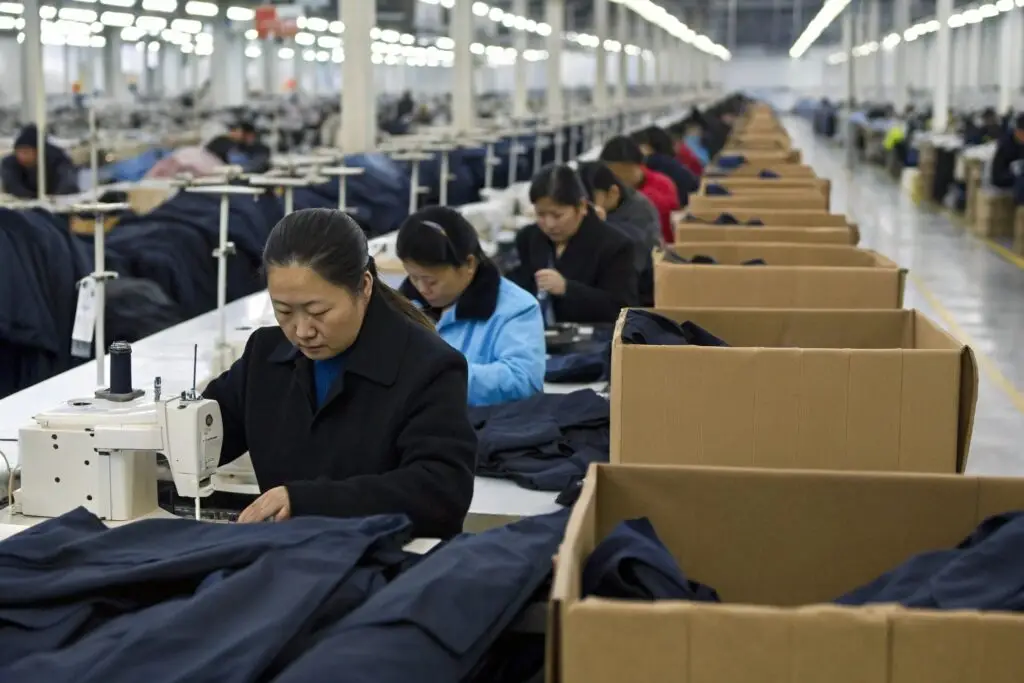
How Can Custom Manufacturer3s Improve Your Profit Margins?
Cost-saving advantages:
| Factor | DIY Production | Custom Manufacturer | Savings |
|---|---|---|---|
| Labor Costs | $15-25/hour | $2-5/hour | 70-80% |
| Material Waste | 25-30% | 5-10% | 60-75% |
| Equipment Investment | $50k+ | $0 | 100% |
| Quality Returns | 15-20% | 3-5% | 70-80% |
What Value-Added Services Do Top Manufacturers Offer?
Beyond basic production:
- Design and tech pack assistance4
- Fabric sourcing and development
- Pattern making and grading
- Quality control and inspections5
- Logistics and shipping coordination
Key Factors Affecting Clothing Manufacturing Costs
Understanding cost drivers helps you budget accurately and negotiate effectively.
Primary cost factors:
- Order quantity (higher volumes = lower per-unit costs)
- Fabric type and complexity
- Labor intensity of construction
- Number of sizes/colorways
- Shipping method and destination
How Do Different Countries Compare on Manufacturing Costs6?
Global cost comparison (per piece averages):
| Country | Basic Tee | Denim Jeans | Dress |
|---|---|---|---|
| Bangladesh | $2.50-$3.50 | $7-$9 | $4-$6 |
| China | $3.50-$5 | $10-$14 | $6-$9 |
| Vietnam | $3.25-$4.50 | $9-$12 | $6-$8 |
| Turkey | $4.50-$6 | $13-$18 | $8-$12 |
| USA | $8-$12 | $25-$35 | $15-$25 |
What Hidden Costs7 Should You Budget For?
Often overlooked expenses:
- Sample costs ($50-$300 per sample)
- Shipping and duties (15-30% of product cost)
- Quality inspections8 ($200-$1000 per inspection)
- Bank fees (3-5% for international transfers)
- Rework expenses (5-15% of order value)
What to Look for in a Reliable Clothing Manufacturer
Identifying truly professional manufacturers requires looking beyond basic capabilities.
Essential traits of top manufacturers:
- Clear communication and responsiveness
- Transparent pricing structure
- Quality control systems in place
- Realistic timelines and deadlines
- Willingness to sign contracts

What Certifications Should a Good Manufacturer Have?
Important certifications to look for:
- OEKO-TEX®9 – Chemical safety standards
- BSCI – Social compliance
- ISO 900110 – Quality management
- WRAP – Ethical manufacturing
- GOTS11 – Organic textiles
How Can You Assess a Manufacturer’s Quality Standards?
Quality evaluation methods:
- Request detailed quality control documentation
- Ask for their standard AQL (Acceptable Quality Level)
- Visit during production to observe processes
- Review their defect rate history
- Test their samples rigorously
Conclusion
Choosing the right custom clothing manufacturer requires careful evaluation of capabilities, costs, and compatibility with your brand vision. By understanding the key factors in manufacturing relationships and conducting thorough due diligence, you can establish partnerships that support your brand’s growth and quality standards for years to come.
-
Explore this link to understand how Full Package manufacturers can help startups streamline their production process. ↩
-
Discover the advantages of Private Label manufacturing for retailers and how it can enhance your brand’s offerings. ↩
-
Explore how Custom Manufacturers can enhance efficiency and reduce costs, ultimately boosting your profit margins. ↩
-
Discover how design and tech pack assistance can streamline your production and enhance product quality. ↩
-
Learn about the critical role of quality control in ensuring product excellence and minimizing returns. ↩
-
Understanding the factors influencing manufacturing costs can help businesses make informed decisions about sourcing and production. ↩
-
Exploring hidden costs can prevent budget overruns and ensure a more accurate financial plan for manufacturing projects. ↩
-
Learning about the significance of quality inspections can enhance product reliability and customer satisfaction, crucial for business success. ↩
-
Understanding OEKO-TEX® certification can help you ensure the safety and quality of textiles you purchase. ↩
-
Exploring ISO 9001 certification will give you insights into quality management standards that manufacturers should meet. ↩
-
Learning about GOTS certification can help you choose sustainable and ethically produced textiles for your needs. ↩