The fashion industry is grappling with issues like overproduction, waste, and the demand for more personalized products. Enter mass customization—a concept that promises to balance mass production with individual preference.
Mass customization could help solve fashion’s biggest problems by allowing brands to produce unique items at scale, reducing waste, and improving customer satisfaction.
But can it truly transform the industry? Let’s explore how it works, what challenges it faces, and why it’s becoming an important part of fashion’s future.
What is the biggest problem in the fashion industry?
The fashion industry is facing numerous challenges, but one of the biggest is overproduction.
Overproduction results in massive waste, unsold inventory, and environmental damage, leading to significant inefficiencies and unsustainable business practices.
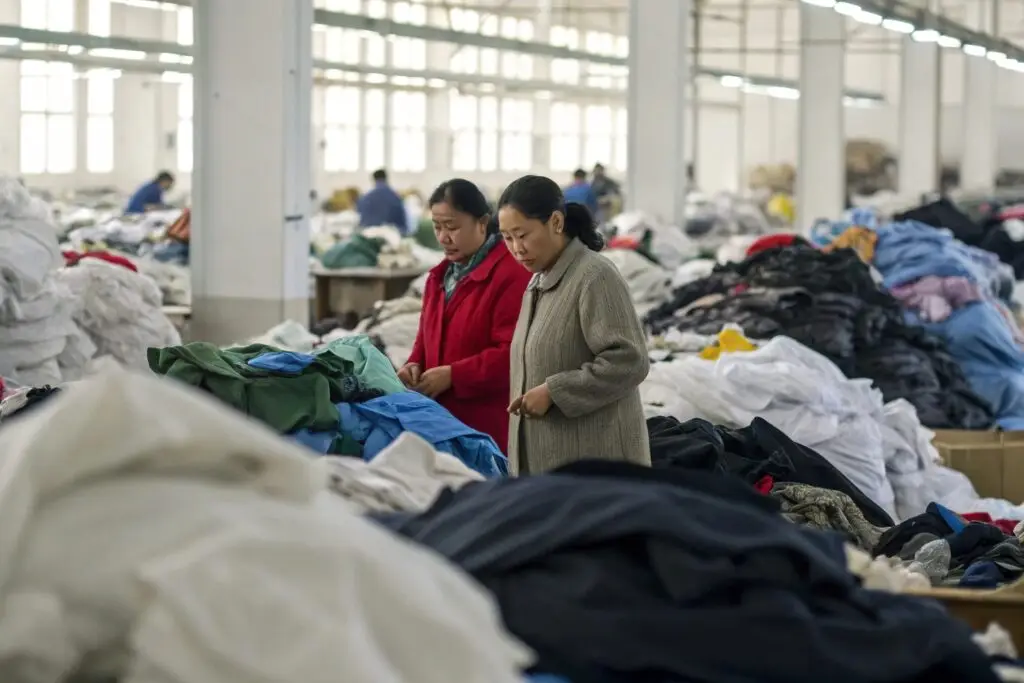
Key issues in fashion today
- Waste and overstock – Unsold garments end up in landfills or are burned
- Environmental impact1 – High carbon footprint from textile production and shipping
- Labor exploitation2 – Poor working conditions in developing countries
- Consumerism and fast fashion3 – Quick turnover cycles and trend chasing encourage excessive consumption
| Problem | Impact on Industry |
|---|---|
| Overproduction | Waste, markdowns, environmental harm |
| Supply chain opacity | Lack of transparency and ethics |
| Low quality and disposability | Short garment lifespans, high returns |
| Consumerism-driven demand | Increased production pressure |
The industry needs to address these challenges to remain viable and responsible. Mass customization might offer a viable solution, but it comes with its own set of obstacles.
What are the problems with mass customization?
While mass customization promises a more personalized and sustainable future for fashion, it’s not without challenges.
Mass customization faces hurdles such as higher production costs, longer lead times, and logistical complexities. Additionally, consumer expectations can be difficult to meet at scale.
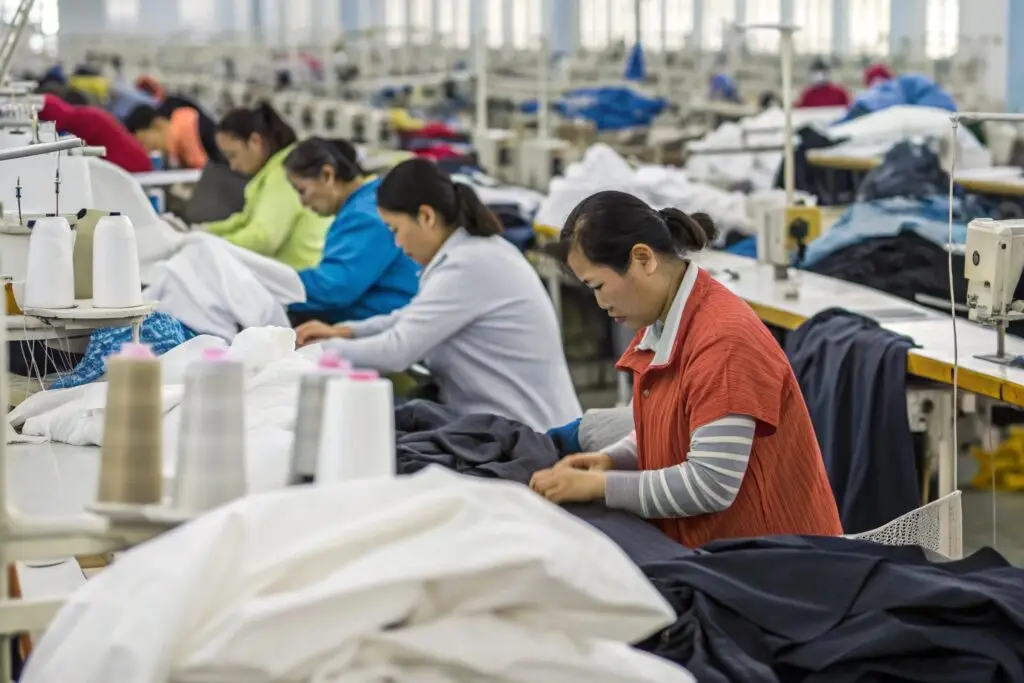
Key problems with mass customization
| Challenge | Impact on Brand |
|---|---|
| Higher costs4 | Customization adds to per-unit cost |
| Complexity in logistics5 | Managing diverse orders and deliveries |
| Longer lead times | Custom orders take more time to produce |
| Managing consumer expectations6 | Hard to scale quality and fit accurately |
| Inventory management | Increased risk of miscalculation or underproduction |
For example, a small brand offering custom fits may struggle to balance demand with supply, leading to delays or customer dissatisfaction. However, advancements in technology and automation are beginning to ease these barriers.
Why is mass customization important?
Mass customization allows consumers to get exactly what they want—without compromising on efficiency. For fashion, this means more options, fewer returns, and better fit.
Mass customization is important because it meets the increasing consumer demand for individuality, addresses sustainability concerns, and helps reduce overproduction and waste.
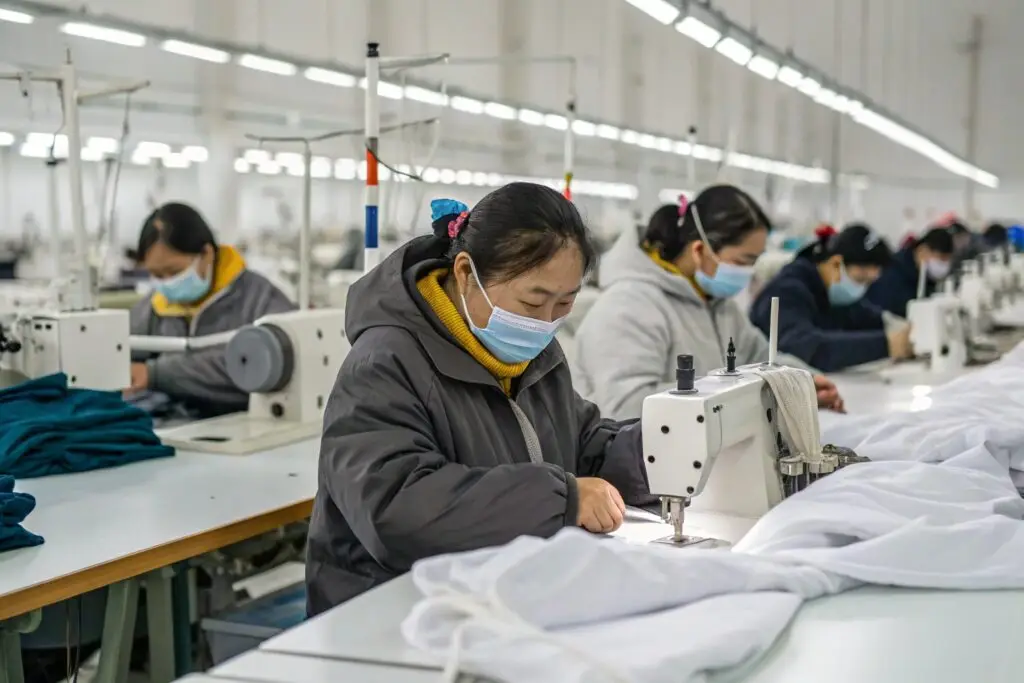
Why does it matter?
- Personalization7 – Meets individual preferences without going fully bespoke
- Sustainability8 – Produces only what is needed, reducing waste and overstock
- Customer satisfaction9 – Reduces return rates by providing better fit and style options
- Business model evolution – Brands can better predict demand and adjust production accordingly
| Benefit | Impact on the Industry |
|---|---|
| Individualized products | Fulfills unique consumer needs |
| Lower environmental impact | Reduces textile waste and carbon footprint |
| Reduced inventory waste | Minimizes unsold stock and markdowns |
For example, a clothing brand using data from past purchases can personalize sizing or styles to match individual customers’ needs, thus reducing returns and increasing loyalty.
What is mass customization in fashion?
Mass customization in fashion involves offering personalized clothing while still maintaining the efficiency of mass production. This is made possible through advanced technologies, better logistics, and more flexible manufacturing processes.
Mass customization in fashion includes options like custom sizing, personalized designs, and on-demand production. It allows customers to choose colors, fit, and styles without the brand needing to maintain a vast inventory.
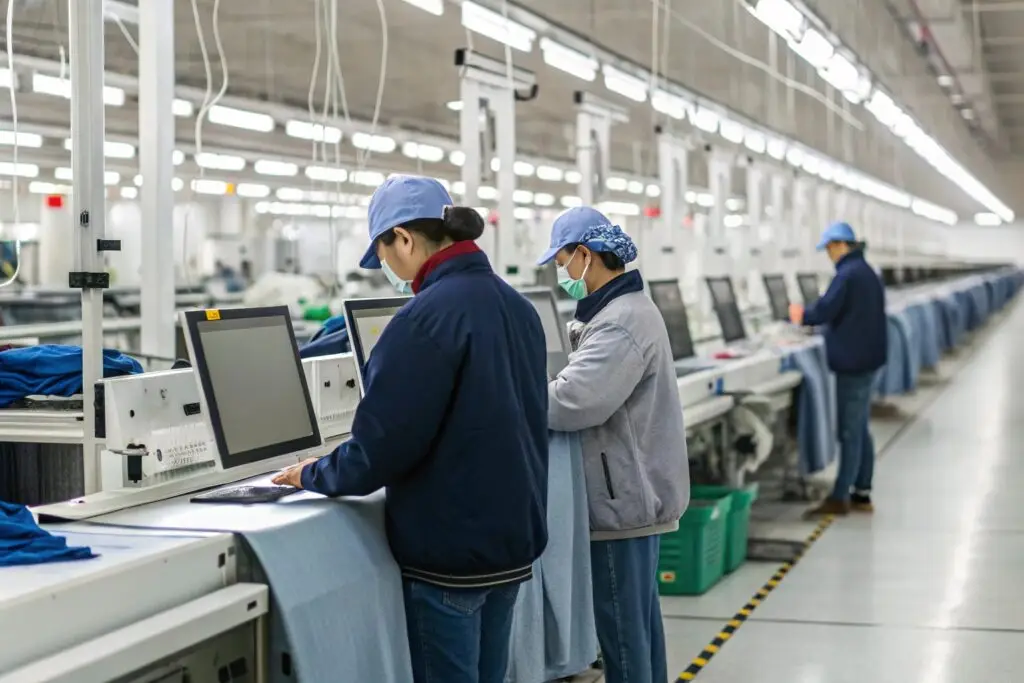
How it works in fashion:
- Customization platform – Customers select style, size, and fabric options on the brand’s website.
- Data analysis – Data from customer profiles and past purchases helps brands predict demand and refine the customization options offered.
- On-demand production – Garments are made when an order is placed, avoiding unnecessary inventory.
- Flexible manufacturing – Technology enables cost-effective small-batch production.
| Customization Method | Example in Fashion |
|---|---|
| Custom Fit and Sizing | Made-to-measure suits or jeans |
| Personalized Designs | Monogramming, embroidery, graphic prints |
| Custom Fabric Choices | Personalized fabrics or colors |
Brands like Nike and Adidas already use mass customization10 with options like personalized sneakers or jerseys, showing how mass production and customization can coexist. This model allows brands to cater to a wide audience while still offering a unique product to each individual.
Conclusion
Mass customization offers a promising solution to many of fashion’s biggest problems, such as waste and unsold inventory, while also meeting consumer demand for personalized, unique products. However, it’s not without its challenges. As technology improves and logistics become more efficient, mass customization may become the standard—helping brands stand out while maintaining sustainability and efficiency.
-
Understanding the environmental impact of fashion is crucial for making informed choices and promoting sustainability. ↩
-
Exploring labor exploitation helps raise awareness and encourages ethical consumerism in fashion. ↩
-
Learning about the effects of consumerism and fast fashion can inspire more sustainable shopping habits. ↩
-
Understanding the implications of higher costs can help brands strategize effectively in mass customization. ↩
-
Exploring logistics complexities can provide insights into optimizing supply chains for customized products. ↩
-
Learning about strategies for managing expectations can enhance customer satisfaction and brand loyalty. ↩
-
Exploring this link will provide insights into how personalization enhances customer experience and drives sales. ↩
-
This resource will help you understand the importance of sustainable practices in reducing waste and promoting eco-friendly fashion. ↩
-
Discover effective strategies that can enhance customer satisfaction and loyalty in the retail sector. ↩
-
Explore how mass customization is revolutionizing the fashion industry by allowing brands to offer personalized products while maintaining efficiency. ↩