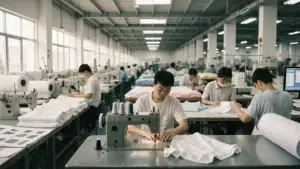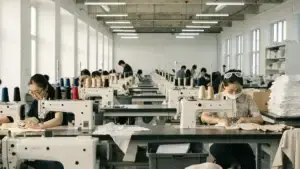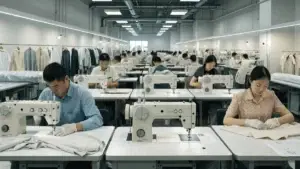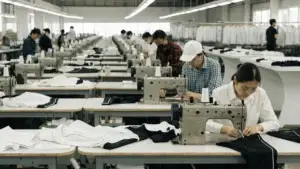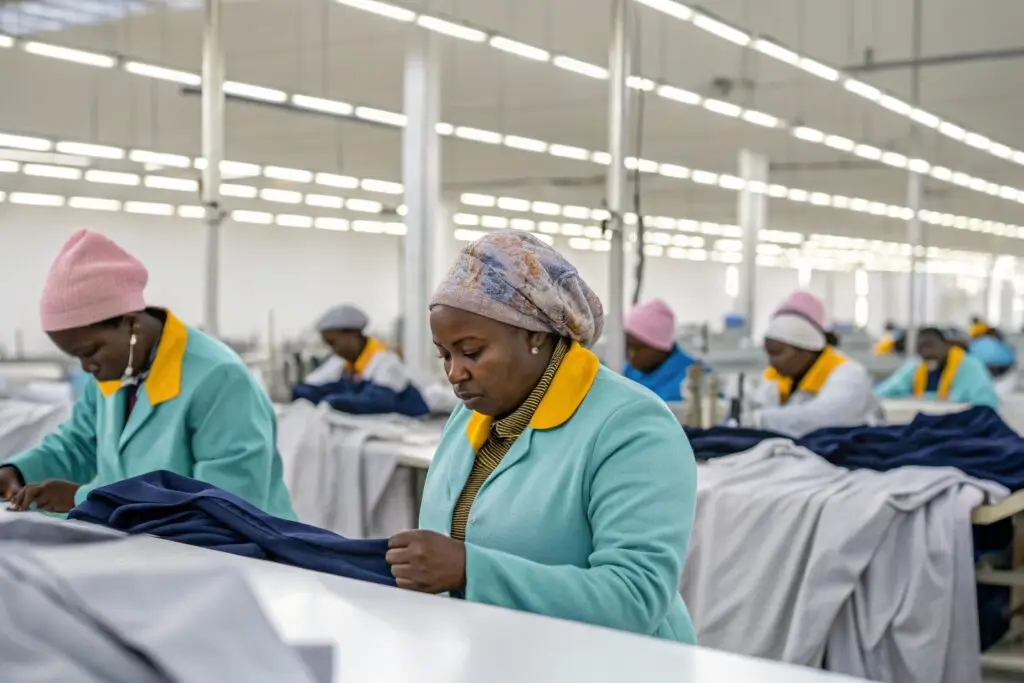
In today's fashion market, it's not about producing more—it's about producing smarter. Small batch manufacturing allows brands to stay agile, reduce waste, and better connect with conscious consumers.
Small batch clothing manufacturing helps brands produce limited quantities of garments with lower upfront risk, higher quality control, and better alignment with sustainability goals.
It’s the go-to model for startups, DTC brands, slow fashion labels, and designers testing new markets.
Best small batch clothing manufacturers
Not all factories welcome low-volume orders—but some specialize in them. These partners provide quality, flexibility, and one-on-one development support.
The best small batch clothing manufacturers include The Evans Group (TEG), Indie Source, Lefty Production Co., and Create A Cut & Sew—known for their low MOQs and designer-friendly services.
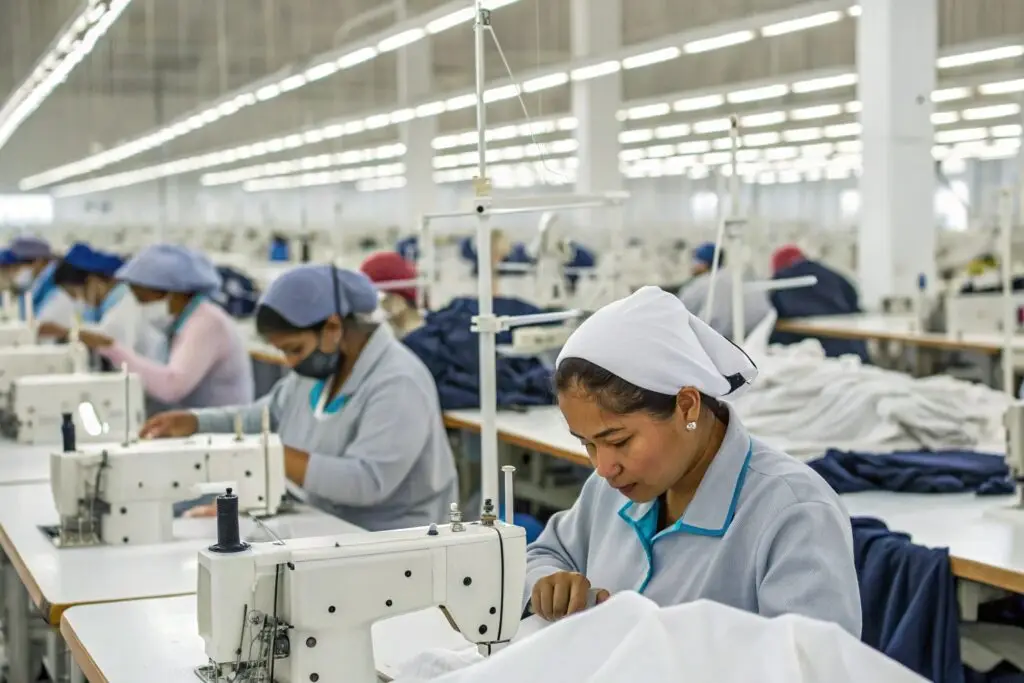
Who’s leading in small batch production1?
| Manufacturer | MOQ | Specialties |
|---|---|---|
| The Evans Group (TEG) | 1+ units | Luxury, designer apparel |
| Indie Source | 50–100 units | Full-package, custom designs |
| Lefty Production Co. | 50 units | Trend-driven fashion brands |
| Create A Cut & Sew | 50–100 units | Streetwear, women's basics |
| Good Clothing Company | 100 units | Sustainable, ethical manufacturing |
These manufacturers are ideal for testing new styles, pre-order models, or launching niche collections. I've worked with brands that built entire businesses from 100-piece first runs.
Why choose small batch?
- Less inventory risk
- Faster turnaround times
- Easier to test and refine designs
- Greater flexibility in sizing, fit, or detail updates
Perfect for limited drops2, influencer collabs, or capsule wardrobes.
Low MOQ apparel production USA
Small brands often struggle to meet overseas MOQs. Fortunately, U.S. factories are stepping up with low minimum production orders and better service.
Low MOQ apparel production in the USA supports brands with as few as 10–50 pieces per style—ideal for market testing, crowdfunding, and local storytelling.
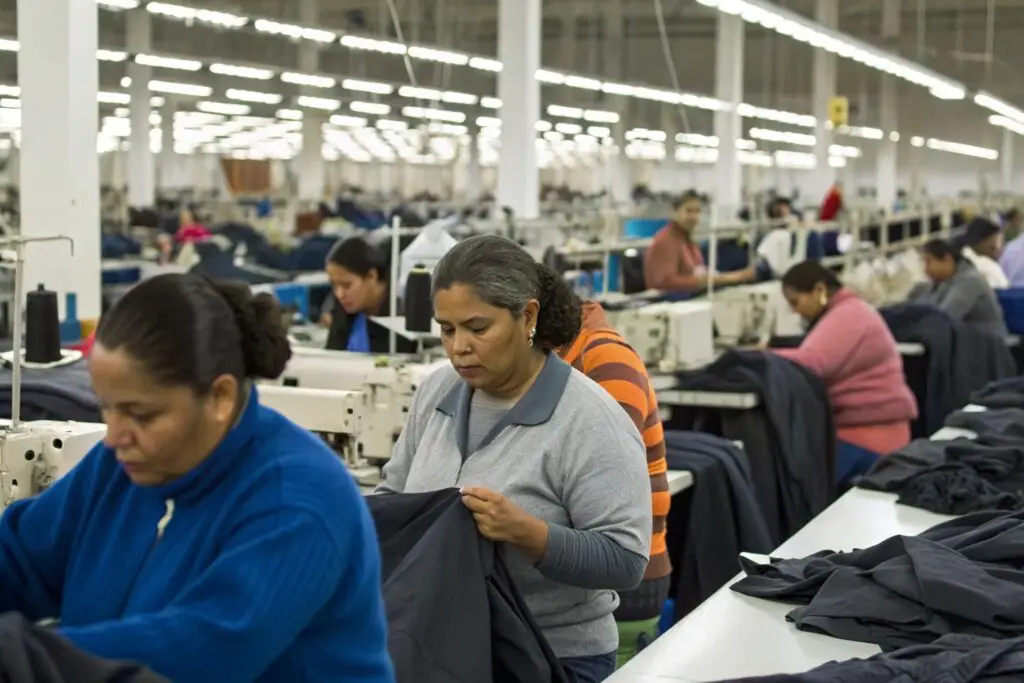
Top U.S. low MOQ manufacturers3:
| Factory Name | MOQ | Location |
|---|---|---|
| The Evans Group | 1 unit | Los Angeles, CA |
| Stitch Method | 30–50 units | New York, NY |
| Indie Source | 50 units | Los Angeles, CA |
| Good Clothing Company | 100 units | Massachusetts |
| Portland Garment Factory | 25–75 units | Portland, OR |
These factories focus on American-made quality4, ethical labor5, and hands-on sampling. They’re perfect for local brands or those wanting a “Made in USA” label.
What makes U.S. low MOQ production valuable?
- Supports local supply chains
- Allows real-time fittings and corrections
- Speeds up reorders and replenishment
- Enhances brand storytelling with transparency
One brand I worked with moved their launch from overseas to a Portland-based shop—and they sold out with zero returns. The fit was right, the story resonated, and the quality kept customers coming back.
Sustainable small run clothing makers
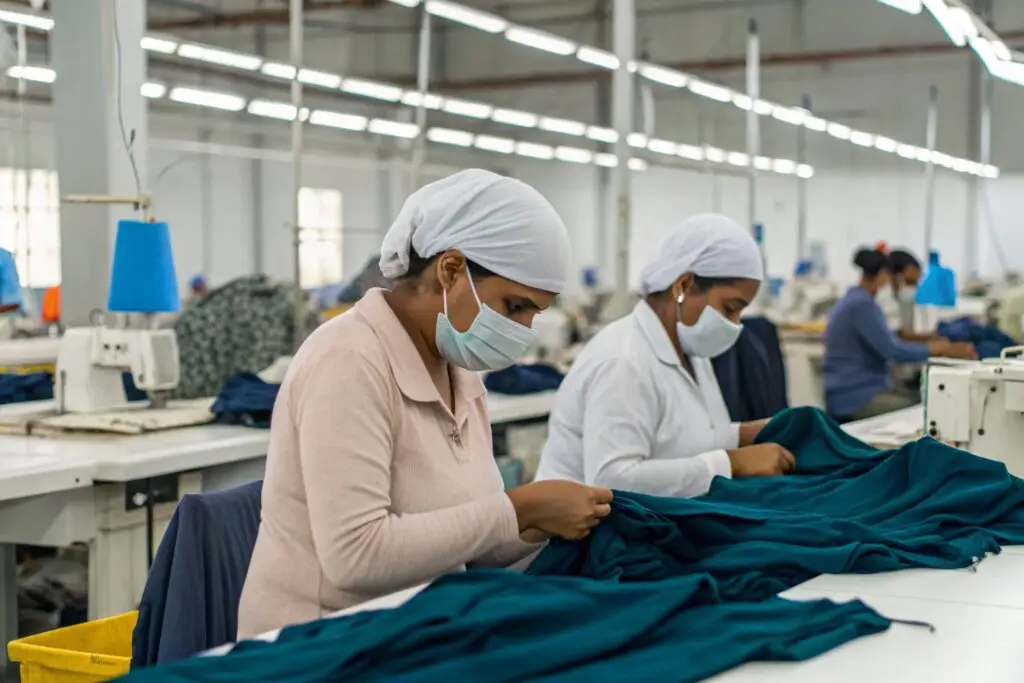
For ethical fashion brands, small runs and sustainability go hand in hand. These factories help reduce overproduction and align with eco values.
Sustainable small run clothing manufacturers focus on organic fabrics, ethical labor, made-to-order production, and environmentally responsible materials.
Top ethical small batch partners:
| Factory Name | Sustainability Focus | MOQ |
|---|---|---|
| Good Clothing Company | Organic cotton, local labor | 100 units |
| Nature USA | GOTS-certified, zero-waste cutting | 50 units |
| Known Supply | Transparent supply chain | 100 units |
| ReCreate Clothing* | Circular fashion design | 50 units |
(*International, but partners with U.S. brands for slow fashion drops.)
Why is small batch sustainable6?
- Prevents overproduction and textile waste
- Uses fewer resources during development
- Supports ethical wages7 and slower workflows
- Encourages thoughtful design and longer product life cycles
Many brands now share their small batch process as part of their identity—showing behind-the-scenes sewing, fabric sourcing, and care for craft.
How small batch manufacturing works
The small batch model is different from traditional mass production. It’s more flexible, more hands-on, and more focused on building a product that lasts.
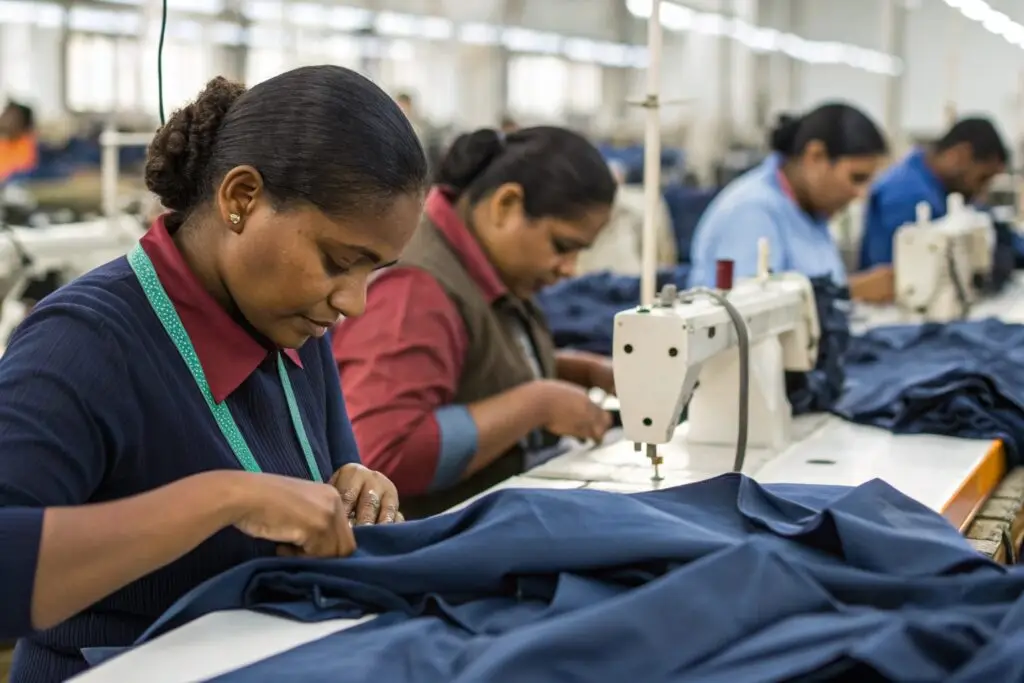
Small batch manufacturing works by producing garments in limited quantities (usually under 300 units per style), allowing brands to maintain quality, reduce waste, and adjust quickly to customer feedback.
Key stages of small batch production8:
- Design & tech pack creation – Sketches, specs, measurements
- Sample development – First physical prototype created
- Fit review & revisions – Adjustments made for final version
- Fabric sourcing – Local or sustainable material selection9
- Small batch cutting – Material prepared for production
- Sewing & finishing – Garments assembled by skilled teams
- Packaging & QC – Final inspection and delivery prep
| Phase | What’s Different in Small Batch |
|---|---|
| Design | More brand input, faster changes |
| Sampling | Real-time feedback from founders |
| Production | Fewer units, higher detail quality |
| Delivery | Often hand-packed and labeled |
This model supports experimentation—brands can try different fits, colors, or collections in real time, then scale what works.
Who is small batch best for?
- New clothing brands
- Influencer or creator lines
- Ethical/sustainable fashion startups
- Event- or season-specific collections
- Brands focused on story, not speed
When done right, small batch isn't a limitation—it’s a superpower.
Conclusion
Small batch clothing manufacturing offers freedom, flexibility, and sustainability in a way that mass production can’t match. Whether you’re launching a new brand or scaling a conscious label, small runs let you move smart, test fast, and build deeper trust with your audience.
-
Exploring this resource will provide insights into the advantages of small batch production, helping you understand its impact on the fashion industry. ↩
-
Discover the significance of limited drops in fashion, a strategy that can enhance brand exclusivity and customer engagement. ↩
-
Explore this link to understand how low MOQ manufacturers can enhance your brand's production strategy and customer satisfaction. ↩
-
Discover why American-made quality is valued by consumers and how it can impact your brand's reputation and sales. ↩
-
Learn about the advantages of ethical labor practices and how they can improve your brand's image and customer loyalty. ↩
-
Exploring this resource will deepen your understanding of how small batch production minimizes waste and promotes ethical practices. ↩
-
This link will provide insights into the importance of fair wages in promoting sustainability and social responsibility in fashion. ↩
-
Explore how small batch production can enhance creativity and quality in fashion, making it ideal for new brands and sustainable practices. ↩
-
Learn about sustainable material selection to make eco-friendly choices in fashion, supporting ethical practices and reducing environmental impact. ↩