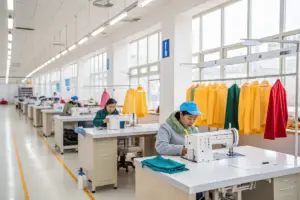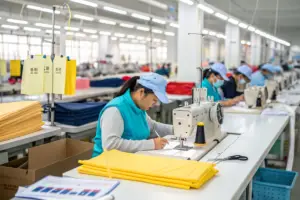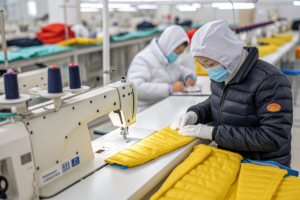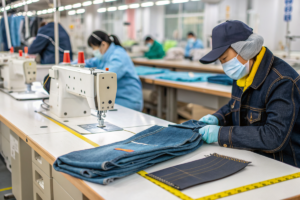
Making clothes is only the first step. Selling them—profitably—is what makes or breaks your business.
To sell your manufactured clothes, choose platforms that match your target customer, price point, and branding goals. Explore both online and offline options to maximize exposure and profit.
Let me walk you through how to make real sales from your clothing production—without getting lost in the noise or undercut on pricing.
Where is the best place to sell used clothes?
Selling used clothes is one way to understand how fashion resale works—and test different channels before going big with your own brand.
The best places to sell used clothes are online platforms like Poshmark, Depop, and eBay. Offline options include local thrift shops, pop-ups, and consignment boutiques.

What online platforms work best for resale?
Here’s a comparison of the top resale platforms1:
| Platform | Target Audience | Best For | Fees |
|---|---|---|---|
| Poshmark2 | Women’s fashion | Trendy used clothing | ~20% |
| Depop | Gen Z, streetwear | Vintage, niche styles | 10% + PayPal |
| eBay | General audience | Designer/used items | ~13% |
| Facebook Marketplace | Local buyers | Fast, no fees | None |
Each platform has a different vibe. I used Depop to sell some vintage jackets—it worked well because the buyers love storytelling and aesthetics. For bulkier items, I prefer Facebook Marketplace—it’s quick and avoids shipping headaches.
How does selling used clothes3 help new brands?
Reselling teaches:
- What styles get attention
- How to photograph and list clothes
- What buyers care about (fabric, fit, price)
- How to build trust and handle feedback
Many small brands started this way—learning to market one piece at a time before launching full collections. If you’re sitting on extra inventory, try resale first to recover cost and test demand.
How profitable is making clothes?
Profit margins in apparel can vary wildly. It depends on your business model, sales channel, and how you control costs.
Making clothes can be highly profitable when production is optimized, branding is strong, and the sales price reflects perceived value—not just material cost.

What are the typical profit margins?
Let’s break it down:
| Product Type | Cost to Make | Retail Price | Gross Margin |
|---|---|---|---|
| Basic T-Shirt | $3–$6 | $20–$30 | 70%–85% |
| Custom Hoodie | $10–$18 | $40–$80 | 60%–78% |
| Branded Activewear | $15–$25 | $60–$120 | 60%–80% |
These are gross margins—before marketing, shipping, and taxes. Still, if you keep your inventory lean and brand position clear, profit can be strong.
I’ve worked with brands that scale profitably by focusing on a few winning SKUs4, rather than launching too many styles too fast. Simplicity protects margin.
How can I make clothing more profitable?
Profit isn’t only about price—it’s about value and cost control. Here are strategies that worked for me:
- Use pre-orders5 to avoid deadstock
- Offer bundles (e.g. t-shirt + cap = higher AOV)
- Negotiate better freight or DDP deals with factories
- Switch from custom dyes to standard colors to cut costs
- Leverage UGC (user-generated content6) to reduce ad spend
I once cut my ad budget in half just by running a giveaway and reposting customer photos—it increased sales with almost zero cost.
What is the easiest platform to sell clothes on?
Not every seller has a team or budget to build a full eCommerce site. Some platforms help you start with zero technical skills.
The easiest platforms to sell clothes on are Shopify, Etsy, and social platforms like Instagram and TikTok. Each offers tools to start fast—even with no coding or design background.

Which platforms are beginner-friendly7?
| Platform | Setup Time | Customization | Ideal For |
|---|---|---|---|
| Shopify | 1–2 days | High | Brands with multiple SKUs |
| Etsy | 1 day | Limited | Handmade or niche fashion |
| Immediate | Medium | Visual-heavy fashion drops | |
| TikTok Shop | Immediate | Low | Viral or impulse fashion |
Shopify is great once you want to scale. But if you’re just testing, start on Instagram or TikTok Shop. I’ve had friends sell 100+ hoodies with one TikTok live.
What makes a platform “easy” to sell on?
It comes down to 3 things:
- Simple setup – You shouldn’t need a developer
- Built-in audience – Like Etsy or Instagram
- Integrated payments and shipping – Fewer tools to juggle
Also, platforms that let you test and iterate quickly are more forgiving when you're starting out. I recommend starting lean, getting customer feedback, and scaling from there.
Where is the best place to manufacture clothing?
Where you make your clothes affects everything—cost, quality, and delivery speed.
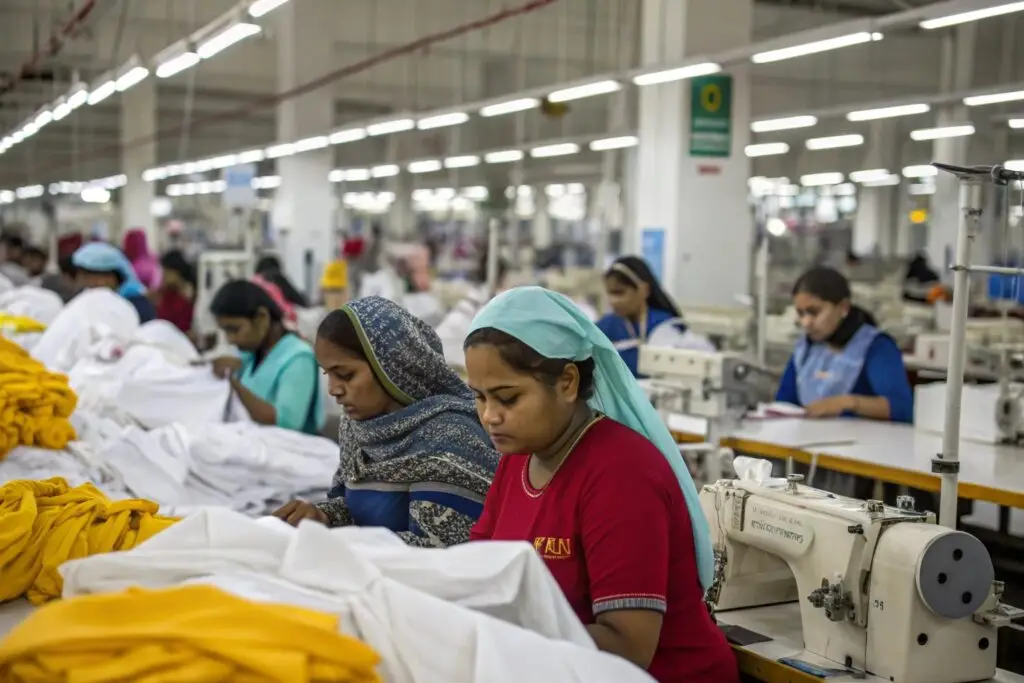
The best place to manufacture clothing depends on your goals. China, India, and Bangladesh are great for cost. The U.S. and Portugal are better for quality and speed-to-market.
What are the pros and cons by region?
| Country | Strengths | Weaknesses |
|---|---|---|
| China | Scalability, consistency | Communication, IP concerns |
| India | Natural fabrics, ethical options | Slower timelines |
| Bangladesh | Low labor cost, volume-friendly | Limited design flexibility |
| USA | Fast, ethical, premium branding | High cost |
| Portugal | Luxury knits, small runs | Moderate cost, EU regulations |
I use China for basics and India for cotton-rich apparel. When branding around sustainability8, I switch to Portugal or L.A. It all depends on product and market.
How do I choose the right one?
Ask yourself:
- Do I need fast delivery9 or low cost?
- Is brand image (e.g. "Made in USA") important?
- Do I want to start with small MOQ?
- Can I visit the factory or trust remote inspection?
I’ve worked with 4 countries and learned that no single country is best for everything. It’s about matching your priorities to the factory’s strengths.
Conclusion
Selling your manufactured clothes requires the right mix of product, platform, and production location. When you match all three, you can grow profitably without burning out—or breaking your budget.
-
Explore this link to discover detailed comparisons and insights on various resale platforms, helping you choose the right one for your needs. ↩
-
Learn more about Poshmark's unique features and how it can help you reach a targeted audience effectively. ↩
-
This resource will provide valuable insights into how reselling can help new brands understand their market and improve their offerings. ↩
-
Exploring this resource will provide insights on how to optimize product offerings for better profitability. ↩
-
Understanding the advantages of pre-orders can help you manage inventory effectively and boost profits. ↩
-
Discover how leveraging UGC can significantly lower your ad spend while increasing sales. ↩
-
Discover the best e-commerce platforms that are easy to use for beginners, helping you start your online business with confidence. ↩
-
Exploring sustainability in manufacturing can help you align your production with eco-friendly practices, enhancing your brand's image. ↩
-
Knowing which countries excel in fast delivery can help you meet tight deadlines and improve customer satisfaction. ↩