Looking for a reliable clothing manufacturer in the U.S. often leads you to Los Angeles—but separating the hype from reality takes time and research.
ARGYLE Haus of Apparel is one of the leading clothing manufacturers in Los Angeles, offering full-package production services for emerging designers and established brands alike.
If you’re considering U.S.-based production for better oversight, faster shipping, or ethical reasons, then understanding the L.A. clothing scene—and ARGYLE Haus’s role in it—is key.
Are American Apparel and Los Angeles Apparel the same company?
A lot of buyers confuse these two brands because of their names and similar backstories—but they’re not the same.
American Apparel and Los Angeles Apparel are two separate companies. They were founded by the same person but operate independently today.
Why do people mix them up?
The confusion comes from Dov Charney1, the founder of both. He started American Apparel in 1989 and built it into a major brand. After being ousted in 2014, he launched Los Angeles Apparel in 2016.
Key differences:
| Brand Name | Founded | Location | Ownership | Factory Setup |
|---|---|---|---|---|
| American Apparel | 1989 | Originally LA, now online only | Acquired by Gildan | No local factory |
| Los Angeles Apparel | 2016 | South Central LA | Dov Charney | Local cut-and-sew |
American Apparel now exists only as a brand under Gildan, with most of its garments made overseas. Los Angeles Apparel, however, is still cut-and-sew in the U.S.2, with ethical labor standards3 and in-house production.
What are the differences in production quality and values?
American Apparel used to stand for "Made in USA" but changed after being sold. Los Angeles Apparel now continues that vision with local labor and more transparency. Their workers earn above minimum wage and work in monitored conditions.
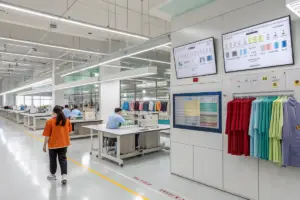
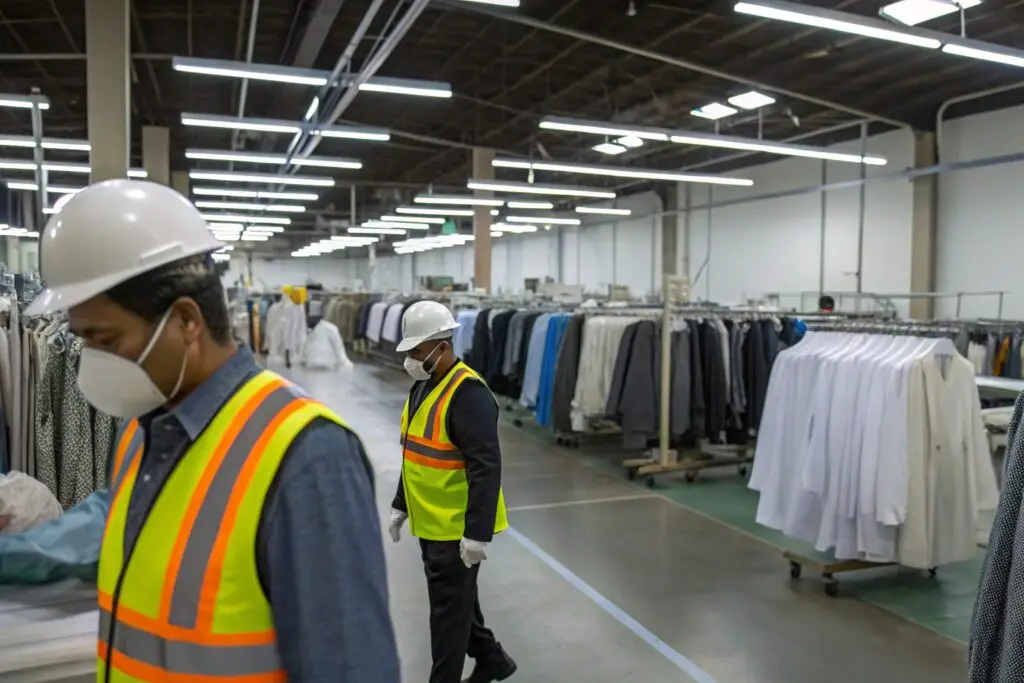
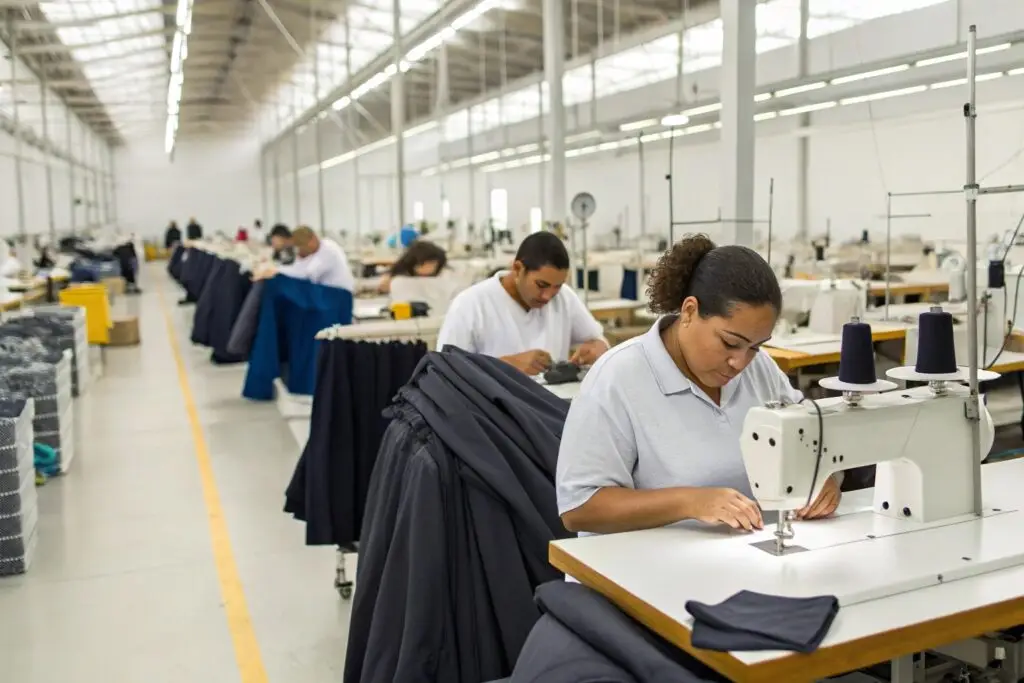
I’ve toured the Los Angeles Apparel factory. The vibe was intense but efficient—rows of sewers, pattern makers, and pressers working nonstop. It made me realize that true local manufacturing still exists, if you know where to look.
What state produces the most clothes?
When thinking of U.S. clothing manufacturing, only a few states stand out—and California is always at the top.
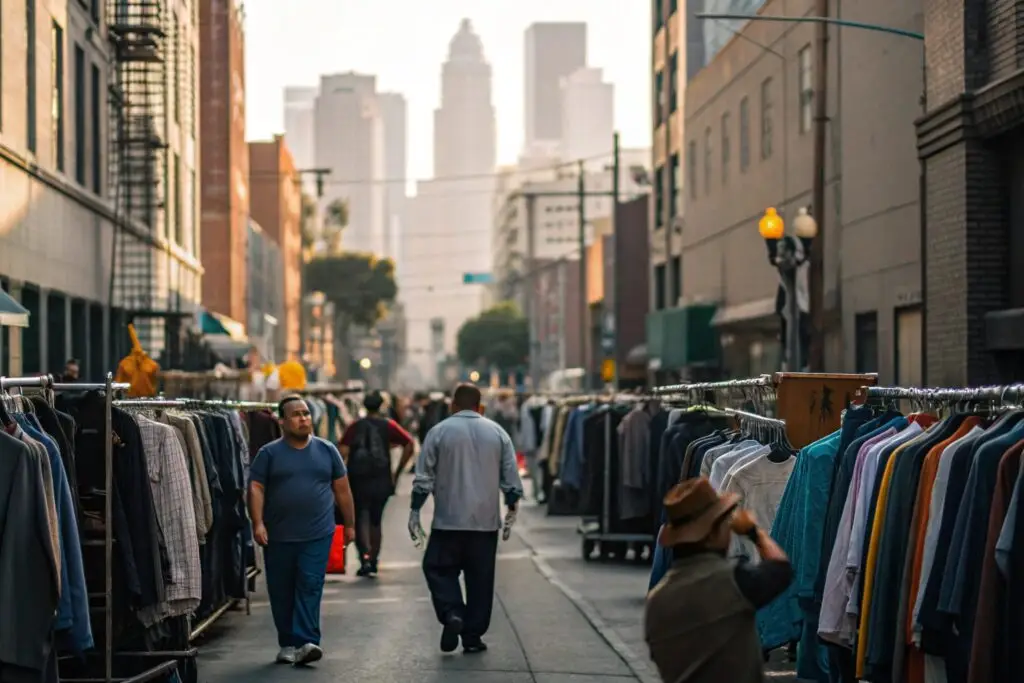
California produces the most clothes in the U.S., with Los Angeles being the central hub for apparel manufacturing.
Why is California number one?
Los Angeles has built an entire ecosystem around fashion and manufacturing:
- Thousands of small factories4 concentrated in a few neighborhoods
- Design schools and freelance pattern makers nearby
- Access to domestic and imported fabrics
- Large base of immigrant skilled labor5
This cluster makes it easy to design, develop, and produce clothing without ever leaving the city. The speed-to-market advantage6 is real—I’ve gone from tech pack to sample in just 5 days with L.A. vendors.
| State | Production Focus | Notes |
|---|---|---|
| California | Full-package + cut/sew | Highest output, mostly in LA |
| New York | Designer samples | High-cost, boutique-focused |
| North Carolina | Textiles & knitting | Less apparel, more fabric-making |
| Texas | Denim & workwear | Mostly niche factories |
What types of brands choose California manufacturing?
- Streetwear brands needing quick drops
- Luxury labels wanting low-volume, high quality
- DTC startups marketing "Made in USA"
- Ethical fashion brands that value labor transparency
I’ve seen brands scale from 500 to 5,000 units a month using the L.A. ecosystem. The key is finding the right partner—not just a contractor, but a production team that understands your goals.
Who runs Los Angeles Apparel?
Behind many L.A. fashion stories, you’ll find one controversial name.
Dov Charney is the founder and CEO of Los Angeles Apparel. He launched the company after leaving American Apparel and remains heavily involved in its daily operations.
What’s Dov Charney’s background?
Dov is a Canadian entrepreneur known for bold marketing, risky business moves, and a hands-on approach to production. At American Apparel, he pioneered vertical integration—everything from cutting to tagging happened under one roof.
After being removed from American Apparel due to allegations and financial trouble, he didn’t exit the industry. Instead, he started again with a similar mission: made-in-USA apparel, high-quality basics, and full control over manufacturing7.
Los Angeles Apparel is very much his project. I’ve read interviews where he talks about overseeing sewing lines himself and training workers. Whether you like his style or not, the man knows garment production inside out.
How does his leadership affect the company?
Love him or hate him, Dov’s presence ensures:
- Speed and responsiveness
- Strong brand identity
- Local, ethical manufacturing
I’ve worked with manufacturers inspired by his model—tight control, in-house staff, and fast iterations. It’s not always scalable, but it’s incredibly effective when done right.
Is Los Angeles Apparel fast fashion?
You might think that domestic brands avoid fast fashion—but that’s not always true.
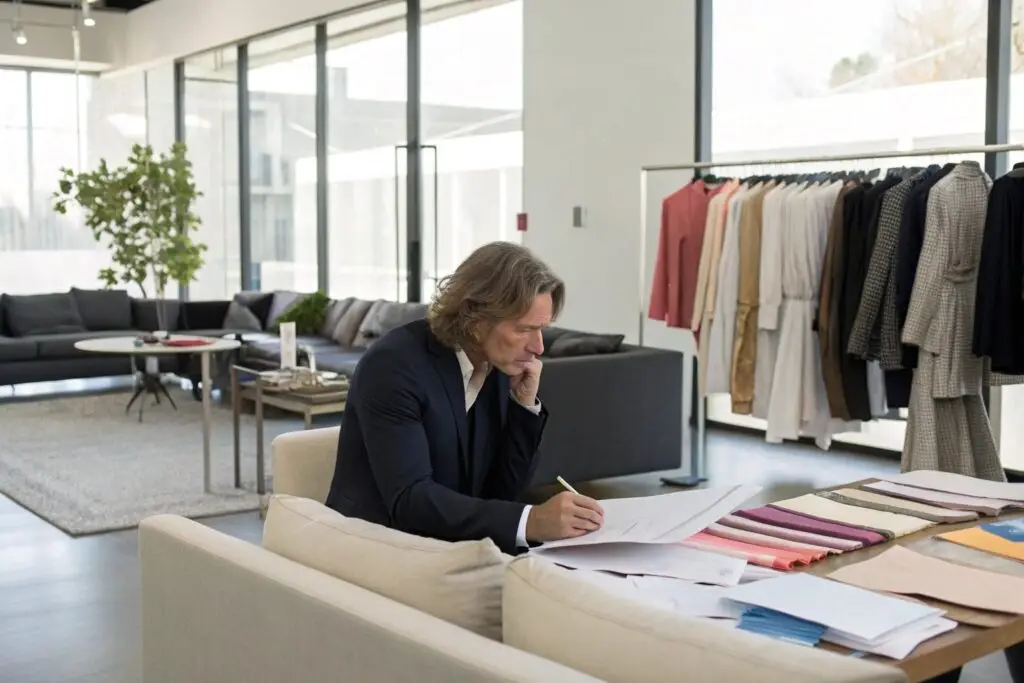
Los Angeles Apparel isn’t traditional fast fashion, but it adopts some of the same speed and trend reaction strategies within a more ethical production model.
How is it similar to fast fashion?
- Rapid design-to-shelf process
- Small-batch drops every month
- Heavy focus on basics and trendy pieces
- Social media-driven product testing
The difference? No overseas labor.8 They produce in the U.S., with better worker treatment and fewer environmental shortcuts.
| Factor | Fast Fashion Brands | Los Angeles Apparel |
|---|---|---|
| Production Speed9 | Very Fast | Fast |
| Sustainability | Low | Medium |
| Labor Conditions | Often Poor | Ethical + Local10 |
| MOQ for Buyers | High | Flexible |
Is it right for small brands?
Absolutely. If you’re looking to do frequent small releases or test styles without committing to 10,000 units, L.A. is the place. I’ve worked with factories near Vernon and Boyle Heights that delivered finished goods in under two weeks.
Just be prepared to pay more. The price-per-unit is higher, but you save in other areas—lower shipping time, fewer returns, and fewer communication delays.
Conclusion
ARGYLE Haus and the wider L.A. manufacturing scene show that high-quality, U.S.-based clothing production is alive and thriving. With the right partner, you can produce quickly, locally, and ethically—without sacrificing style.
-
Explore the impact of Dov Charney on American Apparel and Los Angeles Apparel to understand his influence in the fashion world. ↩
-
Learn about the significance of cut-and-sew manufacturing in the U.S. and its implications for quality and labor standards. ↩
-
Discover the importance of ethical labor standards in fashion and how they affect workers and production practices. ↩
-
Explore how small factories in L.A. contribute to a thriving fashion ecosystem, enhancing speed and quality in production. ↩
-
Discover the vital role of immigrant skilled labor in California’s fashion industry and its influence on innovation and craftsmanship. ↩
-
Learn about the speed-to-market advantage in fashion and how it can benefit brands in a competitive landscape. ↩
-
Exploring this link will provide insights into the advantages of local manufacturing and quality basics, which are central to Dov Charney’s vision. ↩
-
Exploring this resource will highlight the advantages of local production, including ethical labor practices and environmental benefits. ↩
-
This link will provide insights into how production speed influences trends, sustainability, and consumer behavior in fashion. ↩
-
Understanding ethical and local production can help you appreciate the importance of supporting brands that prioritize worker rights and sustainability. ↩