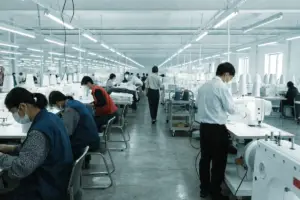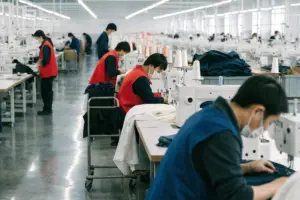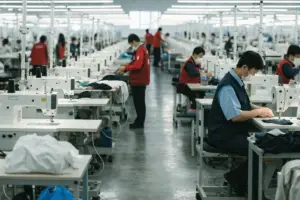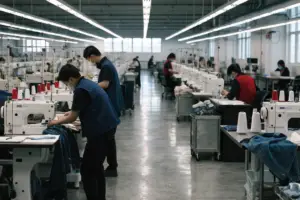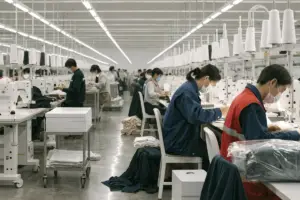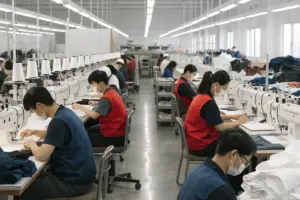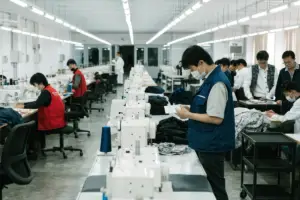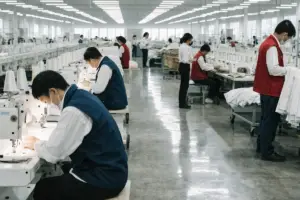
The clothing manufacturing process is a detailed sequence of steps that transforms fabric into finished garments. But how does this process work from start to finish?
The clothing manufacturing process begins with fabric selection, followed by pattern making, cutting, sewing, finishing, and quality control. Each step ensures that the final garment meets design specifications and customer expectations.
Understanding these stages helps businesses improve efficiency, maintain quality, and optimize production costs.
What Is the Garment Manufacturing Process From Fabric to Finished Product?
Manufacturing garments involves multiple stages. But what are the key steps from raw fabric to the final clothing product?
The garment manufacturing process includes fabric sourcing, pattern making, cutting, sewing, finishing, and packaging. Each step plays a crucial role in ensuring product quality and efficiency.
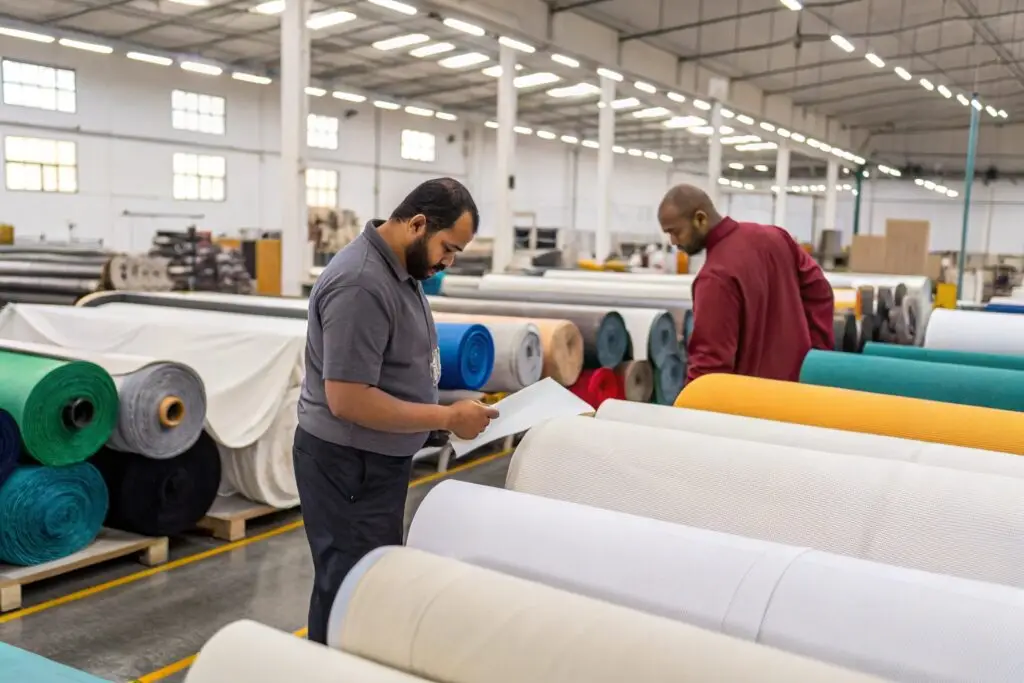
What are the essential steps in garment production?
| Step | Description |
|---|---|
| Fabric Selection & Sourcing | Choosing materials based on quality and cost |
| Pattern Making | Developing the design blueprint for garments |
| Fabric Cutting | Cutting fabric into required shapes and sizes |
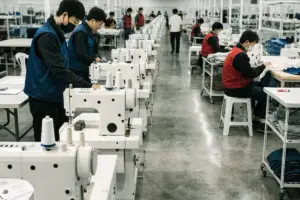
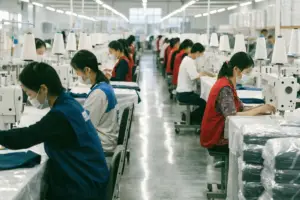
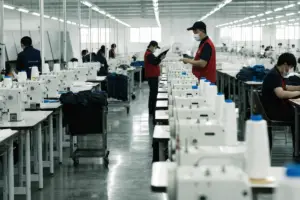
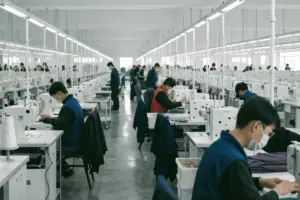
| Sewing & Stitching | Assembling garment pieces through stitching |
| Finishing & Trims | Adding buttons, zippers, and labels |
| Quality Control | Inspecting garments for defects |
| Packaging & Shipping | Preparing garments for distribution |
Why is pattern making critical in garment production?
Pattern making determines the fit, shape, and design of a garment. Without precise patterns, production errors can lead to defective products.
How Is Clothing Made Step by Step?
The fashion industry follows a structured process to turn designs into wearable clothing. But what are the steps involved?
Clothing production follows a step-by-step process that includes fabric selection, cutting, stitching, finishing, and packaging. Each phase ensures quality and consistency in mass production.
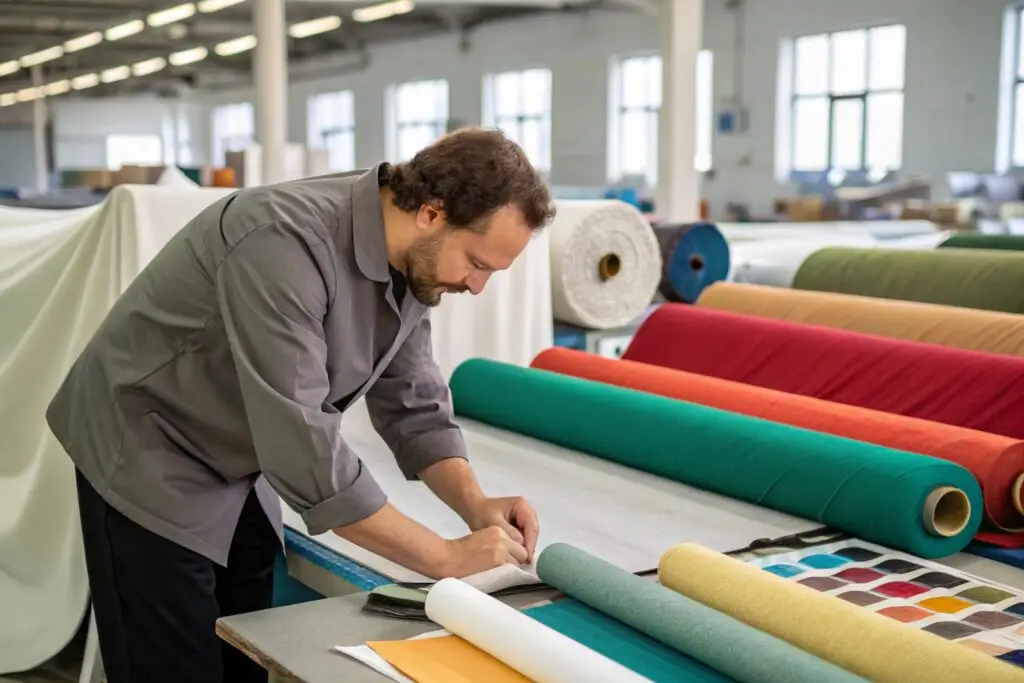
What are the major steps in making clothing?
| Step | Purpose |
|---|---|
| Design & Development | Creating sketches and tech packs |
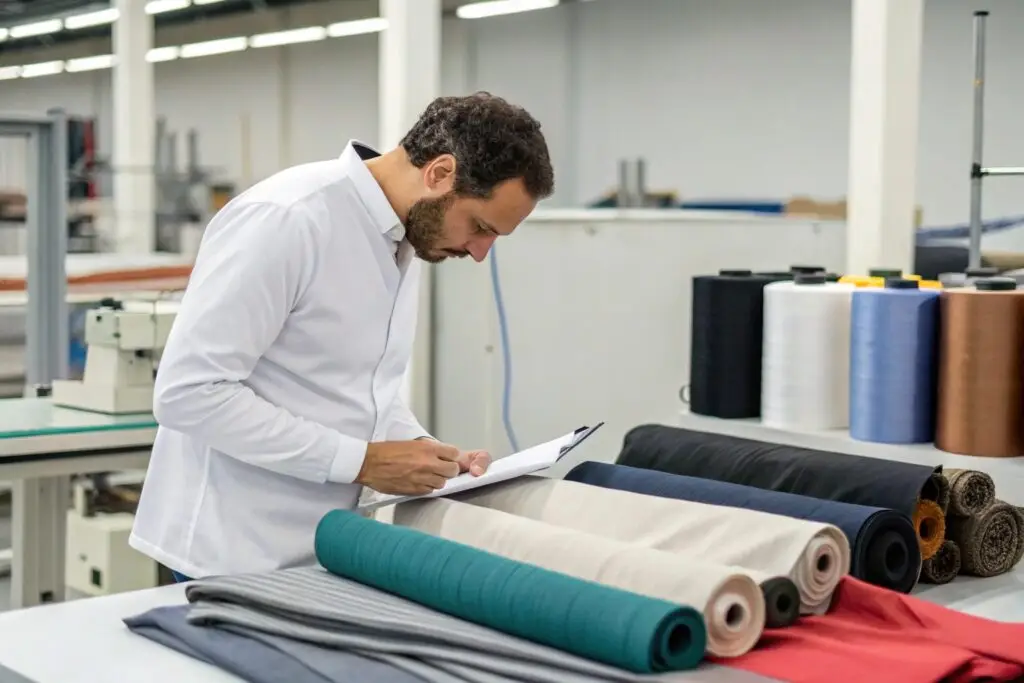
| Fabric Selection | Choosing the right fabric for durability and comfort |
| Cutting Process | Precision cutting for efficiency |
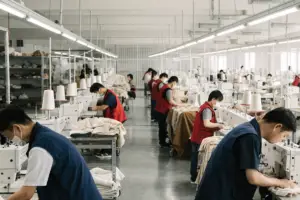
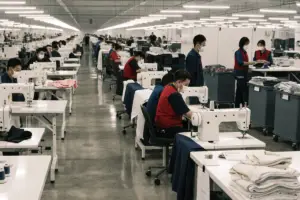
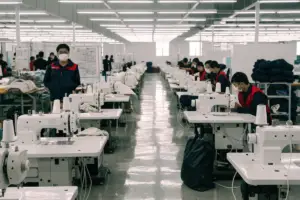
| Sewing & Assembly | Stitching pieces together with industrial machines |
| Pressing & Finishing | Adding final touches like ironing and trims |
What challenges affect clothing production?
- Fabric shrinkage – Poor quality fabric can change shape after washing.
- Sewing errors – Misaligned stitching can ruin a garment’s fit.
- Delays in supply chain – Slow material delivery impacts production schedules.
What Is the Finishing Process in the Garment Industry?
Once garments are sewn, they go through finishing touches. But what does the finishing process involve?
The finishing process in garment manufacturing includes pressing, trimming, adding accessories, and performing final quality inspections. This step ensures that the garment is retail-ready.
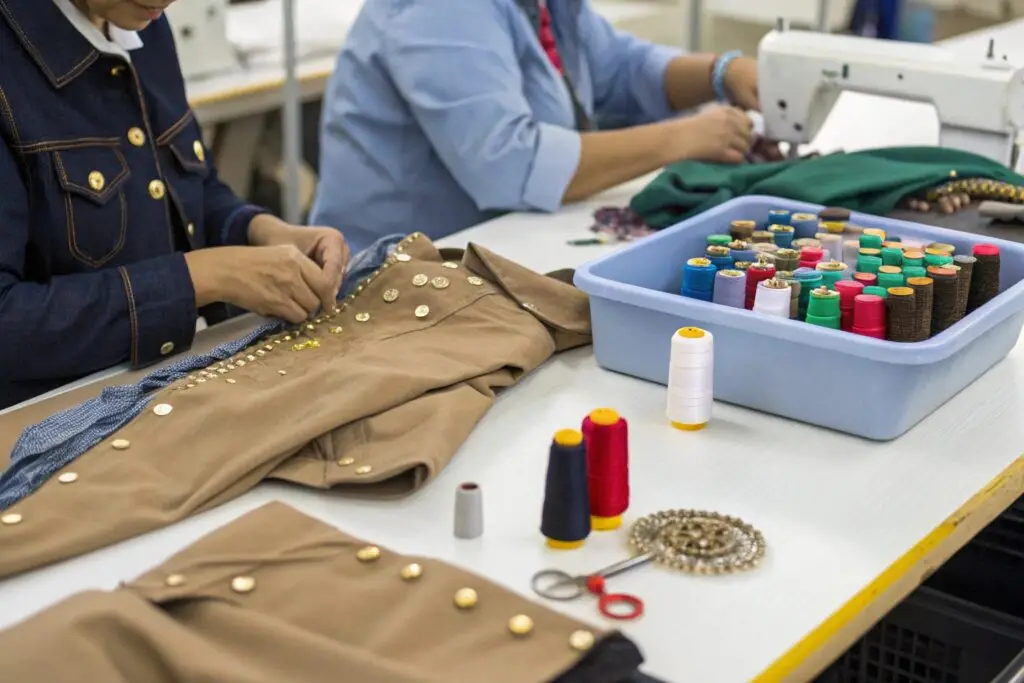
What are the key steps in garment finishing?
| Finishing Step | Function |
|---|---|
| Trimming Threads | Removing excess threads for a clean look |
| Pressing & Ironing | Smoothing wrinkles and setting seams |
| Labeling & Tagging | Attaching brand tags and care labels |
| Packaging | Folding and packing garments for shipment |
How does finishing impact garment quality?
A well-finished garment looks more professional, fits better, and enhances brand value. Poor finishing can result in customer dissatisfaction and high return rates.
What Was the Process for the Manufacturing of Clothing?
Clothing manufacturing has evolved over the years. But what has changed in the way garments are produced?
Traditional garment manufacturing relied on manual labor, while modern production uses automation, digital design tools, and advanced quality control techniques to increase efficiency.
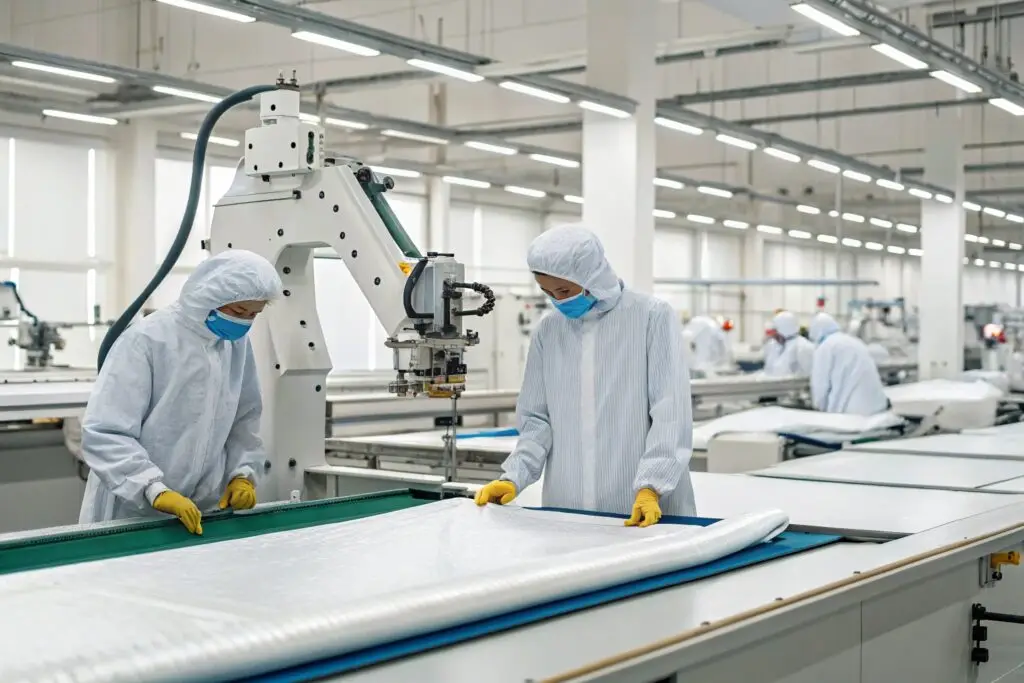
How has clothing manufacturing changed over time?
| Time Period | Key Changes in Production |
|---|---|
| Early Industrial Age | Manual stitching and hand-sewn garments |
| 20th Century Mass Production | Factory assembly lines for large-scale production |
| Modern Day Automation | AI-driven design, laser cutting, and smart factories |
How do modern factories improve garment production?
Factories now use CAD (Computer-Aided Design) for pattern making, automated cutting machines for precision, and robotic sewing technologies to improve production speed and reduce waste.
Conclusion
The clothing manufacturing process follows a structured approach from fabric selection to finishing. Understanding the steps involved helps businesses improve efficiency, reduce costs, and maintain high-quality production standards. Modern technology continues to transform garment manufacturing, making it faster, more sustainable, and increasingly automated.