
The online fashion industry is booming, but competition is fierce. Many entrepreneurs wonder if they can turn a profit selling clothes online. With the right strategy, is it a viable business?
Yes, selling clothes online can be profitable with the right pricing, branding, and marketing strategies. E-commerce platforms, social media, and direct-to-consumer sales make it easier than ever to reach customers. However, competition, return rates, and pricing challenges must be carefully managed.
Understanding the opportunities and risks of online clothing sales is essential for building a successful fashion business.
How Profitable Is Selling Clothing?
Fashion is a trillion-dollar industry, but is selling clothing online actually profitable?
Selling clothing can be highly profitable, but margins vary based on business model, sourcing costs, and marketing efficiency. Brands that focus on niche markets, high-quality products, and strong branding tend to achieve higher profit margins.

What factors determine profitability?
| Factor | Impact on Profitability |
|---|---|
| Product Pricing | Higher markups increase profits |
| Production Costs | Lower costs improve margins |
| Brand Recognition | Strong brands command premium prices |
| Marketing Strategy | Effective marketing boosts sales |
What are typical profit margins for online clothing businesses?
| Business Model | Average Profit Margin |
|---|---|
| Fast Fashion Retailer | 10% – 30% |
| Luxury Fashion Brand | 50% – 80% |
| Print-on-Demand | 20% – 40% |
| Dropshipping | 10% – 25% |
Is It Possible to Sell Clothes Online?
Selling clothes online is accessible to anyone with an internet connection. But is it truly possible to succeed?
Yes, selling clothes online is possible and easier than ever with platforms like Shopify, Amazon, Etsy, and social media marketplaces. However, success depends on identifying a profitable niche, managing inventory, and effectively marketing products.

What are the best platforms for selling clothes online?
| Platform | Best For |
|---|---|
| Shopify | DTC (direct-to-consumer) brands |
| Amazon | High-volume sales |
| Etsy | Handmade & unique fashion |
| Instagram & TikTok | Social media-driven sales |
What types of clothing sell best online?
- Streetwear and casual fashion – Popular among younger buyers.
- Sustainable and ethical clothing – Appeals to eco-conscious consumers.
- Luxury and designer fashion – Attracts high-income customers.
- Activewear and athleisure – Strong demand in fitness and lifestyle markets.
What Are the Weaknesses of Selling Clothes?
Selling fashion online comes with challenges. But what are the biggest weaknesses?
The main challenges of selling clothes online include high return rates, competition, and inventory management. Additionally, fashion trends change quickly, making demand unpredictable.
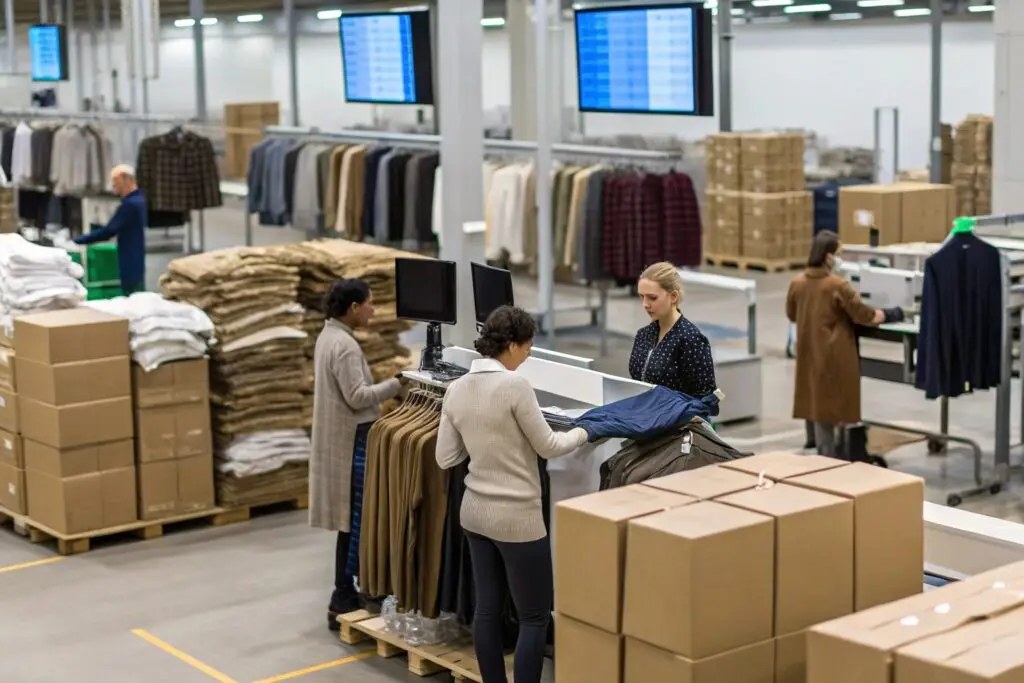
What are the most common problems in online clothing sales?
| Weakness | Effect on Business |
|---|---|
| High Return Rates | Customers often return due to size and fit issues |
| Market Saturation | Thousands of sellers compete for attention |
| Inventory Costs | Holding unsold stock ties up capital |
| Fast-Changing Trends | Styles go out of fashion quickly |
How can businesses overcome these challenges?
- Use clear sizing charts to reduce return rates.
- Differentiate with branding and quality to stand out.
- Start with small inventory and scale based on demand.
- Stay updated on fashion trends to avoid selling outdated styles.
Do Clothes Sell Well on Amazon?
Amazon is one of the largest online marketplaces. But is it a good platform for selling fashion?
Yes, clothes sell well on Amazon, especially in the fast fashion and essentials categories. However, competition is intense, and Amazon fees can eat into profits. Successful sellers optimize listings, use Fulfillment by Amazon (FBA), and run strategic ads.
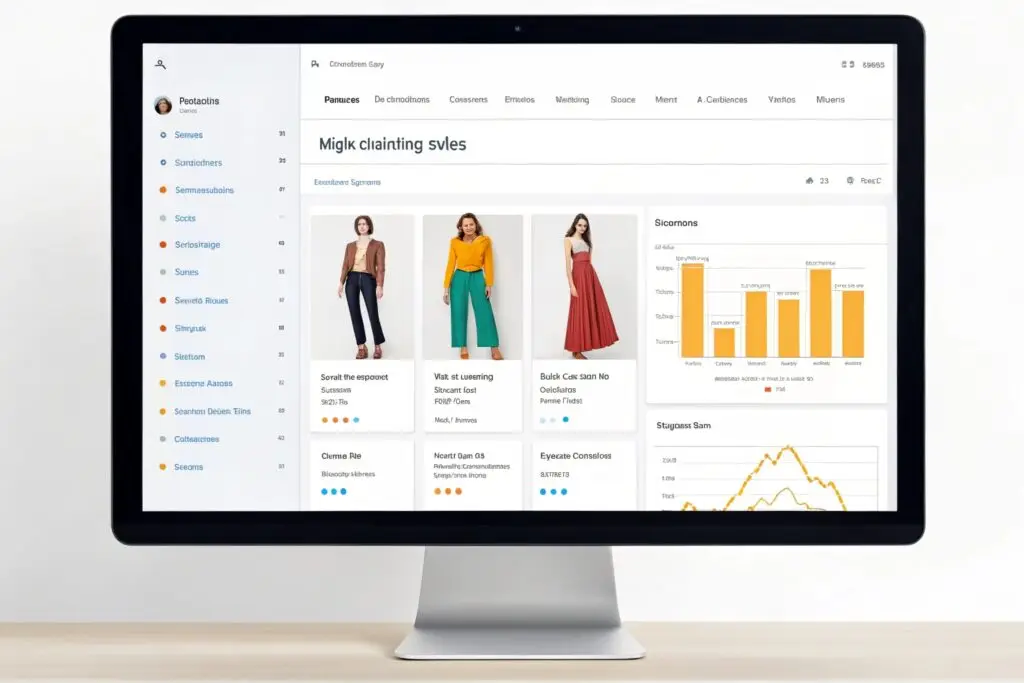
What clothing categories perform best on Amazon?
| Clothing Type | Sales Performance |
|---|---|
| Basics & Essentials | High demand (T-shirts, hoodies, leggings) |
| Athleisure & Activewear | Growing segment (sportswear, yoga pants) |
| Private Label Fashion | Successful with brand recognition |
| Seasonal Clothing | Good for winter jackets, swimwear, etc. |
What are the pros and cons of selling on Amazon?
| Pros | Cons |
|---|---|
| Large customer base | High competition |
| Built-in trust & logistics | Amazon fees reduce profit margins |
| Advertising tools available | Limited brand control |
Conclusion
Selling clothes online is profitable, but success depends on choosing the right platform, pricing strategy, and marketing approach. While Amazon offers high sales potential, competition is fierce. Businesses that differentiate through branding, quality, and customer service stand a better chance of thriving in the online fashion market.